
Ever feel like easing off a bit after a tough workout might help you bounce back even stronger next time? Active recovery (a simple way to keep your body moving gently after intense exercise) might sound quirky, but it really gives your muscles a little boost after a hard session.
Instead of a full day off, why not try a short, easy walk or some gentle stretching? You know, like when fresh air meets the satisfying stretch of your muscles. These light moves help wash away lactic acid (a buildup that can make muscles feel sore) and ease tightness. This simple method gets your blood flowing again and gears you up with fresh energy and strength for your next workout.
Understanding Active Recovery: Definition and Mechanisms
Active recovery is all about moving gently through low-intensity activities like a relaxed walk, easy cycling, or soft stretching after a hard workout. These activities help get your blood flowing, wash away lactic acid (a buildup from intense exercise), and calm down tight muscles before they start to feel sore. Keeping your heart rate around 50–60% of its maximum makes the routine feel refreshing instead of draining.
Imagine this: many top athletes say they rely on light active recovery to clear out their muscles and feel energized before the next round. It’s not about pushing yourself to the limit; it’s more like giving your muscles a gentle nudge so that vital nutrients reach tired fibers and speed up the repair process.
This approach works well for everyone, not just elite athletes. It boosts muscle repair and helps cut down on delayed-onset muscle soreness (DOMS, which is that muscle ache you feel a day or two after a hard session) by promoting better circulation and quicker clearance of waste products. Overall, active recovery acts as a mini reset for your body, leaving you ready to take on your next workout with ease and confidence.
Benefits of Active Recovery for Performance and Soreness Relief

Active recovery isn't just a break from tough workouts. It gives your body a gentle boost that supports overall fitness and well-being. When you choose easy exercises, like a relaxed walk or a slow bike ride, you're helping your natural healing process and getting your muscles ready for the next challenge. This kind of activity improves blood flow, flushes out lactic acid (a substance that builds up and makes muscles feel tight), and keeps your joints feeling loose. Many athletes, whether recovering from a long marathon or a busy triathlon, find that a day of light movement helps them feel set for the next high-energy session.
Here are six key benefits of adding active recovery to your routine:
-
Improves blood circulation: Gentle exercises such as a calm walk or easy cycling encourage your heart to pump fresh blood, delivering oxygen and nutrients to tired muscles. Picture a light, refreshing stroll on a crisp morning that slowly wakes up your body.
-
Speeds up removal of lactic acid: Moving at a comfortable pace helps wash away the buildup in your muscles that can cause stiffness after a workout.
-
Keeps you flexible: Simple stretches and slow, deliberate movements keep your joints from tightening up, supporting a natural range of motion.
-
Lessens muscle soreness: Engaging in relaxing, low-key activities can ease the lingering aches that sometimes follow a rigorous workout.
-
Prevents injuries: By gently keeping your muscles engaged without overloading them, active recovery reduces the chance of strains or other injuries, acting as a soft bridge between intense sessions.
-
Prepares you for the next challenge: A well-planned active recovery day helps renew both your body and mind, so you feel refreshed and ready to tackle your next workout with energy.
Key Active Recovery Techniques and Exercises
Active recovery helps your body bounce back by letting your muscles work gently while they heal. When you add in light cardio and simple movement exercises, your body gets a chance to clear away waste products (like lactic acid) and bring in fresh oxygen to repair tissues. The result? You often feel less sore and more refreshed for your next workout.
Imagine taking a brisk 20-minute walk with your heart beating at about 50 to 60 percent of its maximum rate. It’s like a little treat for your muscles. Or, try switching to low‐resistance cycling. This steady, gentle ride keeps your legs moving without overloading them, supporting good blood flow while keeping your muscles relaxed.
Next, consider a dynamic stretch routine. These full-body moves help loosen up tight areas and boost your overall mobility. Foam rolling is another friendly option. When you use a foam roller (a cylindrical tool designed to press on muscle knots), you gently massage those stubborn tight spots to ease tension. And then there’s restorative yoga flow. These calm, gentle yoga poses focus on opening up your joints and inviting relaxation, making it easier to transition from active exercise to a state of rest.
| Technique | Description | Suggested Duration |
|---|---|---|
| Brisk Walking | A walk at 50–60% of your max heart rate to boost circulation and clear out waste | 20–30 min |
| Low‐Resistance Cycling | A steady pace that keeps your muscles engaged without extra strain | 15–25 min |
| Dynamic Stretch Routine | Full-body stretches that gently improve mobility | 10–15 min |
| Foam Rolling | Self-massage using a foam roller (a tool to ease muscle knots) to release tension | 5–10 min |
| Restorative Yoga Flow | Gentle yoga poses aimed at joint mobility and relaxation | 20–25 min |
Adding these practices into your routine can keep you flexible and help lessen soreness after a hard workout, making your exercise journey smoother and more enjoyable.
Designing an Active Recovery Schedule
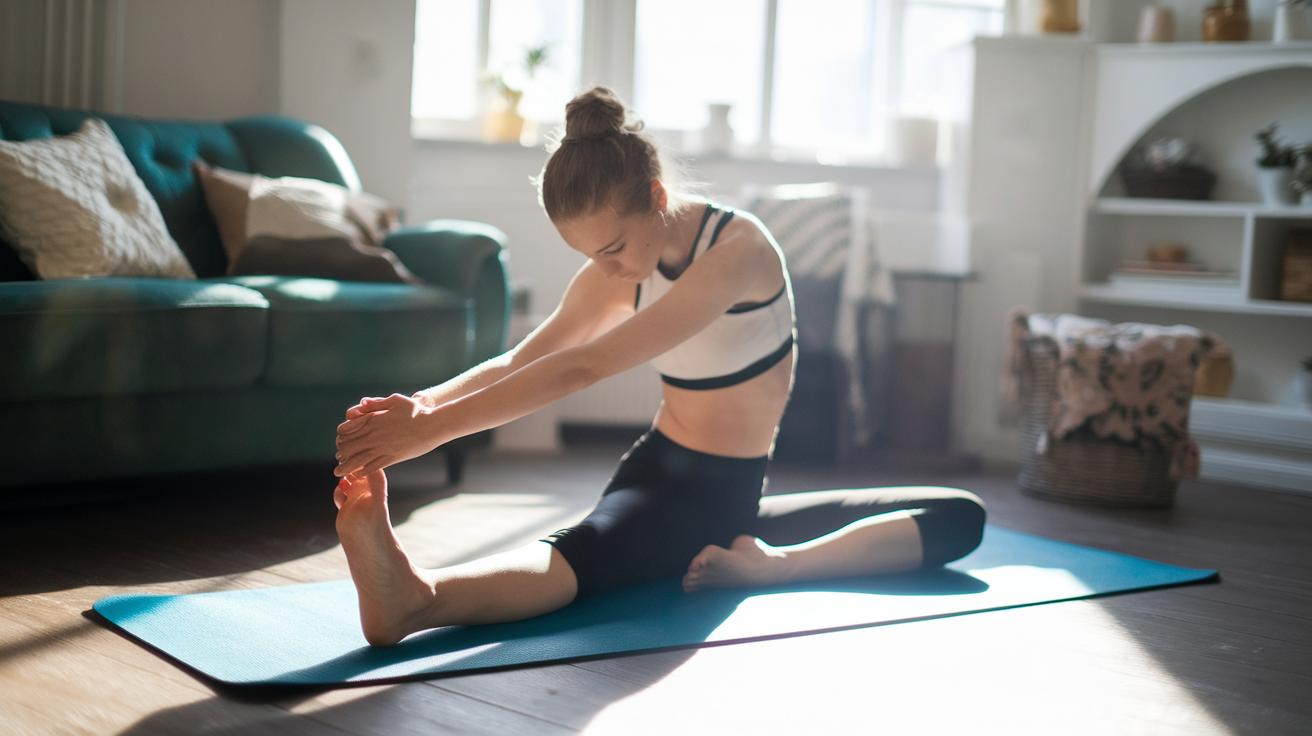
Start by taking a close look at your weekly routine. If you’re pushing yourself with high-intensity workouts four times or more a week, setting aside one or two days for active recovery can really help your muscles relax without totally stopping movement. Think of these days as gentle pauses where you might enjoy a light walk or an easy yoga session that lets your body heal a bit while staying in motion.
If you work out moderately, say, three to five times a week, you usually only need one active recovery day. This single day can be a refreshing break between your tougher sessions. And if you’re just starting out, adding some low-key, gentle movements on your off days can help your body slowly adjust to a regular routine.
Remember to listen to your body. If you notice increased pain or feel unusually tired during these recovery sessions, try lowering the pace even further or switch to a different activity. Maybe a leisurely bike ride could be a nice change instead of a brisk walk.
Here are some strategies to balance your schedule:
| Workout Type | Recovery Suggestion |
|---|---|
| High-intensity athletes | Plan 1–2 active recovery days with gentle activities like stretching or relaxed cycling |
| Moderate exercisers | Dedicate 1 day as a consistent recovery day to recharge |
| Beginners | Add light active days off to ease into the routine |
A handy tip: jot down your weekly workout plan and mark where you’ll insert these recovery periods. This way, you can spot patterns and adjust your intensity based on what your body tells you. Enjoy your journey to a balanced, energetic life!
Active Recovery vs. Passive Recovery: Choosing the Best Approach
Active recovery is about easing into gentle movement after a tough workout. Think of taking a slow walk, light cycling, or a calming yoga session. These activities help boost your blood flow and wash away those leftover byproducts (like lactic acid, which can build up during exercise) while keeping your body moving at a relaxed pace. Picture finishing an intense run and then enjoying a leisurely stroll, it’s like giving your muscles a refreshing mini reset.
Passive recovery, on the other hand, is all about giving your body a real break. This means taking full rest days, getting extra sleep, or simply lying down to relax. It’s perfect when you’re feeling worn out, experiencing minor aches, or noticing that even light movement feels like too much. This way, your muscles have the chance to repair and renew without any extra strain.
Deciding between active and passive recovery depends on how hard you’ve worked out and how you’re feeling. Here are some tips to help you decide:
- If you feel a little stiff but still have some energy left, try a bit of active recovery to loosen up your muscles.
- If you’re really tired or sore, it might be best to choose passive recovery by resting or getting more sleep.
Remember, there isn’t a strict rule to follow, it’s all about listening to your body. Sometimes a short, gentle movement is the perfect cool-down, while other times, a full rest is what you truly need. Trust your instincts and adjust your recovery to what feels right for you.
Sample Active Recovery Routines for Different Fitness Levels

Beginner Recovery Walk and Stretch Sequence
Start easy with a refreshing walk followed by gentle, full-body stretches. Try a 20-minute brisk walk at about half of your maximum effort, letting your heart pump and blood circulate to wake up your muscles. Then, take 10 minutes for dynamic stretches, moving your arms, legs, and torso to ease any tightness. Imagine stretching your arms up high as you breathe in the cool morning air. It feels like a friendly nudge to your body, inviting you to relax and repair.
Intermediate Cycling and Yoga Flow
When you're ready for a bit more movement, mix low-resistance cycling with a calming yoga flow. Begin with 20 minutes on a stationary bike at a light pace, keeping a steady, easy rhythm that helps your muscles feel refreshed. Next, transition directly into 20 minutes of gentle yoga. Focus on slow, deep breaths and smooth poses that let you unwind slowly. Picture yourself flowing through each pose, feeling every muscle gently release tension as you prepare for what comes next.
Advanced Pilates and Foam Rolling Combo
For a more challenging recovery, give this advanced combo a try. Start with a 30-minute Pilates session that focuses on controlled, steady movements to activate your core (the strong middle part of your body). This mindful exercise builds strength while giving you a calm moment to focus inward. After Pilates, spend 5 to 10 minutes on foam rolling, a self-massage technique using a foam roller (a smooth, cylindrical tool) to ease muscle soreness. This final step feels like a soothing, personal massage that boosts flexibility and prepares your body for your next adventure.
Nutrition, Hydration, and Gear to Support Active Recovery
Active recovery starts with fueling your body right. After your workout, enjoy a meal that mixes proteins (foods that help fix and build muscles) and carbohydrates (sugars that give you energy). Imagine having grilled chicken with sweet potatoes, it’s delicious and does wonders for rebuilding muscles and refilling your energy tank. And don’t forget to drink water all day. Staying hydrated helps your tissues repair and flushes out exercise leftovers.
Sleep is a big deal too. A good night’s rest gives your muscles time to heal while your body resets. Along with a balanced meal, doing some gentle stretching or using a foam roller (a simple self-massage tool) can ease tight muscles and boost blood flow. Picture easing out the tension with a slow foam roll, it can really lighten your load.
For an extra boost, try using compression garments (tight clothing that helps improve blood flow). They work by nudging blood to travel faster to tender spots, carrying nutrients where they’re needed most. Combining supportive gear with good eating, regular hydration, and solid sleep can really amplify the benefits of active recovery.
Final Words
In the action, this post explored active recovery, from its science behind easing muscle soreness to practical techniques like gentle walks, cycling, and restorative yoga flows. We broke down benefits like improved blood flow and muscle repair and even matched recovery routines to different fitness levels. The piece also touched on smart scheduling and nutrition tips to support active recovery. Remember, taking a step back with recovery practices can boost your performance. Stay mindful, move with ease, and keep shining on your path to a balanced, healthier life.
FAQ
What is an active recovery?
Active recovery is a method that uses low-intensity movement—like easy walking, gentle cycling, or light stretching—to help boost circulation and ease muscle soreness by flushing out exercise byproducts.
What are some examples of active recovery exercises?
Examples of active recovery exercises include brisk walking, low-resistance cycling, dynamic stretches, foam rolling for muscle relief, restorative yoga flows, and Pilates routines that gently work the whole body.
How does active recovery compare to a full rest day?
Active recovery incorporates gentle movements to keep muscles loosened and blood flowing, while a full rest day involves minimal activity, letting the body completely relax after hard workouts.
What benefits does active recovery offer?
Active recovery increases blood flow to muscles and joints, helps clear lactic acid, reduces muscle stiffness, and prepares the body for the next workout session with lower injury risk.
Is active recovery addiction a real concern?
Active recovery addiction isn’t a formal diagnosis but refers to doing too much light activity instead of letting your body rest, so listen to your body to avoid shifting from recovery to overactivity.
What makes a full body active recovery workout effective?
A full body active recovery workout typically includes movements that target all major muscles, such as dynamic stretching, light cardio, and yoga or Pilates, to promote overall muscle relief and flexibility.
What does active recovery yoga involve?
Active recovery yoga involves gentle, restorative poses designed to improve joint movement and calm tight muscles, giving a soothing boost to the recovery process after intense activity.
What is the 6 12 25 rule in active recovery?
The 6 12 25 rule isn’t a broadly recognized term in active recovery; details can vary by specific training approaches, so check with the original source for exact guidance.
What stretching techniques support active recovery?
Techniques such as active stretching, PNF stretching (contract-relax method), ballistic stretching (controlled bouncing), isometric stretching (static holds), and cooling down routines help enhance flexibility and ease muscle tension after exercise.

