
Have you ever thought that a tiny chain of amino acids might help your body bounce back faster after a workout? It may seem surprising, but these peptides (small protein pieces that help your body repair itself) act like messenger helpers. They send signals to start mending your muscles, almost like giving your body a quick reset after exercise.
And there's more. Peptides ease inflammation and speed up cell work, so your muscles recover and grow stronger sooner. In this post, we'll dive into how these natural helpers support strength building and cut down on recovery time. Imagine that satisfying feeling when you stretch after a long run, peptides might just be the extra fuel your muscles need to feel refreshed and ready for your next workout.
How Peptides for Muscle Recovery Work
Peptides are tiny chains of amino acids (the building blocks of proteins) that act like messengers in your body. They bind to cell receptors and set off processes that help with growth, repair, and even support your immune response. It's a bit like giving your muscles a little boost in the form of a post-workout fuel that encourages healing and strength-building.
These natural compounds also kick-start collagen production (collagen is a protein that keeps your skin and joints strong), calm inflammation, and even help form new blood vessels (which are like extra delivery routes for nutrients). This means your muscles can bounce back more smoothly, reducing downtime after a tough workout or a little injury.
Key recovery mechanisms include:
- Boosting growth factors that aid repair
- Enhancing collagen production for stronger skin and joints
- Reducing inflammation for a smoother recovery
- Encouraging the creation of new blood vessels for better nutrient flow
- Balancing hormone levels to support muscle rebuilding
- Promoting cell renewal to speed up healing
When all these processes work together, they help your muscles recover faster. Your muscle fibers repair quicker, swelling and discomfort decrease, and new blood vessels improve nutrient delivery. In short, peptides set the stage for quicker recovery, so you can enjoy improved strength and less fatigue during your next workout.
Key Peptides for Targeted Muscle Repair
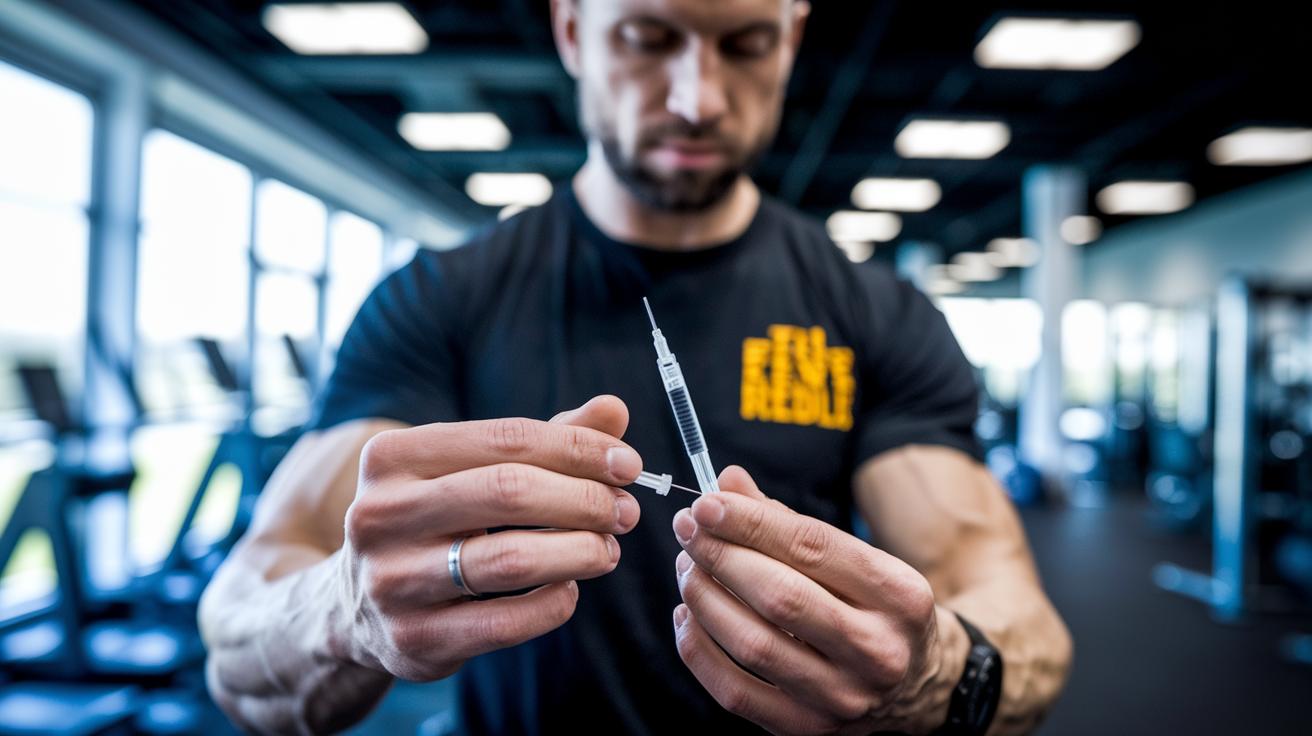
Choosing the right peptide is a bit like finding that reliable friend who helps your body heal. These special compounds kickstart repair in your muscles, tendons, and ligaments, getting you back on track with less downtime.
BPC-157
BPC-157 helps your tissues bounce back by speeding up muscle, tendon, and ligament repair. It’s like giving your body a little nudge to heal faster after a tough workout or a small injury.
Common use cases: Muscle strain relief, tendon injury repair
TB-500
TB-500 works by boosting cell movement and encouraging new blood vessel growth (tiny tubes that carry blood), helping your body renew itself all over. Whether you’re looking to heal several areas at once or just want to stay flexible, TB-500 has your back.
Common use cases: Multi-site soft tissue regeneration, flexibility improvement
IGF-1 LR3
IGF-1 LR3 sparks muscle cell growth and helps build mass. It’s like your personal coach during muscle rebuilding after an intense exercise session, giving you that extra edge to gain strength.
Common use cases: Post-workout muscle growth, enhanced strength training
Semorelin
Semorelin works by mimicking your body’s natural growth hormone-releasing hormone, which means it encourages growth hormone release to help with both repair and better sleep quality. It’s a gentle helper that supports your body’s overall harmony.
Common use cases: Hormone regulation support, sleep quality enhancement
GHRP-6
GHRP-6 nudges your body to make more growth hormone, a key player in tissue repair (the rebuilding of cells). This peptide can also boost your appetite, which might be useful when your body needs extra energy during recovery.
Common use cases: Accelerated tissue recovery, appetite stimulation during rehabilitation
Thymosin Alpha-1
Thymosin Alpha-1 is all about balancing your immune system so you can better handle stress and bounce back from both hard training sessions and everyday challenges. Think of it as a calming yet energizing presence that keeps your body in check.
Common use cases: Immune function support, recovery from training stress
Peptide Administration Methods and Dosage Guidelines
Peptide delivery options come in many forms to meet your body’s needs. The most popular choice is a small injection under the skin that helps the peptide absorb quickly. You might also prefer oral supplements or creams that are simple to apply. Picking the right method can really boost how well your body takes in these compounds, especially after a good workout.
| Method | Typical Dosage | Timing |
|---|---|---|
| BPC-157 | 200–500 mcg daily | Post-workout |
| IGF-1 LR3 | 50–100 mcg daily | Post-workout |
| Tb-500 | Variable | Depends on recovery needs |
When it comes to dosing, a personalized plan is key. Your age, weight, and fitness level all make a difference, so one size doesn’t fit all. Working with a professional ensures you set up the right schedule and keep your technique clean and safe. This proper approach helps reduce risks like infections or dosing mistakes. Always chat with a trained expert to make sure your muscle recovery is both safe and effective.
Safety Profile and Legal Considerations for Peptide Use

Peptide therapies are often mentioned as a boost for muscle recovery, but they do come with a few risks you should keep in mind. You might notice a sore spot where you got your injection, a mild headache, or even a bit of water retention (temporary extra water in your body) if the dose isn’t quite right. Using peptides from trusted sources and keeping everything super clean really helps cut down on these issues. It also means sticking to the recommended amounts and understanding if, based on your own health, these treatments might not be the best fit for you.
- Sterile technique
- Reputable sourcing
- Dosage limits
- Contraindications
On the legal side, many of these research peptides aren’t approved by the FDA for human use, which can add extra risks if you’re not careful about where you get them. Sports groups also often ban these treatments during competitions, so athletes need to know about anti-doping rules. If you’re looking for a gentler approach to recovery, natural options like collagen (a protein that helps support your skin and joints), omega-3 fatty acids (healthy fats that support your heart), and DHEA (a hormone linked to overall wellness) are time-tested ways to help repair tissues and boost your overall health.
Peptides for Muscle Recovery Fuel Muscle Strength
Peptides are like a friendly boost for your body when paired with smart nutrition after a hard workout. They team up with key nutrients to help your muscles and joints repair faster so you feel ready to go again. When you mix peptides with a collagen blend (a protein that helps mend tissues) and other vital ingredients, you create a recovery blend that powers up your muscle strength while cutting down rest time.
For example:
- Collagen supports tissue health and keeps your joints moving smoothly.
- Omega-3 helps reduce inflammation (swelling and pain).
- Vitamin C aids your body in making more collagen.
- Zinc plays a role in fixing and rebuilding muscle.
- High-quality protein supplies the building blocks your muscles need.
Timing matters, too. Enjoying a nutrient-packed shake or snack right after your workout gives your body the fuel it needs when it's most ready to repair. This simple step can make your recovery feel more efficient and leave you with that satisfying feeling of getting stronger with every session.
Clinical Research and Evidence on Peptide Therapies

Research on peptide therapies has given us some really encouraging insights into how they might help with muscle repair and tissue healing. For example, studies on animals have found that BPC-157 can speed up the healing process for tendons and muscles, which offers hope for similar benefits in people. Trials with IGF-1 and other growth hormone-releasing peptides (substances that help release hormones needed for muscle growth and repair) have shown a boost in lean muscle mass and a quicker recovery overall. And then there's TB-500, which has been linked to increased angiogenesis (that’s just a fancy way of saying it helps form new blood vessels, a crucial part of effective tissue repair). All these studies are backed by peer-reviewed research, showing both the safety and a variety of benefits these therapies might bring to muscle growth and recovery.
- BPC-157 helps repair tendons and muscles
- IGF-1 contributes to lean muscle gain
- TB-500 boosts the formation of new blood vessels
- Semorelin has shown benefits in improving sleep and repair
Still, even with these promising findings, there are gaps in our knowledge, especially when it comes to human trials. While early animal studies and initial clinical research are exciting, more extensive human trials are needed to really understand the full potential and safety of these treatments. If you’re thinking about exploring peptide therapies, it’s super important to do so under expert care, ensuring the treatment is tailored just for you and monitored every step of the way.
Designing a Personalized Peptide Recovery Protocol
When you build your recovery plan, match it to your own fitness goals. Whether you need help mending an injury or boosting your athletic strength, the key is to listen to your body and track what works best for you. It’s like finding that perfect, refreshing morning run pace that makes you feel alive.
- Start by setting clear recovery goals that matter to you.
- Pick peptides that support both healing and strength-building (peptides are short chains of amino acids that help repair and boost your body).
- Plan your dosage and timing so they fit seamlessly into your daily routine.
- Mix in healthy nutrition and useful therapy, like a collagen blend (a protein that supports your joints and skin) and regular rehab exercises.
Remember, your plan should be as flexible as you are. As you notice changes from your workouts and daily activities, you might need to make a few tweaks. Getting advice from healthcare experts can also ensure that every part, your peptide choice, scheduling, nutrition, and physical therapy, works together to help you recover and perform your best over the long run.
Final Words
In the action, we uncovered how peptides for muscle recovery play a key role in speeding up healing and reducing downtime. We explored everything from recovery mechanisms and targeted peptides to practical dosage and safety tips. You learned how proper nutrition and personalized plans work hand in hand with these repair boosters for faster, balanced restoration. Remember, small, smart steps can lead to amazing results. Keep experimenting and tweaking your regimen, you’re on the right track toward a healthier, balanced lifestyle.
FAQ
What is BPC-157 and how does it aid healing in tendons, joints, post-surgery, and muscle repair?
The BPC-157 peptide supports healing by boosting growth factor production, reducing inflammation, and promoting tissue repair. It aids recovery in muscles, tendons, joints, and post-surgery injuries.
What are some top peptides for muscle growth and recovery?
Top peptides for muscle growth and recovery include IGF-1 LR3, TB500, and BPC-157. They stimulate muscle cell growth, reduce inflammation, and speed repair for a more efficient recovery.
Do peptides speed up muscle recovery?
Peptides speed up muscle recovery by triggering growth factor release, enhancing collagen synthesis (the protein that strengthens tissues), and reducing inflammation, which helps you return to activity faster.
Which is better, TB500 or BPC-157?
TB500 promotes tissue regeneration and cell migration, while BPC-157 specializes in soft-tissue repair. The best choice depends on your specific repair needs and targeted recovery goals.

