
Ever wondered how to help your muscles bounce back quicker after a good workout? When you push yourself hard, your body works a lot and then needs a little extra help to heal, just like when a favorite plant needs water and sun after a dry spell.
Imagine treating your muscles to a mix of protein-rich foods (like lean meat, beans, or tofu), plenty of water, and some gentle movement, maybe a light walk or easy stretches. It’s like having a toolbox filled with simple, caring tips to speed up recovery.
In this guide, I’m here to share straightforward ways to support your muscle healing, making each workout a step toward lasting strength and feeling great. Enjoy the journey to a healthier, more balanced you.
Essential Steps to Improve Muscle Recovery After Workouts
After you finish exercising, your muscles really need a little help to bounce back. Eating foods rich in protein (the building blocks that help repair muscles) and carbohydrates (the fuel your body uses for energy) is like giving your body the right tools to mend and energize itself. Drinking enough water is just as important, it helps your cells recover, almost like the refreshing drink you crave after a long run.
Next, try to keep your body moving gently. A short walk or some light yoga can wake up your muscles through improved blood flow, easing any stiffness you might feel. It’s similar to that satisfying stretch after sitting too long.
Taking a break is crucial too. Quality sleep and planned rest days let your muscles rebuild naturally, turning the strain from exercise into real strength. And consider simple recovery techniques like foam rolling (a self-massage method that helps relax tight muscles) to ease soreness and boost circulation. These small steps can set you up for even better performance next time.
How to Improve Muscle Recovery with Targeted Nutrition
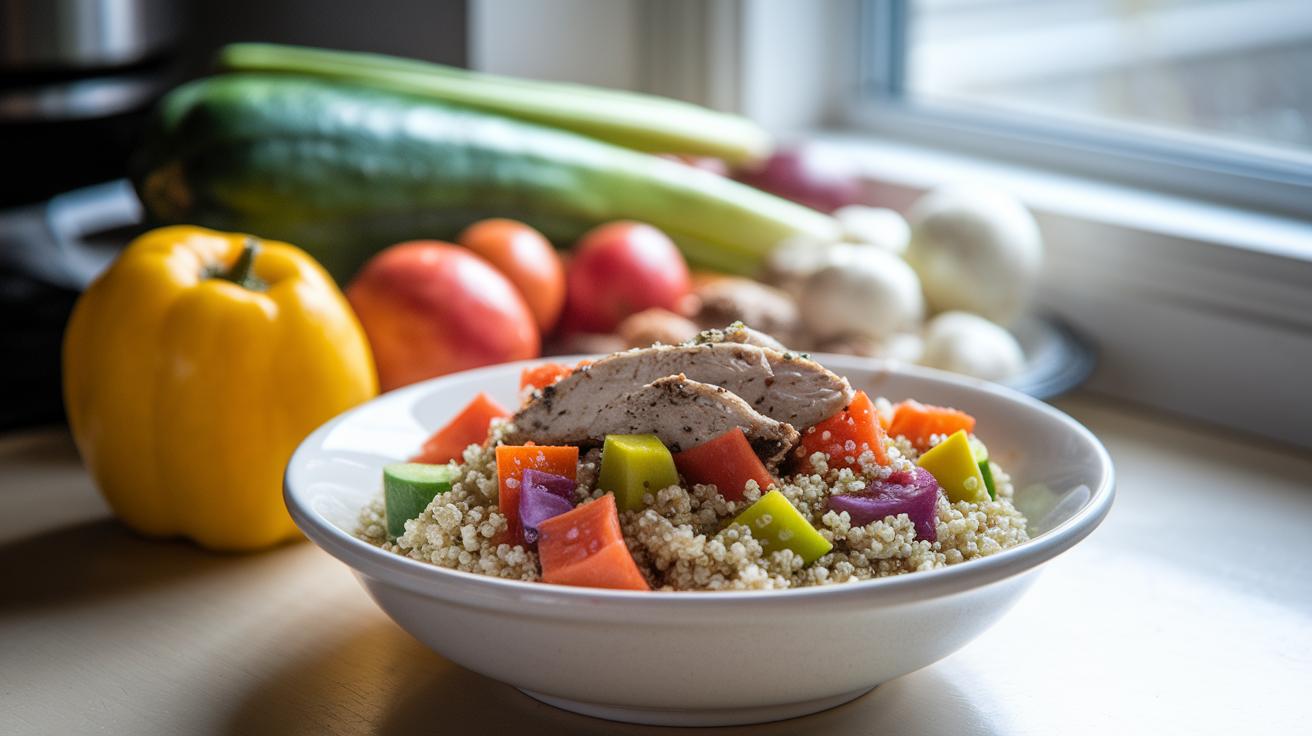
Right after your workout, your body is ready to rebuild, so it’s important to refuel it quickly. Try having 20–40 grams of protein (the essential blocks for muscle repair) within 30 minutes along with some carbs. Think of a warm quinoa bowl with veggies and chicken or a slice of peanut butter toast with an apple. This kind of meal gives your muscles the nutrients they need to recover fast.
Next, consider adding anti-inflammatory (helps reduce swelling and pain) and antioxidant-rich foods to your recovery plan. Omega-3 foods, like wild-caught salmon, chia seeds, and walnuts, help calm inflammation. Meanwhile, colorful berries and leafy greens are packed with antioxidants (natural compounds that fight stress) to ease exercise-induced stress. And don’t forget to hydrate, sipping about 8 oz of water every 15–30 minutes during exercise keeps your body nourished and refreshed.
Also, some supplements might lend an extra hand with recovery. Creatine, for instance, supports muscle energy (helping your muscles bounce back) while glutamine assists in keeping your muscle cells well-hydrated for smoother repair. Mixing these supplements with whole foods can cover all corners of your muscle healing process, making you feel confident and ready for your next workout.
Active Recovery Techniques to Improve Muscle Recovery
Active recovery is more than just light exercise. Instead of only moving gently, you might try a massage routine that uses firm yet soothing pressure. A self-massage, for example, can ease deep muscle tension and help your muscles repair.
Think about switching up the timing and effort in your recovery. Rather than sticking with your usual light activities, experiment with a focused massage routine or a slow foam rolling session afterward. Spend about 20 minutes easing tension in one area at a time.
- Gentle yoga: Slow yoga sessions ease tight muscles and help you focus on deep, calming breaths.
- Light walking: A relaxed walk gets your blood flowing, delivering helpful nutrients to tired muscles.
- Foam rolling: A quick foam rolling session softens muscle knots, letting you control the pressure based on your comfort.
- Massage therapy: Regular massage sessions, whether self-applied or done by a professional, ease deep tension by adjusting pressure gradually.
Optimizing Rest Days to Improve Muscle Recovery

Taking good rest days is like giving your muscles a chance to recharge. Try to set aside one or two days each week just for recovery. On these days, do something light like gentle stretching or a calm foam rolling session (foam rolling is a way to massage your muscles). It helps keep the blood flowing without putting too much strain on your body.
Sometimes you might feel especially tired after hard workouts. When that happens, give yourself one to three extra days off so your body can mend and grow stronger. This simple routine helps your muscles repair, keeps your workout schedule balanced, and even helps prevent injuries.
Remember, quality sleep is a big part of this recovery process. Aim to get seven to nine hours of good sleep every night. Sleep helps control your hormones (natural chemicals in your body) and rebuild your muscle tissue. Think about the calm of a quiet evening that gets you ready for a peaceful night’s sleep and another great day of exercise.
Also, keep an eye on how hard you’re pushing yourself. If you feel overworked, try calming activities like light stretching or a few relaxation exercises on your off days. By dedicating time to relax and getting enough sleep, you support your muscle repair and build a routine that lets you safely keep challenging yourself.
How to Improve Muscle Recovery with Cooldown and Cryotherapy Techniques
After your workout, give yourself a little time to wind down. Spend about 10 to 15 minutes doing something light like a gentle jog or a brisk walk. This helps ease your breathing and blood flow, and it lets your body transition comfortably from intense exercise to a calm recovery.
Once you slow down, focus on stretching the main muscle groups, think legs, back, chest, and shoulders. Hold each stretch for around 20 to 30 seconds. These static stretches are like a mini reset for your muscles, easing tension and stiffness while paving the way for healing.
Now, here’s a cool trick: try adding cryotherapy to your routine. Simply put, cryotherapy means using cold to help your body recover. Within 30 minutes after exercising, you might take a cold shower for about 3 to 5 minutes or even try an ice bath for around 10 minutes. This cold immersion can help reduce inflammation and ease muscle soreness.
Another option is contrast therapy. This involves switching between warm and cold water. It’s like giving your circulation a gentle nudge to clear out the buildup of waste from your muscles. When you mix a structured cooldown with these cryotherapy techniques, you create a supercharged routine that speeds up your healing process.
- Light aerobic warm-down: Start with 10 to 15 minutes of a gentle jog or brisk walk.
- Targeted static stretches: Hold stretches for the major muscle groups for 20 to 30 seconds.
- Deep breathing: Focus on slow, controlled breaths as you stretch.
- Cold shower: Rinse with cold water for 3 to 5 minutes to help cut down inflammation.
- Ice bath: Consider soaking in an ice bath for about 10 minutes to ease muscle soreness.
Supplementation and Hydration Tips to Improve Muscle Recovery
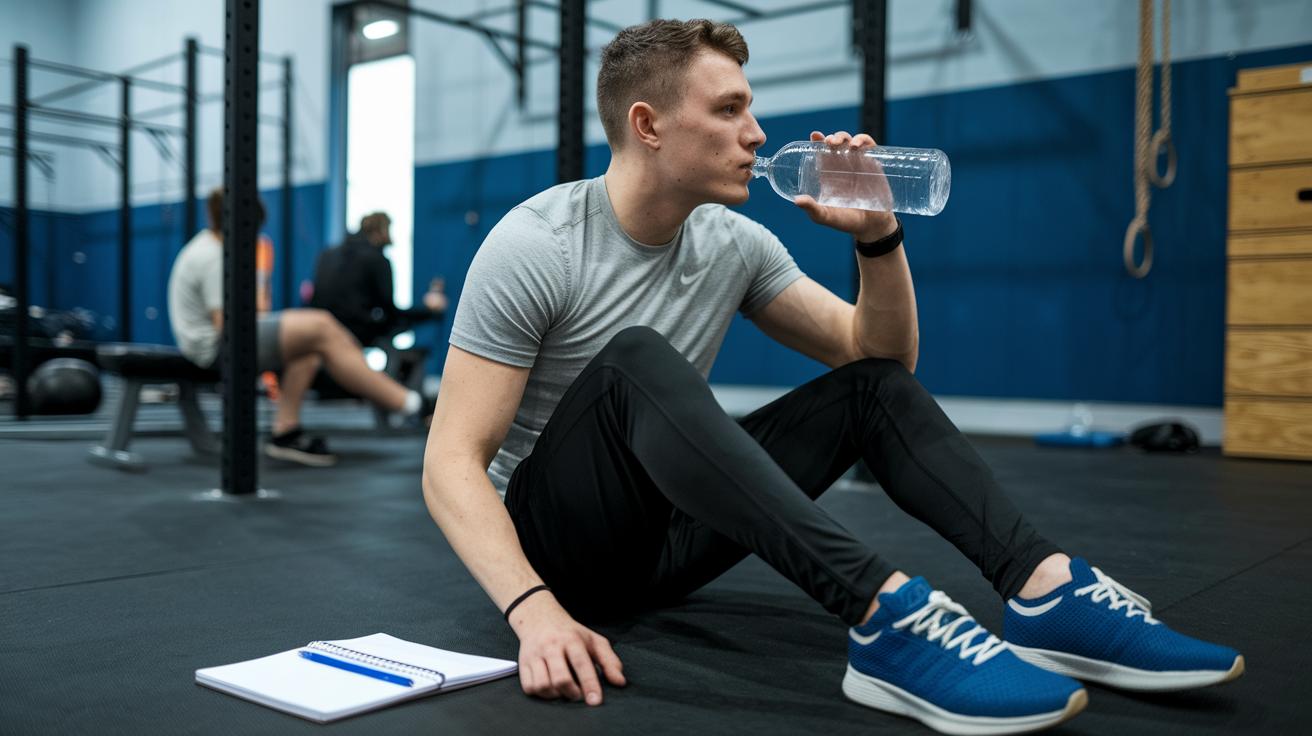
Staying properly hydrated is key to helping your muscles repair. Try to sip about 8 oz of water every 15 to 30 minutes during exercise, and adjust if you're sweating a lot. It's like giving your body a steady refill of good fuel, which works hand in hand with sound nutrition.
BCAAs (branched-chain amino acids, which are special building blocks for your muscles) add a neat boost for muscle repair and can ease that nagging soreness after a workout. Think of them as a quick, refreshing treat for your muscles, kind of like a cool drink on a hot day. They differ from supplements such as creatine (a compound that helps with strength and muscle-building) and glutamine (an amino acid that promotes recovery).
Mixing certain supplements can further speed up recovery. For example, taking 3 to 5 grams of creatine daily along with a 5-gram dose of glutamine right after your workout complements your overall nutrition plan nicely. Adding Omega-3 fish oil into the mix can help reduce inflammation (swelling and irritation), giving your muscles extra support as they rebound.
It’s a good idea to use NSAIDs (pain relievers like ibuprofen) sparingly since they might slow down your muscle’s natural healing process. By combining these targeted supplements with proper hydration and balanced nutrition, you build a recovery plan that naturally and effectively helps repair and strengthen your muscles.
Tracking Progress to Improve Muscle Recovery
Keeping track of your progress is a smart way to adjust your recovery steps. After every workout, take a moment to rate how sore or tired you feel on a scale from 1 to 10. This little check-in helps you see how your body is coping with the workout, and it reminds you to give yourself enough time, about one to three days, so your body can mend and bounce back.
It’s important to notice things like how heavy your workout was, whether you got a good night's sleep, and if you ate nourishing food. Jotting down these details right after your session can be as quick and easy as scribbling in a notebook. For instance, if you feel extra sore on days when you miss sleep or skip that balanced meal, it’s a friendly nudge to tweak your routine a bit. Have you ever felt like some days you might need an extra break? Trust your body!
Also, watch out for using painkillers too often. They can hide the important signs your body is sending you when it needs rest. By keeping a close eye on your progress and tweaking your recovery plan based on what you notice, you end up with a routine that feels just right and helps you avoid setbacks.
Final Words
in the action, this article outlined practical steps to boost muscle repair. We explored ways to refuel with smart nutrition, add gentle active recovery, and optimize rest for healing. Techniques like cooldown routines, cold treatments, and proper hydration paired with essential supplements came into play too. We even touched on tracking progress so you can fine-tune your routine. Each piece of advice helps illustrate how to improve muscle recovery and brings you closer to a balanced, energetic lifestyle every day.
FAQ
What muscle recovery supplements are recommended?
The muscle recovery supplements include BCAAs (branched-chain amino acids, which support protein synthesis), creatine, glutamine, and omega-3 fish oil, all of which help reduce inflammation and support repair.
How can I recover sore muscles faster and improve muscle recovery from exercise?
Recovering sore muscles faster means combining good nutrition, hydration, and active recovery like light stretching after exercise to help refuel muscles and ease discomfort.
How does muscle recovery time vary by age?
Muscle recovery time by age often increases as we grow older since our bodies repair more slowly, meaning younger individuals typically bounce back faster than seniors.
How can I get rid of sore muscles overnight?
Getting rid of sore muscles overnight may be achieved through a proper cooldown routine, gentle stretching, and ice application, with a warm bath or light massage adding extra relief.
What causes poor muscle recovery?
Poor muscle recovery is often caused by factors such as insufficient rest, inadequate nutrition, dehydration, and overtraining, which all hinder the body’s natural repair process.
What are the 4 R’s of recovery?
The 4 R’s of recovery are rest, rehydration, refueling, and relaxation, each playing a key role in giving your muscles the time and resources needed to heal properly.
What is the fastest way to heal a muscle and speed up recovery?
The fastest way to heal a muscle involves a mix of proper rest, balanced nutrition, hydration, and active recovery techniques like light movement or foam rolling to boost circulation.

