
Have you ever wondered if your post-workout shake really helps fix your muscles? Whey protein acts like a repair crew, quickly rushing in to mend those tiny muscle tears. Imagine your muscles getting a speedy tune-up so you can feel better sooner. This fast protein, filled with amino acids (the tiny building blocks of protein), soaks into your body almost as quickly as a sponge drinks up water. Today, we'll show you how whey protein boosts muscle strength and eases soreness, making your workouts even more effective.
How Whey Protein Enhances Muscle Repair
Whey protein is a top-notch protein from milk that works fast to help repair your muscles after a workout. It's loaded with essential amino acids (the basic building blocks of protein) which get to work mending tiny tears in your muscles almost immediately. Imagine having a mini repair crew on call right when you need it, it helps you bounce back faster.
The magic of whey protein lies in how quickly it's absorbed. When you have it after exercise, your body soaks up those amino acids like a sponge soaking up water. This speedy process kick-starts muscle protein synthesis (that’s just a simple way of saying your body starts building new muscle), so the torn fibers get the care they need right away. It’s like getting a quick boost of nutrients exactly where they're needed, which can ease soreness and speed up recovery.
Because it delivers nutrients so quickly, whey protein is a fantastic choice for rebuilding muscles. Not only does it fix little tears, but it also refills your muscles with all they need to grow stronger over time. Think of it as a repair system that not only patches you up but also makes you more powerful with every use. Adding whey protein to your routine can really change the game when it comes to muscle recovery and ongoing strength training.
Timing and Dosage Recommendations for Rapid Recovery

Usually, one scoop of whey protein gives you about 26 grams of protein, which fits neatly into most recovery plans. In other words, most scoops provide between 20 and 30 grams, helping your body repair well. So, have your shake within 30 minutes of finishing your workout. Many athletes say that sticking to this 30-minute rule speeds up recovery. This quick intake helps kick-start muscle protein synthesis (the process of building new muscle), which repairs tiny muscle tears and gets you ready for your next workout.
Drinking your whey shake right after exercising is like refilling your car’s fuel tank after a long drive, it keeps everything running smoothly. It can ease soreness (delayed onset muscle soreness, or DOMS) and speed up the recovery process between sessions. This means less pain, fewer rest days, and more time enjoying what you love about exercise.
Key Benefits of Whey Protein After Exercise
After a workout, giving your body the right fuel is important, and whey protein can help with that. It offers fast, high-quality protein that supports the repair of tiny muscle tears while speeding up overall recovery. Essentially, it jump-starts the process of building new muscle (muscle protein synthesis).
Imagine squeezing in a quick whey shake after exercise. It might help your muscles feel less sore and even reduce that stiff feeling that sometimes slows you down. Many athletes notice less post-workout discomfort when they add whey protein to their routine, almost like their muscles are getting a little extra care.
Whey protein also plays a big role in developing lean muscle. It helps boost muscle protein synthesis, which means your muscles can get stronger over time, one workout at a time.
And there’s more! This protein is not just about muscles. It works to replenish important nutrients you lose during exercise and even supports your immune system with helpful components like immunoglobulins and lactoferrin (natural immune boosters). Plus, many whey formulas contain helpful enzymes, such as lactase and proteases, which break down proteins and lactose (the sugar in milk) into smaller bits your body can easily absorb. That means less chance of upset tummies during recovery.
For those seeking gut comfort, some whey products include probiotics, good bacteria that help you absorb nutrients better and reduce bloating after a tough session. With as much as 4 billion colony forming units (CFU) in some blends, they create a smooth digestive experience.
All these benefits combine to offer a natural recovery boost. By enjoying a whey protein shake after your exercise, you're not only mending your muscles but also giving your body a little extra help to stay healthy and strong.
Whey Protein Isolate for Accelerated Muscle Healing
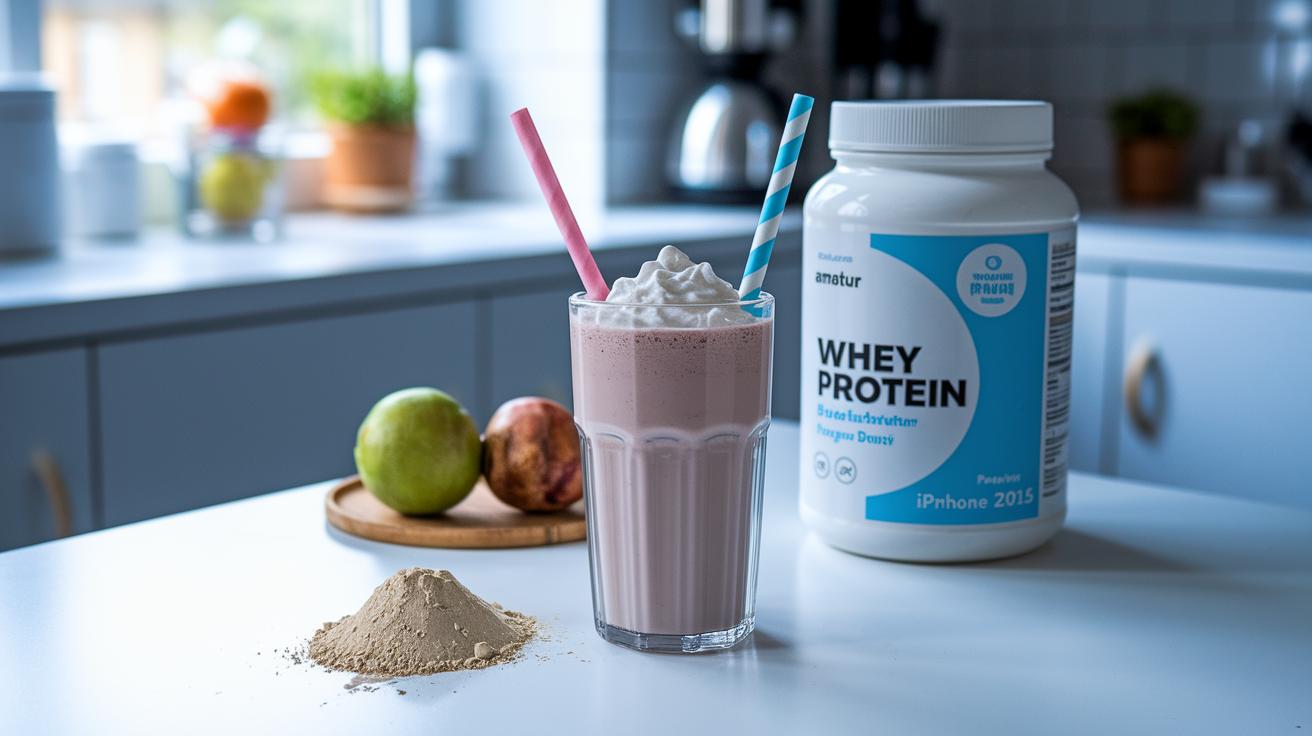
Whey protein isolate is a clean, efficient way to help your muscles recover. Over 90% of it is pure protein with very little lactose (milk sugar), so your body gets exactly what it needs without extra fillers slowing things down. Think of it like a speedy train that rushes right to your muscles, giving you that refreshing boost just when you need it.
Many brands pack about 26 grams of protein per serving and add 4 billion CFU probiotics (a count of live, helpful bacteria) to support a healthy gut. This means your system can better absorb nutrients, helping you feel vibrant and strong. Prices usually range from ₹4,274 to ₹8,098, depending on the brand and extra goodness each product brings.
Advanced Formulations: Enzymes and Probiotics in Whey Shakes
Modern whey shakes pack in top-quality protein along with smart digestive helpers like lactase and proteases. These enzymes (that speed up reactions) break down lactose and proteins into smaller pieces, making digestion smoother and helping your body absorb nutrients faster. This means you’re less likely to feel any tummy troubles.
Plus, these shakes include about 4 billion units of probiotics that balance your gut and boost nutrient uptake. And there’s more: immune-supporting proteins like immunoglobulins (the antibodies) and lactoferrin team up to calm inflammation and aid muscle recovery. It’s like giving your body a little extra help after a good workout!
| Ingredient | Purpose |
|---|---|
| Lactase | Breaks down lactose to ease digestion |
| Proteases | Pre-digests proteins into smaller, absorbable pieces |
| Probiotics (CFU) | Helps balance gut health for better nutrient uptake |
| Immunoglobulins | Boosts immune function and reduces inflammation |
Considerations When Using Whey Protein for Muscle Recovery
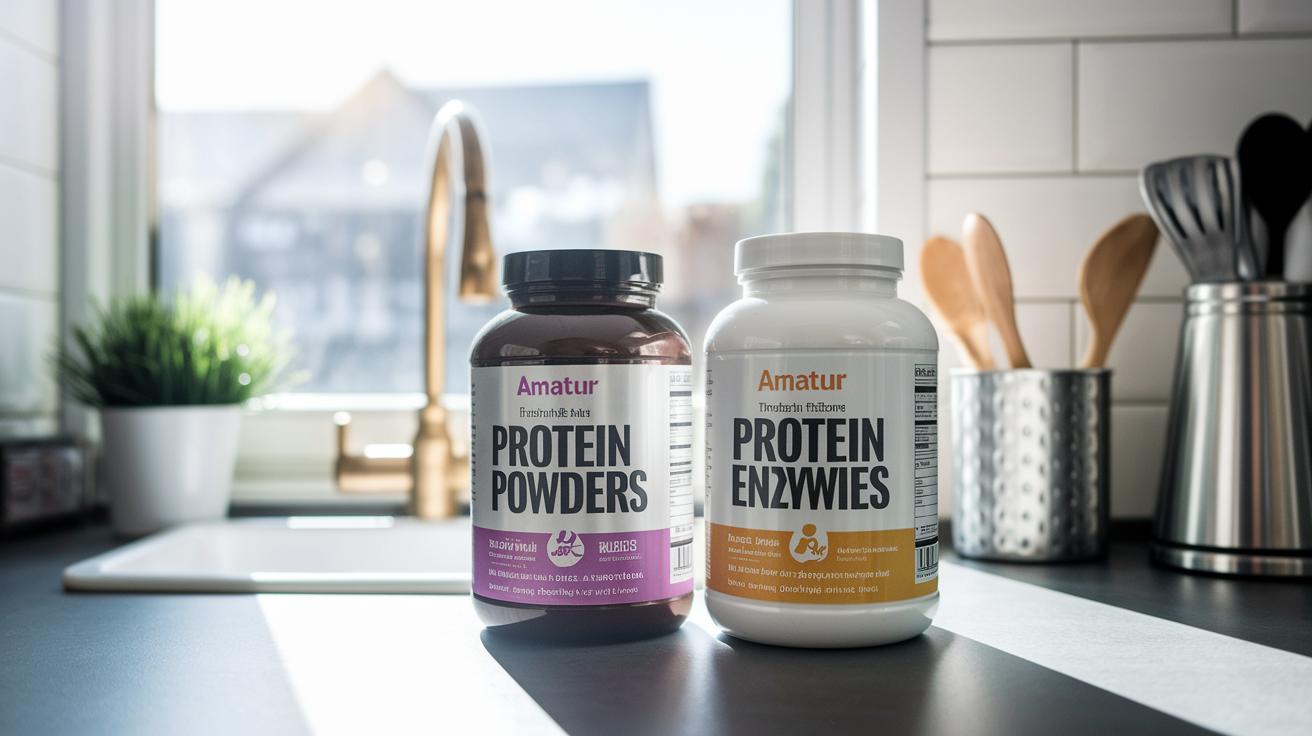
Sometimes whey protein without extra digestive enzymes can cause bloating or gas. Look for products that include enzymes like lactase (which helps break down milk sugar) and proteases (which help break down proteins). Also, check if the whey is cold-processed. When it’s made with less heat, more natural enzymes stay active, which might make it easier on your tummy.
Think about your workout routine and how active you are. If you work out hard, you might want a whey protein that keeps more of its natural, active proteins intact. Just keep in mind that some options, like whey isolates, can be a bit pricey, ranging from ₹4,274 to ₹8,098.
Here’s a quick checklist to help you pick the right whey protein:
| Step | What to Do |
|---|---|
| 1 | Check the label for added digestive enzymes and processing methods. |
| 2 | Read reviews for clear info about the ingredients. |
| 3 | Match the product to your workout intensity and routine. |
| 4 | Try a small serving first to see how your body reacts. |
Final Words
In the action, we explored how whey protein works at a molecular level to help repair microscopic muscle tears after workouts. We looked at timing and dosage tips that support muscle building and reduce soreness, along with smart ingredient blends that boost absorption and gut health.
Each tip supports a balanced approach to post-exercise nutrition and helps you bounce back faster. Keep incorporating whey protein for muscle recovery for a more resilient, active lifestyle.

