
Have you ever wondered how vitamins help your muscles bounce back after a hard workout? Think of them as little helpers that recharge your muscles, just like a battery.
When you eat, your body turns food into energy, and vitamins play a key role in that process (it’s like using fuel to power up your body). In this post, we’ll look at four important vitamins that help ease soreness and repair muscles deep inside your cells.
Adding these natural nutrients to your routine might just be the boost you need to recover quicker and stay strong.
Essential Vitamins for Muscle Recovery
Vitamins are like little helpers that turn the food you eat into the fuel your muscles need to bounce back. They act as coenzymes (helpers that speed up chemical processes) to change carbohydrates, fats, and proteins into ATP (an energy molecule that powers your body). Think of it as recharging a battery – just as your phone runs on power, your muscles rely on ATP to rebuild after you’ve pushed them hard. Picture a cyclist grabbing a healthy snack that kick-starts energy production exactly when it’s needed.
Antioxidant vitamins are also key players, shielding your muscles from the wear and tear that comes with exercise. For instance, vitamin C neutralizes free radicals (unstable molecules that can cause damage) produced during tough workouts, helping to ease muscle strain. Meanwhile, vitamins A and D lend a hand to your immune system, especially after those heavy training sessions. Imagine enjoying a colorful salad loaded with citrus fruits and leafy greens – it’s not only refreshing but also works to protect your muscle cells as you recover.
On a deeper level, vitamins help repair muscles right at the cell level by assisting in DNA synthesis (the process of creating new cell instructions), cell signaling (communicating messages that trigger repair), and hormone production. These steps are essential for rebuilding muscle tissue and keeping your cells healthy and strong. When your cells get the right signals to repair and grow, your muscles recover faster and become better prepared for your next challenge. It’s a natural team effort that makes sure your body gets back to its best, time and time again.
How Antioxidant Vitamins Support Muscle Soreness Relief

Vitamin C is like a friendly firefighter for your muscles after a hard workout. When you exercise intensely, little troublemakers called free radicals (unstable molecules that can harm your muscles) start to form. Vitamin C jumps in to neutralize these radicals, easing muscle strain much like a calming breeze after a storm.
Then there’s vitamin E, gently protecting the walls of your cells. It stops a process called lipid peroxidation (when fats in your cell membranes break down), which can lead to inflammation and that tight, sore feeling. Think of vitamin E as a soft cushion that makes the recovery feel more comfortable, like settling into a well-worn armchair after a long day.
When combined with beta-carotene, a plant-based form of vitamin A that safely supports your body, these vitamins create a strong defense team. They work together to lower stress and inflammation in your muscles, helping them heal with less soreness. This means you can bounce back faster, ready to enjoy your next workout with renewed energy.
Vitamin D and B-Complex: Key Players in Muscle Repair
Vitamin D and B-Complex vitamins work together like a great team to help your muscles bounce back after exercise. Vitamin D is key for building strong muscle cells and grows even better when you get a little sunshine. Meanwhile, B vitamins like riboflavin (B2), B6, B9, and B12 help turn your food into ATP (the energy your body uses) so your muscles can repair themselves. They also play a big part in breaking down protein and boosting blood flow, which helps rebuild muscle fibers and ease that post-workout soreness.
| Vitamin | Role in Recovery |
|---|---|
| D | Helps muscle cells grow and stay strong |
| B2 (Riboflavin) | Turns carbs into ATP; helps ease soreness |
| B6 | Assists in protein breakdown; improves blood flow |
| B9 (Folate) | Supports new tissue growth and cell division |
| B12 | Aids in making DNA and forming red blood cells |
When all these vitamins work together, they set up your body for better muscle repair from the inside out. Riboflavin helps turn food into energy while vitamin B6 improves the flow of nutrients to your muscles. Folate and B12 support new cell creation and ensure that oxygen reaches your muscles efficiently. Mixing these vitamins into your daily meals can speed up recovery and help you get stronger, workout after workout. Isn’t it amazing how a little extra care can give you such big rewards?
Supporting Nutrients and Coenzymes to Enhance Muscle Recovery
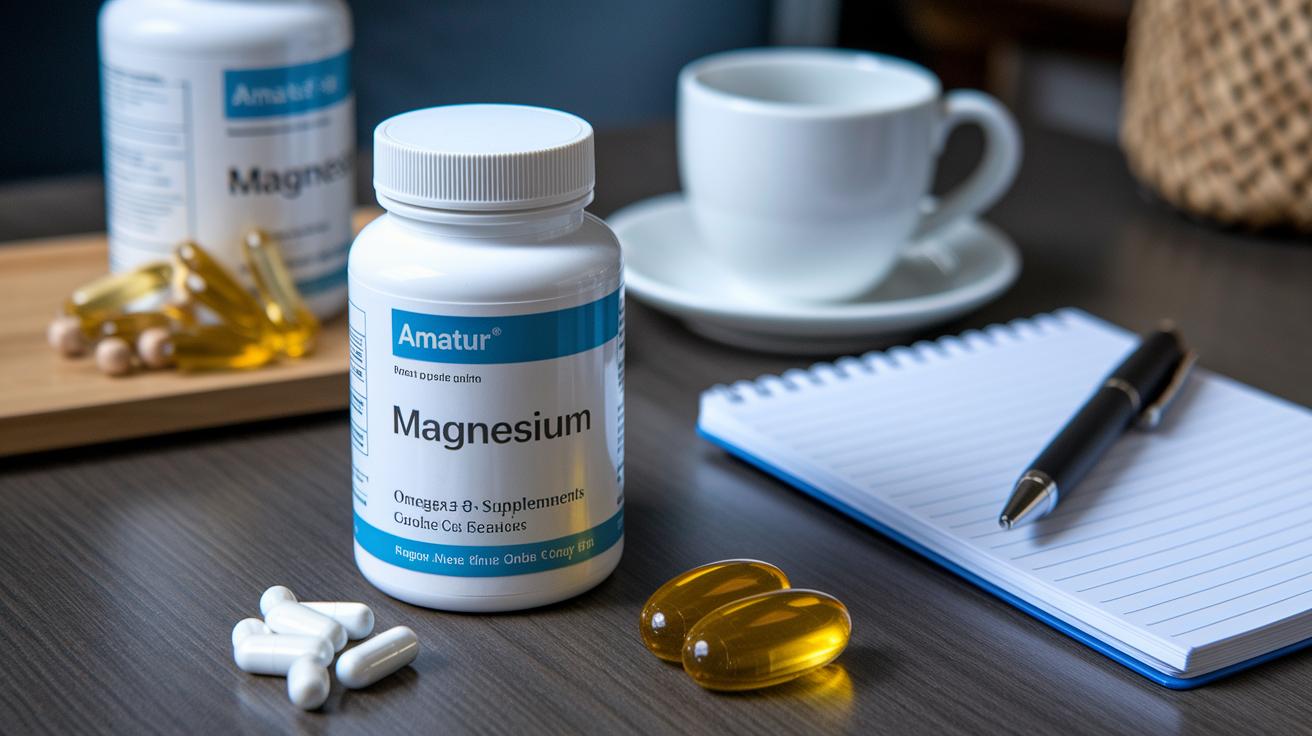
Magnesium for Muscle Relaxation and Sleep Quality
Magnesium, found in forms like glycinate and citrate, is great for helping your muscles relax and can even improve your sleep quality. Research shows that taking magnesium after a workout may lower muscle soreness, especially after a tough bench press session. It does this by calming your muscle contractions and easing tension, which helps your body recover as you sleep.
Omega-3 Fatty Acids for Inflammation Control
Omega-3 fatty acids, such as EPA and DHA (types of healthy fats), play an important role in reducing inflammation and keeping your cell membranes in good shape. They help manage muscle stiffness and keep your tissues flexible, easing the discomfort that can follow an intense workout. These fats support your body’s own anti-inflammatory response, making them really helpful for anyone leading an active lifestyle.
Creatine, Glutamine, and NAD+ in Cellular Repair
Creatine acts like a helper by refilling ATP (the energy molecule in your cells), which speeds up muscle repair and boosts your performance. Glutamine is another key nutrient, especially important since its levels can drop after heavy training; it helps maintain muscle mass and supports gut health. Meanwhile, NAD+ (a molecule that activates essential repair enzymes) kicks in to power up cellular repair so your muscles can rebuild. All these nutrients, working together with recovery vitamins, help energize your muscles and speed up overall recovery.
Dosage Recommendations and Safety Considerations for Recovery Vitamins
Recommended Daily Intakes and Upper Limits
When you add vitamins to help your muscles recover, it's important to stick to safe amounts. For example, vitamin C should not go over 2,000 mg a day since too much might upset your stomach. Vitamin D is best kept under 4,000 IU daily because too many can raise your blood calcium (a condition called hypercalcemia). Vitamin E also matters, so aim to stay below 1,000 mg each day to avoid affecting your blood's ability to clot. Vitamin B6 is vital for turning food into energy and helping your body repair, but it should stay under 100 mg every day to prevent nerve issues over time. On the bright side, vitamin B12 is very gentle on the body, with no strict upper limit, so it's easy to include in your routine. Keeping these numbers in mind helps you choose your supplements confidently.
Monitoring Safety and Avoiding Interactions
It's a smart move to keep an eye on how your body reacts when you start new vitamins. Always think about your own health and any conditions you might have before changing your routine. If you're using several supplements together, sometimes they can affect each other. For example, too much vitamin E might reduce how well vitamin K works in helping your blood clot. Paying attention to how you feel can guide you in adjusting your doses. And if you're unsure, chatting with a healthcare professional who understands your overall health can be really helpful.
4 vitamins for muscle recovery: Energize Your Repair

After a workout, when you take your vitamins matters a lot. Try taking vitamin C and vitamin E within 30 minutes to help your body calm down those pesky free radicals (unstable molecules that can harm cells).
Vitamin D works best when you eat it with a meal that has healthy fats, especially in the morning. And don’t forget your B-complex vitamins, they pair perfectly with carbs to turn your meal into the energy your body needs after exercise.
Imagine a post-workout plate full of tangy citrus fruits, crisp leafy greens, and a serving of fatty fish, all balanced with a supplement that packs a nutrient punch. It’s like giving your muscles the extra boost they need right when they’re ready to heal.
To really get the most out of your vitamins, remember to focus on your overall recovery routine. Getting 7–10 hours of sleep and drinking plenty of water helps your body soak up all those nutrients.
Maybe add a gentle stretching session or a protein shake after your workout to further support your muscle repair. Isn’t it nice to know that by taking these simple steps, you’re paving the way for a day where every part of you feels cared for and energized?
Final Words
In the action, we explored how vitamins work as little helpers, turning food into the energy needed for muscle repair and boosting enzyme activity. We saw antioxidant vitamins calm down exercise stress while D and B-complex support muscle growth and cell repair. Nutrients like magnesium and omega-3 also play a part by easing tension and inflammation.
Together, these insights show that proper use of vitamins for muscle recovery makes a big difference. Keep moving forward and enjoy every step of staying active and healthy.
FAQ
Which supplements are best for easing muscle pain, stiffness, fatigue, and aiding injury recovery?
The best supplements for easing muscle pain and stiffness include creatine, omega-3 fatty acids, magnesium, and glutamine. They work to reduce inflammation, replenish energy, and support muscle healing.
Which vitamins support muscle growth, recovery, weakness, and joint pain?
Vitamins such as D, B-complex, C, and E support muscle growth and recovery by boosting energy production, reducing oxidative damage, and promoting joint health for balanced post-workout care.
Which vitamin helps in muscle recovery?
Vitamin D helps muscle recovery by promoting muscle cell growth and strength. It supports energy pathways and, together with B vitamins, enhances overall muscle repair.
What helps muscle recovery quickly?
Quick muscle recovery relies on proper nutrients like vitamin C and E after workouts, alongside adequate rest and hydration. This mix rapidly reduces inflammation and fuels the repair process.

