
Ever noticed how some athletes bounce back quickly after a tough workout? It might be thanks to magnesium, an essential mineral (it helps your muscles relax and repair). Think of magnesium as a supportive coach, easing muscle cramps and helping you regain your energy.
Even a small boost in your magnesium intake can ease those pesky cramps and keep you feeling energized. In this post, we'll take a closer look at how magnesium works hand in hand with other nutrients to keep your muscles strong and ready for your next challenge.
How Magnesium Supports Muscle Recovery
Magnesium is a key mineral for helping your muscles bounce back after a workout. It supports more than 300 natural processes in your body, from making your muscles contract (tighten) and relax to building proteins and giving your cells energy through ATP (the fuel your cells run on). It works closely with nutrients like calcium and vitamin D, ensuring your muscles can shift smoothly from working hard during exercise to calming down afterward.
Here are some ways magnesium helps:
- Balances how muscles contract and relax by blocking extra calcium
- Fuels your cells by supporting ATP production
- Helps build and rebuild muscle through protein synthesis
- Eases muscle tension, promoting a smoother recovery
- Reduces cramping and spasms after intense workouts
Only about 20–55% of the magnesium you consume is absorbed at once. Splitting your doses or taking magnesium with meals can boost absorption, so your muscles get the steady repair they need. This approach is ideal for anyone wanting consistent muscle recovery and ongoing strength during and after a good workout.
Evidence for Magnesium in Reducing Cramps and Soreness
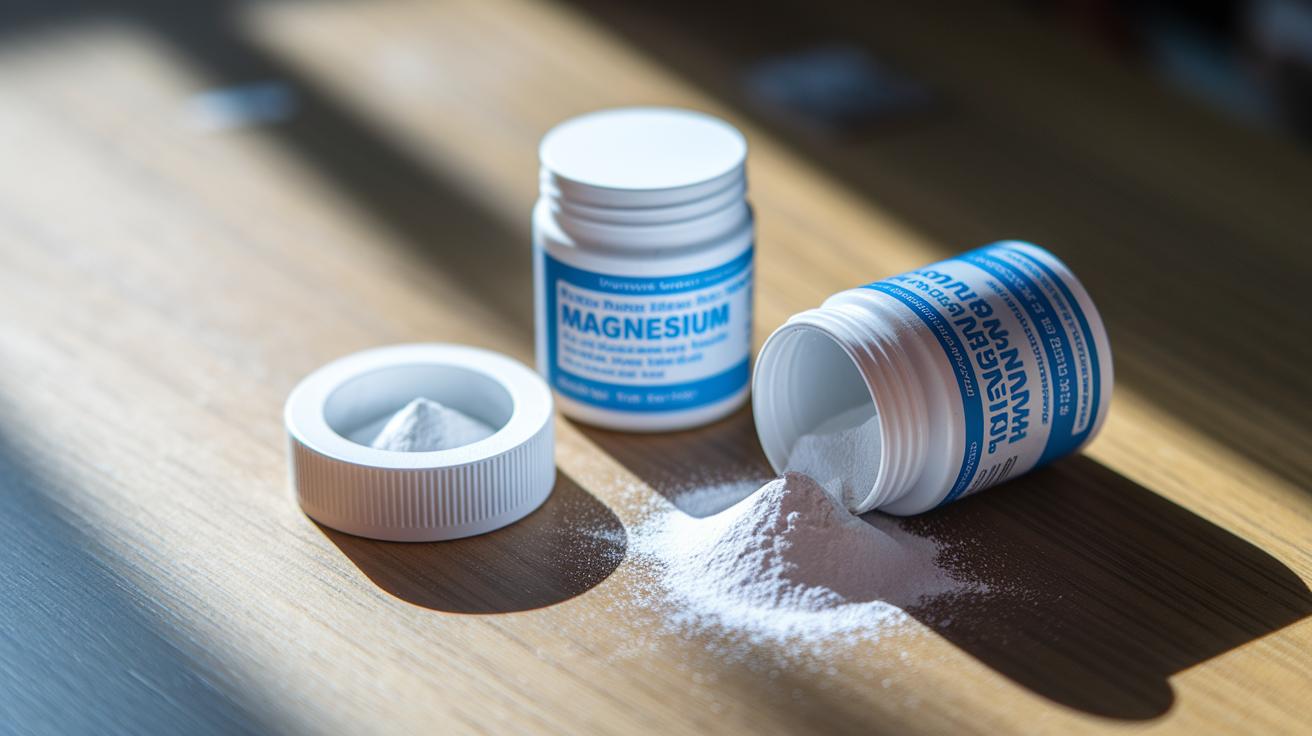
After a strong workout, you might notice a few pesky cramps and soreness that just won't quit. It’s that sharp, nagging feeling in your muscles that makes it hard to keep up with your daily routine. Magnesium is here to help by reducing muscle tension after you push your body hard, making it easier for your muscles to relax.
| Form | Recovery Benefit |
|---|---|
| Magnesium Chloride | Great in baths to soothe sore spots and ease spasms |
| Magnesium Sulfate | Helps reduce cramps and lessen that stiff feeling in muscles |
| Magnesium Citrate | Easily absorbed to support smooth muscle relaxation and speedy recovery |
Research shows that many people, even those who eat a variety of foods, don’t get enough magnesium. This shortfall can make you more prone to those annoying cramps and extra soreness after a workout. If you’re serious about feeling your best after exercise, making sure you get enough magnesium through your meals or supplements is a smart idea. Have you ever felt that extra bounce in your step when your body gets the care it needs? Keeping up with magnesium, whether through leafy greens, nuts, or seeds, can really help keep your muscles happy and your training on track.
Choosing the Best Magnesium Supplement Forms for Recovery
Magnesium Citrate
Magnesium citrate is a favorite among those looking for quick muscle repair. It gets absorbed by your body fast (about 25 to 30 percent), so you can feel its benefits sooner. Many athletes swear by it, saying it helps their muscles relax after a tough workout, much like giving your body a gentle, refreshing break.
Magnesium Glycinate & L-Threonate
If you prefer a gentler approach, magnesium glycinate and l-threonate might be the right fit. Magnesium glycinate is great for supporting a good night’s sleep and easing stress (stress is your body’s way of reacting to tough situations), which in turn helps your muscles heal. L-Threonate might even give your brain a little boost, making overall recovery smoother. Imagine winding down after a busy day, feeling that soft, calming breeze that eases away the tension.
Topical Forms (Chloride & Sulfate)
Sometimes, you might want relief right where it hurts. Topical magnesium forms like chloride and sulfate let you target those sore spots directly. They’re perfect for adding to your Epsom salt bath or using as a spray on tired muscles. Think of it as dipping your aching feet into cool water after a long run, a soothing touch that goes straight to the areas needing extra care.
Magnesium Malate
Magnesium malate is another smart option, especially if muscle pain and fatigue are getting in your way. It works by helping to clear out the tired feeling (thanks to its malic acid, which tackles the lactic acid that builds up during exercise). Picture it as a gentle nudge that wipes away lingering exhaustion, leaving you refreshed and ready for your next adventure.
With all these options, you can pick the magnesium supplement that fits perfectly with your workout routine and recovery style. Enjoy exploring what works best for you!
Optimal Dosage and Timing for Workout Recovery

Most adults need about 310 to 420 mg of magnesium every day. It might surprise you to learn that while your blood test numbers (0.75 to 0.95 mmol/L) seem normal, most of your magnesium is stored in your bones. That means your muscles might need a little extra boost, especially if you're very active or have an especially busy lifestyle. Everyone is different, so your actual needs might change with age, gender, or overall health.
A neat tip is to break up your magnesium into smaller doses. For example, taking 200 mg in the morning and another 200 mg in the evening helps your body absorb it better while keeping your stomach happy. It’s a good idea to take your magnesium about one to two hours before or after a meal. This timing lets your body soak up as much as it can, giving your hardworking muscles the support they need for a smoother recovery.
Potential Side Effects and Safety Tips for Magnesium Use
When you take more magnesium than your body needs, it can upset your stomach. You might feel symptoms like diarrhea, nausea, or even stomach cramps. Sometimes, after a really good workout, you could notice these signs if you take too much, reminding you of that time a friend said, "I took an extra dose and ended up with a queasy belly!"
To keep things safe and steady, try not to exceed 350 mg of supplemental magnesium each day. Adults should stick to this limit to avoid any discomfort. And if you have any kidney issues or other health concerns, it's a good idea to ask a healthcare professional for advice because your body might not clear magnesium as easily. By following this careful approach, you can enjoy magnesium’s help with muscle recovery while keeping unwanted side effects at bay.
Incorporating Magnesium into a Holistic Recovery Regimen

When you mix magnesium with wholesome foods and plenty of water, you're creating a simple yet powerful blend for muscle repair. Try pairing your magnesium supplement with foods like leafy greens, nuts, seeds, beans, and whole grains to naturally boost your intake. Add a little help from balanced electrolytes and vitamin D, and you’ve got a quiet recipe that supports both your muscles and bones. Imagine diving into a crunchy salad and sipping on a cool electrolyte drink, each bite and sip working together to ease your muscles after a hard workout.
Bringing magnesium into your nightly routine can also help you catch better sleep after exercising. Its calming effects help ease your mind and body into a relaxed state, giving your muscles just the right time to repair and rebuild. Picture relaxing at night, knowing that every peaceful moment in sleep is quietly working to aid your recovery. This simple blend of nutritious food, proper hydration, and smart sleep habits creates a natural recovery plan that gets you back to feeling strong and energized for your next active day.
Final Words
In the action, we broke down how this essential mineral boosts muscle function, helping ease tension, balance contractions, and support overall repair with targeted dosing and timing. We saw how combining it with hydration, wholesome foods, and rest creates a smoother workout rhythm. Small tweaks in your routine can truly make a difference. Embrace this natural support and celebrate every step toward a healthier, balanced lifestyle with magnesium for muscle recovery.
FAQ
Q: What is Magnesium Glycinate?
A: The magnesium glycinate is a form of magnesium bonded with glycine that supports muscle relaxation and improves sleep. It is gentle on the stomach, making it a popular choice for recovery.
Q: How does magnesium help with muscle recovery and sleep?
A: The magnesium helps with muscle recovery and sleep by easing muscle tension and promoting relaxation. It assists in calming the mind and supports restful sleep, which is key for muscle repair after workouts.
Q: When should I take magnesium for muscle recovery?
A: The magnesium is best taken 1–2 hours before or after meals to boost absorption. Splitting the dose can reduce stomach discomfort and offer steady support for muscle recovery throughout the day.
Q: Which type of magnesium is best for muscle relaxation and recovery?
A: The magnesium best for muscle relaxation and recovery includes forms like glycinate and citrate. Glycinate is gentle and sleep-supportive, while citrate is known for its effective muscle-relaxing properties.
Q: What is the recommended magnesium dosage for muscle pain?
A: The magnesium dosage for muscle pain typically aligns with adult recommendations of 310–420 mg per day, with split doses helping to minimize gastrointestinal issues while supporting overall muscle repair.
Q: What do people say about magnesium for muscle recovery on Reddit?
A: The conversations on Reddit show that many users experience reduced muscle soreness when using magnesium. They share practical tips on dosage, timing, and pairing it with hydration for improved recovery.
Q: How does magnesium support muscles and nerves?
A: The magnesium supports muscles and nerves by helping transmit signals properly and relaxing muscle contractions. This aids in preventing cramping and maintaining smooth neuromuscular function.
Q: How does a magnesium bath assist with muscle recovery?
A: The magnesium bath aids muscle recovery by allowing absorption through the skin. This method relaxes tight muscles and soothes soreness, often using Epsom salts for added benefits.
Q: Can magnesium help with muscle repair?
A: The magnesium helps with muscle repair by playing a role in protein synthesis and energy production. It balances muscle contractions and relieves cramps, contributing to overall workout recovery.
Q: How much magnesium should be taken for muscle recovery?
A: The recommended magnesium for muscle recovery is generally between 310 and 420 mg daily for adults. Splitting doses with meals can improve absorption and support effective recovery.

