
Ever thought a sip of water might do more than just quench your thirst? It might actually help your muscles bounce back faster.
Water kick-starts the repair process by boosting protein synthesis (the way your body rebuilds muscle tissue) and helps wash away the tired waste. Drinking plenty before, during, and after your workout cools you down and keeps your muscles strong.
In this article, you'll see how staying hydrated can lift your performance and speed up recovery. Each gym session becomes a step toward feeling your very best.
Hydration for Muscle Recovery: Key Physiological Roles
Every time you take a sip of water, you're fueling your muscles to repair themselves. Water kick-starts protein synthesis (the building of new muscle fibers) and helps wash away metabolic waste like lactic acid. Imagine your body as having a hardworking cleaning crew that fixes tiny tears in your muscles, making them stronger and more ready for your next run or workout.
Water is also your body's natural air conditioner. Our bodies are mostly water, about 55 to 65 percent, and every little cell needs it. When you exercise, you start to sweat, and that water evaporates to cool you down. Plus, your breathing and digestion systems rely on having just the right amount of fluid, so you can keep moving without overheating.
When you’re low on water, things start to go off balance. Your blood volume drops, making your heart work harder, and your blood pressure can rise. Without enough water, waste products pile up and important nutrients struggle to reach your muscle cells, which can slow down recovery. So, stay well hydrated, it keeps your heart steady and your muscles replenished, turning every workout into another step toward feeling your best.
Optimal Hydration Timing and Strategy for Muscle Recovery
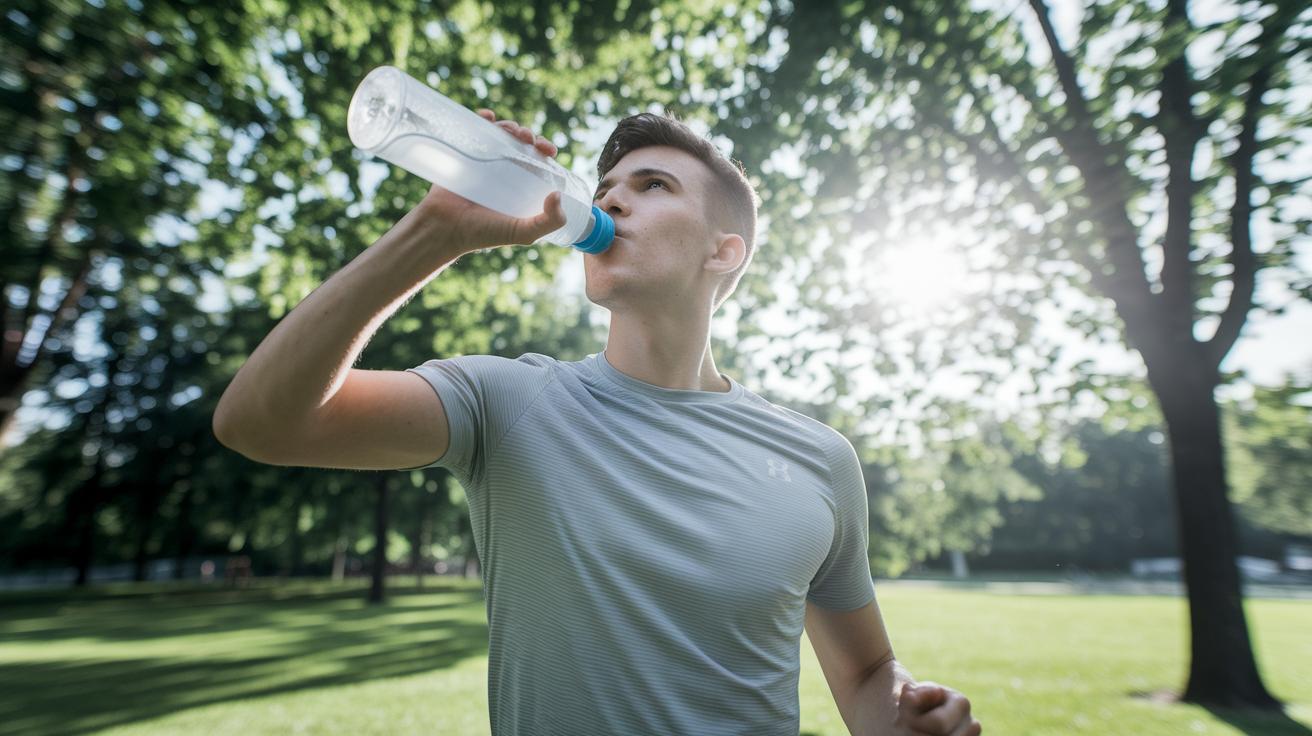
Before you jump into your workout, try to drink 8 to 16 ounces of water about two hours ahead. This helps loosen up your muscles so they’re ready to work hard.
During your session, keep a small water bottle nearby and take small sips of about 7 to 10 ounces every 10 to 20 minutes. This steady trick replaces the water you lose when you sweat and keeps you feeling fresh.
When you’re done, aim to drink 16 to 24 ounces in the first 30 minutes. If you notice a drop of about a pound (which is roughly a pint of water lost), try to drink another 16 to 24 ounces. This routine helps clear out extra waste and bumps up your muscle recovery so that you really feel the improvement.
Remember, your water needs can change with your size, how intense your workout is, and even the weather. Eight cups a day is a good start, but if you’re a bit heavier or exercising on a hot, humid day, you might need more. A handy tip is to drink about half an ounce of water for each pound you weigh. This simple method keeps you at your peak and feeling great throughout your fitness journey.
Hydration for Muscle Recovery: Choosing the Right Fluids
When it comes to helping your muscles bounce back, plain water is the simple go-to. It keeps everything working smoothly by keeping your muscles nicely hydrated. But sometimes, after a tough workout, water alone might not cut it. That's when commercial electrolyte drinks can step in. These drinks mix in a bit of sodium (helps keep your body balanced), potassium (aids in muscle function), and even magnesium (supports muscle health) to replace what you lose in sweat. Many athletes even use smart bottles like the WaterH Smart Bottles (24 oz), Boost (32 oz), or Vita (18 oz) to track their water intake while getting that extra electrolyte boost. It’s a smart way to keep you refreshed and ready for your next session.
If you’re leaning more towards a natural option, think about whipping up a homemade or plant-based drink. Imagine mixing water with a quarter teaspoon of salt, one tablespoon of sugar or honey, and a splash of citrus juice for a bright, refreshing taste, that’s a real treat after a hard workout. Coconut water is another fantastic pick because it naturally brings in potassium and magnesium, giving you a light and soothing recovery. And if you’re cutting calories, try versions sweetened with stevia or monk fruit. These choices let you tailor your post-exercise drink, whether you need the power of commercial sports drinks for a heavy workout or prefer a gentle, homemade blend.
| Beverage | Key Electrolytes | Typical Sodium per Serving (mg) | Best Use |
|---|---|---|---|
| Water | , | 0 | Baseline hydration |
| Sports Drink | Na⁺, K⁺ | ~110 | High-intensity sessions |
| Homemade Mix | Na⁺, K⁺, Mg²⁺ | 100–150 | Post-sweat workouts |
| Coconut Water | K⁺, Mg²⁺ | ~20 | Light recovery or vegan |
Hydration for Muscle Recovery: Practical Post-Workout Tips
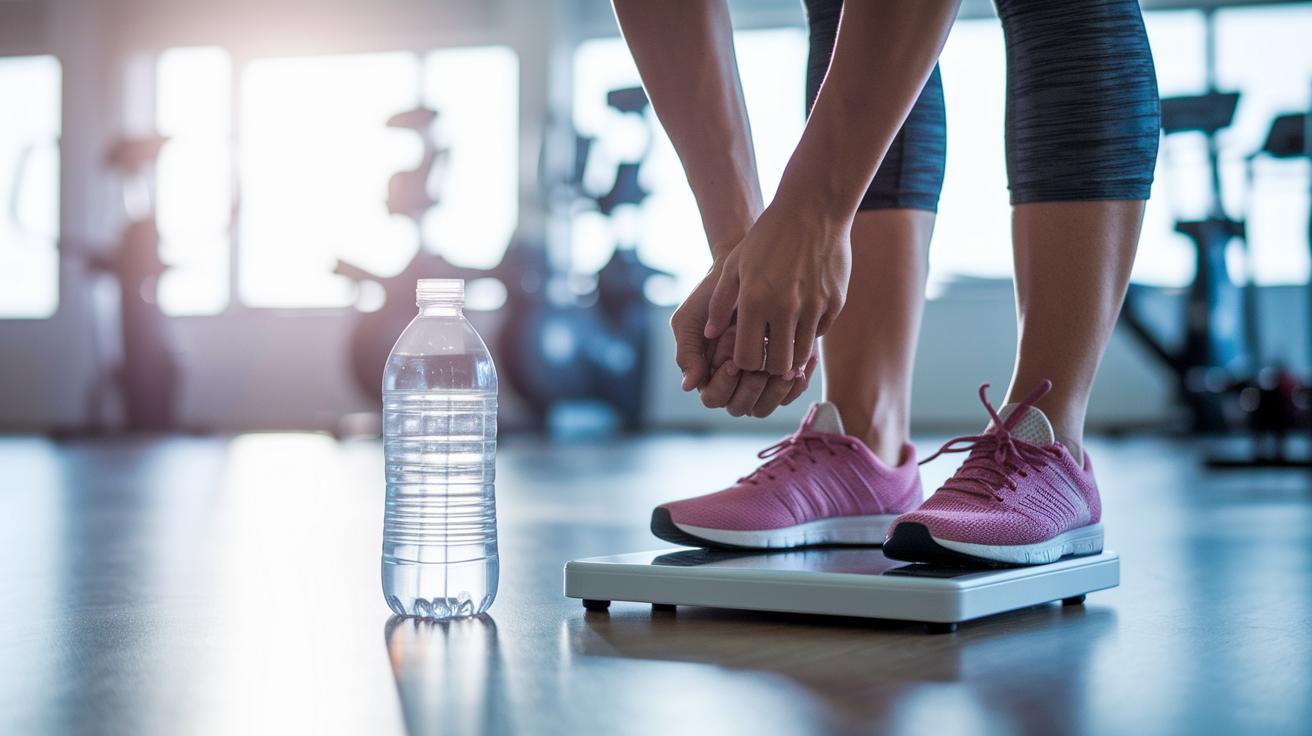
After a good workout, it’s key to stay on top of your hydration so you can feel your best. A simple trick is to check your weight before and after you train to see how much water you lost. I like setting a phone reminder too, so I remember to take little sips along the way. It’s a bit like tweaking your favorite smoothie, just a little change can make everything more refreshing.
Next, try adding a slice of citrus or a handful of berries to your water. It brings a light, natural flavor without loading you up on extra sugar. And if you’ve been sweating a lot, consider switching to a drink that has a small, balanced hit of sodium (a mineral that helps keep your body working well). This way, your body gets the right kind of fuel to bounce back.
Here’s a quick guide to keep you on track:
- Weigh yourself before and after training to see how much water you lose.
- Set an hourly phone reminder to take small sips.
- Add citrus slices or berries for a natural, refreshing taste.
- After heavy sweating, choose a drink that includes a balanced amount of sodium.
- Alternate between plain water and low-calorie electrolyte options to keep it fun.
Monitoring Hydration for Consistent Muscle Recovery
Keeping track of your water intake has never been easier with smart hydration trackers or mobile apps. These tools let you log every sip, so you know you’re hitting your fluid goals. A quick, friendly reminder? Just check your urine, it should look like a pale straw. When it’s light, you’re doing great because your water is helping repair and refresh your muscles. If it looks darker, it might be time to add a few more sips to your day.
Remember to adjust how much you drink depending on how hard you work and the weather outside. On a hot day or during an intense workout, you’re likely losing extra fluids with sweat. Experts recommend drinking water in ounces equal to half your body weight, so if you weigh 140 pounds, aim for about 70 ounces. When the air is humid or your energy feels low, a little extra water can boost your muscle power and keep you feeling at your best.
Final Words
In the action, we broke down hydration's role in muscle repair and waste clearance, shared tips for pre-, during, and post-workout fluid intake, and compared beverage choices to support recovery. Each section offers clear advice aimed at maintaining body water balance and protecting your heart and muscles.
Remember, a simple shift in fluid intake can boost hydration for muscle recovery and keep you feeling strong. Embrace these tips and enjoy every step of feeling better and living well!

