
Have you ever thought a simple shake could speed up your recovery? A protein shake gives your muscles the building blocks (amino acids, the parts that repair and build your muscles) right when you need them most.
Imagine finishing a hard workout and feeling your muscles get a quick tune-up. That satisfying refresh and easing of stiffness happens as your body fills up on energy reserves (glycogen, which is stored energy) so you’re ready for the next session.
It might sound bold, but having a protein shake right after exercising can really help you bounce back faster and build stronger muscles.
How Protein Shakes Accelerate Muscle Recovery
Protein shakes give your body the amino acids it needs (amino acids are the building blocks that help fix muscles) to start the healing process after a tough workout. They also help rebuild your muscles and refill the energy stored in them (that stored energy is called glycogen). This little drink not only eases muscle stiffness but makes you all set for your next gym session.
When you work out, your muscles get tiny tears. A protein shake helps fix those tears fast by supplying the right nutrients. After a heavy leg day, for example, a good protein shake can soothe soreness much quicker than waiting for your body to heal on its own. It’s like having a natural boost that eases discomfort and builds strength.
Remember, having a protein shake right after your workout is a smart move, but eating the right amount of protein throughout the day is what really builds muscle. Whether you like animal-based or plant-based protein, this simple drink makes it easier to hit your daily goal. Over time, this steady support helps your muscles recover better, leaving you ready for your next energizing session.
Protein Shake Types for Effective Muscle Repair

When you're looking to help your muscles bounce back after a workout, the type of protein in your shake really matters. Take whey protein, for example, it’s absorbed super fast and is packed with essential amino acids (the nutrients your muscles need to rebuild). Think of it like a quick pit stop for your body, giving your muscles the kick they need right after exercise. Fun fact: whey can start working in just a few minutes, kind of like a burst of fuel that gets you moving again.
Then there's casein protein, which is like a slow-release helper for your muscles. It takes its time to digest, steadily offering amino acids over a longer period. This makes it a great pick for those moments when you need lasting support, like a calming evening snack that works through the night to keep your muscles nourished.
If you're leaning toward a plant-based lifestyle, protein from sources like soy or pea is a solid option. These proteins are complete, meaning they provide all the amino acids your body needs, though they work a bit differently from whey. A little tip: choose a protein shake that not only tastes good but also meets your dietary goals, whether you're going for whey for quick recovery or a vegan choice that fits your lifestyle.
| Protein Type | Absorption Rate | Best For |
|---|---|---|
| Whey | Fast | Immediate muscle repair |
| Casein | Slow | Sustained muscle support |
| Plant-Based | Moderate | Vegetarian or lactose intolerant diets |
Optimal Protein Shake Dosage and Timing for Recovery
Getting your protein intake right makes a big difference in how quickly your muscles bounce back after exercise. It turns out that the total protein you have throughout the day matters more than having your shake right after your workout. Think of it like slowly refilling your car's gas tank over time instead of waiting for just one big top-up.
A good rule of thumb is to aim for about 0.36 grams per pound of your weight (or 0.8 grams per kilogram) each day. For many people, that means about 20 to 30 grams per shake. When you spread this amount out over your meals, it comes to roughly 0.6 to 0.9 grams per pound for the whole day. For instance, if you weigh 150 pounds, try to enjoy protein from both shakes and meals evenly to support natural muscle repair.
Isn't it interesting? A recent study even showed that whether you have your shake before or after exercising, there’s almost no difference in muscle growth. This really underscores that simply meeting your daily protein needs is what counts for proper muscle healing.
Some folks like to blend their protein shake with fruits or even a bit of oats. This not only packs in extra nutrients, it also creates a tasty, satisfying treat after a workout. So, experiment a bit and see what mix helps your body feel strong and happy.
Key Recovery Shake Ingredients for Muscle Healing

Protein shakes for healing muscles pack a real nutritional punch. They’re loaded with essential amino acids like leucine (a key building block for muscle repair) and BCAAs (short for branched-chain amino acids, which help start the muscle-building process). It’s like handing your muscles a handy repair kit just when they need it most.
Carbs are a big part of the picture too. They help fill up glycogen (that's the stored energy in your muscles) so you can bounce back after your workout with less fatigue. Picture mixing in a burst of fruit, like the sweet and juicy flavor of a ripe mango, to give your shake an extra energy boost.
Some shakes even include peptides, electrolytes, and antioxidants to help keep you well-hydrated and to ease inflammation. These ingredients work together like a strong team, speeding up recovery and cutting down on post-workout discomfort.
| Ingredient | What It Does |
|---|---|
| Essential Amino Acids (like leucine) | Help repair and build muscle |
| Carbohydrates | Replenish glycogen to boost energy |
| Peptides, Electrolytes, and Antioxidants | Support hydration and reduce inflammation |
This balanced blend turns a simple drink into a nutrient-packed recovery shake, setting you up for strength and healing each day.
protein shakes for muscle recovery: Boost Strength Today
Try a creamy banana-peanut butter whey shake for a quick boost after a tough workout. Mix one scoop of whey protein (that gives you 20–30 grams of protein, which helps build and repair muscles) with half a cup of banana slices, eight ounces of water or milk, and a spoonful of peanut butter. You can also stir in a pinch of BCAAs (amino acids that support muscle recovery) or some greens powder if you like. Fun fact: a simple banana-peanut butter shake can feel like a mini muscle celebration after pushing yourself hard.
Next, enjoy a refreshing pea protein blend that helps speed up healing. Blend one scoop of pea protein (a plant-based protein for muscle repair) with half a cup of mixed berries and eight ounces of almond milk or water. It delivers a sweet and tangy kick along with natural carbs to help refill your energy.
Then, wind down with a comforting chocolate-casein shake before bed. Stir one scoop of casein protein (a slow-digesting protein that works overnight) into eight ounces of milk, mix in half a cup of your favorite fruit such as cherries or banana, and add a dash of cocoa powder for a rich flavor. If you want, toss in a little extra greens powder to power up the nutrients.
Need more ideas? Check out healthy smoothie recipes for additional inspiration.
Comparing Protein Shakes: Top Brands for Recovery
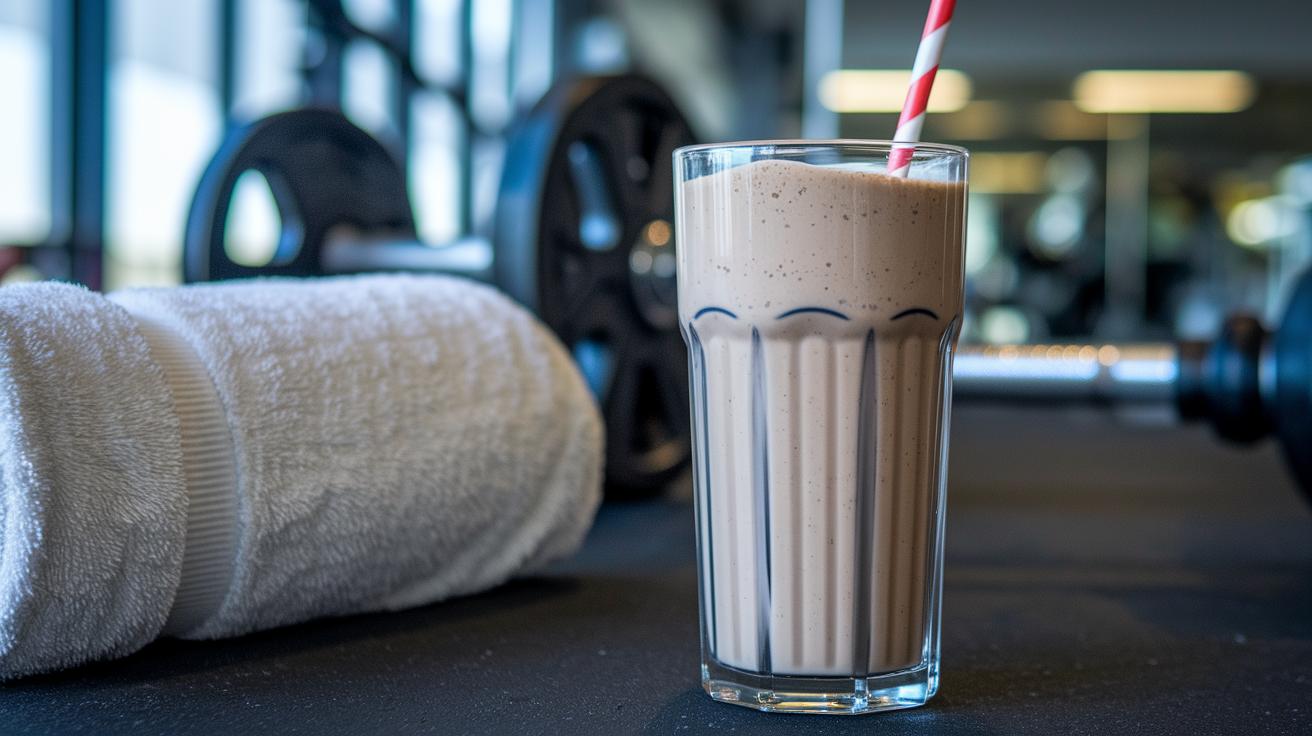
When you're looking for a good protein shake to help your muscles recover, top brands usually deliver science-backed blends that pack about 20 to 30 grams of protein per serving. These shakes are made with a complete mix of amino acids (the little helpers that repair muscles) to give you a smooth recovery after a hard workout. One example is the Genetic Nutrition shake. It combines whey protein, which works fast to give you a quick boost right after exercising, with casein, which slowly releases amino acids over time to keep your muscles happy. If you notice a creamy texture and a rich, satisfying taste, you’re probably enjoying a well-made recovery drink.
When comparing different shakes, keep an eye out for a few simple factors. First, check how much protein is in each serving. Next, see if the shake offers a balanced mix of amino acids for muscle repair. Then, think about how good it tastes and how easily it mixes. And don’t forget to look for any extra goodies like carbohydrates or BCAAs (branched-chain amino acids, which help muscle rebuilding).
| Brand | Protein per Serving | Highlight |
|---|---|---|
| Genetic Nutrition | 20–30 g | Balanced whey and casein blend |
This friendly guide can help you choose the recovery shake that fits right into your healthy routine and supports your workout goals.
FAQs on Protein Shakes for Muscle Recovery
Q: What does recent research reveal about shake timing?
A: Recent studies suggest that hitting your daily protein target is more important than sticking to a strict post-workout window. Imagine enjoying little sips of protein throughout your day instead of waiting for one big moment right after exercise. It’s a relaxed way to keep your muscles well-fed and ready.
Q: How can protein shakes support intensive training days?
A: On heavy training days or when you’re watching your calories, protein shakes are a simple way to add extra protein without a lot of extra calories. Think of it like a compact meal that helps maintain your muscle strength without weighing you down.
Q: What recent evidence challenges common shake myths?
A: New findings show that you don’t have to rush to make a protein shake immediately after your workout to help with recovery. Instead, spreading out protein intake across your meals can offer your muscles steady support. It’s like giving your body a consistent supply of building blocks throughout the day.
Q: Are there effective options for those with dairy sensitivities or vegan preferences?
A: Yes, indeed. For anyone who’s sensitive to dairy or prefers a vegan option, plant-based protein shakes made from pea or rice protein can be just as effective. These shakes often include natural digestive aids that help your body absorb nutrients gently, making them a friendly and approachable option for everyone.
Final Words
In the action, this post broke down how protein shakes can ease muscle repair after your workouts. It explored different shake types, smart dosage tips, and even fun DIY recipes to support your recovery plan. We talked through key ingredients that help rebuild muscle and even compared top brands on the market, all with a friendly, easy-to-follow vibe. Remember, protein shakes for muscle recovery can become your go-to tool for hitting your fitness goals and feeling great. Keep fueling your progress and stay inspired!
FAQ
What are the best protein shakes for muscle recovery and can they be made at home?
The best protein shakes for muscle recovery deliver essential amino acids to boost repair, reduce soreness, and can easily be made at home using quality protein powder mixed with fruits and your choice of liquid.
Does whey protein help muscle soreness and recovery?
Whey protein helps muscle soreness and recovery by providing fast-absorbing amino acids that spark muscle protein synthesis (the process of building muscle), which speeds up the repair process after exercise.
What is a good recovery protein shake recipe?
A recovery protein shake recipe mixes one scoop of protein (whey or plant-based), half a cup of fruit for natural sugars, and eight ounces of water or milk; it’s a balanced blend to support muscle repair.
What are the effects of protein supplements on muscle function recovery?
Protein supplements boost muscle function recovery by supplying key amino acids needed for tissue repair, reducing muscle stiffness, and supporting strength gains when paired with a balanced diet.
What is the best protein for muscle repair?
The best protein for muscle repair is one with a full amino acid profile; whey is well-liked for its quick absorption, while casein or plant-based proteins offer a steadier release of nutrients.
What is the 2 hour protein rule?
The 2 hour protein rule suggests having protein within two hours of exercise to help muscle repair, although overall daily protein intake is more crucial for effective muscle recovery.
Should I drink protein if my muscles are sore?
Drinking protein when muscles are sore can help ease the discomfort by providing the building blocks for muscle repair and preparing your muscles for the next workout.
What is protein powder and how is it used in recovery?
Protein powder is a concentrated form of protein from dairy, plants, or other sources, mixed into shakes or smoothies to deliver vital amino acids that support muscle repair after exercise.

