
Have you ever wondered if a simple foam tube might be the secret to a faster recovery? Many athletes trust foam rolling (a gentle self-massage technique) to ease muscle tightness and boost flexibility. It’s like smoothing out a wrinkled shirt; each slow roll helps melt the tension away.
Before you start a workout, foam rolling warms up your muscles, making them ready for action. And after your exercise, it clears away stiffness and leaves you feeling light and refreshed. Spending just a few minutes rolling can really spark speedy relief.
In truth, a foam roller might be just the tool you need to stay strong, move freely, and enjoy a balanced, active lifestyle.
foam roller for muscle recovery sparks speedy relief
Foam rolling is a simple way to massage out those tight muscles using a foam tube. It works by applying gentle pressure along your muscles and connective tissues (the soft tissue that surrounds muscles, bones, and joints). With each slow roll, it's like smoothing out wrinkles in fabric, easing knots and discomfort. It feels calming, just like a relaxing massage that helps your muscles unwind and regain their natural stretch.
You can fit foam rolling into your workout routine in a few different ways. Many people roll out their muscles before exercise to wake them up and boost blood flow, getting their body ready for some action. Others use it after a workout to help clear out the build-up of waste in their muscles and reduce stiffness. Even on days off, a quick roll on the calves or ankles can really ease tight spots and keep your muscles happy and mobile.
Experts like physical therapists and athletic trainers recommend foam rolling for easing muscle soreness, if you do it right. They suggest starting with light pressure and slowly increasing it, all while keeping an eye on your form. Roll slowly and steer clear of pressing directly on joints or bony spots; this keeps you safe. By following these simple tips, foam rolling can quickly ease tension and help you maintain strong, flexible muscles.
Key Features to Look for in the Best Foam Roller for Recovery
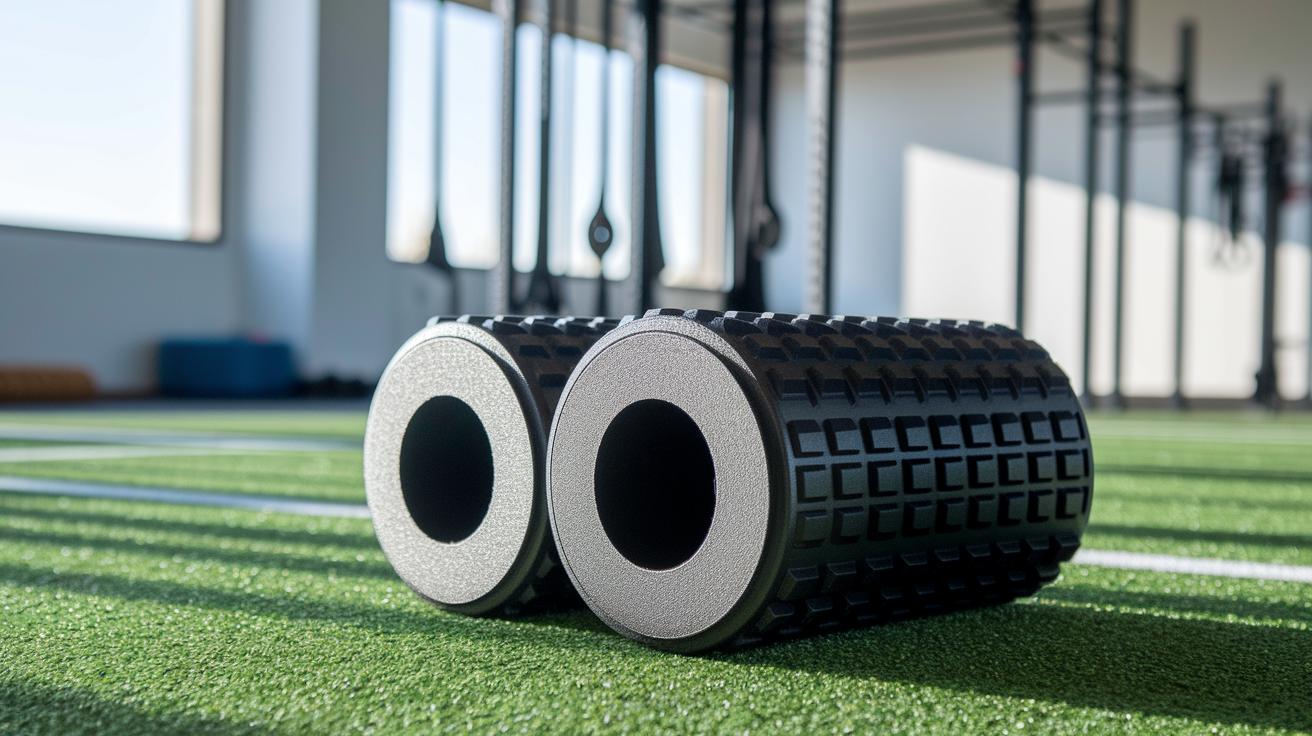
Foam rollers come in different densities to suit your recovery needs. Low-density foam rollers give a soft, gentle massage that can ease lighter muscle tightness, while high-density foam rollers (often made of EVA, which is a sturdy foam material) provide a deeper, more intense massage to target stubborn knots. It’s a bit like choosing between a light touch and a strong press for a massage, you get to pick what feels best for you.
Length matters too. A 12-inch roller is perfect for small muscle groups and provides good control when you want to focus on a specific area. On the other hand, longer rollers (up to 36 inches) work well for larger muscle groups like your back or legs. Shorter sizes are easier to carry around, but the extra-long ones offer full-body support. So, think about what fits best with your workout routine and your available space.
The texture on your foam roller can also change the whole experience. Smooth rollers give you an even, comfortable roll across your muscles. But if you need to zero in on tight spots, options with grid or ridged textures can help target those trigger points for extra relief. While the cost might change with different designs and build qualities, investing in a durable foam roller can really pay off in the long run. Try a few types to see which one helps your muscles feel the best.
Choosing the Right Foam Roller Density and Material for Recovery
When you start foam rolling, it's important to pick a roller that matches your activity level. If you’re just beginning, a soft roller made from low-density polyethylene or gentle EVA (a spongy material) can help ease your tight muscles without too much pressure. As you get more comfortable, a medium-density roller works great, and if you’re a seasoned athlete, you might prefer a high-density roller or one with a PVC core (a tougher plastic) for deeper muscle relief. Think of it like choosing between a soft cushion and a sturdy massage board when you need some muscle relief.
The material of your roller also makes a big difference in how it feels and lasts. For instance, closed-cell EVA has a firmer touch, while polyethylene is very bouncy, and a hollow-core PVC roller is light and easy to carry. These options let everyone from gym newbies to people doing physical therapy find the perfect match. Imagine a lightweight PVC roller that slips right into your gym bag, ready for when you're on the go.
Keeping your foam roller clean is super important. After every workout, just take a few moments to wipe it down with mild soap and water and check for any wear. This little routine not only keeps your roller in great shape but also ensures it stays safe and hygienic for your next session.
Foam Rolling Techniques for Major Muscle Groups
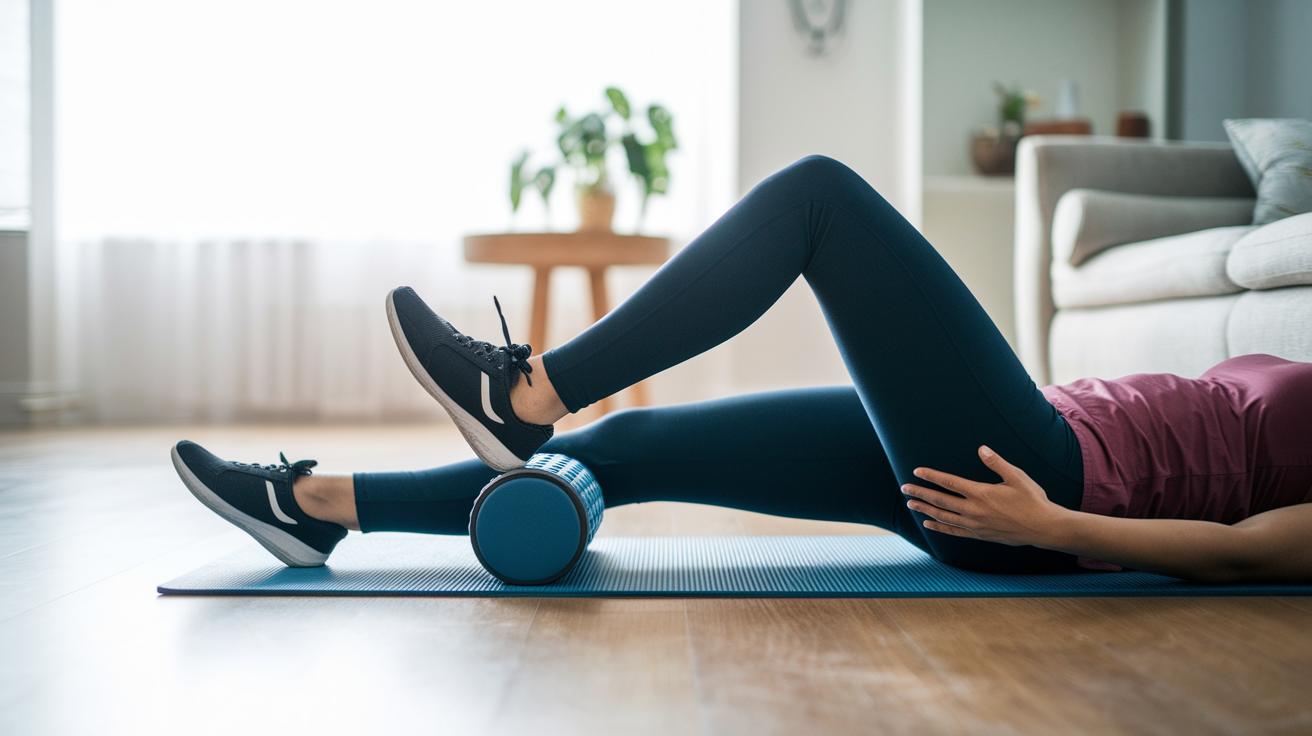
For your calves, start by lying flat on the floor with your legs stretched out. Gradually roll from your heel up to your knee, spending about 30 to 60 seconds on each side. Imagine smoothing out a crumpled piece of fabric, each gentle pass helps ease discomfort in your ankle and foot.
When working on your hamstrings, bend your knee slightly and position the foam roller around the middle of your thigh. Roll upward toward your glute, pausing on any tender spots. It’s like untangling a stubborn knot in a scarf, where that soothing pressure gradually eases the tightness in your back of the leg.
For the IT band, lie on your side so that the foam roller rests along the outer part of your thigh. Slowly guide the roller from your hip down to your knee, but do steer clear of any bony areas. This side-lying technique helps relieve the tension on your outer thigh, much like carefully smoothing out a crease on your favorite fabric.
To target your upper back, try a cross-armed position with the foam roller positioned between your shoulder blades. Roll gently with controlled pressure, allowing the movement to relax your muscles and even help clear your breathing. Think of it as a gentle massage that lets all the tension drift away.
When it comes to your shoulders, use a transverse rolling technique across the rear deltoid. Hold for about 30 seconds on each side. This quick roll can soften neck stiffness and bring about a calm, relaxed feeling, almost like a brief, caring caress that eases muscle tightness.
| Muscle Group | Technique | Duration |
|---|---|---|
| Calves | Legs extended; roll from heel to knee | 30–60 sec per side |
| Hamstrings | Bent knee; roll from mid-thigh toward glute | 30–60 sec per side |
| IT Band | Side-lying; roll from hip to knee, avoiding bones | 30–60 sec per side |
| Upper Back | Cross-arm; roll between the shoulder blades | 30–60 sec |
| Shoulders | Transverse roll across the rear deltoid | 30 sec each side |
Sample Full Body Foam Roller Routine for Post-Workout Recovery
Right after your workout, start your foam rolling routine by focusing on your big muscle groups in a simple order. Begin with your calves and quads, then move on to the hamstrings, glutes, lower back, upper back, and finish with your shoulders. Roll each muscle group for around 45 to 90 seconds using smooth, steady pressure. This order helps ease out built-up tension and gently transitions your body from a high-energy workout to a calm state.
As you roll, keep the pressure firm but flexible to suit your body's needs. Take slow, deep breaths to help your muscles relax. Imagine gently massaging away every bit of stiffness, much like smoothing a wrinkled sheet. Always listen to your body, if you feel any sharp pain or too much discomfort, ease up on the pressure or slow down your rolling.
If you find any extra tight spots, spend a little more time on those areas while still following the overall timing. Aim to do this full-body routine three to five times each week as part of your cool-down plan. With time, you may notice that increasing the pressure or spending a bit more time on certain muscles helps your body recover better and become more flexible.
Foam Rolling Safety Tips and Maintenance for Long-Term Use
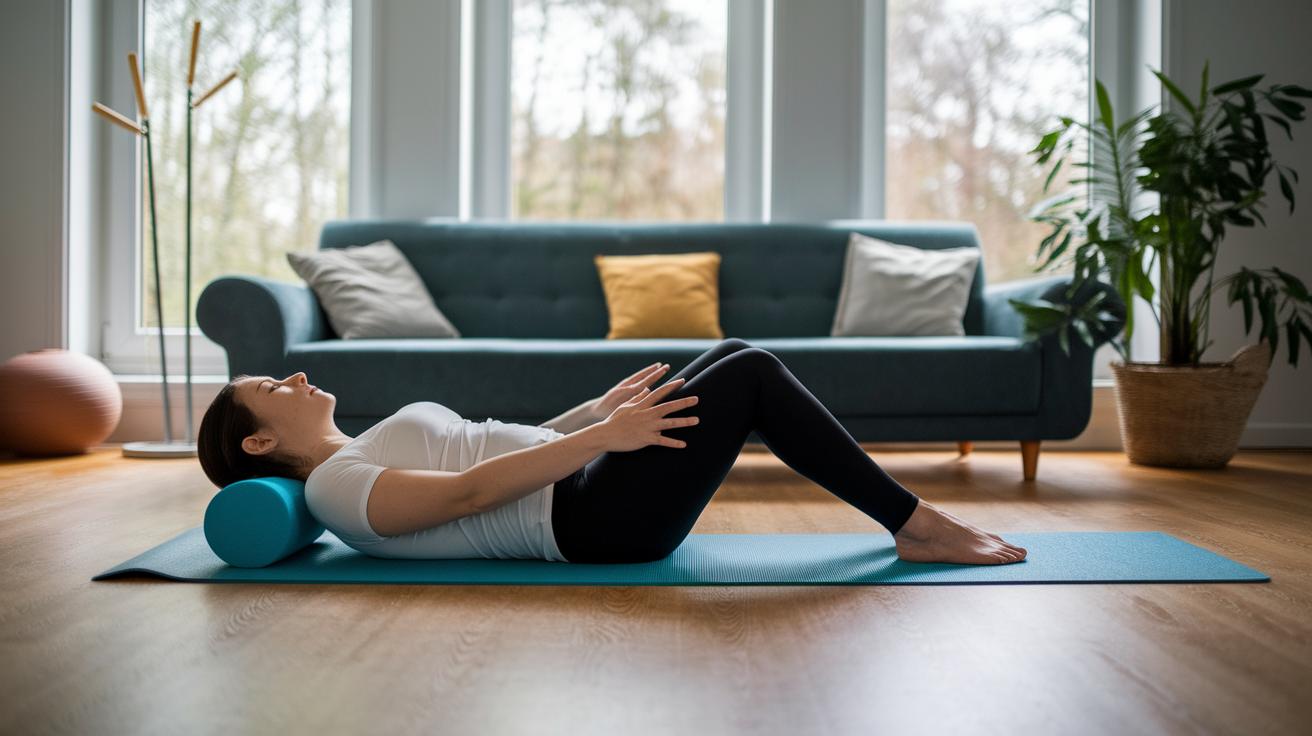
When you're foam rolling, take it easy with gentle pressure and really listen to your body. Start off lightly and avoid rolling over bones, joints, or the natural curve of your lower back. If something feels off, ease up a bit and let your body tell you when it's too much. This careful approach helps you prevent overdoing it and keeps your muscles feeling strong and happy.
Every week, give your foam roller a quick wipe down using mild soap and water, just like you would tidy up your favorite workout gear. Also, take a moment to check for any signs of wear, like small tears or a loss in firmness, and then store it in a cool, dry place. These simple steps keep your roller in great shape and make sure it's ready to support your fitness routine every time you use it.
Final Words
In the action of fine-tuning your recovery routine, we've shared how using a foam roller helps release tension, improve circulation, and support major muscle groups. This guide walked through selecting the right density, mastering proper techniques, and incorporating safety tips to keep you moving with ease.
Combine these insights with your workout routine and use a foam roller for muscle recovery to feel refreshed, energized, and ready to take on your next workout with confidence.
FAQ
How to use foam roller for muscle recovery?
The foam roller for muscle recovery works by applying steady pressure on muscles to reduce tension. Roll slowly over tight spots for 30–60 seconds per side to improve flexibility and blood flow.
What is the best foam roller for muscle recovery?
The best foam roller for muscle recovery depends on your needs. Look for one with the right density, length, and texture to safely target muscle tightness and boost recovery.
How can I find a foam roller for muscle recovery near me?
A foam roller for muscle recovery near you is often available at local sports stores, gyms, or online retailers. Check reviews and store listings for quality options.
What foam roller exercises can I try?
Foam roller exercises include gentle rolls on calves, hamstrings, and upper back. These moves help reduce soreness, increase circulation, and relieve muscle tightness.
How can I use a foam roller for legs and glutes?
Using a foam roller for legs and glutes involves rolling slowly over each area. Focus on tight spots for 30–60 seconds to ease tension and improve circulation in those muscles.
How do I use a foam roller for back pain?
The foam roller for back pain should be applied with caution. Roll the upper and mid-back in a cross-armed position, avoiding direct pressure on the spine to relieve tightness safely.
How does foam rolling help with runner’s knee?
The foam roller for runner’s knee targets muscles around the knee. It eases tension and increases blood flow, which may help alleviate discomfort and improve mobility.
Does foam rolling really help muscle recovery?
Foam rolling really helps muscle recovery by increasing circulation, reducing muscle soreness, and enhancing range of motion, contributing to smoother movement over time.
Is it safe to use a foam roller on a pulled muscle?
Using a foam roller on a pulled muscle should be done gently. Start with light pressure, and avoid directly rolling on the injured area to prevent further irritation.
What muscles should you not foam roll?
You should avoid foam rolling directly over bones, joints, and the lower back arch. Skipping these areas helps prevent accidental injury while still easing muscle tension.

