Featured
Sleep Hygiene and Its Impact on Strength Training Recovery
By carterblackwell
September 12, 2026
Field Notes
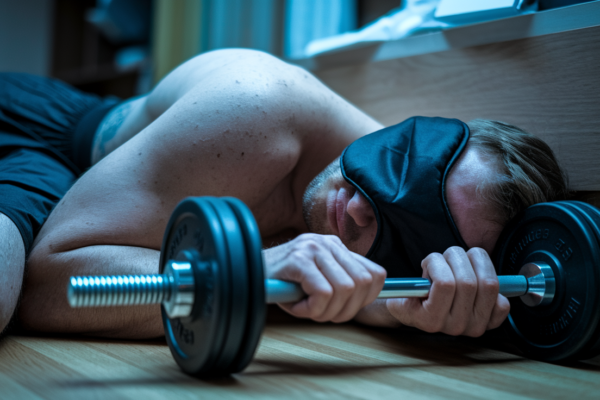
If you treat sleep like a reward instead of a tool, you’re leaving strength gains on the table.
Sleep hygiene—simple habits like consistent bedtimes, cool dark rooms, and less evening screen time—decides how well your muscles repair and hormones reset.
Poor sleep habits cut deep sleep and REM, so you stay sore, lift worse, and progress stalls.
This post shows what sleep hygiene really means for strength training, which practices matter most, and one easy change you can try tonight to start recovering better.
Defining Sleep Hygiene and Its Role in Strength Training Recovery

Sleep hygiene is just the collection of habits and environmental tweaks that help you sleep deeper and stay asleep longer. It covers stuff like when you hit the bed, how dark your room is, what you’re doing in the hour before lights out, and how you handle stress and caffeine during the day. If you’re training seriously, sleep hygiene isn’t some optional add-on. It’s a direct input that determines how well your body repairs muscle, keeps hormones balanced, and gets you ready for the next workout.
Most adults need somewhere between 7 and 9 hours a night to stay functional and keep their brain working. But if you’re lifting heavy or training at high volumes, you’re probably looking at 8 to 10 hours. The extra physical stress means your body needs more time to repair tissue, top off glycogen stores, and keep hormones in check. During deep sleep (the N3 stage), blood flow to your muscles ramps up, growth hormone peaks, and protein synthesis kicks into high gear. That’s the process that takes damaged muscle fibers and rebuilds them bigger and stronger. REM sleep handles the cognitive side: focus, motivation, and the motor learning that sharpens your technique and keeps you showing up.
When your sleep hygiene is a mess (random bedtimes, bright screens late at night, too much caffeine, a hot or noisy bedroom), your body spends less time in the stages that actually matter. That means less growth hormone, weaker anabolic signals, cortisol stays high, and glycogen refills slower. You stay sore longer, your training quality tanks, and you’re more likely to overtrain or get hurt. Good sleep hygiene gives you more time in the recovery zones, so every session builds on the last one instead of just digging you deeper into a hole.
What actually matters for sleep hygiene if you’re trying to recover from training:
- Go to bed and wake up at the same time every day. Yes, even weekends. This locks in your circadian rhythm and improves how well you cycle through sleep stages.
- Keep your bedroom cool (around 65°F), dark, and quiet. Deep sleep loves cold rooms.
- Ditch screens 30 to 60 minutes before bed. Blue light suppresses melatonin and delays sleep onset.
- Build a pre-sleep routine that calms your nervous system. Stretching, breathing work, or meditation all help lower cortisol.
- Time your meals, caffeine, and alcohol so they don’t wreck your sleep. Caffeine too late or a heavy meal before bed will fragment your night.
- Get a mattress and pillow that keep your spine aligned. Waking up sore or stiff means something’s interrupting your sleep.
How Sleep Mechanisms Influence Strength Recovery Processes

Sleep isn’t just one flat state. It cycles through distinct stages, and each one has a specific job to do. Non-REM sleep has three stages: N1 (light transition), N2 (moderate depth), and N3 (slow-wave or deep sleep). REM sleep comes after, marked by rapid eye movements and vivid dreams. A full night strings together four to six cycles through these stages. Deep sleep dominates the first half of the night, REM gets longer in the second half. If you’re training for strength, the most critical window is deep sleep. That’s when your body shifts into full repair mode.
During N3, your pituitary gland dumps the biggest pulses of growth hormone. That’s a powerful anabolic signal that drives tissue repair, protein synthesis, and fat metabolism. Blood flow to muscles increases at the same time, delivering oxygen, amino acids, and everything else needed to rebuild the microtears you created in the gym. Testosterone release follows a circadian pattern too, peaking overnight and into the early morning. Growth hormone plus testosterone creates the hormonal environment you need for hypertrophy and strength gains. Cut your sleep short or break it up with poor hygiene, and you miss the peak repair windows.
REM sleep takes care of the cognitive side: motor learning, focus, mood, motivation. These things directly affect your training quality. Better reaction time, sharper technique cues, higher adherence. Sleep also brings down systemic inflammation by giving your immune system time to clear out exercise byproducts and repair tissues. Glycogen restoration happens overnight as your liver and muscles convert carbs into stored fuel, so you start the next session with a full tank. When sleep is chronically bad, cortisol stays elevated, blunting anabolic signals and even triggering muscle breakdown when glycogen runs low.
What each sleep stage does for recovery:
- N1 and N2: Light sleep that gets you into deeper stages. Supports memory and starts slowing your metabolism.
- N3 (deep sleep): Peak growth hormone release, accelerated protein synthesis, more blood flow to tissues, immune repair, glycogen restoration.
- REM sleep: Cognitive recovery, motor skill consolidation, emotional regulation, motivation to keep training.
- Sleep continuity: Uninterrupted cycles let your hormones do their job. Fragmentation reduces anabolic benefits even if total sleep time looks okay.
- Circadian alignment: Consistent sleep timing strengthens the internal clock that controls hormone release, metabolism, and recovery efficiency.
| Sleep Stage | Primary Recovery Role for Strength Training |
|---|---|
| N3 (Deep Sleep) | Growth hormone release, muscle protein synthesis, tissue repair, inflammation reduction, glycogen restoration |
| REM Sleep | Motor learning consolidation, cognitive focus, mood regulation, adherence motivation |
| N1/N2 (Light Sleep) | Transition and memory processing; supports progression into deeper stages |
| Sleep Continuity | Uninterrupted cycles maximize anabolic signaling and hormonal balance throughout the night |
Types of Sleep Hygiene Practices That Enhance Strength Training Recovery

Good sleep hygiene mixes behavioral habits with environmental controls. The goal is simple: fall asleep easier, spend more time in deep and REM stages, wake up less during the night. These practices stack. Small wins in multiple areas compound into better recovery and faster strength gains. Start with the basics, then tweak based on what’s messing with your sleep the most.
Consistency is the biggest lever you have. Your body runs on a circadian clock that regulates hormones, body temperature, and alertness. When you go to bed and wake up at the same time every day (weekends included), you stabilize that clock. Falling asleep gets easier, and the quality of each cycle improves. Irregular schedules confuse the clock, delay sleep onset, and cut into deep sleep even if you eventually log enough hours.
Your pre-sleep routine tells your nervous system to switch from “on” to “rest.” Activities like gentle stretching, progressive muscle relaxation, deep breathing, or reading a real book help drop cortisol and heart rate. A warm bath or shower 60 to 90 minutes before bed can help too. Your core temperature drops afterward, mimicking the natural decline that triggers sleepiness. Skip high-intensity workouts, stressful work tasks, or emotionally charged conversations in the final hours before bed. Those elevate arousal and delay sleep onset.
Sleep Schedule
Lock in a bedtime and wake time. Even one late night followed by sleeping in can shift your rhythm by hours, making it harder to fall asleep the next evening. If you need to adjust, do it in 15-minute steps over several days.
Pre-Sleep Routine
Set aside 30 to 60 minutes before bed for calming stuff. Foam rolling, light stretching, meditation apps, breathing exercises (like 4-7-8), journaling to dump stress, or reading fiction. Don’t check work emails, scroll social media, or watch news that spikes stress.
Sleep Environment
Keep your bedroom cool. Around 65°F works for most people. Use blackout curtains or an eye mask to kill all light. Melatonin gets suppressed even through closed eyelids. Cut noise with earplugs, a white noise machine, or a fan. Get a supportive mattress and pillows that keep your spine neutral. Waking up stiff or sore means poor alignment that’s breaking up your sleep.
Screen Time Management
No screens (phone, tablet, TV, computer) for at least 30 to 60 minutes before bed. Blue light from displays suppresses melatonin and delays sleep onset. If you absolutely have to use a device, enable night mode filters and dim the brightness. But physically removing it works better.
Evening Nutrition
Don’t eat heavy meals within two to three hours of bed. Indigestion will wake you up. Skip alcohol. It might make you drowsy at first, but it fragments deep sleep and cuts into REM later. Limit caffeine after early afternoon. It has a half-life of about 5 to 6 hours. If you’re hungry before bed, grab a light protein snack like Greek yogurt or cottage cheese. It supports overnight muscle repair without overloading digestion.
Sleep hygiene practices that actually improve strength training recovery:
- Same bedtime and wake time every day, weekends included.
- Bedroom at 65°F or cooler, dark with blackout curtains or a mask, quiet with white noise or earplugs.
- No screens for 30 to 60 minutes before bed to protect melatonin.
- Calming pre-sleep routine like stretching, breathing exercises, or reading for at least 20 minutes.
- No caffeine after 2 PM and no alcohol within three hours of bedtime.
- Last large meal two to three hours before sleep. Small protein snack closer to bedtime if needed.
- Supportive mattress and pillow setup that keeps your spine aligned and cuts nighttime discomfort.
Real-World Impact of Sleep Hygiene on Strength Training Results

When your sleep hygiene is dialed in, you recover faster, train harder, and make progress more consistently. Studies tracking athletes over multiple weeks show that people averaging 8 or more hours of high-quality sleep per night make better strength gains, report less soreness, and get fewer overuse injuries compared to peers sleeping 6 hours or less. The difference isn’t huge week to week. But over months it compounds. Better recovery lets you handle higher training volumes and heavier loads without burning out.
Poor sleep hygiene does the opposite. Chronic short or broken sleep elevates resting cortisol, reduces anabolic hormone signals, and slows muscle protein synthesis. You wake up more sore, feel less motivated to train, and your performance in the gym suffers. Lower weights, fewer reps, worse focus. Over time, this gap between training stress and recovery capacity raises injury risk. Tendons, ligaments, and joints don’t repair as quickly. Small issues turn into chronic pain. Sleep deprivation also messes with coordination and reaction time, raising the chance of acute injuries like dropped weights or poor form under fatigue.
Body composition outcomes depend on sleep quality too. Inadequate sleep disrupts appetite-regulating hormones, increasing hunger and cravings for calorie-dense foods while cutting satiety signals. It also shifts your body’s fuel preference during weight loss. More muscle loss, less fat loss, even when calorie and protein intake are controlled. If you’re trying to build strength while managing body weight, sleep hygiene matters as much as nutrition and training combined.
Specific training impacts of good sleep hygiene:
- Faster muscle repair and less soreness, so you can train more frequently without overreaching.
- Better focus, coordination, and motivation, which increase training quality and adherence.
- Lower injury risk because of better tissue repair, joint recovery, and sharper motor control under load.
- Stronger hormonal environment for hypertrophy and strength. Higher growth hormone and testosterone, lower chronic cortisol.
Common Misconceptions About Sleep Hygiene and Recovery

One common belief is that you can “catch up” on sleep by sleeping extra on weekends. Sure, a longer sleep after a short week helps reduce acute fatigue. But it doesn’t fully restore the hormonal and metabolic disruptions caused by chronic sleep debt. Recovery processes like protein synthesis, inflammation management, and glycogen restoration need consistent nightly deep-sleep cycles. Irregular sleep patterns also confuse your circadian rhythm, making it harder to fall asleep on subsequent nights and reducing overall sleep quality even when total hours look fine.
Another misconception is that total sleep time is all that matters. Sleep continuity and stage distribution are just as important. If you log 8 hours but wake up frequently or spend most of the night in light sleep because of environmental disturbances, noise, or alcohol, you’ll miss the deep-sleep windows when growth hormone peaks and tissue repair accelerates. Fragmented sleep reduces anabolic signaling and leaves you feeling unrefreshed despite enough time in bed. Quality beats quantity when both aren’t optimized together.
Sleep hygiene misunderstandings that hurt recovery:
- Thinking weekend “catch-up” sleep fully compensates for weekday sleep restriction. It cuts fatigue but doesn’t restore full hormonal or metabolic balance.
- Assuming total sleep time alone determines recovery. Fragmented or shallow sleep provides less restorative benefit even if duration seems sufficient.
- Believing alcohol helps sleep because it makes you drowsy. It actually suppresses REM and deep sleep, impairing recovery processes.
- Expecting naps to replace consistent nighttime sleep. Short naps can boost alertness but can’t substitute for the full sleep-stage architecture of a night’s rest.
How Training Timing, Nutrition, and Pre-Bed Behaviors Shape Sleep Hygiene

When you train, what you eat before bed, and how you manage stimulants all influence how quickly you fall asleep and how much time you spend in restorative stages. High-intensity strength training raises core temperature, heart rate, and cortisol. All of those promote wakefulness. Finish a heavy squat or deadlift session close to bedtime, and your nervous system may stay elevated for hours, delaying sleep onset and reducing deep-sleep duration. Morning or early-afternoon training avoids this problem and aligns better with natural cortisol peaks, which are highest in the morning and decline through the day.
Evening workouts aren’t off-limits, but they need deliberate cooldowns. After your last working set, spend 10 to 15 minutes on light movement. Walking, gentle stretching, or foam rolling. This helps your heart rate and body temperature return to baseline. Skip post-workout caffeine or pre-workout supplements that contain stimulants within several hours of bed. If you train late, prioritize calming activities afterward and give yourself at least two hours between your session and bedtime.
Nutrition timing matters too. A balanced evening meal that includes carbs helps replenish glycogen stores and supports serotonin production, which is a precursor to melatonin. Protein before bed (like a serving of casein, Greek yogurt, or cottage cheese) provides amino acids for overnight muscle repair without spiking blood sugar or causing digestive discomfort. Heavy, high-fat, or spicy meals close to bedtime can trigger indigestion or acid reflux, fragmenting sleep. Caffeine has a half-life of 5 to 6 hours. A 3 PM coffee can still mess with sleep onset at 10 PM.
Training Timing
Schedule high-intensity sessions earlier in the day when you can. If evening training is necessary, include a cooldown and skip stimulants afterward. Consider lower-intensity accessory work or mobility sessions on nights when sleep opportunity is limited (like after a late work event) so you don’t compound fatigue with high training stress.
Evening Nutrition
Eat your main meal two to three hours before bed. Include complex carbs (rice, potatoes, oats) to support glycogen and serotonin pathways. Add a moderate protein portion to stabilize blood sugar and provide sustained amino acid release. If you’re hungry closer to bedtime, choose a light protein snack. Skip alcohol, which disrupts REM and deep sleep, and cut caffeine after early afternoon.
Practical considerations for aligning training, nutrition, and sleep hygiene:
- Morning training works well for most people. Supports natural cortisol rhythm and leaves evenings free for wind-down routines.
- Evening training requires cooldowns and delayed stimulant intake to protect sleep onset.
- Pre-sleep protein (20 to 30 grams of casein or Greek yogurt) supports overnight muscle repair without disrupting sleep.
- Carb intake at dinner aids glycogen restoration and promotes serotonin-to-melatonin conversion.
- Skip caffeine after 2 PM to ensure it clears your system before bedtime. Half-life is roughly 5 to 6 hours, meaning 200 mg at 2 PM leaves around 50 mg circulating at 10 PM.
Using Sleep Tracking and Recovery Metrics to Improve Strength Adaptations

Objective data helps you figure out whether your sleep hygiene changes are working and when your recovery status calls for a lighter training day. Wearable devices and smartphone apps can track total sleep time, time spent in each sleep stage, and metrics like heart rate variability (HRV) and resting heart rate (RHR). These numbers aren’t perfect. But when you track them consistently over weeks, they reveal patterns that guide training adjustments.
Total sleep duration and consistency are the easiest metrics to watch. Aim for 7 to 9 hours nightly, with strength athletes targeting closer to 8 to 10 when training volume is high. If your device shows frequent awakenings or low deep-sleep percentages, review your environment and pre-sleep routine for issues like noise, light, or late caffeine. HRV measures the variation in time between heartbeats. Higher HRV generally means better recovery and readiness. Low or declining HRV suggests accumulated fatigue or stress. Resting heart rate works similarly. A sudden spike in RHR can signal incomplete recovery, illness, or overtraining.
Use these metrics to inform your training, not dictate it. If sleep duration is consistently short and HRV is low for several days, consider reducing training intensity or volume, adding an extra rest day, or focusing on technique and lighter accessory work. When sleep quality is high and metrics are stable or improving, you have a green light to push intensity or add volume. Tracking also highlights the impact of lifestyle factors (late-night screen time, alcohol, or irregular bedtimes), making it easier to see which habits help or hurt your recovery.
| Metric | What It Tells You | Action When Low or Poor |
|---|---|---|
| Total Sleep Time | Duration of nightly sleep; baseline recovery opportunity | Prioritize earlier bedtime or later wake time; reduce evening commitments |
| Deep Sleep % | Time spent in N3 stage; correlates with growth hormone release and tissue repair | Check bedroom temperature, noise, light, and alcohol intake; improve sleep environment |
| Heart Rate Variability (HRV) | Autonomic nervous system balance; higher = better recovery readiness | Reduce training intensity or volume; add rest day; assess stress and sleep quality |
| Resting Heart Rate (RHR) | Baseline cardiovascular state; sudden increase signals incomplete recovery or illness | Take a rest day or do light active recovery; check for signs of overtraining or infection |
Sleep Disorders That Disrupt Strength Training Recovery
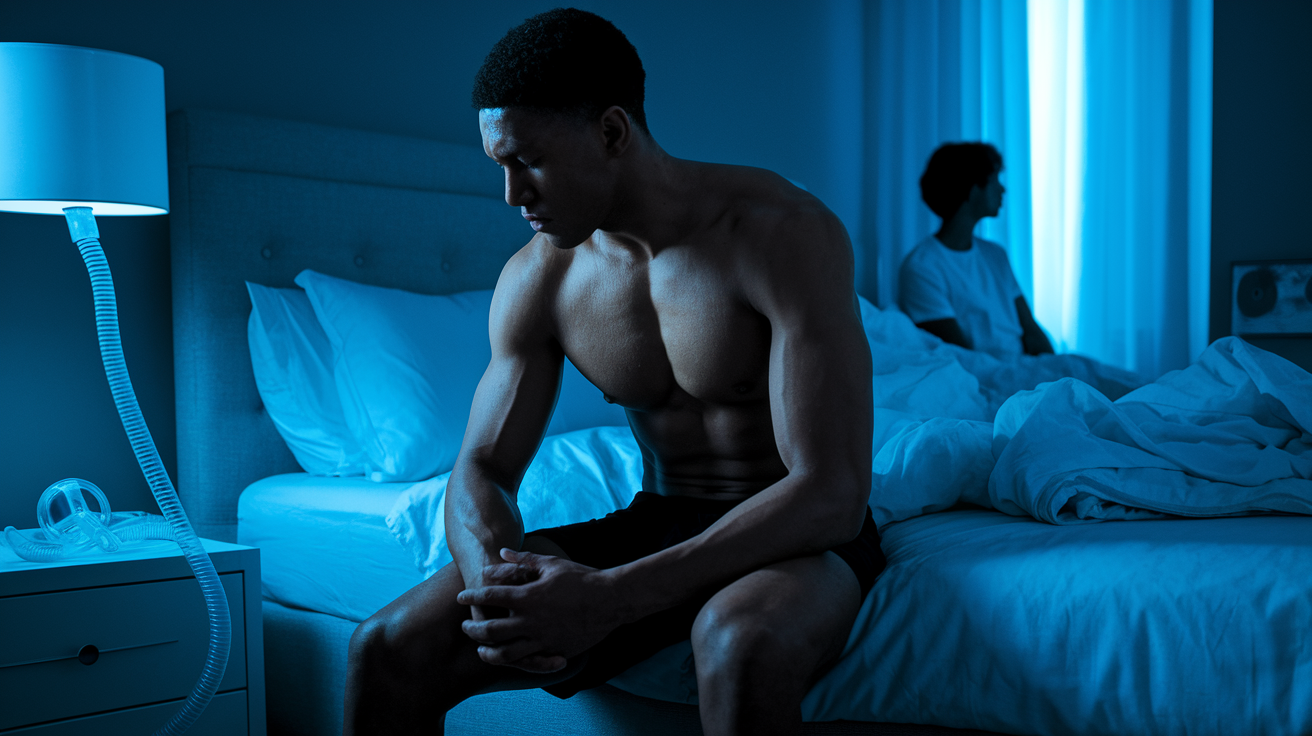
Persistent sleep problems that don’t improve with better hygiene may point to an underlying sleep disorder. The most common in strength athletes are insomnia (difficulty falling or staying asleep), obstructive sleep apnea (repeated breathing interruptions during sleep), and restless legs syndrome (uncomfortable sensations that disrupt rest). These conditions fragment sleep, reduce time in deep and REM stages, and limit the hormonal and metabolic recovery needed for strength gains.
Obstructive sleep apnea causes repeated pauses in breathing, dropping blood oxygen levels and triggering brief awakenings that you may not consciously remember. The result is fragmented sleep, reduced growth-hormone release, elevated cortisol, and chronic daytime fatigue. People with sleep apnea often report feeling unrefreshed even after 8 hours in bed. They may snore loudly or wake gasping for air. Insomnia (whether trouble falling asleep, staying asleep, or waking too early) also limits restorative sleep time and increases stress hormones. Chronic insomnia is linked to slower muscle repair, higher injury risk, and difficulty progressing training loads.
If you consistently struggle with sleep despite good hygiene practices, or if you experience symptoms like loud snoring, gasping, excessive daytime sleepiness, or persistent difficulty falling asleep, get evaluated by a healthcare provider or sleep specialist. Treatments like CPAP therapy for apnea or cognitive-behavioral therapy for insomnia are effective and can restore the sleep quality needed for strength training recovery. Ignoring these issues doesn’t just limit gains. It also increases long-term health risks.
Symptoms that signal the need for professional sleep evaluation:
- Loud snoring with pauses in breathing or gasping for air during sleep (signs of obstructive sleep apnea).
- Persistent difficulty falling asleep, staying asleep, or waking too early despite good sleep hygiene (chronic insomnia).
- Excessive daytime fatigue or sleepiness that interferes with daily activities or training performance.
- Uncomfortable sensations in the legs at night that disrupt rest or delay sleep onset (possible restless legs syndrome).
Applying Sleep Hygiene Strategies to Improve Strength Recovery in Daily Life
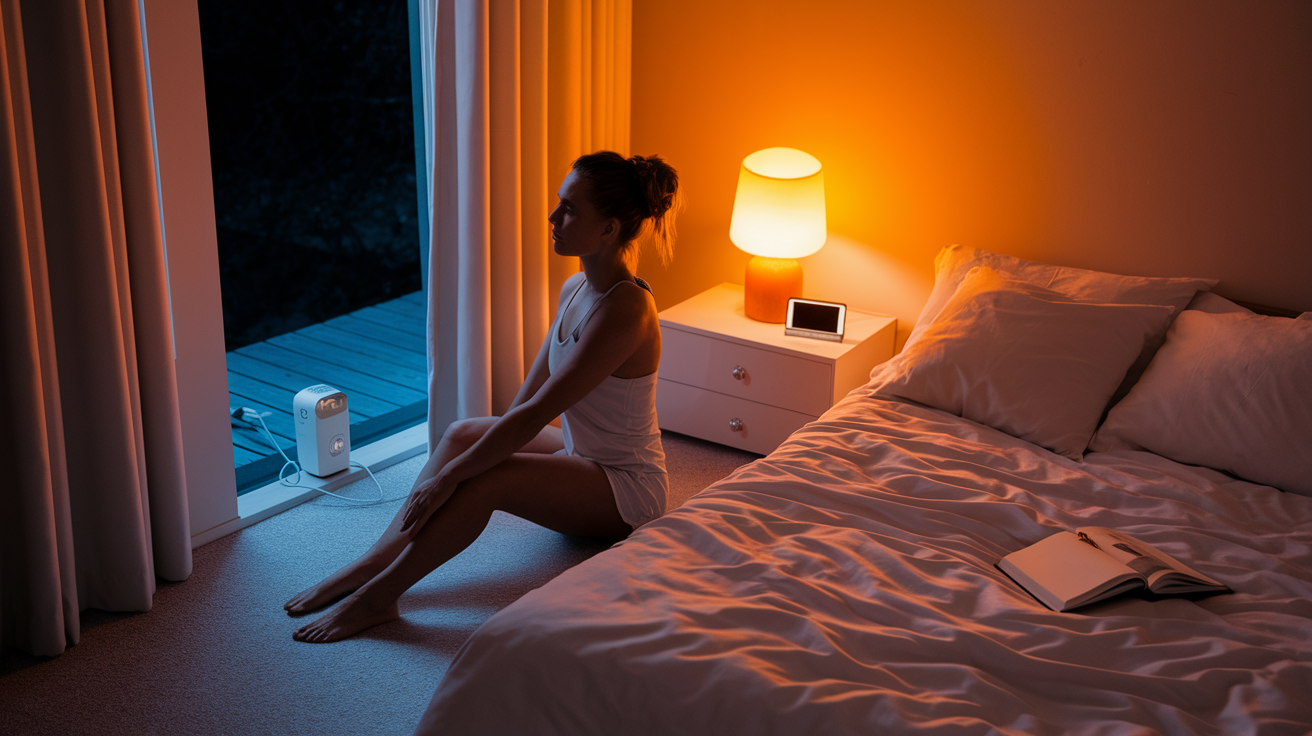
Turning knowledge into results takes a clear, repeatable routine. Start by anchoring one or two high-impact habits (like a fixed bedtime and screen-free wind-down), then layer in additional practices as those become automatic. Behavioral change is easier when you tie new habits to existing cues, like “after I finish dinner, I dim the lights and put my phone in another room.”
A simple nightly routine might look like this: finish your last meal by 7 PM, then spend 30 minutes on light cleanup or low-stress tasks. At 8:30, begin your wind-down. Dim lights, change into sleepwear, do 10 minutes of stretching or foam rolling, then read or journal for 15 minutes. Set your phone on airplane mode and leave it outside the bedroom. At 9 PM, get into bed with the room cool and dark, practice 5 minutes of deep breathing or progressive muscle relaxation, then let yourself drift off. Wake at the same time every morning, even weekends. This structure signals your nervous system that sleep is approaching and makes falling asleep faster and deeper over time.
Sample Routine
- 7:00 PM: Finish last meal (balanced plate with protein, carbs, and vegetables).
- 8:30 PM: Begin wind-down. Dim lights, put phone on airplane mode, change into sleepwear.
- 8:40 PM: 10 minutes of light stretching, foam rolling, or gentle yoga.
- 8:50 PM: Read a physical book or journal for 10 to 15 minutes.
- 9:05 PM: Get into bed, practice 5 minutes of deep breathing (4-7-8 method or box breathing).
- 9:10 PM: Lights out, room at 65°F, blackout curtains drawn, white noise on if needed.
- 6:00 AM: Wake at the same time daily, even on weekends.
Habit-Building
Track your bedtime and wake time in a simple log or app to build consistency. Start with one or two changes (like removing screens from the bedroom and setting a fixed wake time) before adding more. Pair new habits with existing routines, like doing your pre-sleep stretching right after brushing your teeth. Review your sleep data weekly to spot patterns and adjust practices that aren’t working.
Practical sleep hygiene checklist for strength athletes:
- Consistent bedtime and wake time every day (including weekends).
- Bedroom environment at 65°F, dark, and quiet.
- No screens for 30 to 60 minutes before bed.
- Pre-sleep wind-down routine (stretching, breathing, reading) for at least 20 minutes.
- Last caffeine by early afternoon, no alcohol within 3 hours of bed.
- Light protein snack before bed if needed; main meal finished 2 to 3 hours prior.
Final Words
in the action we defined sleep hygiene, explained how deep and REM sleep drive repair and motor learning, and listed practical habits—consistent bedtimes, pre-sleep routines, bedroom setup, and evening nutrition—that support recovery.
We also covered sleep stages, tracking, training timing, common myths, and disorders that can block progress.
Use sleep hygiene and its impact on strength training recovery as your guide this week: try a 15-minute earlier bedtime or drop screens 30 minutes before sleep, and watch training feel easier and recovery improve.
FAQ
Q: What is sleep hygiene and why does it matter for strength training recovery?
A: Sleep hygiene is the daily habits and bedroom setup that promote restorative sleep, and it matters because quality sleep drives muscle repair, hormone release, and clearer training adaptations and recovery.
Q: How much sleep should lifters aim for?
A: Lifters should aim for about 8–10 hours per night; adults generally need 7–9, but heavier training benefits from extra sleep to support deep-sleep repair and growth-hormone pulses.
Q: How do sleep stages (deep and REM) affect muscle recovery?
A: Deep (N3) sleep boosts growth-hormone release and muscle protein synthesis, while REM sleep supports motor learning, focus, and skill consolidation—both are needed for full physical and neural recovery.
Q: Which sleep hygiene practices most directly improve strength recovery?
A: Best practices include consistent sleep times, cutting screens 30–60 minutes before bed, a cool dark bedroom, supportive mattress and pillows, a calming pre-sleep routine, and limiting late caffeine.
Q: Can extra sleep make up for poor sleep quality or irregular schedules?
A: Extra sleep cannot fully compensate for fragmented or irregular sleep; continuous deep cycles and stable timing matter more for anabolic signaling and consistent recovery than occasional long nights.
Q: How do late workouts and evening nutrition affect sleep and recovery?
A: Late high-intensity training can delay sleep onset, while a small pre-sleep protein snack aids overnight repair; avoid late caffeine and heavy meals that blunt sleep depth and glycogen recovery.
Q: What wearable sleep metrics should strength athletes track?
A: Useful metrics are total sleep time, sleep-stage distribution, heart-rate variability (HRV), and resting heart rate; low HRV or high RHR often indicate reduced readiness and the need to ease training load.
Q: What signs suggest a sleep disorder is harming my recovery?
A: Warning signs include loud snoring or gasping, chronic insomnia, daytime fatigue despite sufficient time in bed, and morning headaches—these symptoms deserve medical assessment for possible sleep disorders.
Q: How does poor sleep affect strength gains and injury risk?
A: Poor sleep slows muscle repair, reduces training quality and coordination, lowers motivation and adherence, prolongs soreness, and increases injury risk and unfavorable shifts in body composition.
Q: What practical nightly routine helps boost recovery for lifters?
A: A practical routine is a consistent bedtime, 30–60 minute screen-free wind-down, light stretching or breathing exercises, warm shower, small protein snack, and a cool, dark sleeping space.