Research
Push Pull Legs Equipment: Must-Haves vs Nice-to-Haves
By fitness
November 24, 2026
Field Notes
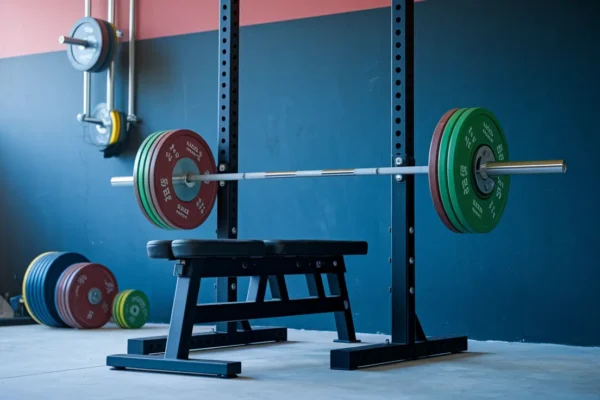
Do you really need a full rack and a $2,000 cable station to run Push Pull Legs properly?
Short answer: no.
This post lays out the core five pieces that cover squats, hinges, presses, and pulls, compact alternatives for small spaces, and which upgrades are actually worth the money.
Pick gear by what movements it unlocks, your space and goals, and whether it solves a real training limit, not because it looks nice.
By the end you’ll know what to buy now and what to wait on.
The Core Five, Compact Alternatives, and Optional Upgrades
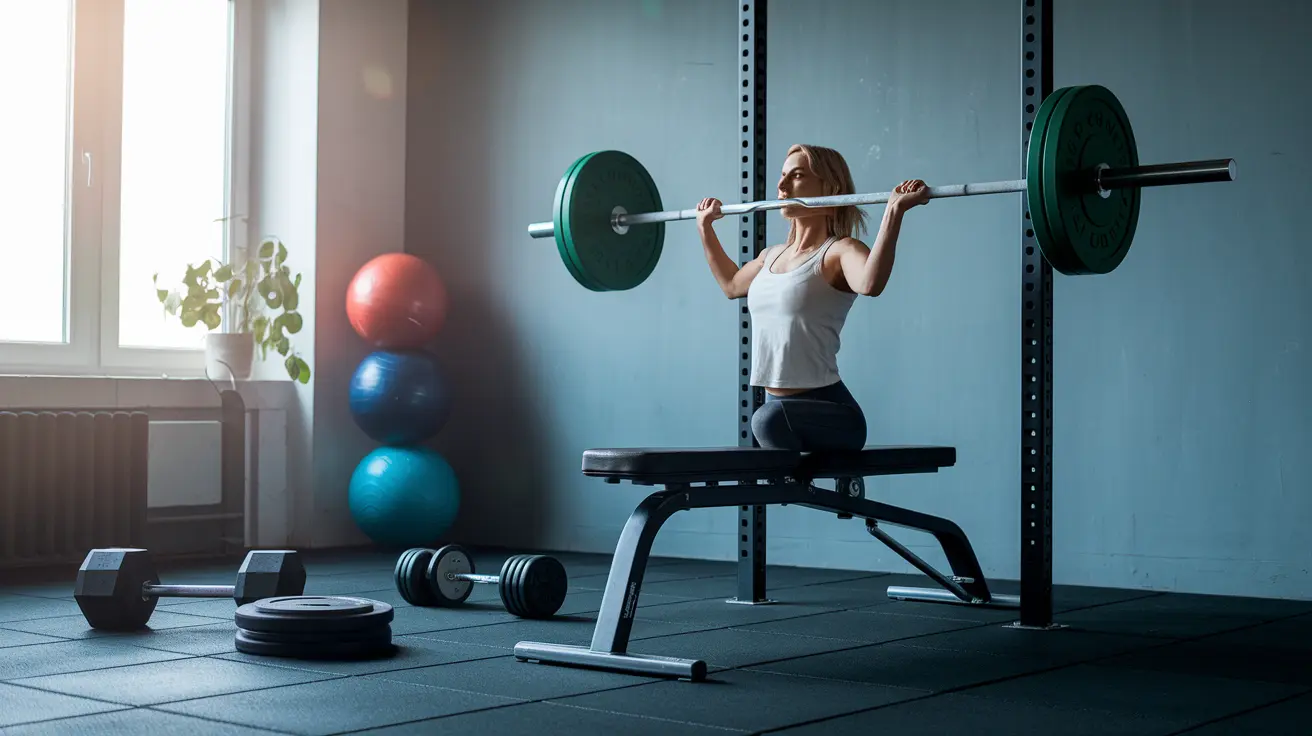
Got permanent space and want to train for strength over the long haul? Prioritize the core five: a barbell, plates, a rack with safeties, an adjustable bench, and a pull-up bar. Working with a small apartment, a tight budget, or need to keep things quiet instead? Adjustable dumbbells and resistance bands will get you almost as far, and honestly, they’re a lot easier to live with day to day.
| Lifter Profile | Choose This Setup | Defer These Purchases | Reason |
|---|---|---|---|
| Beginner with permanent home-gym space | Barbell, 180 lb plates, bench, rack, pull-up bar | Cable machine, specialty bars | Core five covers every PPL movement pattern while you build technique |
| Strength-focused lifter | Barbell, 260–300 lb plates, full rack with safeties | Dumbbells past basic accessory weight, cardio machines | Heavy compound lifts need a stable bar and high loading capacity |
| Hypertrophy-focused lifter | Barbell setup plus adjustable dumbbells | Power rack upgrades, sled work | Dumbbells add unilateral volume and joint friendly angles |
| Apartment or small-space trainee | Adjustable dumbbells, bands, doorway pull-up bar | Rack, full plate inventory | Keeps noise and footprint low while still covering major patterns |
| Traveller or highly portable setup user | Bands, suspension trainer | Any barbell equipment | Packs small and needs no fixed anchor beyond a door or beam |
| Advanced lifter with established compound lifts | Specialty bars, cable station, targeted upgrades | Nothing, equipment should fill a real gap | Basic needs are already met, so upgrades should solve a specific limitation |
A hybrid setup, meaning a home rack plus an occasional commercial gym visit, usually makes more financial sense than buying a cable machine, leg press, or cardio machine outright. If you’d only use a $2,000 cable station once or twice a week, a gym day pass or a part-time membership covers that need for a fraction of the cost. You still keep your home space simple that way.
| Priority Tier | Equipment | Why It Earns This Rank | Best For |
|---|---|---|---|
| Must-have | Olympic barbell and plates | Enables loaded compound lifts across all three days | Everyone building a permanent home gym |
| Must-have | Rack with safeties | Allows solo squatting and pressing without a spotter | Anyone training heavy alone |
| Must-have | Adjustable bench | Covers flat and incline pressing plus supported rows | Push and pull days |
| Must-have | Pull-up bar | Only reliable way to load vertical pulling at bodyweight or beyond | Pull day |
| Must-have safety items | Collars and mats | Prevents plate shift and protects floors and joints | Every lifting session |
| Best compact alternative | Adjustable dumbbells and bands | Covers most movement patterns in less space and quieter | Apartments and tight budgets |
| High-value later upgrade | Cable machine | Adds constant tension and isolation options | Hypertrophy-focused accessory work |
| Optional specialisation | Machines and specialty bars | Addresses specific discomfort or a narrow training goal | Advanced lifters with a known limitation |
When we say must-have, we mean the equipment that gets you the most complete barbell-based PPL setup, not a strict requirement for building muscle. Plenty of people get strong and stay consistent with dumbbells, bands, and bodyweight work alone. No rack required.
Beginners can absolutely start with less. As long as every major movement pattern, squat, hinge, push, pull, is covered and you can track some form of progression, you’re set up to grow. Save the advanced gear for when it solves a real limitation you’ve actually run into, not because it looked good on a list.
Selecting a Barbell, Plates, Rack, and Bench
(((alt-img2)))
Once you’ve settled on the core five, the next question is how to pick components that actually work together. Progressive overload, which just means making the lift a little harder over time, depends on having enough plates,
Final Words
In the action: pick the core five for a permanent strength-focused home gym, or use adjustable dumbbells and bands when space, budget, or noise are limiting. The post covered choosing barbell systems, safe push/pull/leg setups, and practical substitutions.
It also covered compact alternatives, specialty items that earn their place, a chronological upgrade roadmap, and a short decision checklist.
Use the checklist to decide purchases, guided by push pull legs equipment prioritization what you need vs nice to have — cover every movement first, then add comfort or variety. Small, smart buys add up.
FAQ
Q: Is push pull legs the optimal routine?
A: The push pull legs routine is a highly effective, flexible split that balances training volume and recovery. It works well for many lifters, but your schedule, goals, and recovery determine if it’s optimal.
Q: What is the hardest muscle group to grow?
A: The hardest muscle group to grow is often the calves because genetics and daily use make them stubborn. Use consistent heavy loading, higher volume, and varied angles to stimulate progress.
Q: What exercises are in a pull day?
A: A pull day includes hip hinges, horizontal rows, and vertical pulls: deadlifts, barbell or dumbbell rows, pull-ups/chin-ups, face pulls, and curls to target the back and biceps.
Q: What is the 3-3-3 rule gym?
A: The 3-3-3 rule in the gym commonly means three sets of three reps across three exercises for a short strength block. Interpretations vary, so check what staff or coaches mean locally.