
Skipping a postpartum kit is the rookie move almost every new mom regrets.
If you end up at 2 a.m. with a newborn and no pads or peri bottle, it turns a hard night into a small crisis.
Think of a recovery kit as a first-aid kit for the fourth trimester: supplies that ease bleeding, soothe perineal pain, support breastfeeding, and help a C-section heal.
This post lays out the must-haves, how many to pack, and budget DIY swaps so you can rest and recover with less stress.
Core Components of a Postpartum Recovery Kit
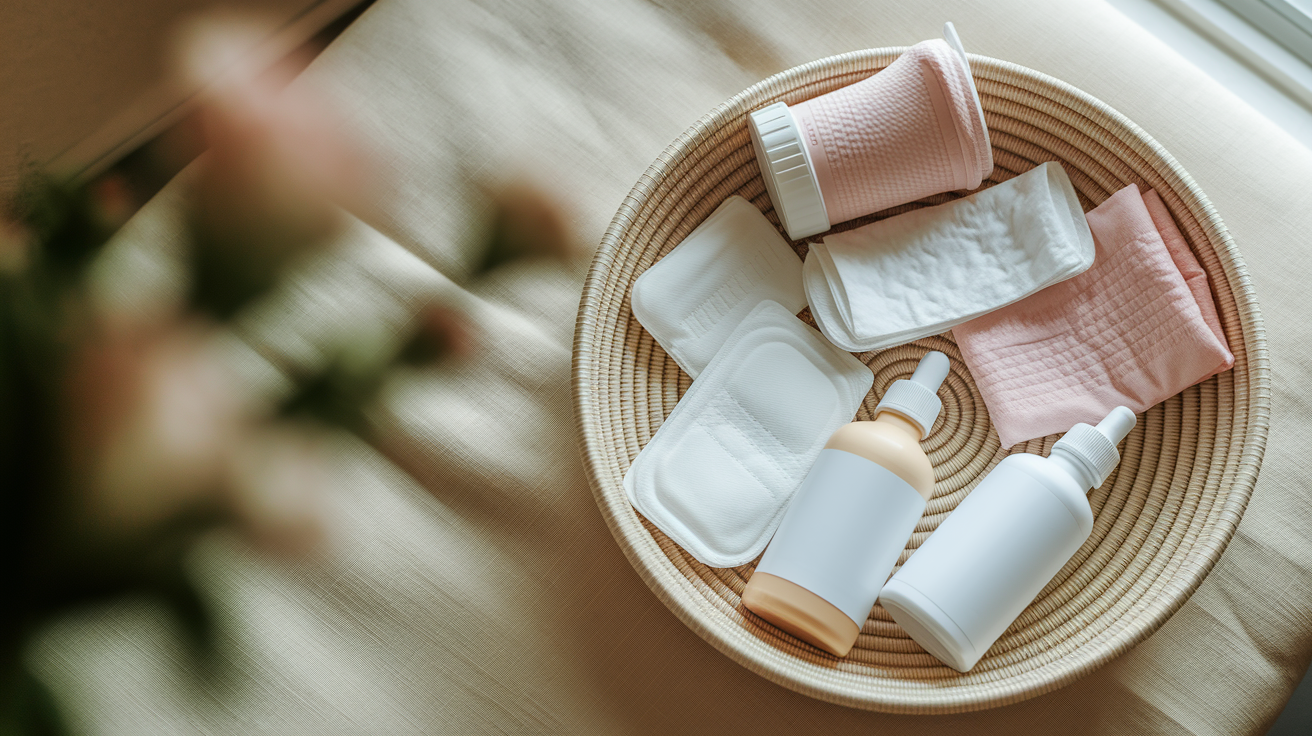
A postpartum recovery kit bundles the supplies you’ll actually reach for in the first days and weeks after delivery, whether you had a vaginal birth or a C-section. Instead of scrambling to the pharmacy at 2 a.m. with a newborn, you’ll have everything within arm’s reach. These kits typically include perineal care tools, absorbent supplies, breastfeeding aids, pain relief items, and basic hygiene products designed for healing and comfort.
Think of it as a first-aid kit for the fourth trimester. Your body’s doing a lot of work. Involution (uterus shrinking back), lochia (postpartum bleeding that can last up to 6 weeks), hormone shifts, and wound healing if you tore or had stitches or a surgical incision. The right supplies make that recovery less painful and more manageable. Here’s what should be in every postpartum kit:
- Peri bottle for gentle cleansing after using the toilet (upside-down designs work best)
- Heavy maternity pads because regular pads won’t cut it for the first few days of bleeding
- Disposable or mesh underwear that’s soft, stretchy, and you won’t mind tossing
- Cooling perineal pads or instant ice packs to reduce swelling and stinging
- Witch hazel pads or perineal spray that soothe tears, stitches, and hemorrhoids
- Nipple cream (lanolin or organic alternative) to protect sore nipples if you’re breastfeeding
- Nursing pads that absorb leakage (disposable or washable)
- Stool softener to ease the first bowel movement and protect healing tissue
- Over-the-counter pain relief like acetaminophen and ibuprofen (check with your provider first)
- Abdominal binder or postpartum girdle that supports your core, especially after C-section
Comparing Popular Ready‑Made Postpartum Recovery Kits
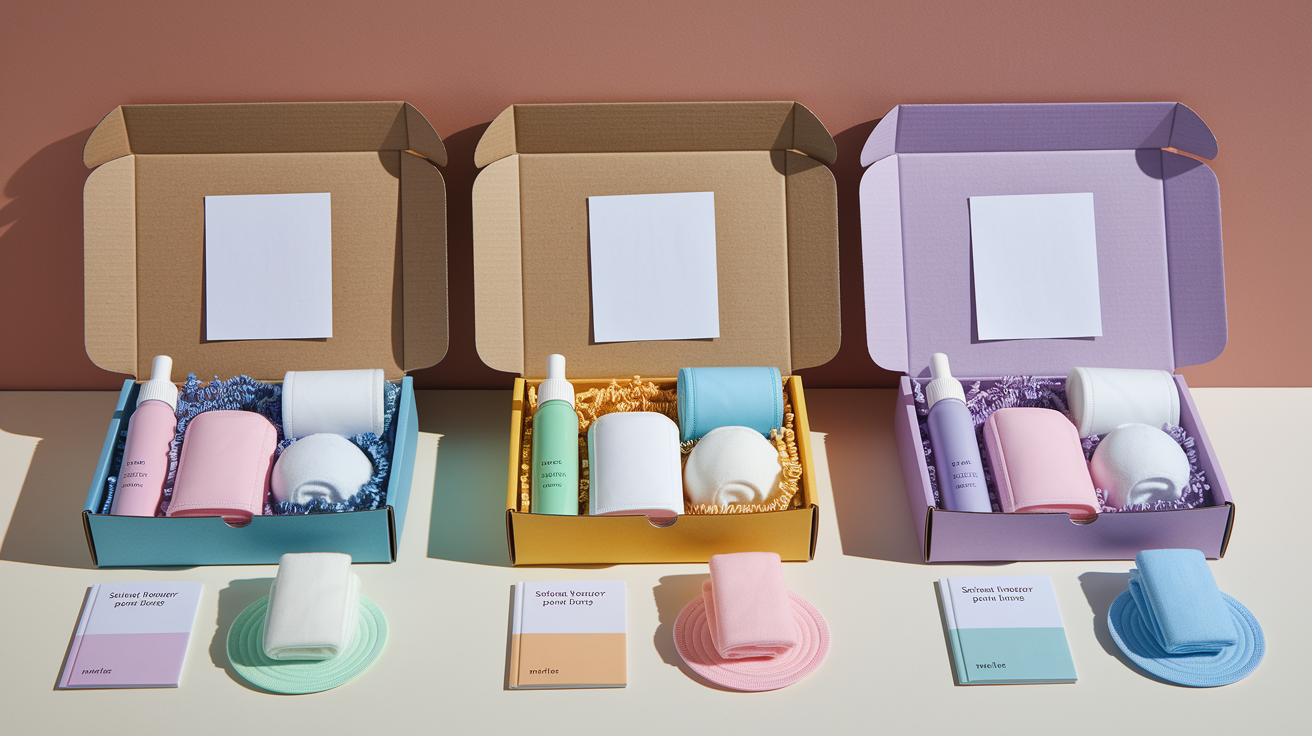
Ready-made kits save you time and mental energy when you’re already juggling a thousand new-parent decisions. They come pre-packed with the most common recovery items, and many are organized by delivery type or recovery focus. The catch? Not all kits are created equal. Some are bare-bones starter packs, while others bundle enough supplies to get you through two full weeks at home.
When comparing kits, look at what’s actually included and how many of each item you’re getting. A $50 kit that includes four pads and one peri bottle might look like a deal, but you’ll blow through those pads in a single day. Mid-range and premium kits typically add breastfeeding essentials, abdominal support, and multi-day refills. Here’s how five popular options stack up:
| Brand | Key Items Included | Price Range | Best For |
|---|---|---|---|
| Frida Mom Postpartum Recovery Essentials | Upside-down peri bottle, 4 instant ice pads, 24 cooling liners, foam spray, 4 disposable underwear, caddy | $50 | Vaginal delivery, first-week basics |
| Bodily Scheduled C-Section Box | Peri bottle, abdominal binder, 14 maxi pads, 3 mesh underwear, stool softener, nipple care, guidebooks | $139 | C-section support and education |
| Earth Mama Postpartum Recovery Gift Box | Peri spray, herbal sitz sachets, perineal balm, nipple butter, breast pads, organic tea | $92 | Tears, hemorrhoids, natural ingredients |
| Lansinoh Breastfeeding Essentials Kit | Nipple cream, silicone hands-free pump, 25 storage bags, 2 therapy packs, 48 nursing pads | $42 | Breastfeeding-first focus, budget-friendly |
| Ebi The Everyday Postpartum 3-Piece Set | Herbal bath soak, multitasking oil, lactation tisane/tincture | $102 (sale price; originally $145) | Minimalist luxury, small item count |
Product Recommendations by Category
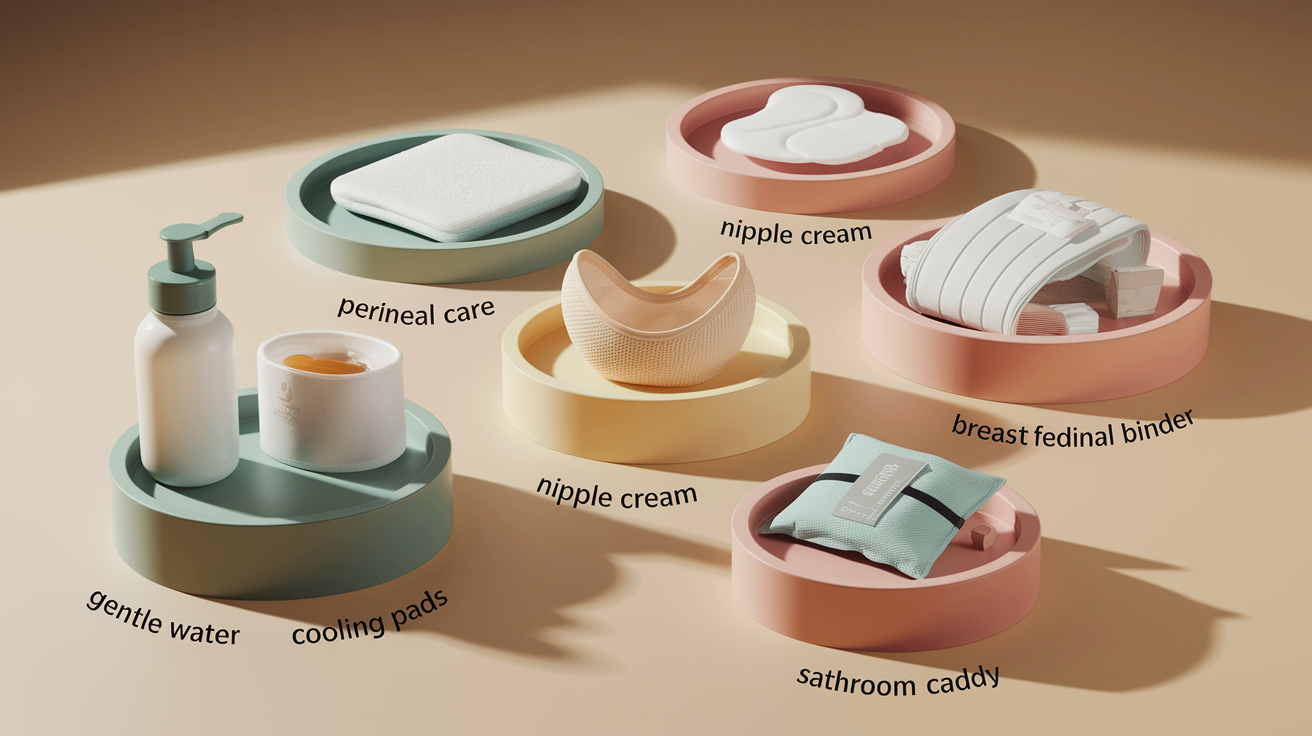
The products that matter most depend on how you delivered and whether you’re breastfeeding. A vaginal delivery with tearing calls for serious perineal care, while a C-section means you’ll lean hard on abdominal support and incision protection. Breastfeeding brings its own list of must-haves. Here’s how to stock each category with the right tools.
Perineal Care Products
After a vaginal birth, your perineal area needs gentle, consistent care. A peri bottle is your new best friend. Fill it with warm water and rinse every time you use the toilet instead of wiping, which can sting or tug on stitches. Upside-down spray bottles let you angle the stream without contorting your wrist. Witch hazel pads or a perineal spray add cooling relief and reduce inflammation. If you had tearing or an episiotomy, pair these with a perineal balm to protect healing tissue and keep it from drying out.
Pain Relief Items
Instant cooling pads or reusable ice packs designed for the perineal area are clutch in the first 48 hours. They shrink swelling and numb that burning sensation. After 48 to 72 hours, switch to warm sitz baths or a heating pad to increase blood flow and ease cramping as your uterus shrinks back to size. Keep over-the-counter pain relievers (acetaminophen and ibuprofen) on hand, but check dosing with your provider first, especially if you’re breastfeeding or were given prescription pain meds.
Breastfeeding Support
Nipple cream (lanolin or a plant-based alternative like organic nipple butter) prevents cracking and soothes soreness during those first two weeks when your nipples are adjusting to constant feeding. Nursing pads, either disposable (plan for a 60-count pack) or washable (3 to 6 pairs), absorb leakage between feeds. If you’re pumping, grab breastmilk storage bags (kits often include around 25) and breast therapy packs that you can chill for engorgement or warm for clogged ducts and mastitis comfort.
Clothing & Comfort Wear
Disposable or mesh postpartum underwear sits gently over a healing perineum or C-section incision and pairs perfectly with bulky maternity pads. Stock at least 3 to 6 pairs for your hospital stay and first week home. An abdominal binder or postpartum girdle supports your core, reduces incision pain after C-section, and can help you move around more comfortably. Look for one that’s adjustable and doesn’t dig into your skin. A couple of wire-free nursing bras in a comfortable size round out your recovery wardrobe.
Bathroom Recovery Items
Your first bowel movement postpartum can feel scary, especially with stitches or hemorrhoids. A stool softener (30 to 60 count) taken right after delivery makes everything easier and protects your healing tissue from straining. Keep soft, unscented toilet paper or flushable wipes on hand, and consider adding sitz bath sachets (herbal blends with witch hazel or Epsom salts) for soaking relief. A small basin that fits over your toilet works if you don’t want to fill a full tub.
DIY Postpartum Recovery Kit: How to Build Your Own
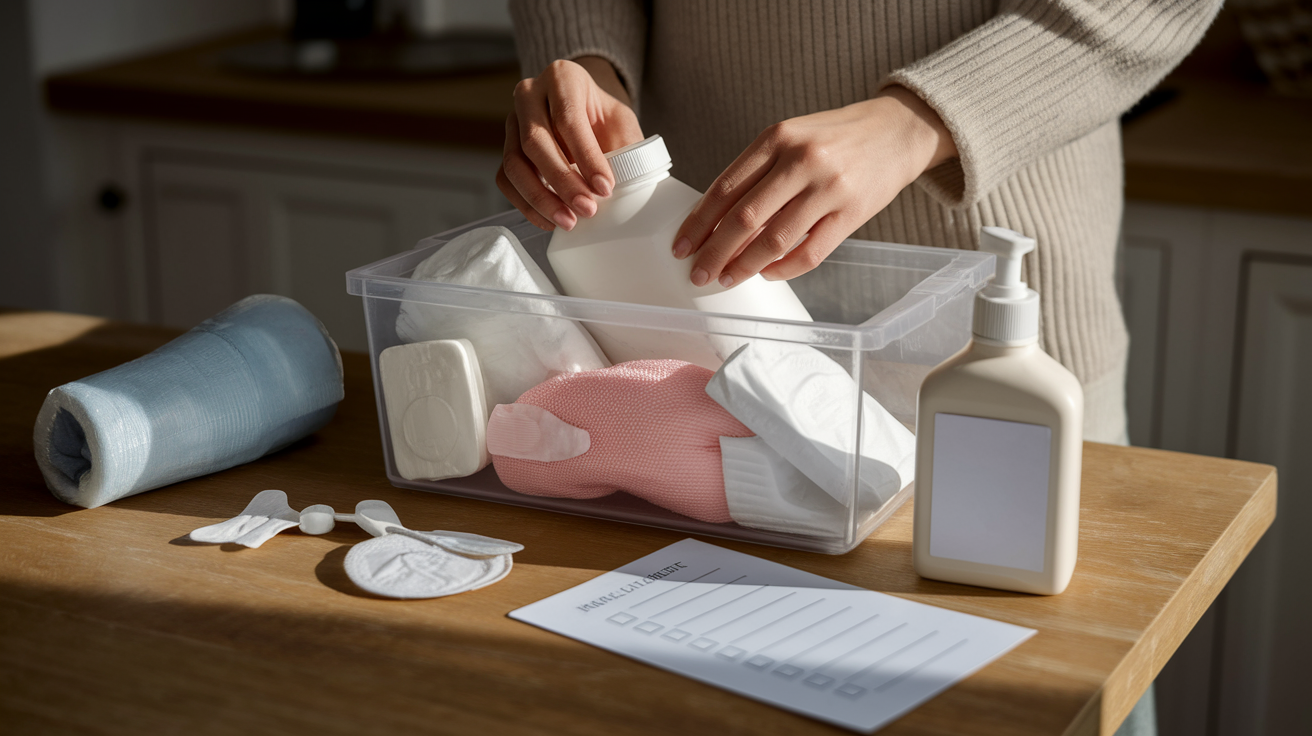
Building your own postpartum kit gives you full control over what goes in and what stays out. You can skip the items you know you won’t use, double up on the things you’ll burn through fast, and tailor everything to your delivery type and feeding plan. It’s also cheaper than most pre-made kits when you buy individual items from the pharmacy or online.
Start by making a core checklist based on whether you’re planning a vaginal birth or C-section, and whether you’ll breastfeed. From there, estimate quantities for the first 7 to 14 days. Here’s the step-by-step:
- Choose your peri-care foundation. Grab one upside-down peri bottle ($4 to $12), one bottle of witch-hazel spray or perineal foam ($8 to $15), and a pack of 20 to 40 witch-hazel pads ($6 to $12).
- Stock heavy-duty absorbency. Buy at least one pack of 12 to 30 heavy maternity pads ($6 to $18) and one pack of overnight pads (8 to 12 count). Plan for 8 to 12 pads per day in the first 48 hours.
- Add soft underwear. Pick up 3 to 6 pairs of disposable or mesh postpartum underwear ($8 to $35 per multi-pack).
- Include cooling and heating options. Get 2 to 4 reusable perineal ice packs ($10 to $30) and consider a microwaveable heating pad or sitz-bath sachets for after 48 hours.
- Pack pain and bowel support. One bottle of stool softener (30 to 60 count; $4 to $10), one bottle of acetaminophen or ibuprofen as directed, and optionally a fiber supplement (30 servings; $8 to $20).
- Prepare breastfeeding supplies if needed. One tube of nipple cream ($6 to $15), one 60-count pack of disposable nursing pads ($8 to $15) or 3 to 6 washable pads ($10 to $30), and 25 breastmilk storage bags if pumping.
- Add C-section or comfort extras. If you’re having a C-section, include an abdominal binder ($20 to $60). Otherwise, add gentle soap, hand sanitizer, and a small toiletry caddy to keep everything within reach.
Cost Breakdown: Pre‑Made vs. DIY Kits

Price matters when you’re also buying diapers, wipes, and a thousand other baby essentials. Ready-made kits offer convenience and curation, but you’ll pay a markup for the bundling and packaging. DIY kits let you cherry-pick exactly what you need and often come in cheaper, especially if you’re willing to shop sales or buy store brands for basics like pads and underwear.
Here’s how the numbers shake out across different kit types and budget levels:
| Kit Type | Average Cost | What’s Included | Notes |
|---|---|---|---|
| Budget Pre-Made Kit | $20–$50 | Peri bottle, 4–12 pads, 3–4 disposable underwear, perineal spray or pads | Covers hospital stay and first 2–3 days; refills needed |
| Mid-Range Pre-Made Kit | $50–$120 | Everything in budget kit plus ice packs, 20+ pads, nipple cream, nursing pads, stool softener | Lasts 7–10 days; often includes breastfeeding basics |
| Premium Pre-Made Kit | $120–$300+ | Full multi-week supply, abdominal binder, TENS unit or therapy packs, guidebooks, gift packaging | Best for C-section or luxury/gift focus; may include apparel |
| DIY Kit (Self-Assembled) | $30–$120 | 7–15 individual items purchased separately; fully customizable by delivery type and feeding plan | Lowest cost for basics; savings increase with store brands and bulk buys |
Optional Add‑Ons for Extra Comfort
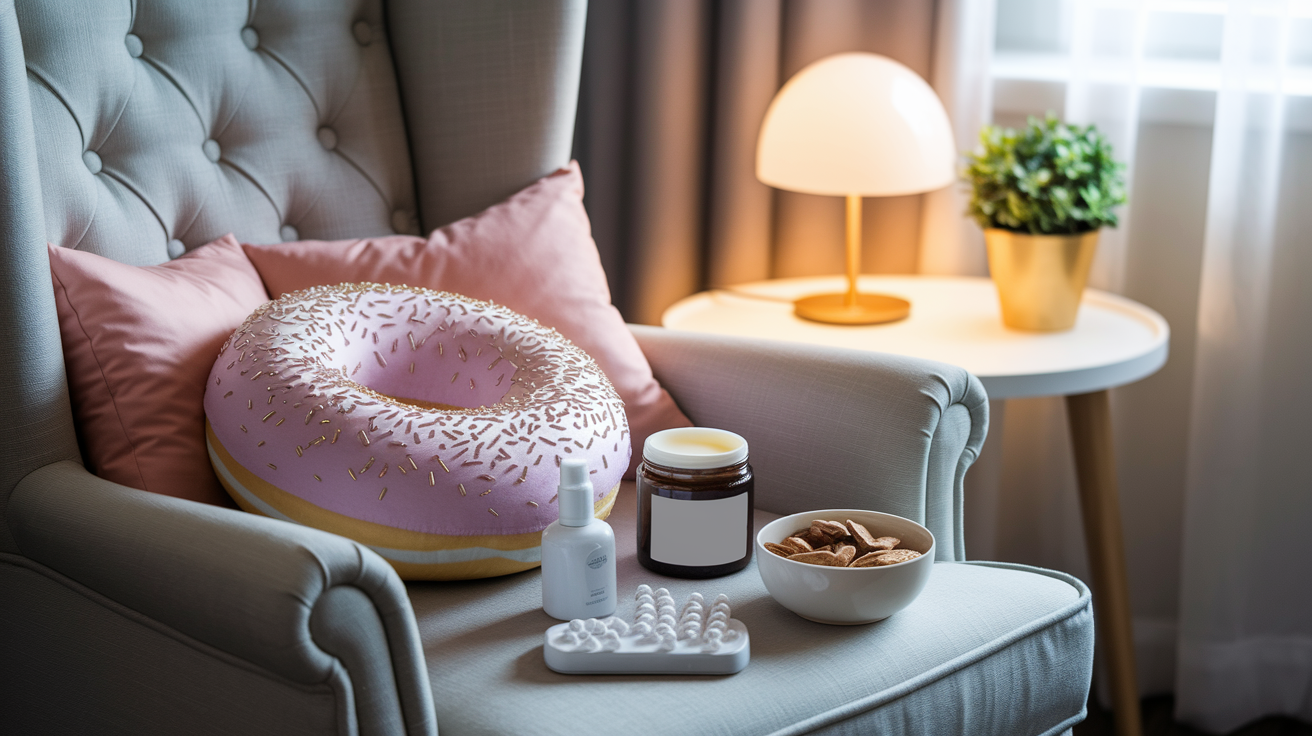
Once you’ve covered the essentials, a few thoughtful extras can make recovery feel a little more human. These aren’t must-haves, but they add comfort, help you relax, or solve smaller annoyances that pop up in those first sleep-deprived weeks. If you’re building a gift kit for someone else, these items turn a practical bundle into something that feels genuinely caring.
Think about what helps you unwind or what made past recoveries easier. Here are six optional add-ons that can upgrade your postpartum kit:
- Wearable cold packs or gel bra inserts that slip into your nursing bra for hands-free engorgement or mastitis relief
- Aromatherapy items (lavender balm, calming room spray) for small sensory comforts that signal rest time
- Postpartum support pillow or donut cushion to take pressure off sore perineal areas when sitting
- High-waisted compression leggings or recovery shorts that give gentle support without the bulk of a full binder
- One-handed snack stash (protein bars, trail mix, dried fruit) for fuel that doesn’t require two hands or a knife
- TENS unit for postpartum pain, an optional electrical nerve stimulation device ($40 to $150) for cramping or incision discomfort; check with your provider first
FAQs About Postpartum Recovery Kits

Do I really need a postpartum recovery kit, or will the hospital give me everything?
Most hospitals provide basic supplies like a peri bottle, mesh underwear, and a few heavy pads during your stay. But those run out fast once you’re home, and hospitals rarely send you home with enough for a full week. A kit ensures you have backup supplies, plus items hospitals don’t always stock like nipple cream, witch-hazel pads, stool softeners, or an abdominal binder. If you want comfort and convenience at home, a kit is worth it.
How many pads should I expect to use in the first week?
In the first 48 to 72 hours, plan for 8 to 12 heavy maternity pads per day. Bleeding is heaviest right after delivery and tapers off over the next few days. For a full two-week supply, stock 80 to 150 pads total. If you’re soaking through a pad in less than one hour, contact your provider immediately. That’s a red flag for excessive bleeding.
When should I pack my postpartum recovery kit?
Aim to have everything ready by 36 weeks, or earlier if you’re at risk for preterm delivery. Pack a smaller hospital-bag version with 3 to 4 pairs of disposable underwear, 6 to 10 heavy pads, your peri bottle, nipple cream, one nursing bra, and any comfort items you want during your stay. Keep the larger home stash ready in a bin or drawer where your partner or support person can easily find it.
What’s the difference between a vaginal-delivery kit and a C-section kit?
Vaginal-delivery kits emphasize perineal care: peri bottles, cooling pads, witch-hazel products, and sitz baths, because tearing and stitches are common. C-section kits focus on abdominal support (belly binders), incision care, and mobility aids, plus the same stool softeners and pain relief everyone needs. If you’re planning a C-section, make sure your kit includes an abdominal binder and enough supplies to avoid bending or reaching for refills in the first week.
Can I make a postpartum kit ahead of time as a gift?
Absolutely. DIY kits make thoughtful, practical baby-shower or postpartum gifts. Stick to universally useful items like peri bottle, pads, disposable underwear, nipple cream, stool softener, nursing pads, and add one or two comfort extras like a sitz-bath soak or a small jar of balm. Pack everything in a bin or basket with a simple checklist card so the recipient knows what’s inside and when to use each item.
How long will postpartum bleeding last, and do I need different supplies as it changes?
Lochia (postpartum bleeding) typically lasts 4 to 6 weeks but gets lighter over time. You’ll start with heavy flow that requires maternity pads, then transition to regular pads or panty liners by weeks 3 to 4. Stock heavy pads for the first 7 to 10 days, then switch to lighter options. If bleeding suddenly gets heavier again, smells foul, or you pass large clots, call your provider. It could signal a problem.
Pack the immediate must-haves first: peri bottle, cooling pads, disposable underwear, witch hazel pads, nipple cream, and a sitz bath — the essentials we listed.
Then pick pre-made or DIY based on budget and convenience, and layer in categories: perineal care, pain relief, breastfeeding support, comfort wear, and bathroom aids. Use the step-by-step DIY plan and the comparison table to guide choices.
Use the checklist and cost breakdown to match what fits your home and wallet. A thoughtful postpartum recovery kit makes those first weeks easier, and you’ve got this.
FAQ
Q: What should be in a postpartum care kit?
A: The postpartum care kit should include perineal care (peri bottle, witch hazel pads), cooling pads, disposable underwear, sitz bath supplies, pain relief, nipple cream, nursing pads, stool softener, soft toilet paper, and extra pads.
Q: What is the best postpartum recovery kit?
A: The best postpartum recovery kit is one that matches your needs: perineal-care focus after vaginal birth, breastfeeding support if nursing, plus reliable cooling pads, disposable underwear, and plenty of heavy pads for comfort.
Q: What is the 3-3-3 rule for postpartum and what is the 5-5-5 rule in postpartum?
A: The 3-3-3 and 5-5-5 rules in postpartum are not universal medical standards; people use them as simple timelines or checklists for recovery or feeding. Ask your clinician or the kit maker what they mean for you.

