Fitness Equipment
Post Workout Protein Shake Benefits and Perfect Timing
By nutrition
September 12, 2026
Field Notes
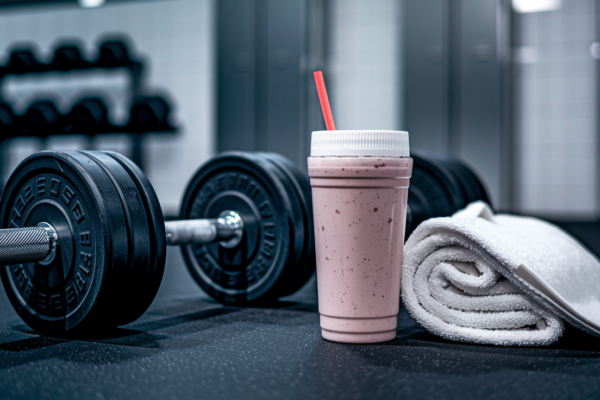
Think you must slam a protein shake within 30 seconds after a workout?
The so-called anabolic window isn’t a trapdoor, and most people are fine getting 20 to 40 grams of protein within two hours.
This intro explains the real benefits of a post-workout protein shake, faster repair, less soreness, and steady strength gains.
It also lays out simple timing rules you can use today: when to drink based on your last meal and how much protein to aim for after training.
Optimal Timing for Drinking a Protein Shake After Exercise

You don’t need to chug a protein shake within 30 seconds of racking the weight. The “anabolic window” isn’t slamming shut like some gym myth suggests. Getting 20–40 grams of quality protein within two hours of finishing your workout covers recovery for most people. If you trained hard and your last meal was three-plus hours before hitting the gym, go for the earlier side of that window. Had a solid meal an hour before? You’ve got more time.
Muscle protein synthesis, where your body repairs and builds new muscle, stays elevated for 24–48 hours after resistance training. Your post-workout shake is just one piece. It supplies amino acids when your muscles are ready to use them, but it’s not the only thing that counts. Consistent protein throughout the day, hitting your total daily target, spacing meals every three to four hours… all of it affects how well you recover and grow.
Here’s how to make timing work:
Consume within 0–2 hours if your workout was intense or you haven’t eaten protein in the past few hours.
Within 30–60 minutes helps if you’re training twice in one day or doing long endurance sessions where glycogen replacement matters.
Total daily protein beats hitting an exact minute on the clock. If you’re eating balanced meals with 20–40 g protein every few hours, a slight delay won’t wreck anything.
Pre-workout meal timing counts. Ate a solid protein meal an hour before training? You can take your time after.
Drinking a shake right after training gives you a fast hit of amino acids, especially with whey, which absorbs in about 20 minutes. That speed can reduce muscle breakdown and kickstart repair. But wait an hour and have a whole-food meal instead? The outcome is nearly identical for most goals. The real win is convenience. A shake is portable, easy to digest, keeps you from skipping protein when you’re busy or not hungry yet.
Recommended Protein Amounts After a Workout
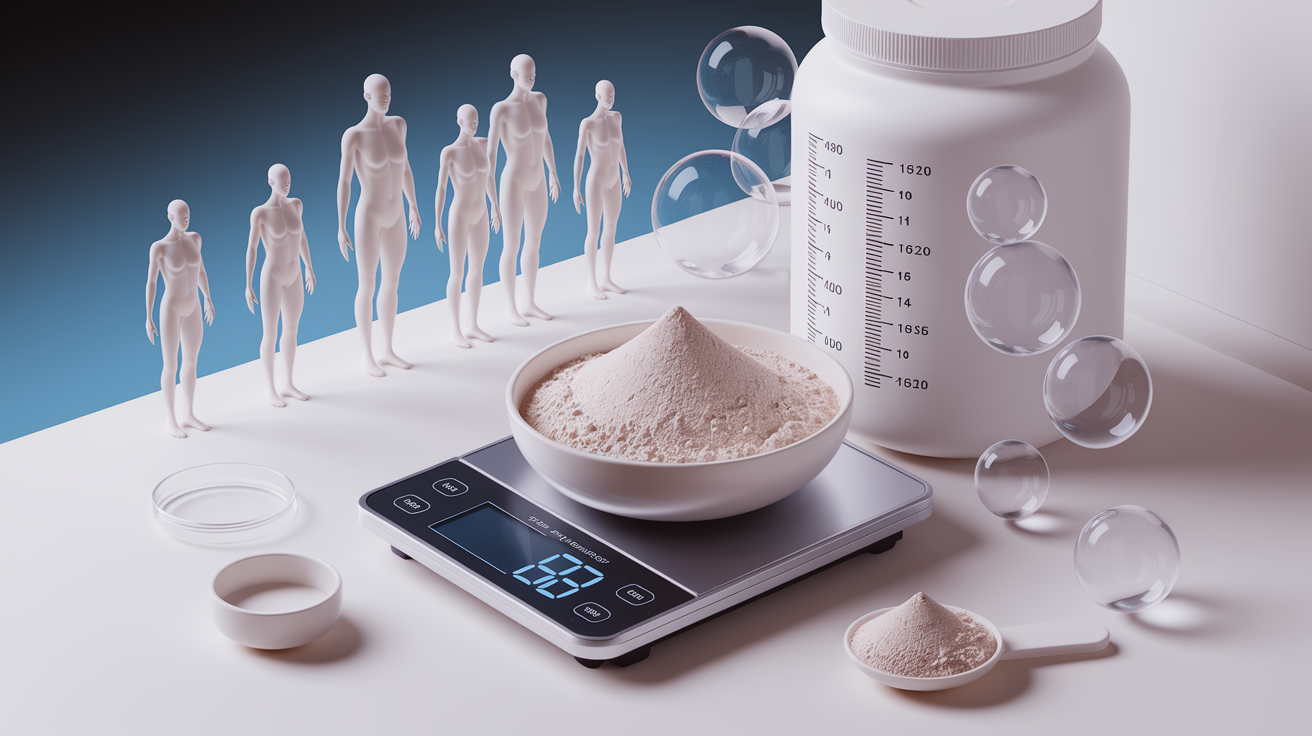
Most adults should shoot for 20–40 grams of quality protein per post-workout serving. For many people, 20–25 grams maxes out muscle protein synthesis in a single dose. Larger athletes, older adults, anyone doing heavy resistance training often benefit from the higher end, around 30–40 grams, to fully stimulate muscle repair. One simple rule: about 0.25–0.40 grams of protein per kilogram of body weight per meal. A 70 kg (154 lb) person would target about 17–28 grams, which rounds to 20–30 grams in practice.
Leucine, an amino acid in protein, is the key driver of muscle protein synthesis. You need about 2.5–3.0 grams of leucine per serving to flip that switch. A scoop of whey protein (25–30 grams) typically delivers 2–3 grams of leucine. Plant proteins often have less leucine per gram, so you might need a larger serving or a blend to hit the same threshold. If your shake contains 30 grams of pea protein or a soy-rice mix, you’re usually covered.
Quick breakdown by body size and training intensity:
Smaller adults (50–60 kg / 110–130 lb): 20–25 g protein post-workout.
Average adults (70–80 kg / 155–175 lb): 25–30 g protein.
Larger or very active adults (90+ kg / 200+ lb): 30–40 g protein.
Older adults (50+): 30–40 g to overcome anabolic resistance.
Endurance athletes: 15–25 g protein plus carbs for glycogen.
Don’t stress if you land a few grams above or below. Your body doesn’t waste protein, and hitting your total daily target, around 1.6–2.2 grams per kilogram of body weight, matters more than nailing an exact number in one shake.
Benefits of a Post-Workout Protein Shake
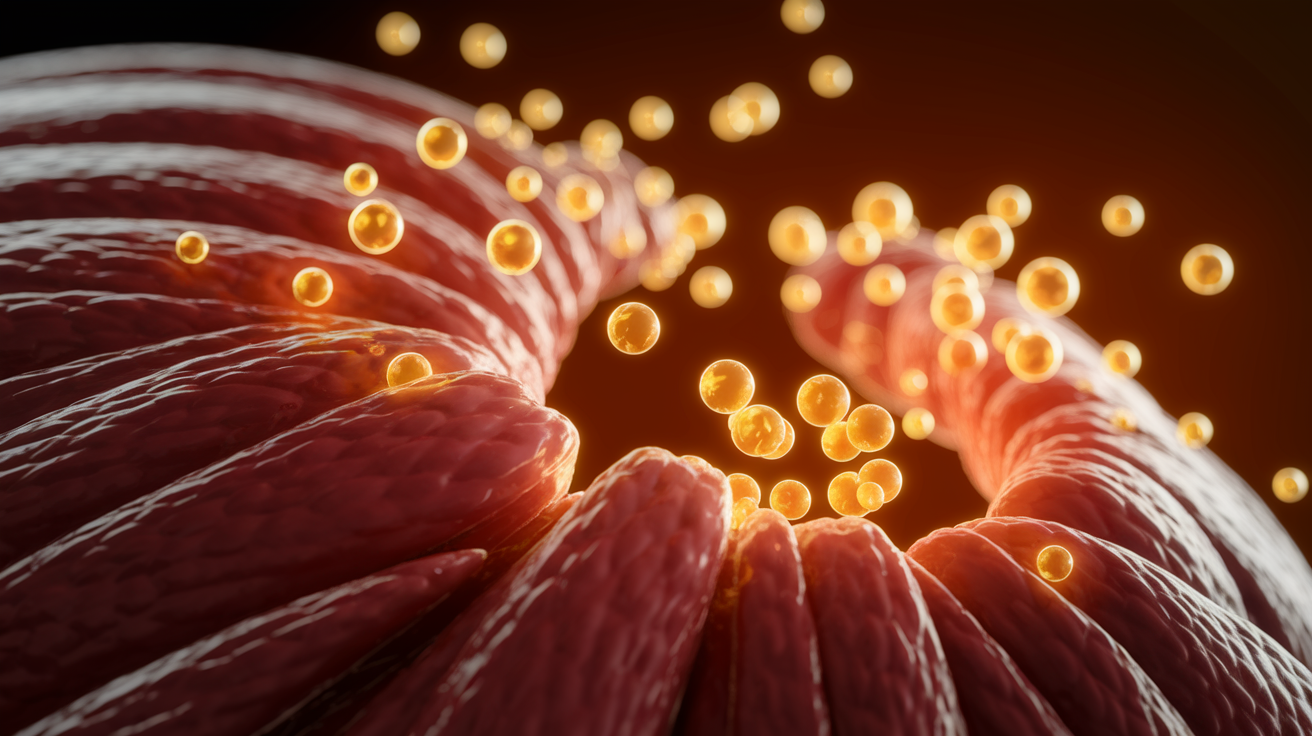
A protein shake supplies amino acids fast, especially if you use whey, which absorbs in about 20 minutes. That speed means your muscles get the building blocks they need right when they’re primed to repair. Whole-food meals can do the same job, but they take longer to digest. A shake works when you’re not hungry yet or when you need something portable and easy to stomach after a hard session.
Protein shakes are linked to reduced muscle soreness, the kind that makes sitting down painful two days after leg day. Delayed-onset muscle soreness, or DOMS, happens when you create microscopic damage in muscle fibers during training. Protein helps repair that damage faster. Studies show that consuming 20–30 grams of quality protein after resistance training can lower soreness scores and help you feel ready for your next workout sooner. Not magic, but a noticeable difference when you’re consistent.
Over time, post-workout protein supports better strength gains and muscle growth. Research from 2013–2018 shows that adding protein supplementation to resistance training increases muscle mass and strength compared to training alone, especially when your baseline protein intake is low. The effect isn’t huge if you’re already eating enough protein from whole foods, but it’s real. A shake is a repeatable, measurable way to hit your targets without planning a full meal every time you finish a workout. That consistency adds up over weeks and months.
Comparing Protein Types for Post-Workout Use
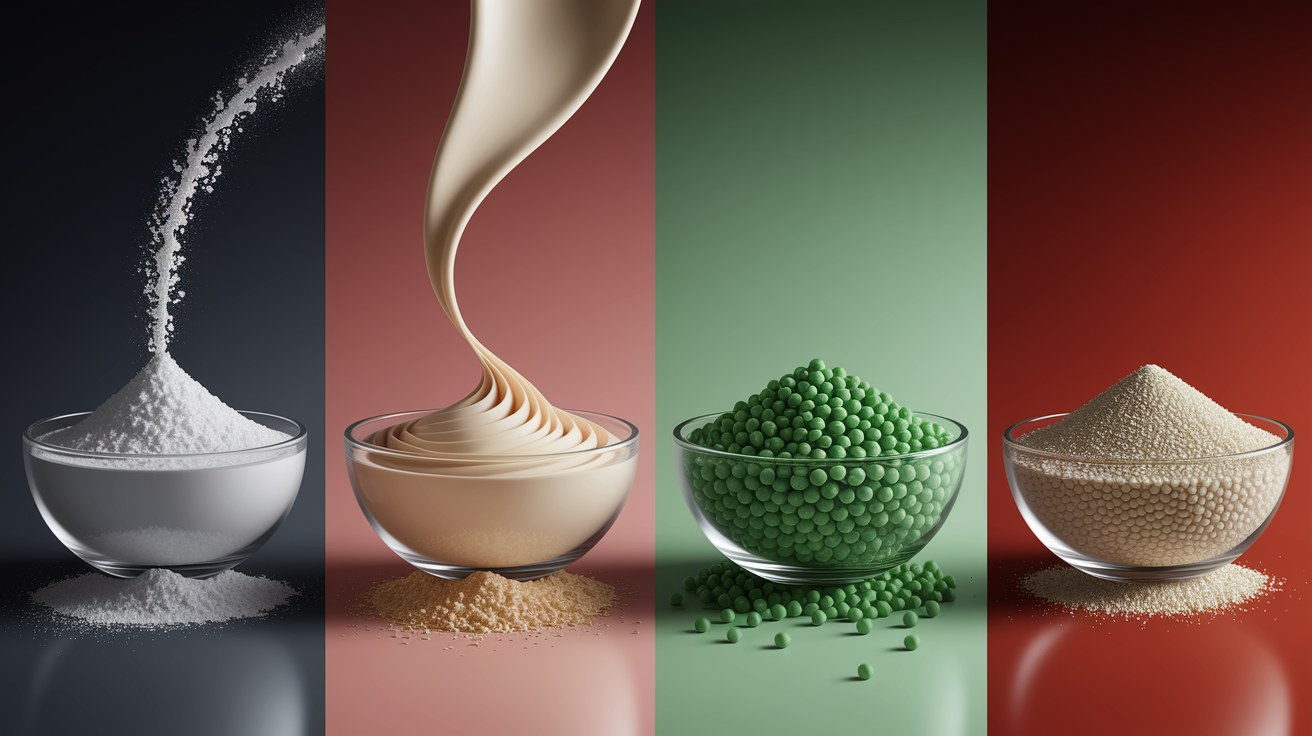
Not all protein powders work the same way. Digestion speed, amino acid profile, how quickly they raise blood amino acid levels… all of it matters for recovery. Here’s how the main types stack up.
Whey Protein
Whey digests fast, usually within 20–30 minutes, and it’s packed with leucine, about 10–12 percent by weight. A 25-gram scoop of whey isolate typically delivers around 2.5–3 grams of leucine, which is exactly what you need to trigger muscle protein synthesis. Whey isolate has more protein per scoop and less fat and carbs than whey concentrate. If you want the fastest hit of amino acids right after training, whey is the default choice. It’s also affordable and mixes cleanly.
Casein Protein
Casein is a slow-digesting protein, taking several hours to fully absorb. That makes it better for bedtime or long gaps between meals, not immediately after a workout when you want amino acids in your bloodstream quickly. Some people mix whey and casein to get both fast and slow release, but for post-workout simplicity, casein alone isn’t the top pick. It’s useful if you’re planning a long stretch without food, like overnight.
Plant-Based Proteins
Pea, soy, and rice proteins can all work post-workout, especially when blended to improve amino acid balance. Soy is a complete protein with all essential amino acids, and pea protein is close. Rice protein is lower in lysine, so it’s often paired with pea. Plant proteins generally have less leucine per gram than whey, so you might need 30–40 grams of plant protein to match the anabolic response of 25 grams of whey. If you’re vegan or lactose intolerant, plant blends with added leucine or BCAAs can close the gap. They digest slightly slower than whey but faster than casein.
| Protein Type | Digestion Speed | Key Benefit |
|---|---|---|
| Whey Isolate | Fast (~20–30 min) | High leucine, quick absorption |
| Casein | Slow (3–4 hours) | Sustained amino acid release |
| Pea Protein | Moderate (~45–60 min) | Complete amino profile for vegans |
| Soy Protein | Moderate (~45–60 min) | Complete plant protein, affordable |
Easy Homemade Post-Workout Shake Recipes
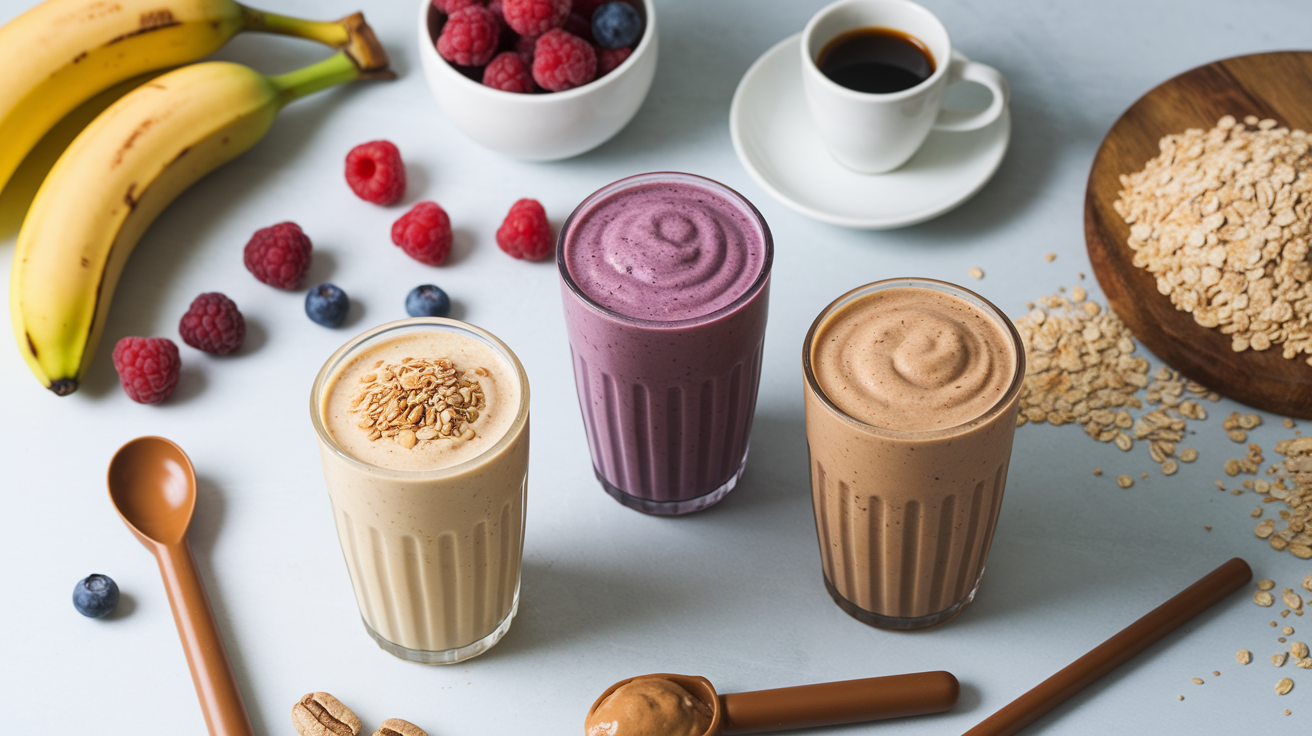
You don’t need fancy ingredients. These three recipes hit the sweet spot for protein, carbs, and convenience. Each takes about two minutes to blend and delivers what your muscles need without wasting time or money.
Classic Banana Whey Shake
This one tastes like a milkshake and covers all the bases: fast carbs from the banana, quality protein from whey, a little fat from peanut butter to keep you full. It’s smooth, not too sweet, easy to drink even when you’re not hungry yet. Mix it up if you want a go-to recipe that works every time.
1 scoop (25–30 g) vanilla or chocolate whey protein powder
1 medium banana (about 100 g)
250 ml skim or 2% milk
1 tablespoon natural peanut butter
Berry Blast Plant Shake
Frozen berries keep it cold without watering it down, and the oats add slow-release carbs that keep energy steady. Pea or soy protein works here because the berries and oats fill out the flavor. If you’re plant-based or just want to skip dairy, this is your recipe. It’s thick, filling, tastes like a smoothie bowl you can drink.
1 scoop (30 g) pea or soy protein powder
3/4 cup mixed frozen berries
1/4 cup rolled oats
300 ml unsweetened almond or soy milk
Coffee Power Shake
This one doubles as your post-workout recovery and your caffeine fix. The banana adds sweetness and carbs, the oats add body, the espresso wakes you up if you trained early or need to go straight to work. It tastes like a cold brew protein smoothie. Skip the espresso if you’re training at night.
1 scoop (25 g) vanilla or chocolate whey protein powder
1 banana
1 shot cooled espresso or 1/4 cup strong brewed coffee
2 tablespoons rolled oats
250 ml almond milk
Recommended Store-Bought Protein Powders
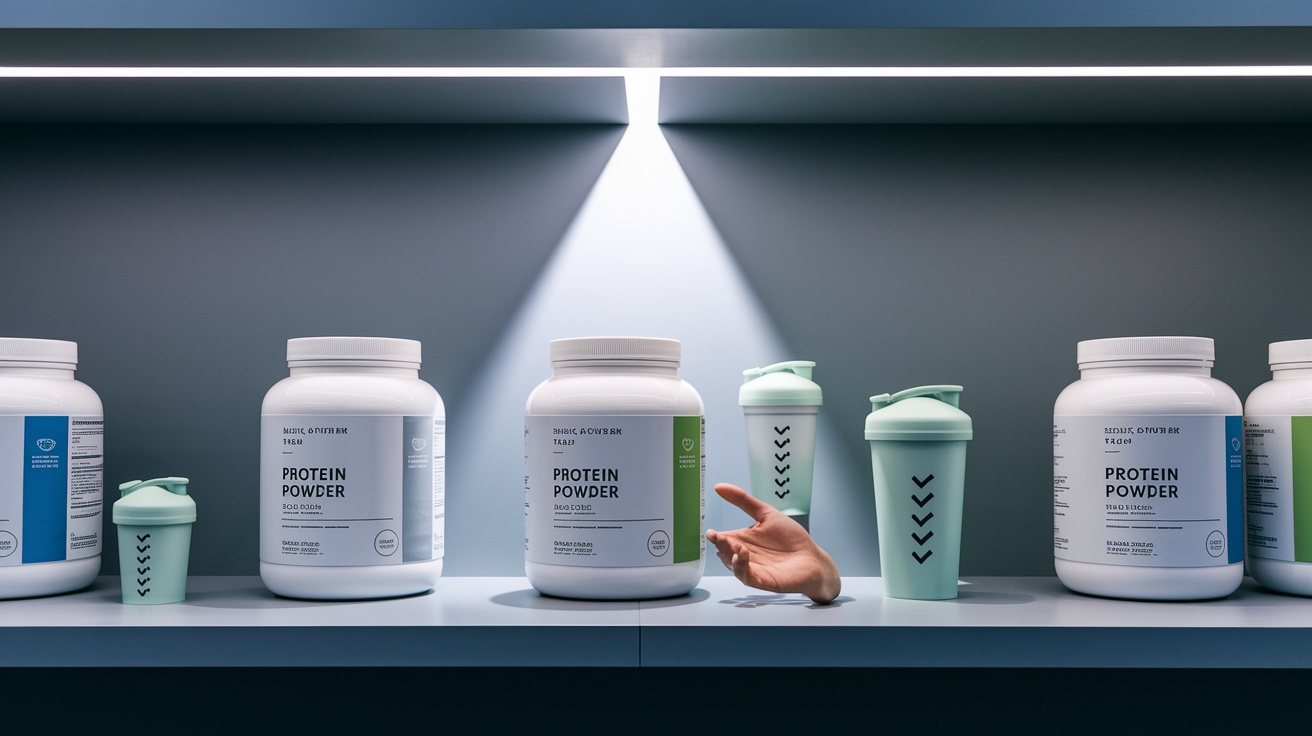
Look for powders that list protein as the first ingredient, keep added sugars low, ideally show third-party testing on the label. Mixability matters too. If your shake turns into a lumpy mess, you won’t use it. Check the leucine content if it’s listed, or go by total protein per scoop: 20–30 grams is the target.
Whey Isolate: highest protein per scoop, minimal fat and carbs, fast absorption, great for post-workout.
Whey Concentrate: slightly more fat and carbs than isolate, often cheaper, still effective, good if you’re not lactose sensitive.
Pea Protein: plant-based, nearly complete amino acid profile, pairs well with rice protein in blends.
Soy Protein: complete plant protein, affordable, moderate digestion speed, solid for vegans.
Protein Blends (whey + casein or pea + rice): balanced absorption curve, useful if you want both fast and slow release.
Lactose-Free Whey or Plant Options: isolates are naturally low in lactose, or choose almond/soy/pea if dairy is a no-go.
Final Words
Drink a shake within two hours of training and aim for 20–40 grams of high-quality protein; immediate intake helps but it’s not mandatory.
We covered how muscle protein synthesis stays elevated for 24–48 hours, why whey digests fast, casein is slower, and plant blends can work well. You also got simple recipes and powder categories to choose from.
Whether you blend a quick whey smoothie or grab a plant-based option, a post workout protein shake helps recovery and keeps progress steady.
FAQ
Q: Is it good to drink protein shakes after a workout?
A: Drinking a protein shake after a workout is beneficial: it supplies 20–40 g of high-quality protein within two hours to support muscle repair and recovery, though immediate intake isn’t mandatory.
Q: What is the 20 minute protein rule?
A: The 20 minute protein rule is the idea you need protein within 20 minutes; research shows muscle protein synthesis stays elevated 24–48 hours, so aim for 20–40 g of protein within two hours.
Q: What to put in a protein shake after a workout?
A: To put in a protein shake after a workout, include 20–30 g high-quality protein, a fast carb (banana or oats), 8–12 oz of liquid, and optional healthy fat like nut butter for satiety.
Q: Which shake is best after a workout?
A: The best shake after a workout is one with 20–40 g high-quality protein plus carbs; whey isolate is fast-absorbing, while a well-formulated plant blend provides complete amino acids for vegans.