Featured
Post-Workout Meal Timing and Composition for Strength Athletes: Maximize Recovery and Gains
By janicesmith
September 12, 2026
Field Notes
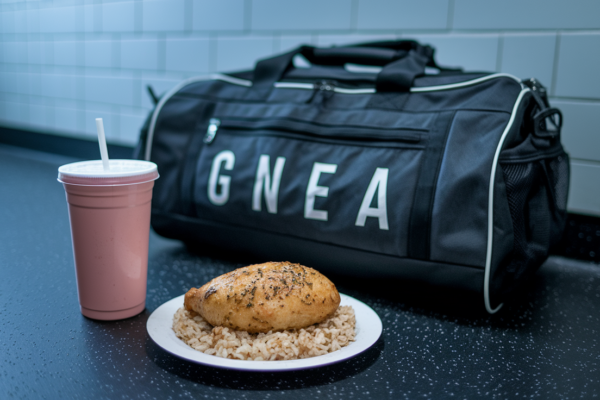
Think snagging a protein bar as you walk out of the gym is enough? Not quite.
This post lays out exactly when to eat and what to prioritize to speed repair and boost strength.
Short version: aim to eat within zero to two hours after heavy lifting, target about 40–45 grams of high-quality protein in your first post-workout meal, add roughly 50–60 grams of carbs after a single session (60–90 g for two-a-days), and keep fat moderate so digestion doesn’t slow recovery.
Read on for simple, practical rules and examples.
Solving Immediate Post-Workout Nutrition Needs for Strength Athletes

Most strength athletes train hard, walk out of the gym, and immediately start second-guessing themselves. Should I eat now or wait? Does this protein bar actually do anything, or did I just waste the last 90 minutes?
That confusion isn’t random. You want to know exactly when to eat, what to prioritize, and how much of each macronutrient actually moves the needle for recovery and growth.
Here’s what matters: total daily protein and calories build the foundation. But timing and meal composition? They give trained athletes a real edge when you use them right.
Research shows nutrient absorption stays elevated for about three hours after hard training. The practical takeaway is to eat within zero to two hours post-workout. During that window, typical protein targets sit between 20 and 40 grams per feeding. Many strength athletes see better results pushing that to 40 to 45 grams in their first post-workout meal. That’s roughly five to six ounces of chicken breast or eight to nine ounces of cod.
Carbohydrate needs depend on training volume. Single-session days call for 50 to 60 grams. Days with two sessions or very high activity often benefit from 60 to 90 grams to rapidly resynthesize muscle glycogen.
Whole foods deliver results as effectively as supplements. Whey shakes become useful when appetite is low or when you need to fit two meals into that three-hour window.
If you just finished your session and want a fast checklist, do this:
- Eat within 30 to 60 minutes post-workout whenever possible, always within two hours.
- Include at least 40 to 45 grams of high-quality protein from lean meat, fish, eggs, or a whey shake.
- Add 50 to 60 grams of carbohydrates from rice, potatoes, fruit, or oats. Increase to 60 to 90 grams if you have another session later the same day.
- Keep the meal moderate in fat to avoid slowing digestion, but don’t eliminate it entirely. One to two thumbs-worth of olive oil, avocado, or nut butter supports hormone regulation.
- Drink water consistently. Mild dehydration slows nutrient uptake and muscle protein synthesis.
Mixed meals naturally raise insulin to around three times baseline, which is exactly the 15 to 30 mU/L range that supports maximal protein balance and nutrient uptake. No sugary sports drinks or aggressive supplementation required.
Why Post-Workout Timing and Composition Matter for Muscle Repair
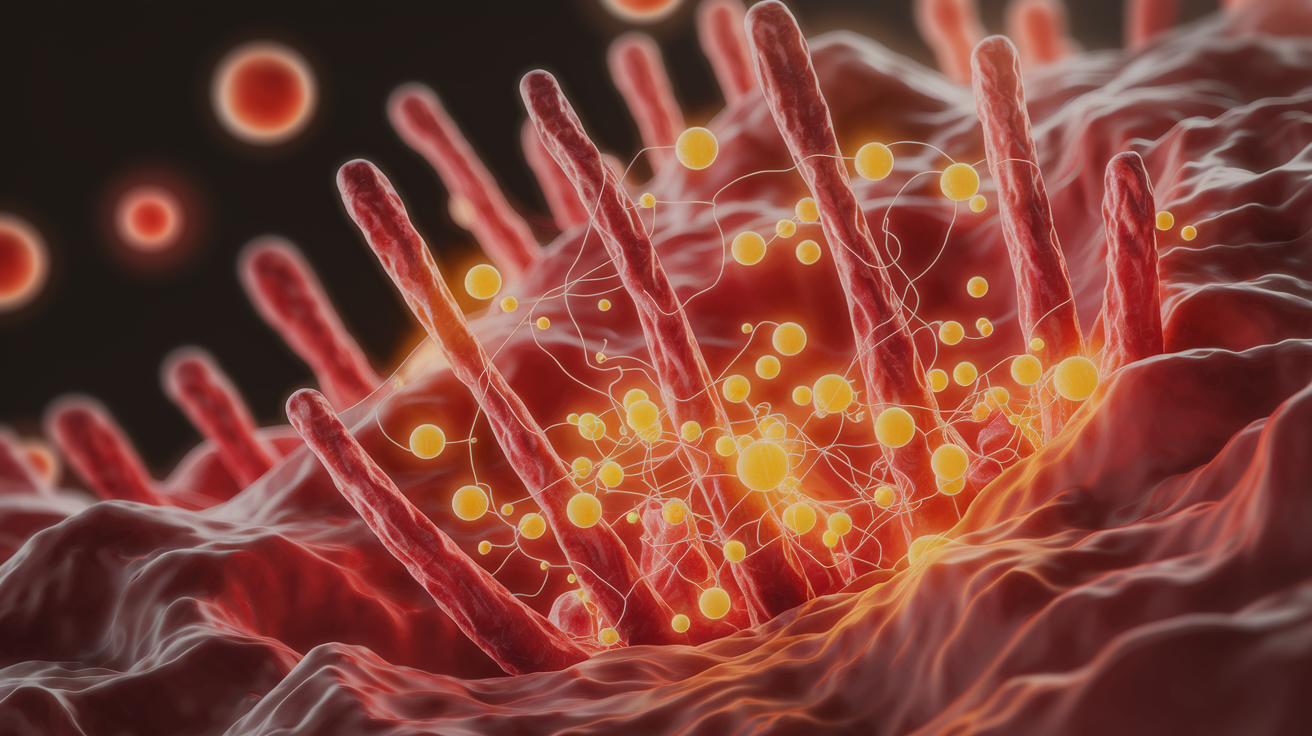
Training breaks down muscle fibers and depletes stored glycogen. Your body ends up in a heightened state of need for the raw materials that drive repair and adaptation.
That need is driven by real physiological mechanisms. Resistance exercise elevates insulin sensitivity, opens up amino acid receptors on muscle cells, and activates intracellular signaling pathways such as mTOR that trigger muscle protein synthesis. At the same time, circulating amino acid levels drop during and after intense training if no pre-workout or intra-workout nutrition was consumed.
Without incoming protein and carbohydrates, the body pulls amino acids from existing muscle tissue to fuel recovery processes. That slows net growth and prolongs soreness.
Feeding the body soon after training floods circulation with amino acids, raises insulin just enough to shuttle nutrients into cells efficiently, and gives glycogen stores the glucose they need to refill.
The timeline matters because absorption stays elevated for roughly three hours post-training. But the earlier you begin eating within that window, the sooner repair processes start. Whey protein begins absorbing within about one hour. Branched-chain amino acids move even faster at 15 to 25 minutes, though they only work when taken on an empty stomach.
Pre-workout and intra-workout decisions influence this timeline. Entering the gym in a fed state means amino acids are already circulating, which blunts muscle breakdown during the session itself and shortens the recovery lag afterward. Prolonged fasting before or after training reduces available nutrients when tissues need them most, delaying the start of synthesis and reducing the total amount of repair that occurs in the critical hours following your last set.
If you skip post-workout nutrition or wait too long, you don’t lose all progress. But you make recovery slower and less complete than it could be. That difference adds up over weeks and months, especially for athletes training multiple times per week at high volumes.
Optimizing Post-Workout Protein Intake for Strength Recovery
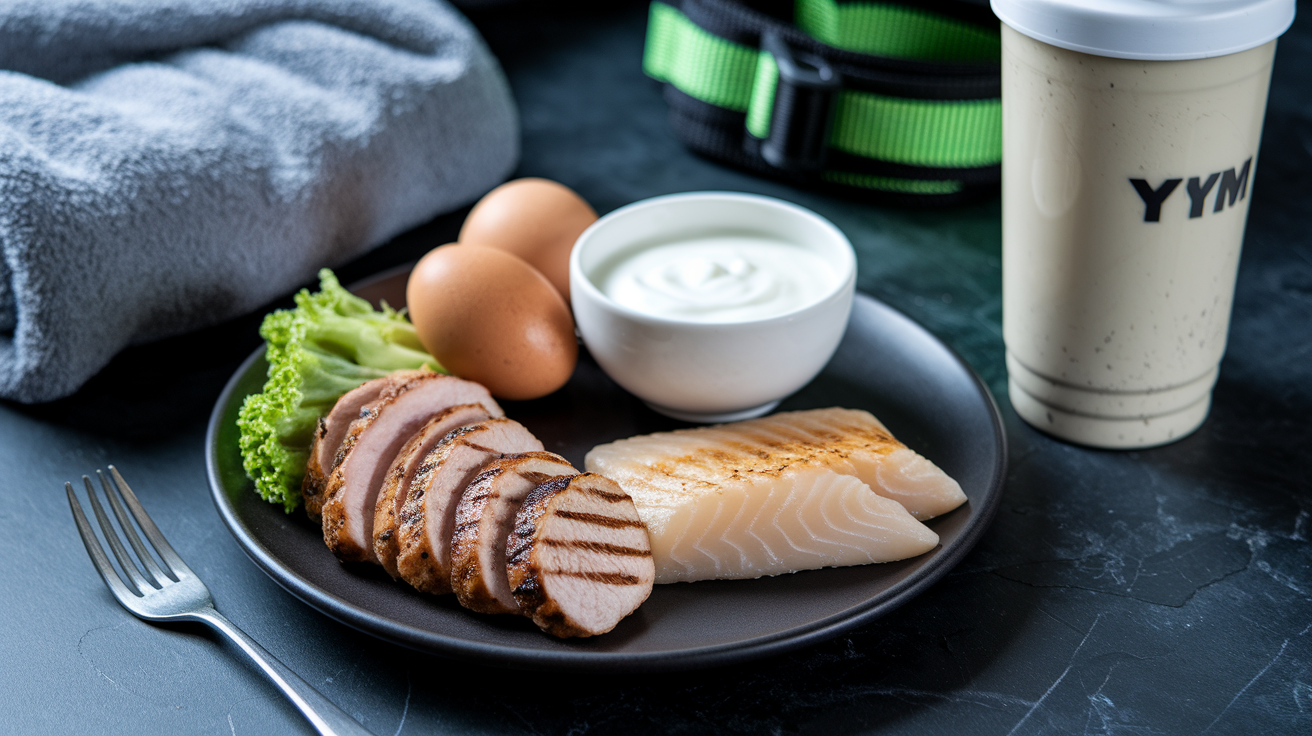
Protein provides the amino acids that rebuild damaged muscle fibers and signal growth pathways. Hitting the right dose in the right timeframe makes a direct difference in how much lean tissue you gain or preserve.
Evidence-based targets for strength athletes land at a minimum of 40 to 45 grams of protein in the first meal after training. Some larger or more advanced lifters go higher. That amount delivers enough leucine and other essential amino acids to maximize muscle protein synthesis without wasting excess protein through oxidation or excretion.
In practical terms, 40 to 45 grams looks like five to six ounces of grilled chicken breast, eight to nine ounces of white fish such as cod, or roughly eight to nine whole eggs if you prefer.
Spreading total daily protein across four to six feedings of 20 to 40-plus grams each keeps muscle protein synthesis elevated throughout the day rather than spiking once and falling off. That pattern matters as much as the immediate post-workout meal, because each feeding re-triggers synthesis for a few hours.
If you consumed a solid pre-workout meal one to three hours before training, your first post-workout feeding can sit at the lower end of the range since amino acids are still circulating. If you trained fasted or with only a light snack, prioritize the higher end. 40 to 45 grams or more to compensate for the lack of circulating nutrients during the session.
Ideal high-quality protein sources:
- Skinless chicken breast or lean turkey breast
- White fish such as cod, tilapia, or halibut
- Lean cuts of beef or bison
- Whole eggs or liquid egg whites
- Greek yogurt or cottage cheese (higher in casein, slightly slower but effective)
- Plant-based options such as tofu, tempeh, or a complete protein powder blend
Whey protein powder absorbs faster than whole foods. It becomes especially useful when appetite is low immediately after hard training or when you want to consume two separate feedings inside the three-hour anabolic window. A shake right after your last set, then a whole-food meal 60 to 90 minutes later.
Hydrolyzed or isolate whey formulations don’t show clear superiority over standard whey concentrate in most research. Save money and pick whichever tastes best and mixes easily. Whole foods remain just as effective for muscle protein synthesis as any supplement. The convenience of a shake is its only real advantage in the post-workout period.
Structuring Post-Workout Carbohydrates for Glycogen and Performance
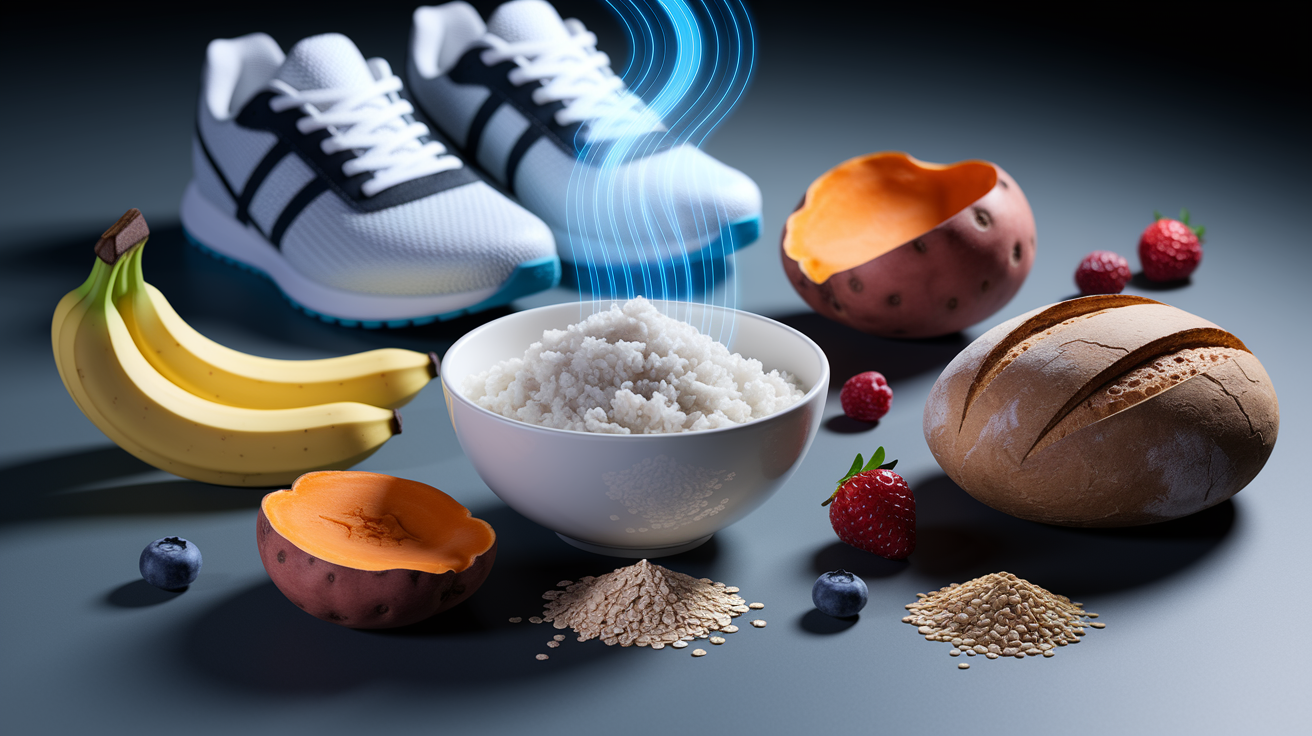
Carbohydrates restore the muscle glycogen you burned during heavy sets and help elevate insulin to the range that maximizes protein balance and nutrient uptake.
Strength athletes typically need 50 to 60 grams of carbohydrates after a single training session. Days with two sessions or unusually high training volume often benefit from 60 to 90 grams to rapidly resynthesize glycogen between workouts. Those amounts aren’t arbitrary. They reflect the rate at which muscle cells can absorb and store glucose in the hours immediately following exercise, when insulin sensitivity peaks and glucose transporters sit on the cell surface waiting for fuel.
Whole-food carbohydrate sources work perfectly well for most athletes. They provide fiber, vitamins, and minerals alongside the glucose your muscles need.
High-glycemic refined carbs such as white rice, sports drinks, or gels are only necessary when you have another glycogen-depleting session scheduled within eight hours. Competition weekends or two-a-day training blocks, for example. For typical one-session days, prioritize complex carbs and fruit. Save the fast sugars for true back-to-back demands.
Effective post-workout carbohydrate sources:
- White or brown rice, measured dry before cooking
- Sweet potatoes or white potatoes, baked or boiled
- Oats, steel-cut or rolled
- Whole-grain bread or pasta
- Bananas, berries, or other fresh fruit
- Jasmine rice or basmati rice for faster digestion when needed
- Quinoa or other whole grains if digestion allows
Combining protein and carbs in the same meal enhances glycogen storage compared to carbs alone. The mix naturally raises insulin to the 15 to 30 mU/L range that supports maximal protein balance without requiring any special timing tricks or sugary drinks.
| Training Context | Post-Workout Carbohydrate Target | Timing Priority |
|---|---|---|
| Single-session day, typical volume | 50–60 g | Eat within 0–2 hours; whole foods fine |
| Two sessions same day, or very high volume | 60–90 g | Eat within 0–1 hour; consider faster-digesting carbs |
| Fasted training, no pre-workout meal | 50–60 g minimum | Eat as soon as tolerable; liquid option if appetite low |
Using Fats Wisely in Post-Workout Meals
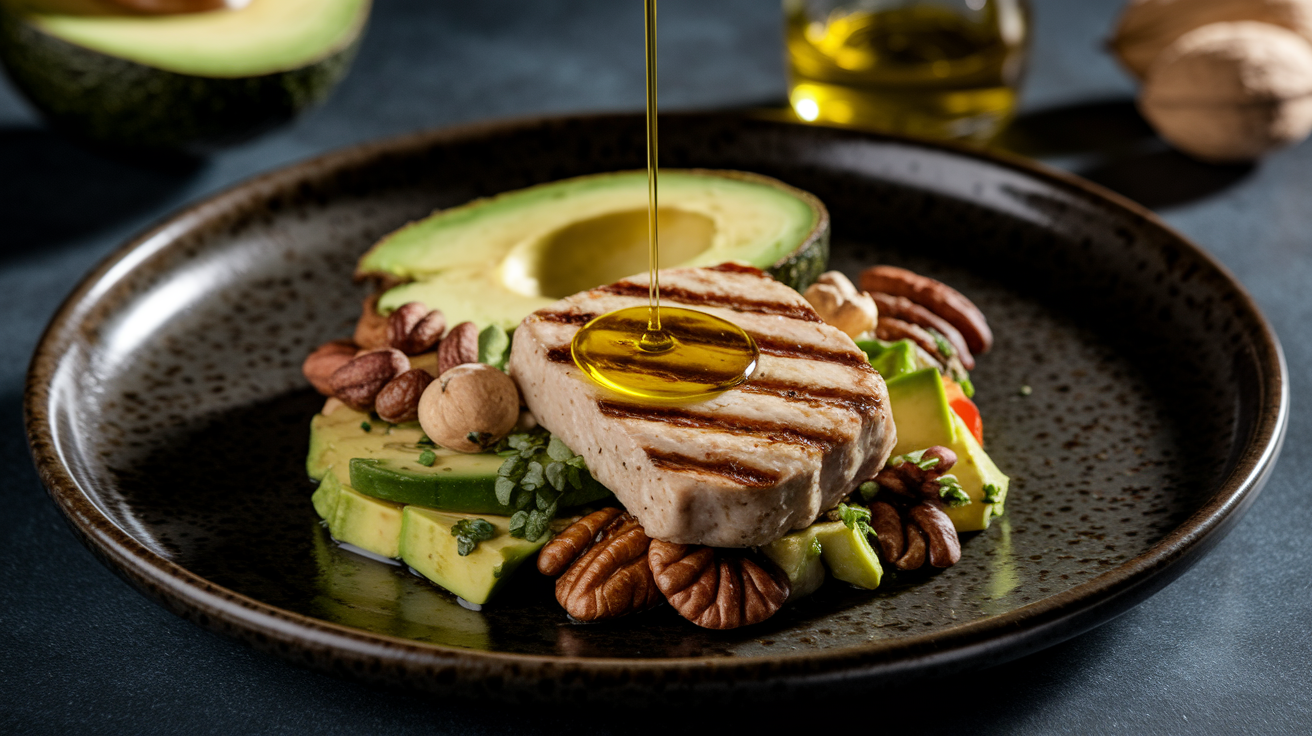
Fat doesn’t directly fuel glycogen replenishment or trigger muscle protein synthesis. But it doesn’t block those processes either. And it plays an essential role in hormone production and nutrient absorption.
Research has shown that consuming up to 55 grams of fat in a post-workout meal, plus another 55 grams across subsequent meals, didn’t impair glycogen resynthesis or protein balance compared to lower-fat meals. That finding contradicts older advice to avoid fat immediately post-workout. It gives strength athletes more flexibility to build satisfying, nutrient-dense meals without worrying that a serving of olive oil or avocado will ruin recovery.
The key is to keep fat moderate enough that digestion doesn’t slow uncomfortably, especially if you need to eat again soon or if you have another session later the same day.
One to two thumb-sized portions of quality fats such as extra virgin olive oil, avocado oil, nuts, seeds, or avocado itself fit well into most post-workout meals. They support testosterone regulation, reduce inflammation, and help absorb fat-soluble vitamins from vegetables.
Suggested healthy fat sources for post-workout meals:
- Cold-pressed extra virgin olive oil for cooking or drizzling
- Avocado or guacamole
- Raw or dry-roasted almonds, walnuts, or cashews
- Natural nut butters without added sugar
- Avocado oil for high-heat cooking
Prioritize protein and carbohydrates first. Then add fat to taste and satiety rather than eliminating it out of misplaced fear.
Adjusting Post-Workout Nutrition for Fasted or Early-Morning Training

Training first thing in the morning or after an extended overnight fast leaves your body without circulating amino acids or glucose to support performance and limit breakdown.
If you can’t eat a full meal one to three hours before an early session, branched-chain amino acids can provide a stopgap. They absorb in 15 to 25 minutes and reduce muscle protein breakdown during training when taken on an empty stomach.
BCAAs don’t replicate the performance benefits of a fed state. They don’t boost time-to-fatigue or power output the way carbohydrates do. But they prevent some of the catabolic damage that occurs when training with zero nutrients on board.
The critical rule is that BCAAs only help when taken alone. If you consume them with a meal or protein shake, they’re largely excreted unused because intact amino acids from food are already circulating and doing the job better.
After fasted training, the post-workout meal becomes even more important. Aim for at least 40 to 45 grams of protein and 50 to 60 grams of carbohydrates as soon as you can tolerate solid food, ideally within 30 to 60 minutes.
If appetite is low or nausea is an issue immediately post-session, start with a liquid option such as a whey shake blended with a banana and oats. Then follow with a whole-food meal 60 to 90 minutes later once digestion settles.
Fasted-friendly post-workout meal examples:
- Whey protein shake with one banana, half cup oats, and one tablespoon peanut butter blended with water or unsweetened almond milk
- Eight to nine scrambled liquid egg whites with one cup cooked white rice and half cup berries
- Greek yogurt (one and a half cups) mixed with granola and sliced banana
- Grilled chicken breast (five to six ounces) with one medium sweet potato and steamed broccoli
- Protein pancakes made with whey powder, egg whites, and oats, topped with fruit
Even if you prefer fasted training for personal or schedule reasons, don’t extend the fasted window after the session ends. That delay only prolongs the period when your muscles lack the nutrients they need to repair and grow.
Supplement Timing Strategies for Strength Athletes
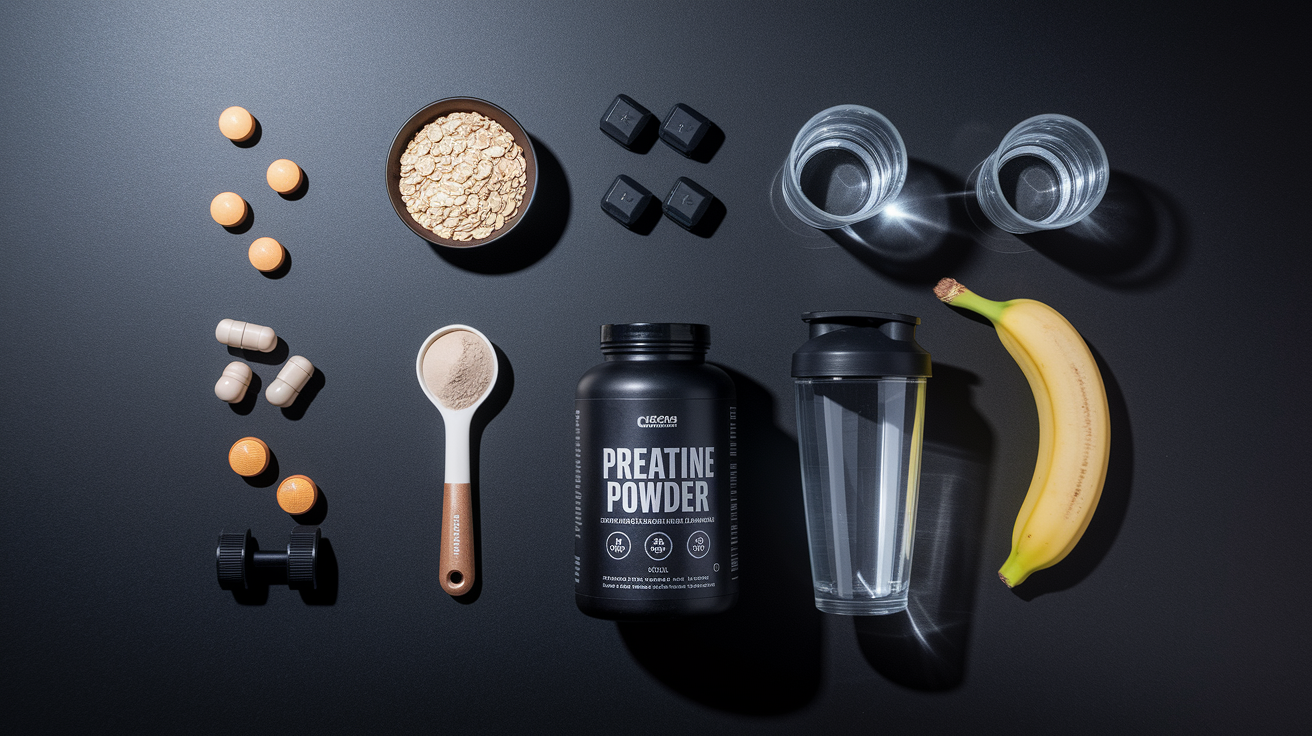
Supplements simplify post-workout nutrition when whole foods aren’t convenient. But they work best when timed and combined correctly.
Whey protein begins absorbing roughly one hour after consumption, which makes it ideal to drink immediately post-workout so that absorption overlaps with the elevated nutrient uptake window. If you consume a whey shake right after your last set and then eat a solid meal 60 to 90 minutes later, both feedings fit inside the three-hour anabolic window. You effectively deliver two waves of amino acids and carbs when your muscles are primed to use them.
Creatine uptake improves when taken alongside carbohydrates because insulin-mediated transport helps shuttle creatine into muscle cells more efficiently. Mixing creatine into a post-workout shake that already includes protein and carbs covers all bases at once and simplifies the routine.
Hydrolyzed protein powders, which are pre-digested into smaller peptides, don’t show clear superiority over regular whey in most studies. There’s no strong reason to pay extra for them unless digestion issues make standard whey uncomfortable.
Essential amino acids can help maintain amino acid availability during long training sessions or when training fasted. But they’re not a replacement for whole protein post-workout.
| Supplement | Primary Purpose | Timing | Dose Range | Combine With |
|---|---|---|---|---|
| Whey protein | Fast amino acid delivery | Immediately post-workout | 25–40 g | Carbs for glycogen and insulin |
| Creatine monohydrate | Phosphocreatine replenishment | Post-workout or any consistent daily time | 3–5 g | Carbohydrates to enhance uptake |
| BCAAs | Reduce breakdown during fasted training | Before or during session, on empty stomach only | 5–10 g | Nothing; taken alone |
| Essential amino acids (EAAs) | Maintain amino acid pool during long sessions | Intra-workout | 5–15 g per hour | Carbs if session exceeds 90 minutes |
| Casein protein | Slow overnight amino acid release | Before bed | 20–40 g | Optional small carb source if hunger present |
Supplements are tools, not magic. They work when they fit your schedule and preferences. But whole foods deliver the same results if you plan meals correctly and eat consistently around training.
Practical Post-Workout Meal Builds for Strength Athletes
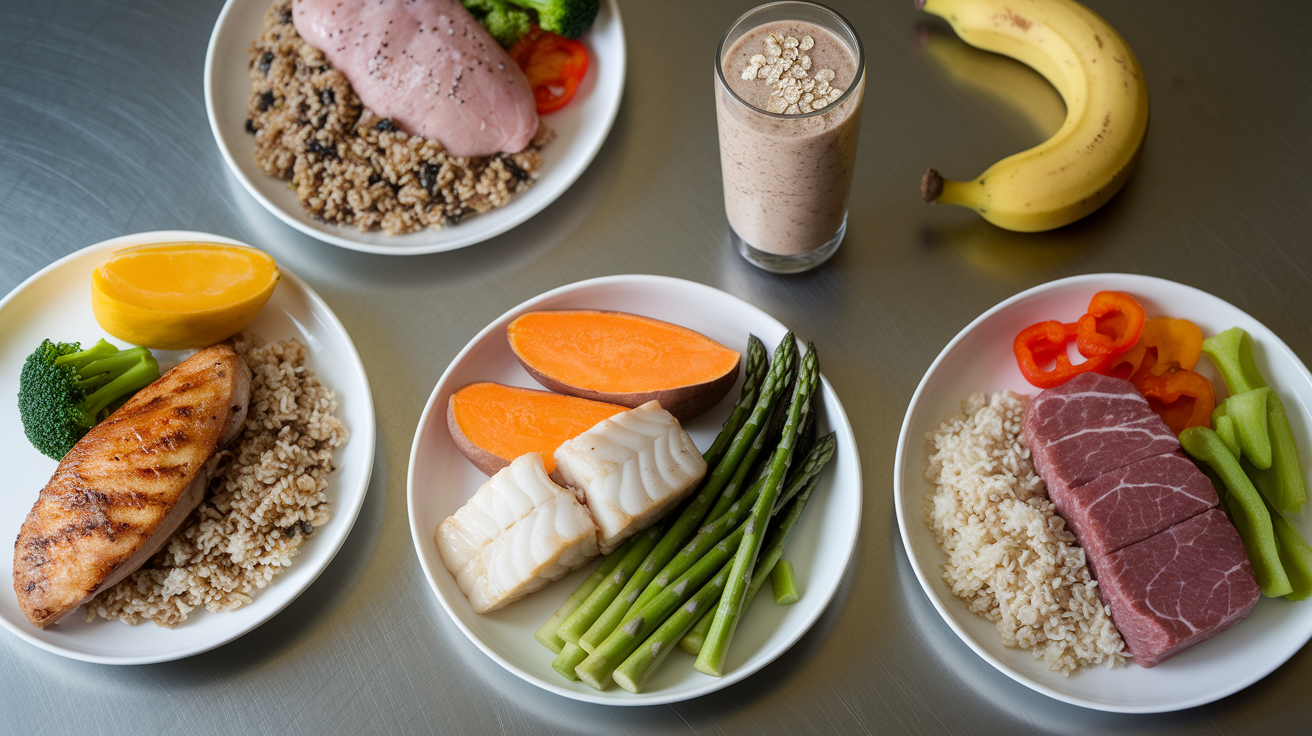
Knowing the targets is one thing. Actually building meals that hit 40 to 45 grams of protein and 50 to 60 grams of carbs without overthinking every ingredient is another.
Whole-food meals remain the gold standard because they provide micronutrients, fiber, and satiety alongside the macros you need. A simple formula is to pick one high-quality protein source, add one to two servings of starchy carbs, include vegetables for vitamins and digestion, and finish with a small amount of healthy fat for flavor and hormone support.
On heavy training days or when you have two sessions scheduled, increase carbohydrate portions to 60 to 90 grams. Consider using a two-meal strategy: drink a whey shake with fruit immediately post-workout, then eat a full whole-food meal 60 to 90 minutes later. That approach delivers nutrients early when absorption is highest and spreads intake across the window without forcing a huge meal when appetite is low.
Whole-food post-workout meal examples:
- Six ounces grilled chicken breast, one cup cooked brown rice, steamed broccoli, drizzle of olive oil
- Eight ounces baked cod, one medium baked sweet potato, asparagus, one tablespoon avocado oil
- Lean ground beef (six ounces cooked), one and a half cups cooked Jasmine rice, mixed bell peppers, salsa
- Eight whole eggs scrambled, two slices whole-grain toast, half avocado, side of berries
- Grilled salmon (six ounces), quinoa (one cup cooked), roasted Brussels sprouts, lemon and olive oil
Liquid post-workout options when appetite is low:
- One scoop whey protein, one banana, half cup oats, one tablespoon peanut butter, eight ounces unsweetened almond milk, blended
- One and a half cups Greek yogurt, one cup frozen mixed berries, quarter cup granola, blended or layered
- Two scoops whey protein, one cup frozen mango, half cup cooked white rice (cooled), water, blended until smooth
- One scoop whey protein, one medium apple, handful of spinach, quarter cup oats, cinnamon, water, blended
- One scoop casein protein, one banana, one tablespoon almond butter, ice, water, blended (slightly slower digestion but still effective)
Both strategies work. Pick the one that fits your hunger level, schedule, and tolerance, and stay consistent with it.
Prevention Strategies: Maintaining Steady Nutrient Availability Across the Day

The best way to avoid post-workout timing problems is to never let your body run out of nutrients in the first place.
Strength athletes benefit most from eating four to six meals or snacks spaced two to four hours apart, with each feeding containing 20 to 40-plus grams of protein. That pattern keeps muscle protein synthesis elevated throughout the day rather than relying on one or two large meals to do all the work. And it ensures that amino acids are circulating when you walk into the gym.
Pre-workout meals consumed one to three hours before training maintain nutrient availability during the session itself, which reduces breakdown and improves performance markers such as time-to-fatigue, power output, and force production.
Even a small snack 30 to 60 minutes before training, such as a banana with a scoop of whey or a handful of almonds with Greek yogurt, gives your body glucose and amino acids to burn instead of pulling them from muscle tissue.
Avoid long fasting windows that leave you nutrient-depleted during or immediately after training. Those gaps force the body to prioritize survival over growth and slow the speed at which repair processes begin.
If your schedule makes regular meals difficult, batch-cook proteins and carbs on rest days, portion them into containers, and store them in the fridge so you always have a post-workout option ready within 30 minutes of finishing training. Planning removes the decision fatigue that leads to skipped meals or poor choices when you’re tired and hungry.
Planning tips to maintain steady nutrient availability:
- Set recurring alarms or calendar reminders for meals two to four hours apart on training days
- Prep at least two days’ worth of cooked protein and carbs in advance
- Keep shelf-stable backup options such as protein powder, oats, nut butter, and canned tuna at home and in your gym bag
- Schedule your largest meal of the day one to three hours before your hardest training session to maximize fed-state benefits
Consistent daily intake beats perfect post-workout timing every time. But combining both gives strength athletes the full advantage.
When Strength Athletes Should Seek Additional Guidance
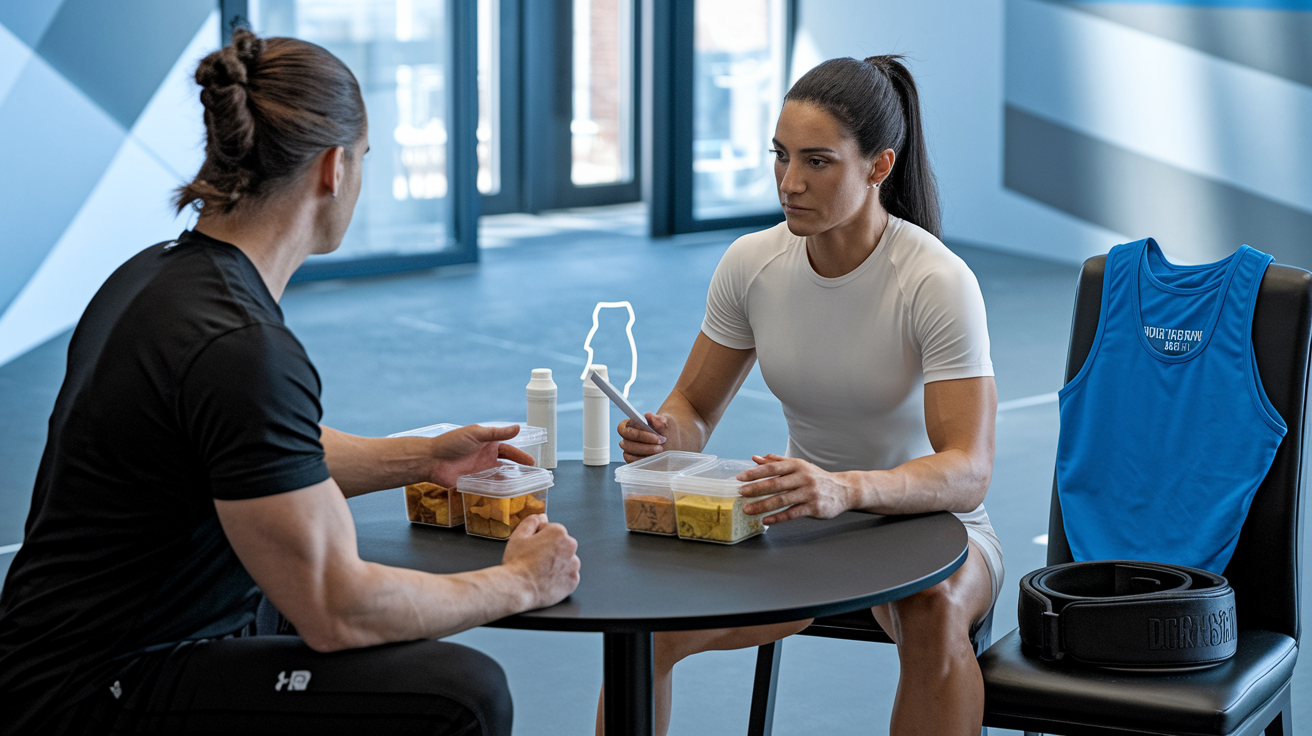
Most strength athletes can handle post-workout nutrition using the evidence-based targets and meal examples outlined here. But certain situations benefit from individualized planning.
Two-a-day training schedules demand precise timing and higher carbohydrate intake to restore glycogen between sessions. Competition weekends often require specialty strategies to peak performance while managing weigh-ins or travel logistics.
Athletes in weight-class sports face the added complexity of refueling after cuts or maintaining body composition during off-season training blocks, which may need calorie cycling and macro adjustments beyond general recommendations.
If you consistently train twice per day, compete at a high level, or need to manipulate body weight for your sport, working with a registered dietitian or certified sports nutritionist who understands strength training can help you fine-tune nutrient timing, adjust for individual digestion rates, and troubleshoot any issues that generic advice doesn’t solve.
Situations that often require expert guidance:
- Same-day multiple training sessions with fewer than eight hours between workouts
- Competition-day nutrition planning for powerlifting, weightlifting, or bodybuilding events
- Weight-class athletes managing aggressive cuts followed by rapid refueling protocols
Final Words
Get a solid feed within 0–2 hours after lifting: aim for 40–45 g protein and 50–60 g carbs (up to 60–90 g on heavy days). A whey shake followed by a whole-food meal works well when appetite’s low.
Timing helps trained athletes, but total daily intake and regular feedings (4–6 meals) matter most. Use fats sensibly and take creatine with carbs when possible.
Nail your post-workout meal timing and composition for strength athletes, and you’ll recover faster and keep getting stronger.
FAQ
Q: When should strength athletes eat after a workout?
A: Strength athletes should eat within 0–2 hours after a workout, with nutrient absorption elevated up to about 3 hours; prioritize this meal while remembering total daily intake drives long-term gains.
Q: How much protein should strength athletes eat post-workout?
A: The ideal post-workout protein amount for strength athletes is 40–45 grams in the first meal; aim for 4–6 feedings of 20–40+ g across the day to maximize muscle protein synthesis.
Q: How many carbohydrates should strength athletes consume after training?
A: The right post-workout carbs for strength athletes are typically 50–60 g after one session, and 60–90 g when you train multiple times daily to restore glycogen quickly.
Q: Do fats affect post-workout recovery?
A: Fats in post-workout meals don’t meaningfully blunt glycogen or protein synthesis; moderate healthy fats are fine, and up to about 55 g hasn’t shown impairment in resynthesis.
Q: Are whole foods as effective as supplements for post-workout recovery?
A: Whole foods are as effective as supplements for post-workout recovery; use whey when appetite is low or you need fast absorption, but chicken, eggs, and fish work equally well.
Q: What is the anabolic window and how important is it for strength athletes?
A: The anabolic window is the 0–3 hour period of elevated nutrient uptake after training; it’s useful to eat within 0–2 hours, but total daily intake still matters most for gains.
Q: What should I eat after fasted or early-morning training?
A: After fasted training you should consume a full mixed meal with ≥40–45 g protein and 50–60 g carbs; BCAAs can help during the session but don’t replace a post-meal.
Q: When should strength athletes take whey, creatine, or essential amino acids?
A: Whey is best immediately post-workout since it absorbs quickly; creatine pairs well with carbs for better uptake; EAAs are useful during long sessions to maintain amino acid availability.
Q: What are quick whole-food and liquid post-workout meal options?
A: Quick post-workout whole-food options include chicken with rice, salmon with sweet potato, or eggs with toast; liquid options include a whey shake plus banana, yogurt smoothie, or milk with oats.
Q: How often should strength athletes eat across the day to support recovery?
A: Strength athletes should spread 4–6 feedings of 20–40+ g protein spaced every 2–4 hours to keep amino acids available and support steady muscle repair and performance.
Q: When should strength athletes seek additional nutrition guidance?
A: Strength athletes should seek professional guidance for two-a-day sessions, competition weekends, or strict weight-class needs when timing, intra-workout fueling, and recovery must be individualized.