Fitness Equipment
Plant Based Protein Powder: Top Choices for Vegans and Athletes
By nutrition
September 12, 2026
Field Notes
Think plant protein is weak for building muscle? Think again.
From 20 to 30 grams per scoop, modern plant powders can match recovery, mix smoothly, and stay clean enough for tested athletes.
This post lists the top picks for vegans and athletes, explains why pea, rice, and seed blends matter, and points out certified options that lower heavy metals and banned-substance risk.
Read on to find the best powder for your goals, budget, and stomach – plus the one-scoop habits that help you get stronger.
Best Vegan Protein Powders (Top Picks Immediately)
Transparent Labs Organic Plant-Based Protein Isolate is the top pick for most people. You’re getting 24 grams of protein in a 32-gram scoop with a super clean lineup: pea protein, rice protein, natural flavors, stevia, and sea salt. No fillers, no artificial sweeteners, and it’s $1.66 per serving. Legion Plant+ Protein Powder sits right behind it, offering the same 24 grams from non-GMO pea and rice (Puris pea protein grown without glyphosate), six flavors like salted caramel and apple pie, and runs $2.50 per serving. Athletes chasing serious recovery should check out Vega Performance Protein + Recovery. It packs 30 grams of protein and 5 grams of BCAAs in a 44-gram serving from pea, pumpkin seed, and sunflower seed, plus tart cherry to fight soreness. The 19-serve tub costs $2.90 per serving, but the 44-serve XL drops that to $1.73.
Ritual Daily Shake 18+ wins on texture and convenience. It blends 20 grams of pea protein with added L-methionine into a surprisingly creamy shake that mixes perfectly in a shaker with plain almond milk. Priced around $2 to $3 per serving and backed by Clean Label Project certification and Informed Sport traceability. Garden of Life Sport Organic Plant-Based Protein Powder is the go-to for women and certified athletes, delivering 30 grams of protein from an organic multi-source blend (peas, navy beans, lentils, garbanzo, cranberry), NSF Certified for Sport and Informed Choice validated, with 3.4 to 6.7 milligrams of iron (up to 40 percent daily value) per two-scoop serving. Truvani Plant-Based Protein Powder earns its spot for sensitive stomachs. The unflavored version contains exactly three ingredients: organic pea protein, organic pumpkin seed, and organic chia seed. You get 20 grams of protein per scoop, and there are 14 flavor options sweetened with monk fruit.
| Brand | Protein per Serving | Price Range | Protein Source | Flavors |
|---|---|---|---|---|
| Transparent Labs Organic Plant-Based Isolate | 24 g | $1.66/serving | Pea, rice | French vanilla, chocolate |
| Ritual Daily Shake 18+ | 20 g | $2–$3/serving | Pea + L‑methionine | Vanilla |
| Vega Performance Protein + Recovery | 30 g | $1.73–$2.90/serving | Pea, pumpkin, sunflower | 5 options including vanilla, berry, peanut butter |
| Garden of Life Sport Organic | 30 g | $2–$3/serving | Multi‑bean blend (peas, navy, lentils, garbanzo, cranberry) | Vanilla, chocolate |
| Truvani Plant-Based | 20 g | $2–$3/serving | Pea, chia, pumpkin seed | 14 options including matcha, strawberry |
These brands rank highest for four main reasons:
Protein quality and amino acid completeness. Blends that pair pea with rice or seed proteins create balanced essential amino acid profiles. Single-source pea formulas like Ritual add L-methionine to fill the methionine gap.
Third-party testing and sport certifications. NSF Certified for Sport, Informed Choice, Informed Sport, and Clean Label Project badges screen for banned substances, heavy metals, and contaminants. This is critical given Consumer Reports data showing plant-based powders average nine times higher lead levels than dairy blends.
Cost efficiency at scale. Price per serving ranges from $1.66 (Transparent Labs) to $2.90 (Vega 19-serve tub), with bulk XL tubs lowering per-serving cost significantly. All deliver at least 20 grams of protein per scoop.
Mixability and ingredient transparency. Clean labels free of artificial sweeteners and fillers, combined with real user feedback on shaker and blender performance, make sure the powder integrates smoothly into daily routines without texture surprises or digestive upset.
Understanding Different Plant Protein Types
Pea protein dominates the vegan powder market because it delivers a high leucine content (around 8 percent of total protein by weight), making it effective for muscle protein synthesis. Extracted from yellow split peas, pea protein isolate is hypoallergenic, free from the top eight allergens, and highly digestible even for people with sensitive stomachs. Pea protein contains all nine essential amino acids but runs relatively low in methionine. That’s why most formulations pair it with rice protein or add synthetic L-methionine to round out the profile. Brands like Puris grow non-GMO peas without glyphosate and use water-based extraction to cut down on environmental impact and chemical residues.
Soy protein stands alone as the only single-source plant protein that matches whey’s amino acid completeness, scoring near 1.0 on the PDCAAS scale and supplying ample leucine, isoleucine, and valine for muscle recovery. Soy isolate is refined to remove most carbohydrates and fats, leaving 90-plus percent protein by weight. Clinical research consistently shows soy protein supports muscle gains comparable to dairy proteins when matched for total grams per serving. Some people avoid soy due to phytoestrogen concerns or soy allergies, but if you don’t have these sensitivities, soy offers a cost-effective, complete-protein option with decades of safety data.
Rice protein, typically sourced from brown rice, provides a mild, neutral flavor that blends well into smoothies and pancakes without the earthy undertones common in pea or hemp. Brown rice protein is hypoallergenic and gentle on digestion, though it’s lower in lysine compared to pea protein. That’s another reason formulators combine rice and pea to balance amino acids. Rice protein powder is often favored by people who experience bloating from legume-based proteins. When paired with pea in a roughly 30:70 or 50:50 ratio, the blend mimics a complete protein profile while maintaining smooth texture and clean taste.
Hemp protein brings more than protein to the table. A typical hemp powder includes omega-3 and omega-6 fatty acids in a roughly 1:3 ratio, plus fiber, magnesium, and iron from the whole seed. Hemp protein is less refined than isolates, which means it retains some fat and carbohydrate, resulting in a grainier texture and a lower protein percentage per scoop (usually 15 to 20 grams per serving versus 20 to 30 grams in isolates). Hemp has an earthy, nutty flavor that some users love in smoothies but find overpowering in plain shakes. Its amino acid profile is good but not as leucine-rich as pea, so it’s best used in blends or for users prioritizing whole-food nutrition over maximum protein density.
Amino Acid Profiles and Protein Quality
Soy protein scores approximately 1.0 on the Protein Digestibility-Corrected Amino Acid Score (PDCAAS), the same rating as whey, egg, and casein. That means it supplies all nine essential amino acids in proportions that match human requirements.
Pea protein earns a PDCAAS around 0.82 to 0.89, slightly lower than soy but still high enough to support muscle protein synthesis when consumed in typical 20 to 30 gram servings. Pea’s leucine content (roughly 8 percent) activates the mTOR pathway that triggers muscle growth. Pairing pea with rice protein (PDCAAS around 0.42 alone but higher in lysine) brings the combined blend close to or at a complete 1.0 score. Rice protein is rich in the sulfur-containing amino acids methionine and cysteine but low in lysine, while pea protein is high in lysine but lower in methionine. Mixing them in a 70:30 pea-to-rice ratio creates a balanced essential amino acid profile that rivals animal proteins.
Hemp protein typically scores between 0.46 and 0.66 on PDCAAS due to lower digestibility and modest lysine levels, but it compensates with a full spectrum of amino acids plus healthy fats and micronutrients.
Combining multiple plant proteins in a single serving or across daily meals makes sure you hit adequate amounts of all nine essential amino acids: leucine, isoleucine, valine (the BCAAs), methionine, lysine, phenylalanine, threonine, tryptophan, and histidine. You don’t need to rely on a single source. Blends that include pea, rice, pumpkin seed, and chia (as in some formulations) use each source’s strengths: pea for leucine and lysine, rice for methionine, pumpkin and chia for magnesium, zinc, and omega-3s. This creates a powder that delivers complete nutrition in one scoop rather than requiring you to rotate protein sources meal by meal.
Nutrition, Taste, and Mixability Factors
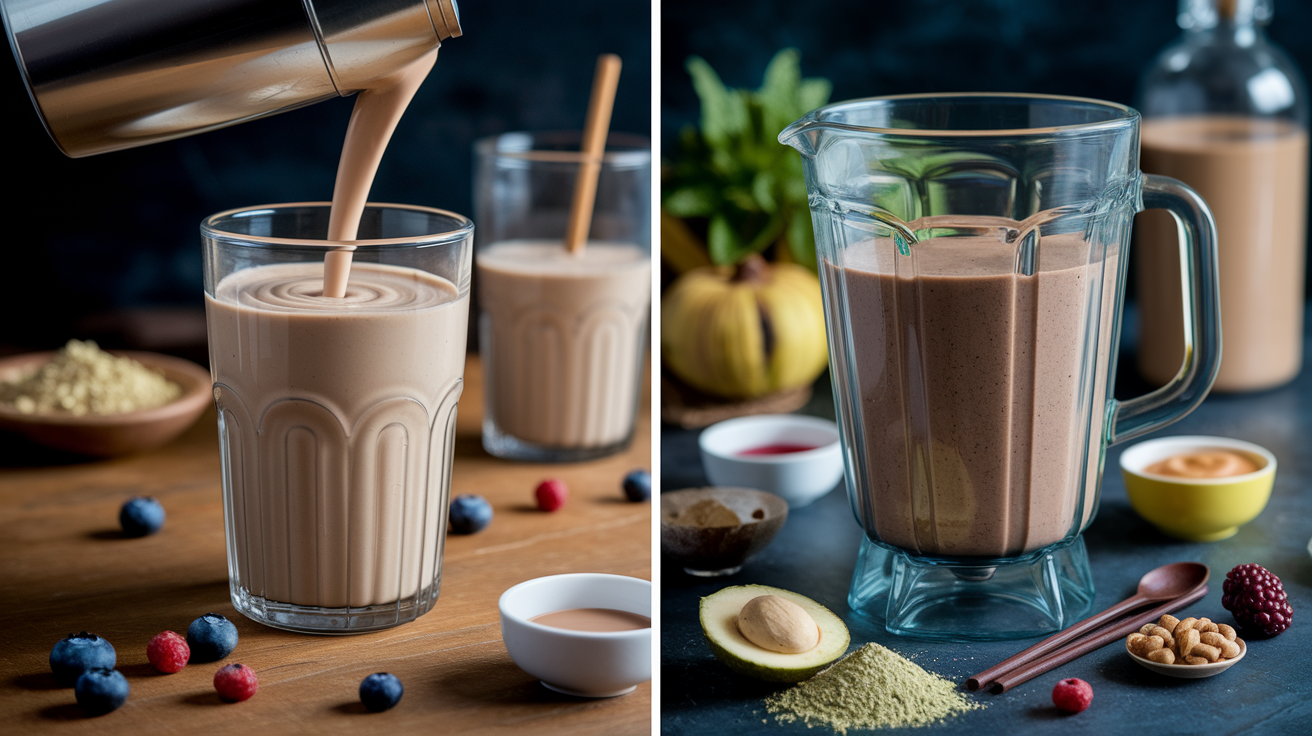
Plant-based protein powders vary widely in texture depending on the degree of refinement and the protein source blend. Pea protein isolates, especially those with added rice or seed proteins, typically mix smoothly in a shaker bottle with water or plant milk and produce a creamy, slightly thick shake with minimal grittiness. Hemp protein retains more fiber and fat from the whole seed, so it creates a grainier, earthier consistency that blends better in a high-speed blender with fruit and nut butter than in a simple shaker. Single-ingredient pea isolates can still feel a bit chalky on the tongue even when finely milled. That’s why brands add small amounts of xanthan gum, guar gum, or acacia fiber to improve mouthfeel, though these thickeners may cause gas or bloating in people with sensitive stomachs.
Flavor profiles reflect both the base protein and any added sweeteners, extracts, or superfood ingredients. Unflavored pea and rice blends taste mildly sweet and neutral, with a subtle earthy or beany note that disappears when mixed into oatmeal, chia pudding, or fruit smoothies. Flavored versions use natural vanilla beans, cocoa powder, and natural flavors to mask plant undertones. Most brands sweeten with stevia leaf extract, monk fruit extract, or coconut sugar rather than artificial sweeteners like sucralose or acesulfame potassium. Stevia and monk fruit are calorie-free but can leave a licorice-like or cooling aftertaste in sensitive palates, while coconut sugar adds 1 to 5 grams of natural sugar per serving and a richer, caramel-like sweetness without the aftertaste.
Many modern plant protein formulations include functional additives to improve digestion, absorption, and gut health. Common additions:
Digestive enzymes (protease, amylase, cellulase) to break down protein, carbs, and fiber and reduce bloating or gas after shakes.
Probiotics (Bacillus coagulans, Bacillus subtilis) to support gut microbiome balance and immune function.
L-glutamine to aid muscle recovery and maintain gut lining integrity during intense training.
MCT oil (medium-chain triglycerides) for quick energy and better satiety.
Adaptogens and botanicals (ashwagandha, tart cherry, turmeric) to reduce inflammation, support recovery, and manage stress.
Buying Factors and Usage Tips
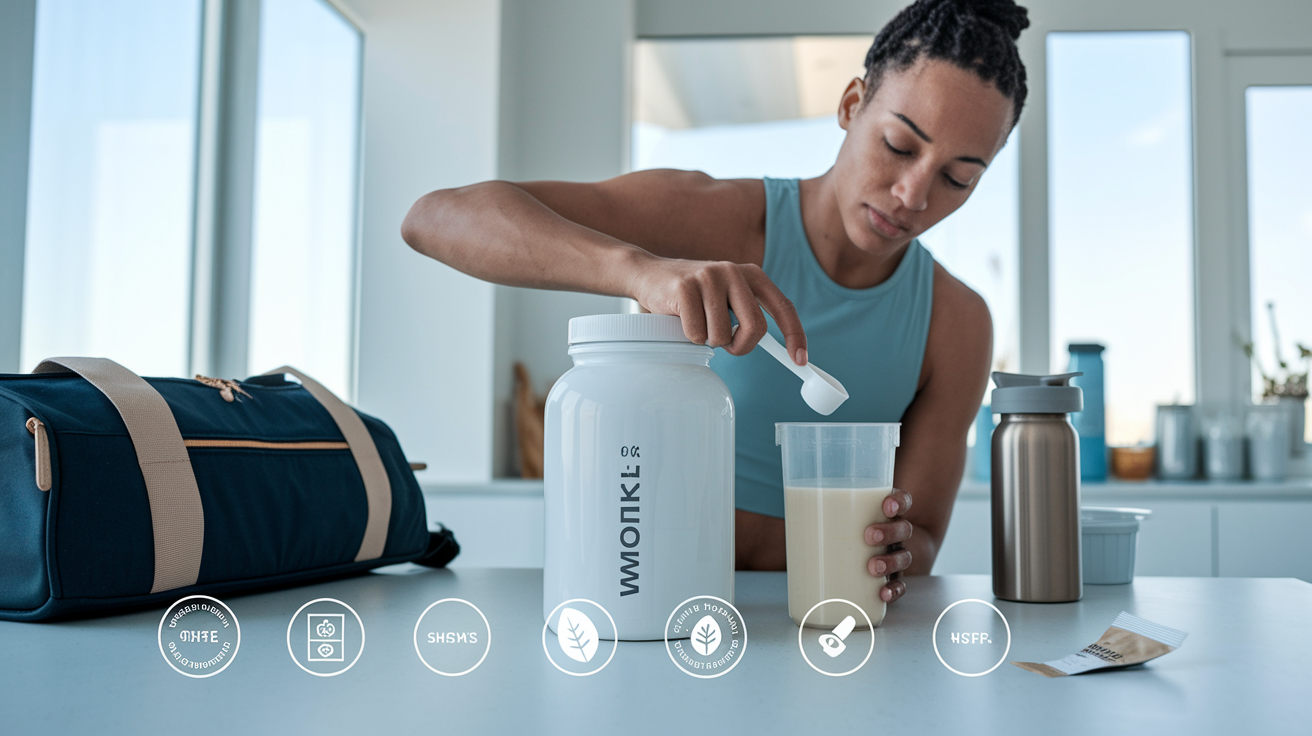
Start by checking the protein content per serving and the serving size in grams. Most quality vegan powders deliver at least 20 grams of protein per scoop, with high-performance and muscle-gain formulas reaching 30 to 40 grams. Look for organic certification (USDA Organic) if pesticide residues and GMO avoidance matter to you. Prioritize third-party testing badges like NSF Certified for Sport, Informed Choice, Informed Sport, or Clean Label Project certification to screen for heavy metals, banned substances, and label accuracy. These certifications are especially important for athletes subject to anti-doping rules and for anyone concerned about the Consumer Reports finding that plant-based protein powders averaged nine times higher lead levels than dairy blends due to environmental uptake by crops.
Read ingredient lists carefully if you have food sensitivities or prefer minimal additives. Single-ingredient pea isolates or three-ingredient unflavored blends (pea, pumpkin, chia) are cleanest, while flavored versions may include gums, natural flavors, stevia, monk fruit, or sugar alcohols like erythritol that can trigger digestive upset in sensitive users. Compare price per serving rather than per container, since tub sizes vary from 15 to 44 servings and bulk XL options can cut per-serving cost by 40 percent or more. Check the protein source blend. Pea plus rice or pea plus seed proteins offer better amino acid balance than single-source pea alone, and blends with added L-methionine fill the methionine gap in pea-only formulas without requiring a second protein type.
Here’s how to choose the right plant-based protein powder in five steps:
Match protein goal to serving size. If you need 20 grams for general health or weight loss, choose a low-calorie formula (100 to 130 kcal per serving). For muscle gain or meal replacement, look for 30 to 40 grams of protein and 150 to 400 kcal per serving.
Identify your protein source preference. Pea and rice blends work for most people. Soy isolate if you want a complete single source. Hemp if you prioritize whole-food nutrition and healthy fats. Multi-bean blends (peas, lentils, navy, garbanzo) for iron and fiber.
Check for allergens and sensitivities. Confirm the label is free from gluten, soy (if avoiding), and common fillers. Watch for sugar alcohols and stevia if you experience aftertaste or GI issues.
Verify third-party testing or transparency. Look for NSF, Informed Sport, Clean Label Project, or brand-published heavy-metal test results to cut down on contamination risk.
Test mixability and flavor with a small tub first. Buy a single-serve packet or smallest container size to trial taste, texture, and digestibility before committing to bulk.
For workout-focused usage, consume 20 to 30 grams of plant protein within 30 to 60 minutes post-training to support muscle protein synthesis. Or use a scoop in your pre-workout smoothie if you train fasted and want sustained amino acid availability. Plant proteins digest slightly slower than whey, so they provide a steady amino acid release over two to three hours. That makes them suitable for both immediate post-workout recovery and as a between-meal snack to maintain positive nitrogen balance throughout the day.
Final Words
Pick one of the top vegan protein powders we highlighted — the quick picks, comparison table, and short reasons list focused on protein per serving, taste, cost, and testing.
Match the protein type to your needs: pea, soy, rice, or hemp. Amino balance matters — soy scores about 1.0 on PDCAAS and pea about 0.82, so blends can help fill gaps.
Check mixability, flavor, and certifications, follow the buying steps, and aim for 20–30 g per serving. A plant based protein powder can make hitting your protein goals simple and reliable.
FAQ
Q: Is plant based protein powder good for you?
A: Plant-based protein powder can be good for you because it provides concentrated protein, usually less saturated fat, and sometimes fiber and micronutrients, making it a convenient choice for vegans, weight control, and recovery.
Q: What are the downsides to plant protein powder?
A: The downsides to plant protein powder include grainy texture, weaker amino balance if from a single source, added sweeteners or fillers, potential allergens (like soy), and sometimes a higher cost per gram.
Q: What is the best plant-based protein powder?
A: The best plant-based protein powder depends on your goals; pick a product with 20+ grams per serving, a complete amino profile (or blend proteins), third-party testing, good taste, and fair price.
Q: Why do doctors say no to protein powder?
A: Doctors may advise against protein powder because it can be unnecessary, hide poor diet habits, risk excess protein for some medical conditions, and sometimes contain contaminants or unlisted ingredients without strict oversight.