Featured
High-Protein Frozen Meals: Smart Selection Criteria for Quality and Nutrition
By robertgrahm
September 12, 2026
Field Notes
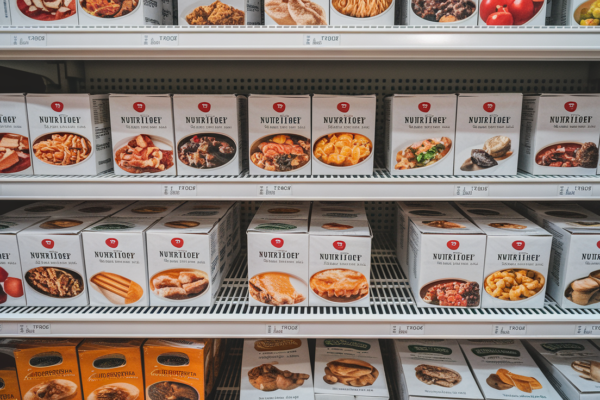
Think a frozen meal labeled “high protein” will fix your day? Not always.
Some bowls have 18 grams, others 31, and that gap changes how full you feel, how you recover, and whether you hit your daily protein target.
This post shows the clear numbers and red flags to watch, like protein targets, calorie and fiber ranges, sodium and saturated fat limits, and what real ingredients should look like.
Read on for a short, usable checklist you can use in the grocery aisle.
Key Criteria for Selecting High‑Protein Frozen Meals
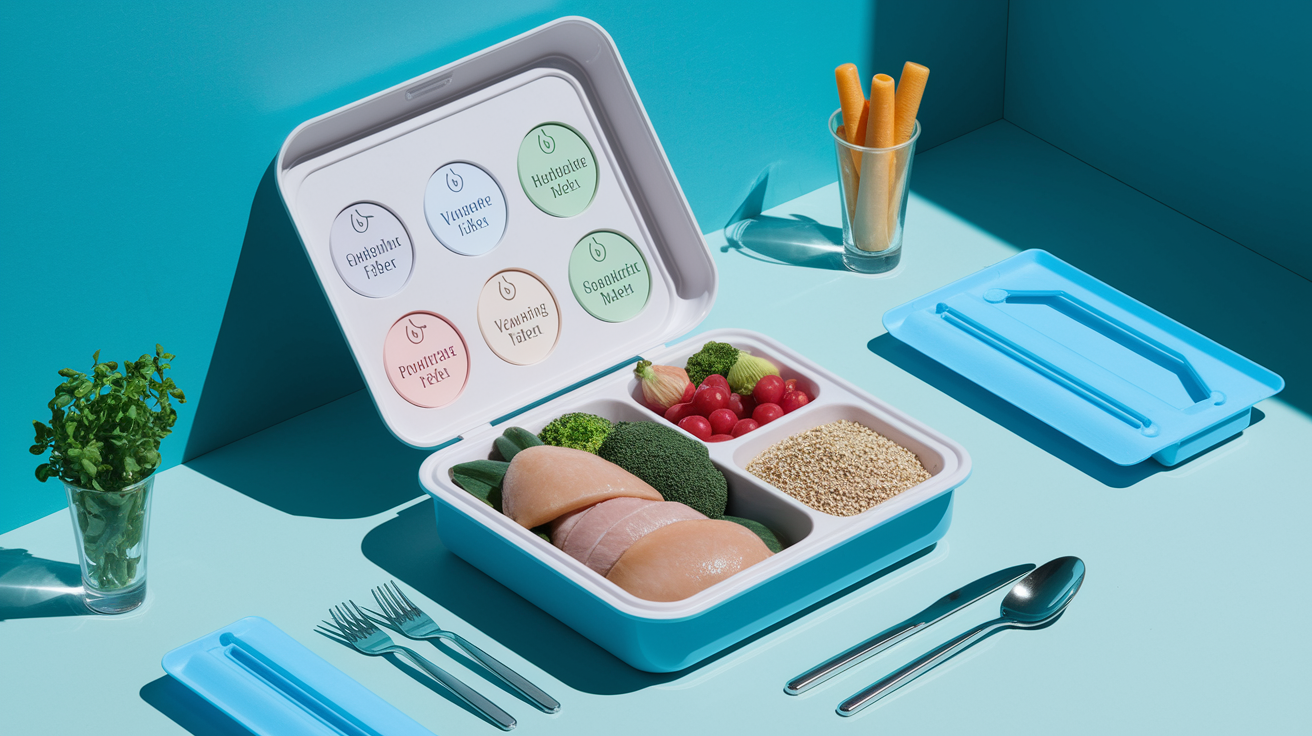
Choosing a high-protein frozen meal that actually supports your goals means looking past the big promise on the front of the box. You’ll see “high protein” stamped on meals that deliver anywhere from 18 to 31 grams per serving. That’s a 72 percent swing, and it matters if you’re counting on these meals to help you stay full, recover from training, or just get through a busy week without losing ground.
The baseline is straightforward. You want at least 20 grams of protein per meal if you’re serious about muscle maintenance, satiety, or recovery. If you’re lifting heavy, over 50, or pushing through a strength phase, bump that to 25 to 40 grams.
But protein grams are just where you start. A truly solid frozen meal keeps calories between 300 and 450 if you’re watching your weight, or 400 to 700 if you’re more active. You want at least 4 grams of fiber per meal (5 to 8 is better). Sodium should stay under 600 milligrams. If you’re dealing with blood pressure issues or tend to hold water, aim for 400 or less. Saturated fat should land under 4 to 6 grams, and added sugar should stay below 5 to 10 grams.
These aren’t random numbers. They’re what separate a meal that fits into a balanced day from one that just fills the microwave.
The ingredient list is just as important as the nutrition panel. The first three ingredients should be real food. Chicken, brown rice, broccoli. Not “water,” not “modified starch,” not a parade of isolates. When protein, fiber, calories, sodium, and ingredient quality all line up, you’ve got something that does more than kill time between meetings.
Quick Selection Checklist:
- Protein per serving: minimum 20 g (25 to 40 g for athletes or older adults)
- Calories: 300 to 450 kcal for weight control, 400 to 700 kcal for active schedules
- Sodium: ideally under 600 mg per serving (strict control under 400 mg)
- Fiber: at least 4 g per meal, preferably 5 to 8 g
- Saturated fat: under 4 to 6 g per serving, added sugar under 5 to 10 g
- Ingredient list: whole foods in the top three positions, short overall list
Why Many “High‑Protein” Frozen Meals Fall Short
There’s no legal definition for “high protein” on frozen meal packaging. One brand’s high-protein bowl might have 18 grams while another has 31, yet both can slap the same claim on the box. If you’re eating three frozen meals a day and you pick the low end of that range, you’re missing nearly 40 grams of protein compared to the high end. That gap shows up in how you feel, how you recover, and whether you’re still hungry by dinner.
Serving size games make it worse. A package looks like a single meal but lists two servings on the label, so the protein-per-serving number is half what you’ll actually get if you eat the whole thing. Some brands pad their formulas with soy protein isolate or whey concentrate alongside high-calorie fillers like rice, pasta, or heavy sauces. The protein percentage looks respectable on paper, but the meal delivers more starch and sodium than muscle-building fuel. Long ingredient lists full of chemical names, preservatives, and flavor enhancers usually mean the “protein” came from a lab, not a farm.
Common Marketing Tricks to Watch:
- “High protein” with no gram amount visible on the front panel
- Serving size listed as half or one third of the package you’ll actually eat
- Protein isolates buried in a long ingredient list after starches and fillers
- Eye-catching front claims (“30 g protein!”) paired with 800+ mg sodium hidden on the back
- Flashy packaging that distracts from a calorie count over 600 or fiber under 3 g
Evaluating Protein Quality in Frozen Meals
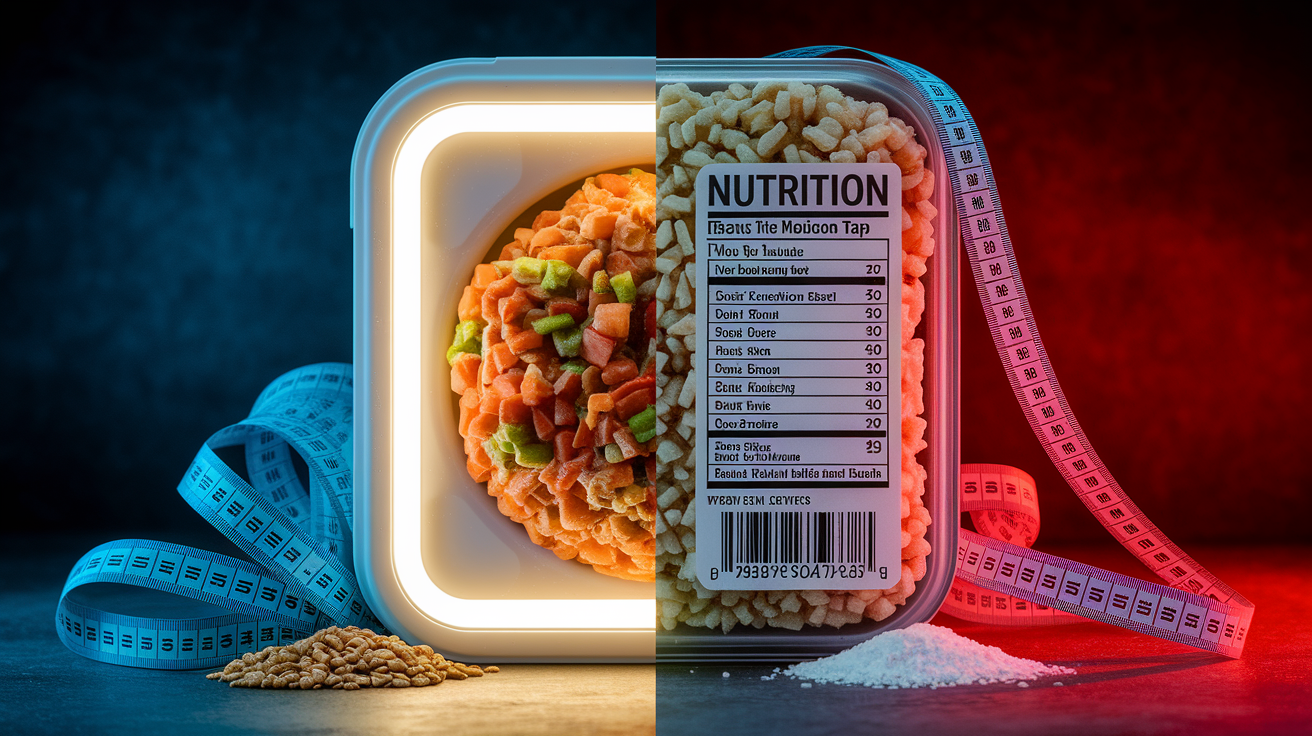
Protein grams alone don’t guarantee results. Amino acid completeness determines whether your body can actually use that protein for muscle repair, immune function, and staying full. Complete proteins contain all nine essential amino acids in the right amounts. You get them from chicken, turkey, fish, eggs, dairy, and a few plant sources like soy, quinoa, and hemp. Incomplete proteins, like beans, lentils, and most grains, are missing one or more essential amino acids. Pairing them within the same day fills the gaps.
The protein-to-calorie ratio is a quick quality filter. Divide grams of protein by total calories. A ratio of 0.080 or higher signals “very good” protein density, like grilled chicken with a side of veggies. A ratio of 0.100 or above is exceptional. A meal with 25 grams of protein and 500 calories scores 0.050. Decent on paper, but inefficient if you’re trying to hit protein targets without blowing through your calorie budget. A meal with 30 grams and 300 calories hits 0.100, meaning you get more muscle-building fuel per bite.
Preferred vs. Secondary Quality Protein Sources
Preferred sources (complete, minimally processed): Chicken breast, turkey, salmon, tuna, whole eggs, Greek yogurt, cottage cheese, tofu, edamame, tempeh, lean beef (short ingredient list).
Secondary sources (useful but require pairing or scrutiny): Black beans, lentils, chickpeas, pea protein isolate, textured vegetable protein, reformed or heavily processed meats (check for nitrates and long additive lists).
| Meal Type | Typical Protein Source | Amino Acid Completeness | Efficiency Note |
|---|---|---|---|
| Chicken & Vegetable Bowl | Whole chicken breast | Complete | High ratio, minimal fillers |
| Plant-Based Burrito | Beans + rice | Complete when paired | Watch for added sodium, lower ratio |
| Salmon & Quinoa | Wild-caught salmon, quinoa | Complete (both sources) | High omega-3, good ratio if portion controlled |
| Pasta Alfredo with “Protein Boost” | Whey isolate added | Complete but processed | Often high calorie, lower efficiency |
Assessing Macronutrient Balance and Overall Nutrition
A balanced frozen meal distributes energy across protein, carbs, and fats in proportions that support stable blood sugar, lasting fullness, and recovery. You’re looking for roughly 20 to 35 percent of calories from protein, 35 to 50 percent from carbs, and 20 to 35 percent from fats.
For a 450-kilocalorie meal, that translates to about 25 to 30 grams of protein (100 to 120 calories, or 22 to 27 percent), 40 to 55 grams of carbohydrate, and 10 to 18 grams of fat. This balance keeps you full longer than a carb-heavy plate and delivers enough energy to fuel a workout or a busy afternoon without the crash.
Fiber is the unsung hero here. You want at least 4 grams per serving, with 5 to 8 grams being even better. Fiber slows digestion, supports gut health, and keeps hunger at bay between meals. Added sugars should stay under 5 to 10 grams. Anything higher usually means sweetened sauces or dessert-style glazes that spike blood sugar without adding satiety. Saturated fat below 4 to 6 grams per meal helps keep cardiovascular risk in check, especially if you’re eating multiple frozen meals per week.
When you scan the nutrition panel, ask yourself if the meal could plausibly keep you satisfied for three to four hours. If the protein is high but fiber is under 3 grams and carbs are mostly refined pasta, you’ll likely be hungry again within 90 minutes. If fat is over 20 grams and most of it is saturated, you’re getting calories that don’t deliver much functional benefit.
Key Nutrient Thresholds to Target:
- Calories: 300 to 450 kcal for weight control, 400 to 700 kcal for active lifestyles
- Fiber: minimum 4 g per meal, ideally 5 to 8 g
- Added sugar: under 5 to 10 g per serving
- Saturated fat: under 4 to 6 g per serving
Example 450-kcal Macronutrient Breakdown:
Protein 28 g (112 kcal, 25%), carbohydrate 48 g (192 kcal, 43%), fat 15 g (135 kcal, 30%), fiber 6 g.
Identifying Ingredient Quality and Avoiding Additives
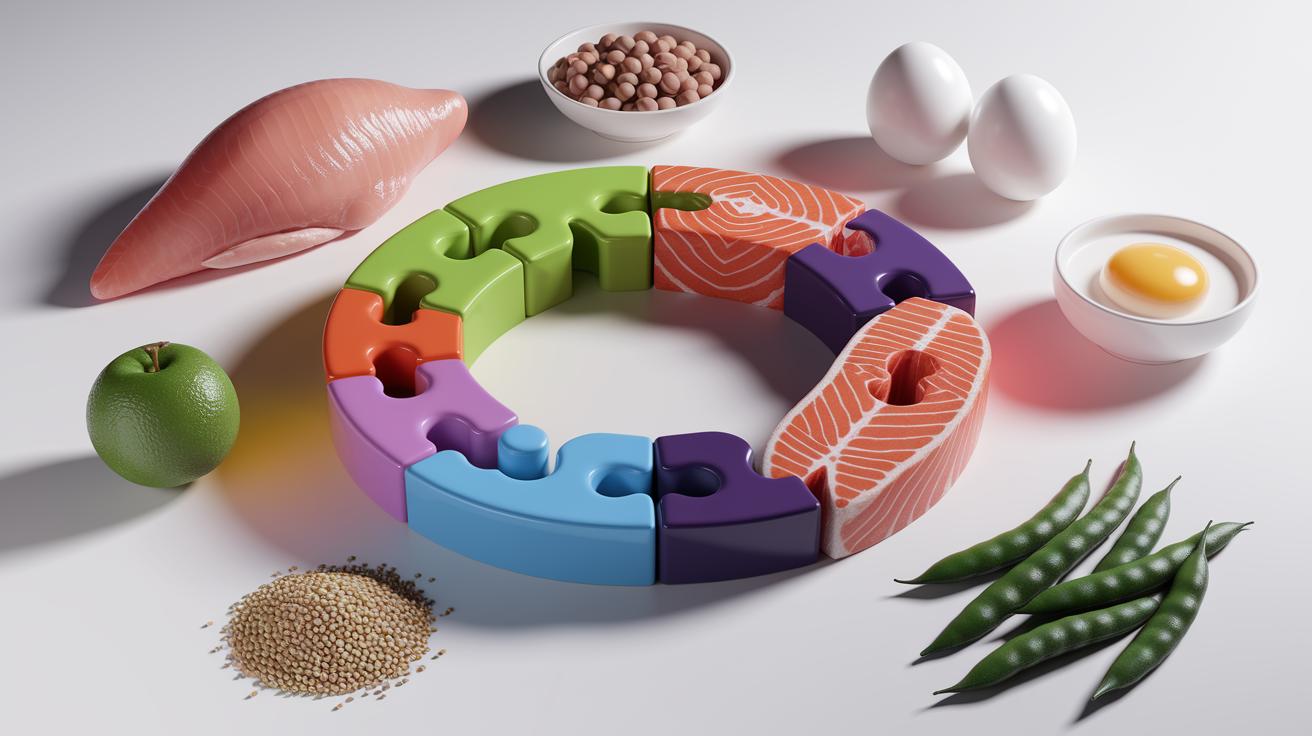
Short ingredient lists built around whole foods signal a meal closer to what you’d cook at home. Grilled chicken, sweet potato, spinach, olive oil. When the list stretches past ten or twelve items and includes words you’d struggle to pronounce, you’re looking at a product engineered for shelf stability and flavor enhancement rather than nutrition.
The first three ingredients carry the most weight by volume. If you see “water,” “modified cornstarch,” or “textured soy protein concentrate” up top, the meal is built on fillers, not fuel.
Look for meals where the protein source appears first or second, followed by recognizable vegetables and whole grains. Olive oil, coconut oil, or avocado oil are cleaner fat sources than “vegetable oil” (often soybean) or anything labeled “partially hydrogenated.” If dairy appears, look for real cheese, Greek yogurt, or cottage cheese rather than “cheese product” or “dairy solids.”
Ingredients to Prioritize
Whole-food proteins (chicken breast, turkey, salmon, eggs, tofu), intact vegetables (broccoli, bell peppers, kale, carrots), whole grains (brown rice, quinoa, farro, whole-wheat pasta), legumes (black beans, lentils, chickpeas), clean fats (olive oil, avocado, nuts), natural seasonings (garlic, onion, herbs, spices).
Additives to Avoid
Certain preservatives and flavor enhancers extend shelf life and boost taste at the cost of ingredient transparency and, in some cases, health outcomes. Avoid or minimize exposure to the following:
| Additive Type | Common Names | Why to Avoid |
|---|---|---|
| Trans fats | Partially hydrogenated oils | Linked to cardiovascular disease; banned in many regions but may appear in older stock |
| Nitrates/nitrites | Sodium nitrite, sodium nitrate | Used in processed meats; may form carcinogenic compounds when heated |
| Synthetic antioxidants | BHA, BHT | Possible endocrine disruptors; linked to tumor promotion in animal studies |
| High-fructose corn syrup | HFCS | Adds empty calories, spikes blood sugar, no satiety benefit |
| Artificial colors/flavors | Red 40, Yellow 5, “artificial flavor” | No nutritional value; some linked to hyperactivity or allergic reactions |
Choosing Frozen Meals for Specific Diet or Health Goals
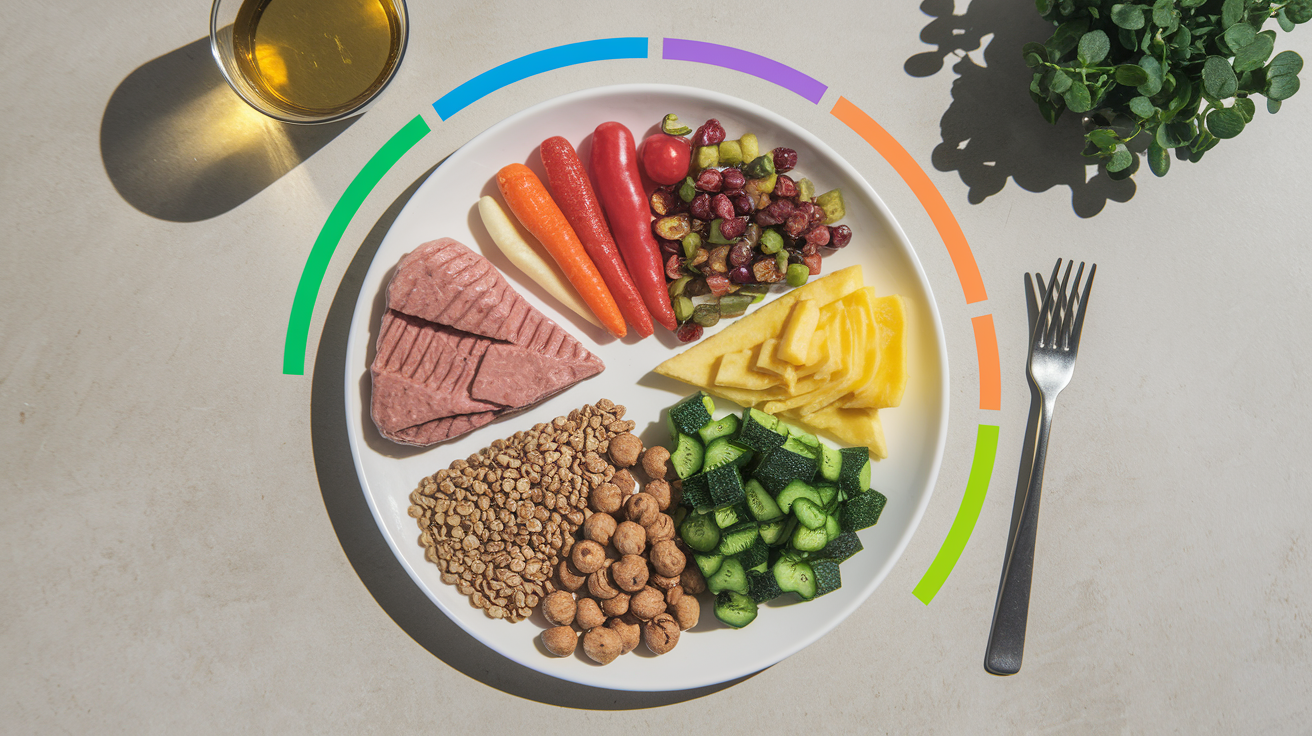
Different goals demand different numbers.
If you’re focused on weight loss, choose meals between 300 and 450 kilocalories with at least 20 grams of protein, 5 or more grams of fiber, and sodium under 600 milligrams. The protein and fiber combination slows digestion and keeps hunger signals quiet, while the calorie cap leaves room for snacks or a second meal without blowing your daily budget.
Athletes or anyone in a muscle-building phase should bump the target to 25 to 40 grams of protein per meal and 400 to 700 calories to fuel training and recovery.
Plant-based eaters need to pay closer attention to amino acid completeness. Look for meals built around soy (tofu, tempeh, edamame), quinoa, or combinations like beans and rice that deliver all nine essential amino acids. Vegan and vegetarian frozen meals often rely on legumes, so check that fiber and protein are both high. Legumes naturally provide both, but some brands dilute the formula with pasta or starches that pad calories without adding much nutrition. Dairy-free shoppers should confirm that any “cheese” or “cream” substitutes are made from nuts, coconut, or soy rather than fillers and oils.
Low-carb or keto-focused meals prioritize fat and protein while keeping net carbs (total carbs minus fiber) under 15 to 20 grams per serving. Look for cauliflower-based crusts, zucchini noodles, or entrees built around fatty fish, eggs, and cheese. Paleo-oriented options avoid grains, legumes, and dairy, so scan for meals centered on meat, seafood, vegetables, and healthy fats like avocado or olive oil.
Diet-Specific Targets:
- Weight loss: 300 to 450 kcal, at least 20 g protein, at least 5 g fiber, under 600 mg sodium
- Muscle building/athletes: 400 to 700 kcal, 25 to 40 g protein, moderate carbs for energy
- Plant-based: at least 20 g protein from complete or paired sources, at least 5 g fiber, check B12 and iron if fully vegan
- Keto/low-carb: under 20 g net carbs, at least 15 g fat, at least 20 g protein, watch for hidden sugars in sauces
- Paleo: no grains, legumes, or dairy; prioritize whole meats, vegetables, and natural fats
Comparing Price, Value, and Brand Consistency
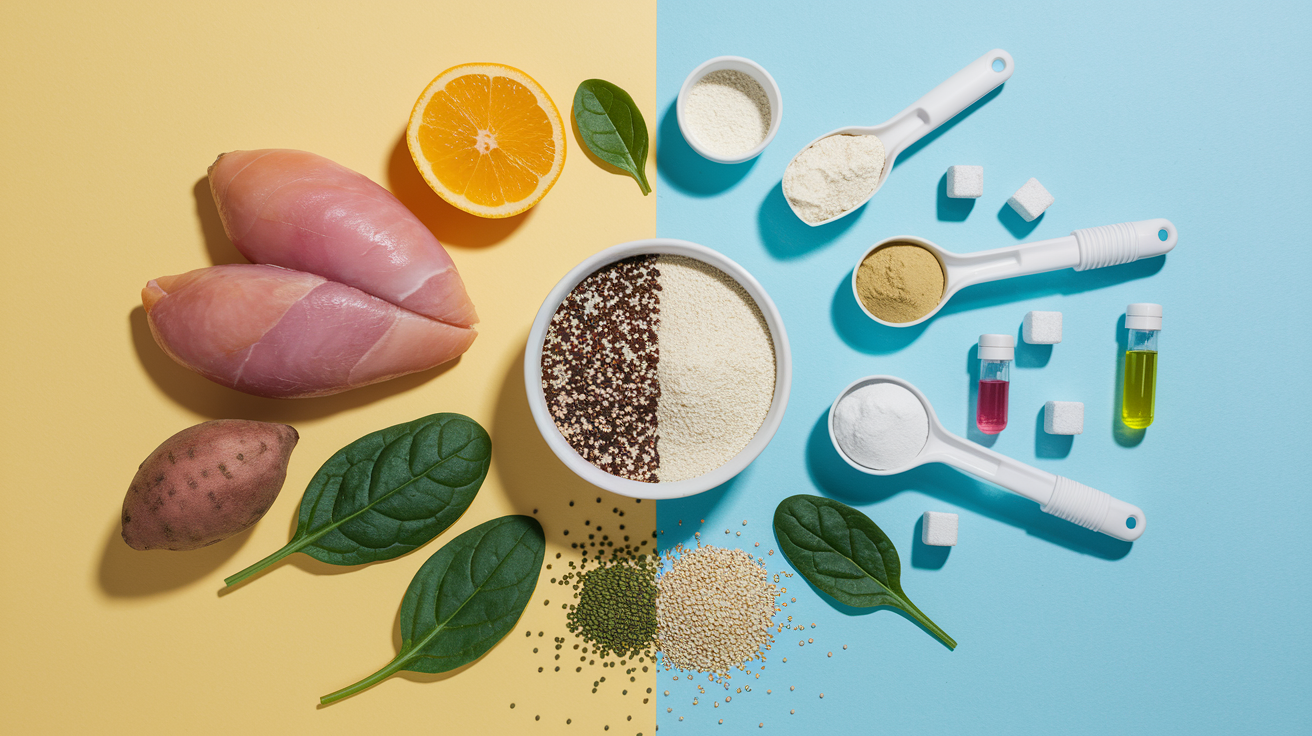
Frozen meals typically range from $2.50 to $12.00 per serving, with most high-protein options landing between $3.00 and $7.00. Price alone doesn’t tell the story. Value comes down to how many grams of protein you get per dollar spent.
A $4.99 meal with 25 grams of protein costs about 20 cents per gram, while a $6.49 meal with the same protein costs 26 cents per gram. Aim for 4 to 6 grams of protein per dollar if you’re shopping on a budget. Premium brands often deliver 3 to 5 grams per dollar but may offer cleaner ingredients or better flavor.
Brand consistency matters more than you’d expect. Some brands deliver 30 to 31 grams of protein across every SKU in their lineup, so you can grab any flavor and know what you’re getting. Others range from 18 to 30 grams depending on the recipe, which means you need to check the label every time or risk coming up short on your daily target. If you’re meal-prepping with frozen options, consistent nutrition across a brand’s product line saves decision fatigue and keeps your weekly totals predictable.
| Brand Example | Avg Protein per Meal | Avg Price | Cost per Gram |
|---|---|---|---|
| Vital Pursuit | 27.5 g | $4.99 | $0.18 |
| Counter | 30.7 g | $5.99 | $0.20 |
| Lean Cuisine | 19 g | $4.19 | $0.22 |
| Healthy Choice | 22 g | $4.99 | $0.23 |
How to Judge Brand Consistency and Reviews:
- Check multiple SKUs from the same brand line before committing to a bulk buy
- Read verified purchase reviews for mentions of actual portion size versus label claims
- Look for patterns in complaints. Frequent mentions of excess sodium or watery texture signal quality-control issues
- Compare protein-to-calorie ratios across a brand’s flavors; wide swings (0.060 to 0.100) mean you need to stay picky
Optimizing Convenience: Storage, Portioning, and Pairing
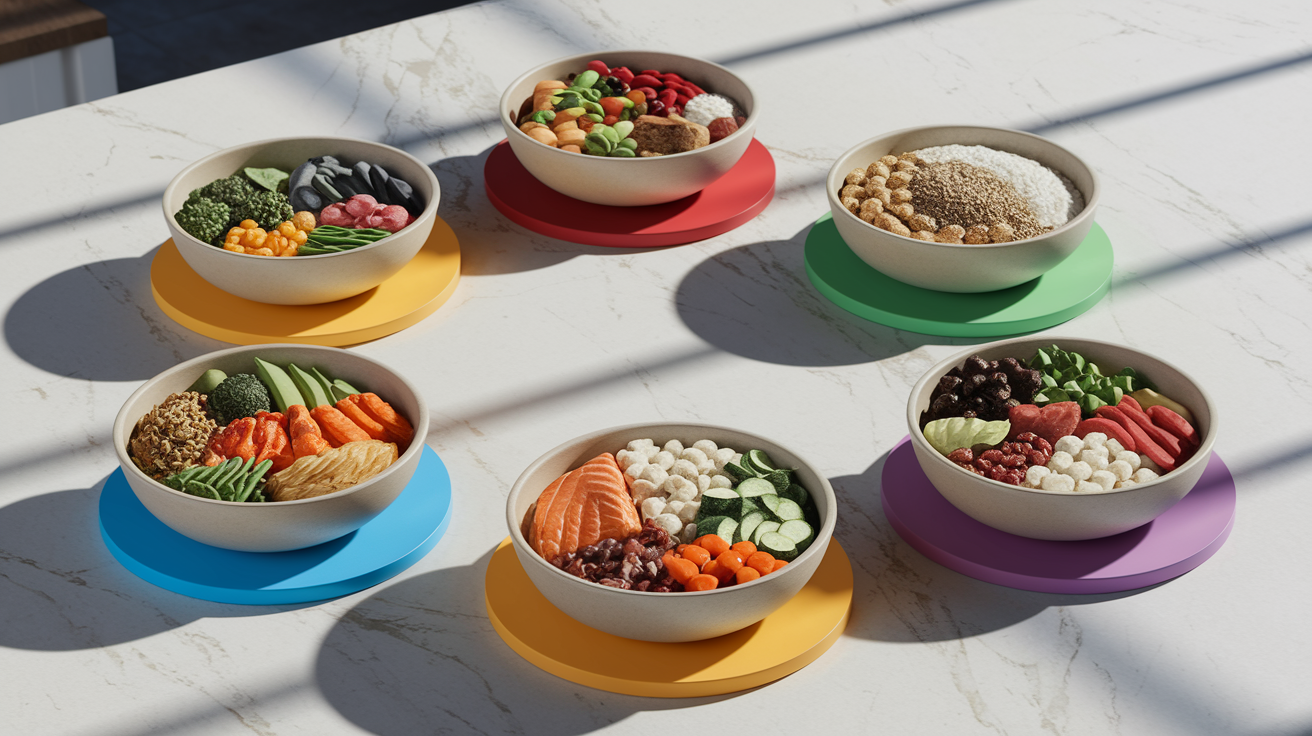
Frozen meals keep for six to twelve months in a standard home freezer, but quality depends on storage. Keep them in the coldest part of your freezer, usually the back, away from the door. Avoid temperature swings that cause ice crystals and freezer burn. If you buy in bulk, rotate stock so older meals move to the front and get used first. Once thawed, most meals should be eaten within 24 hours. Don’t refreeze.
Serving size listed on the package might not match your actual hunger. If the label says “2 servings” but you know you’ll eat the whole thing, double the sodium, calories, and protein numbers before you buy. If you’re using frozen meals as a base and adding fresh sides, undershoot the calorie target slightly to leave room for the additions. A 350-calorie frozen bowl plus a side salad and an apple lands you around 500 to 550 calories total. A complete, balanced meal.
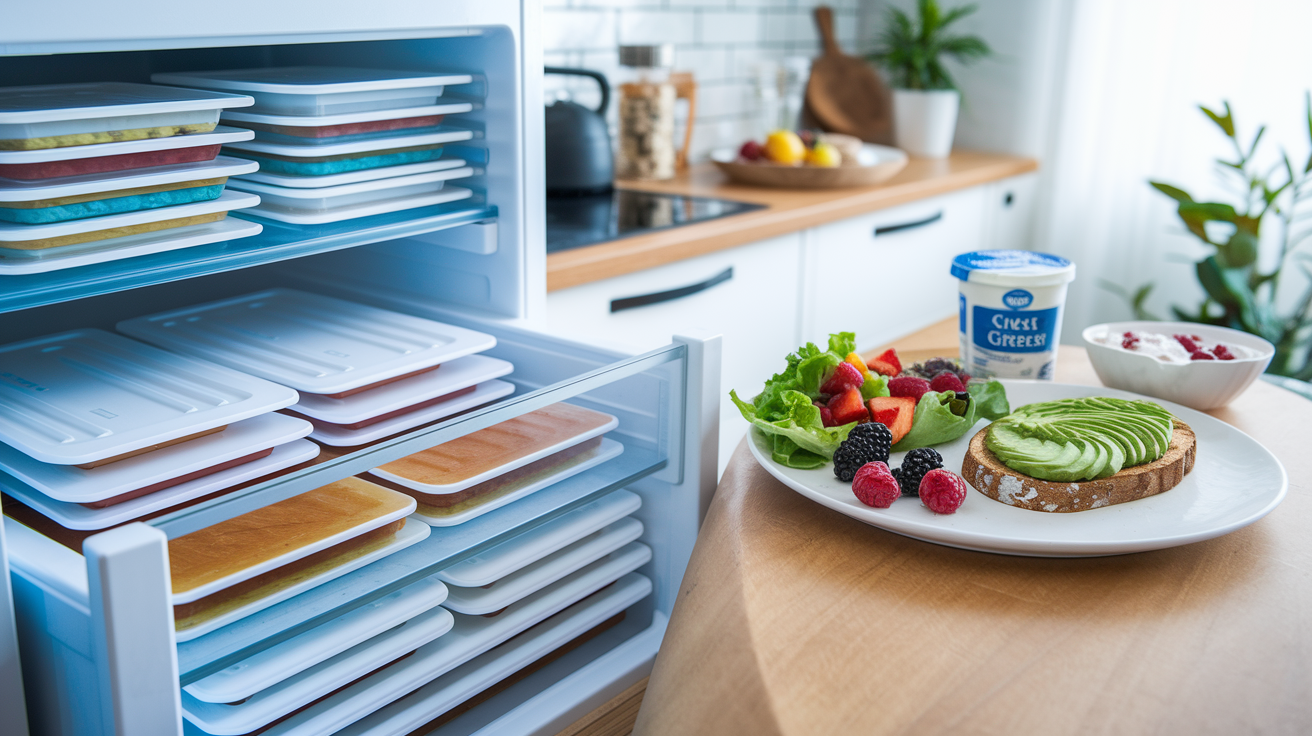
Pairing frozen entrees with fresh vegetables, fruit, or a small serving of whole grains boosts micronutrient variety and fiber without much extra effort. A handful of baby carrots with hummus, a cup of mixed berries, or a slice of whole-wheat toast with avocado turns a single-serve frozen meal into a more complete plate. Greek yogurt on the side adds extra protein and probiotics if your meal skews low on dairy.
Practical Pairing and Storage Tips:
- Pair frozen meals under 400 kcal with a side salad or raw veggies to boost fiber and volume
- Add a piece of fresh fruit if the meal is low in natural sugars or micronutrients
- Stir a tablespoon of olive oil or a handful of nuts into grain-based bowls for healthy fats and satiety
- Store meals flat in the freezer to save space and speed up thawing
- Follow package reheating instructions closely. Underheating risks foodborne illness, overheating ruins texture
How to Prevent Poor Frozen Meal Choices in the Future
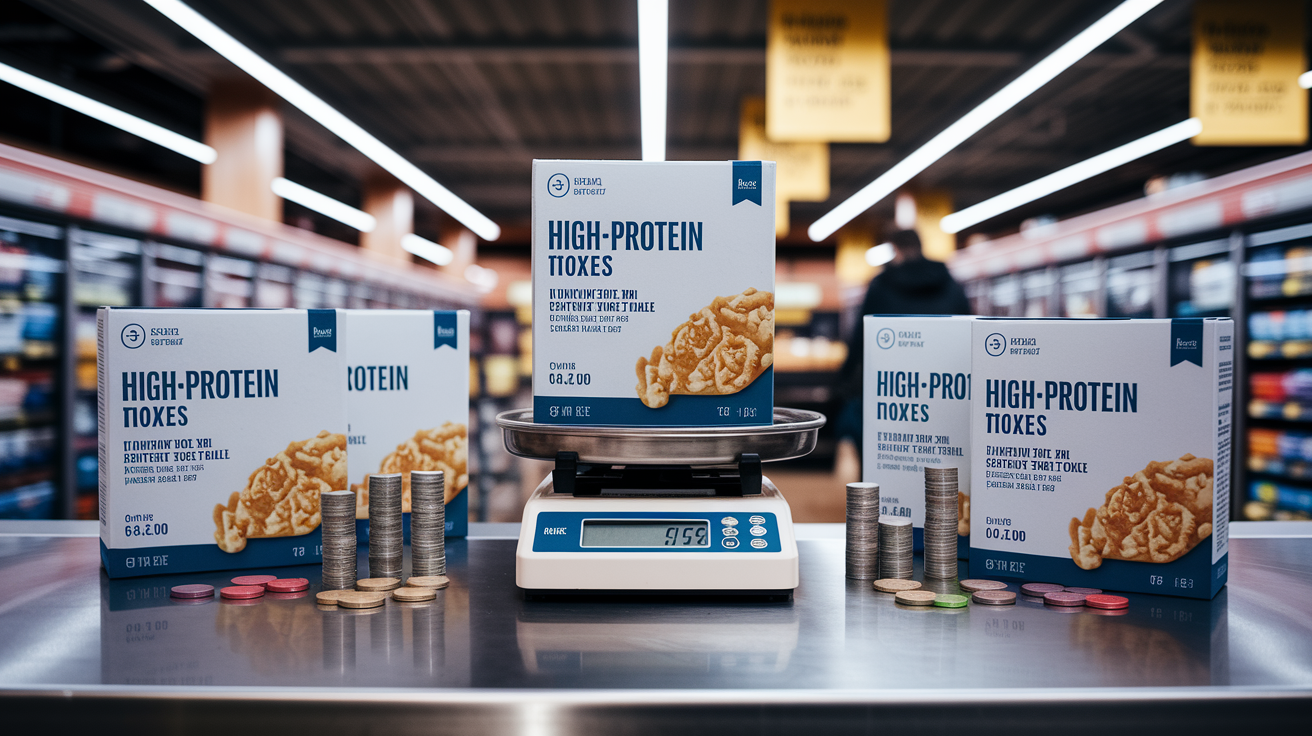
Build a simple checklist and keep it in your phone or wallet so you don’t rely on memory in the frozen aisle. Write down your minimum protein target (20 grams or higher), maximum sodium (600 milligrams or less), minimum fiber (4 grams), and maximum added sugar (10 grams or less). Before you drop a box in your cart, flip it over and run through the list. If it fails two or more criteria, put it back and keep looking.
Rotate flavors and protein sources week to week. Eating the same chicken-and-rice bowl seven days in a row might hit your macros, but you’ll miss out on the micronutrient diversity that comes from varying vegetables, grains, and protein types. Mix poultry, seafood, plant-based, and lean beef options across the week. If one brand’s sodium is consistently too high, swap it out for a lower-sodium line next shopping trip.
Quick In-Store Checklist:
- Protein per serving at least 20 g (25 to 40 g for athletes or older adults)
- Sodium per serving 600 mg or less
- Fiber per serving at least 4 g
- Added sugar 10 g or less; whole-food ingredients in the top three positions
When to Seek Additional Nutrition Guidance or Consider Alternatives
Some health conditions require stricter sodium, potassium, or carbohydrate limits than standard frozen-meal labels provide. Chronic kidney disease, heart failure, diabetes. If you’re managing a diagnosed condition, run your frozen-meal selections past a registered dietitian before making them a regular part of your routine.
Athletes with very high protein needs (1.6 to 2.2 grams per kilogram of body weight daily) may find that even “high-protein” frozen meals fall short, and batch-cooking chicken, fish, or legumes at home becomes more practical.
Older adults need higher per-meal protein to prevent muscle loss. 25 to 40 grams per sitting is the target. Many standard frozen entrees won’t cut it without adding a protein-rich side like cottage cheese or a hard-boiled egg. If you’re consistently hungry an hour after eating a frozen meal, it’s a sign the macronutrient balance or portion size isn’t right for your metabolism, and you may benefit from a personalized meal plan rather than relying on one-size-fits-all retail options.
Homemade freezer meals offer the most control. Cook a double batch of chili, casserole, or grain bowls, portion them into single-serve containers, label with the date and macros, and freeze. You’ll know exactly what went into each meal, you can tailor sodium and spice levels to your preference, and the cost per serving often drops below $3.00.
When Professional Guidance or Alternatives Make Sense:
- You have a medical condition requiring precise sodium, potassium, or carbohydrate limits
- You’re an athlete or older adult with protein needs above 30 to 40 g per meal and find retail options insufficient
- You experience persistent hunger, fatigue, or digestive issues after frozen meals despite hitting macro targets
Final Words
Reach for a package and scan the label: protein per serving, calories, sodium, fiber, ingredient order, and portion size. Those are the core checks that decide whether a frozen meal actually helps your goals.
Watch the marketing tricks, compare serving size to the whole box, and pair meals with veggies or a side salad to boost fiber and volume.
Keep a short checklist in your phone. That simple habit turns shopping time into smart choices — high-protein frozen meals what to look for and how to choose made easy, and you’ll eat better without extra fuss.
FAQ
Q: What protein amount defines a high-protein frozen meal?
A: A high-protein frozen meal is one that contains at least 20 grams of protein per serving; athletes and older adults may prefer 25–40 grams per meal.
Q: What should I look for on the label to pick a nutritious high-protein frozen meal?
A: To pick a nutritious high-protein frozen meal, check for ≥20 g protein, 300–700 calories (goal-dependent), sodium ≤600 mg ideally <400 mg, fiber ≥4–8 g, and whole foods listed first.
Q: Why do “high-protein” claims sometimes mislead shoppers?
A: “High-protein” claims mislead shoppers because the term is unregulated, serving sizes vary, protein sources differ, and some products use isolates or fillers to inflate numbers.
Q: How do I judge protein quality in frozen meals?
A: You judge protein quality by looking for complete proteins (meat, dairy, soy, quinoa) and a strong protein-to-calorie ratio; soy and quinoa are complete plant options.
Q: What macronutrient balance should a good frozen meal have?
A: A good frozen meal’s macronutrient balance is roughly 20–35% protein, 35–50% carbs, and 20–35% fat; for a 450-kcal meal that’s about 90 kcal protein, 158 kcal carbs, 202 kcal fat.
Q: Which ingredients and additives should I prioritize or avoid?
A: You should prioritize short ingredient lists with whole foods, lean proteins, whole grains, and vegetables, and avoid nitrates/nitrites, high-fructose corn syrup, BHA/BHT, trans fats, artificial colors/flavors, and excess phosphates.
Q: How do I pick frozen meals for weight loss, athletic needs, or plant-based diets?
A: To pick meals for specific goals, choose weight-loss options with 300–450 kcal, ≥20 g protein, ≥5 g fiber, <600 mg sodium; athletes need 25–40 g protein and 400–700 kcal; vegans need complete proteins or combos.
Q: How can I compare price and value across frozen meal brands?
A: To compare price and value, calculate cost per gram of protein, watch typical price range ($2.50–$12), and aim for roughly 4–6 grams of protein per dollar when possible.
Q: How can I make frozen meals healthier at home with storage and pairing?
A: You can make frozen meals healthier by pairing them with fresh veggies or a salad, boosting fiber with a side, checking portion size, storing properly, and following heating instructions for safety.
Q: What simple checklist prevents poor frozen meal choices?
A: A simple checklist to prevent poor choices is: protein ≥20 g, sodium ≤600 mg, fiber ≥4 g, and whole-food ingredients listed among the first three items.
Q: When should I see a nutrition professional or consider alternatives to frozen meals?
A: You should see a nutrition pro or choose alternatives when you have strict sodium/calorie needs, chronic health conditions, are an athlete or older adult needing higher protein, or want tailored homemade options.