Featured
High-Protein Dinner Ideas to Fuel Overnight Muscle Recovery
By nutrition
September 12, 2026
Field Notes
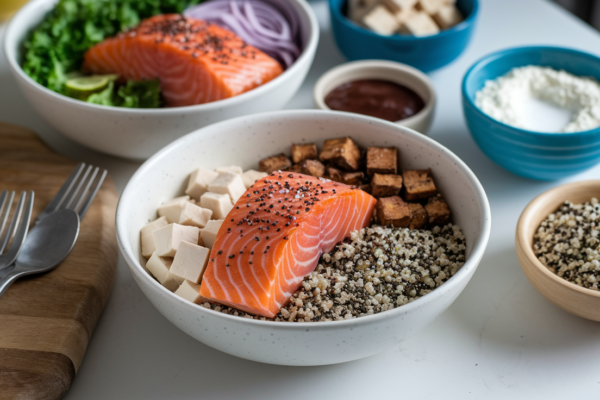
Think late-night meals don’t matter? Think again.
Eating a protein-rich dinner gives your body the amino acids it needs to repair and build muscle while you sleep.
With 25 to 40 grams of protein at dinner, you keep muscle protein synthesis running and avoid midnight cravings.
This post shares easy, real-world dinner ideas like chicken, fish, plant bowls, and one-pan meals that hit those targets, balance carbs and fats, and fit busy evenings.
Read on for simple recipes and timing tips to wake up less sore and more recovered.
How Protein-Rich Dinners Support Evening Recovery
Eating a protein-rich dinner gives your body what it needs to repair and rebuild muscle while you sleep. Overnight, your body shifts into recovery mode. Muscle protein synthesis keeps going for hours after your last meal, and having amino acids circulating in your bloodstream means that process doesn’t stall out. A dinner with 25 to 40 grams of protein supplies the building blocks your muscles need without overloading digestion right before bed.
Protein also helps keep blood sugar steady overnight, which keeps hunger hormones in check and supports deeper, more restorative sleep. When you pair lean protein with a moderate portion of complex carbs (sweet potato, quinoa, brown rice), you refill muscle glycogen stores while keeping insulin stable. Add a small serving of healthy fats (avocado, olive oil, nuts) and you slow digestion just enough to get a sustained release of amino acids through the night.
The ideal macro ratio for a recovery dinner is roughly 30 to 40% protein, 40 to 50% carbs, and 20 to 30% fats. This balance supports glycogen replenishment, keeps you satisfied, and fuels overnight repair without causing digestive discomfort or energy crashes.
Benefits of high-protein evening meals:
Muscle repair: Supplies amino acids during the peak overnight recovery window.
Sustained satiety: Reduces late-night cravings and stabilizes appetite hormones.
Improved sleep quality: Stable blood sugar and adequate protein intake support uninterrupted rest.
Metabolic support: Protein’s thermic effect (20 to 30% of calories burned during digestion) keeps metabolism active even at rest.
Chicken-Based High-Protein Dinners
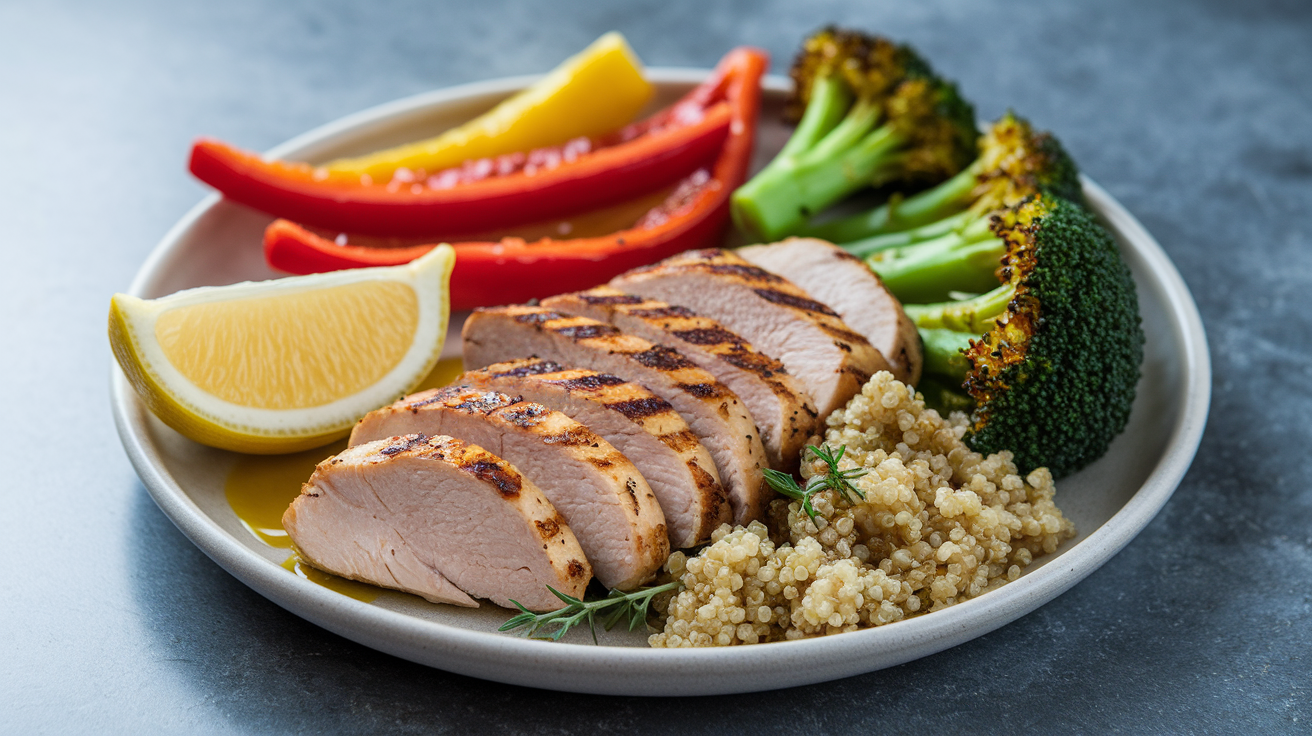
Chicken breast is one of the most efficient recovery proteins you can eat, delivering roughly 30 grams of complete protein per 100-gram serving with minimal fat. It pairs well with complex carbs and vegetables, making it easy to build a balanced dinner that hits your 25 to 40-gram protein target without excess calories. Grilling, baking, or air frying keeps prep simple and preserves the lean profile.
A basic recovery plate might be 150 grams (about 5 ounces) grilled chicken breast, three-quarters cup cooked quinoa, and a cup of roasted broccoli and bell peppers. That combination delivers approximately 45 grams protein, 38 grams carbs, and 10 grams fats (around 420 calories total). Season the chicken with turmeric, garlic, and a squeeze of lemon. Turmeric’s anti-inflammatory compounds support recovery, and citrus brightens flavor without added sodium. Eat this two to three hours before bed to allow digestion time while keeping amino acids circulating overnight.
Another option is a one-pan bake: 5 ounces chicken thighs, half a cup diced sweet potato, and asparagus spears, all tossed in a tablespoon of olive oil and baked at 400°F for 25 minutes. Chicken thighs have slightly more fat than breast (about 26 grams protein and 14 grams fat per 5 ounces), which slows digestion and provides sustained energy. Total macros for this meal are roughly 34 grams protein, 28 grams carbs, and 20 grams fats (approximately 430 calories). The sweet potato refills glycogen, and the healthy fats from olive oil and thigh meat support hormone production during sleep.
Quick chicken dinner ideas:
BBQ Chicken with Sweet Potato Fries: 6 ounces grilled chicken breast, half a cup air-fried sweet potato fries, half a cup roasted asparagus. Approximately 44 grams protein, 26 grams carbs, 18 grams fats (450 calories). Ideal post-hard workout. Grill chicken and air-fry fries for minimal oil.
Chicken and Chickpea Pasta: 4 ounces grilled chicken, 1 cup cooked Banza chickpea pasta, half a cup tomato basil sauce. Approximately 42 grams protein, 32 grams carbs, 18 grams fats (480 calories). Banza adds plant protein and fiber. Boil pasta and toss with sauce and sliced chicken.
Chicken Rice Bowl: 5 ounces shredded chicken, three-quarters cup cooked brown rice, a quarter avocado, cilantro. Approximately 40 grams protein, 35 grams carbs, 22 grams fats (490 calories). Batch-cook rice and chicken for meal prep. Assemble in minutes.
Fish and Seafood Options for Lean Protein
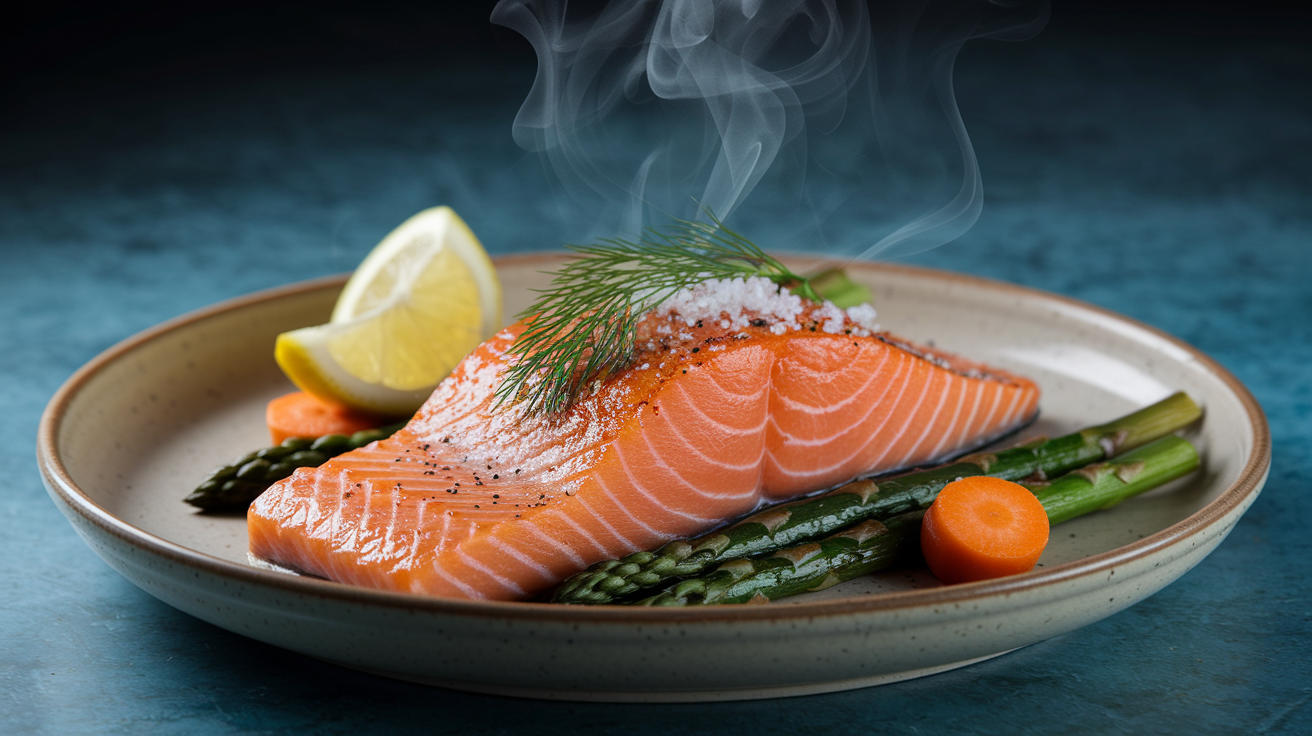
Salmon and other fatty fish bring both high-quality protein and omega-3 fatty acids, which reduce inflammation and support joint recovery. A 6-ounce portion of baked salmon provides about 38 grams of protein and 30 grams of healthy fats, making it calorie-dense but nutrient-rich for evening recovery. Cod, shrimp, and other white fish are leaner. Six ounces of cod delivers roughly 40 grams protein with less than 2 grams of fat, so you can add carbs or a drizzle of olive oil without overshooting your calorie target.
Fish digests more quickly than red meat. That can be an advantage if you train late or prefer to eat closer to bedtime. Pair a 6-ounce salmon fillet with half a cup roasted asparagus and half a cup roasted carrots for a simple, anti-inflammatory dinner. Season with lemon, dill, and a pinch of sea salt, then bake at 400°F for 10 to 15 minutes depending on thickness. Total macros for this meal are approximately 38 grams protein, 16 grams carbs, and 30 grams fats (around 470 calories). The omega-3s support muscle repair and reduce soreness, and the vegetables add fiber and antioxidants.
Seafood recovery dinner ideas:
Salmon Bowl with Edamame and Farro: 6 ounces seared salmon, half a cup shelled edamame, three-quarters cup cooked farro, miso-ginger dressing. Approximately 42 grams protein, 34 grams carbs, 22 grams fats (510 calories). Quick sear salmon in a hot pan for 4 minutes per side. Edamame adds plant protein and fiber. Eat two to three hours before bed for optimal digestion and amino acid availability.
Cod with Quinoa and Spinach: 6 ounces baked cod, 1 cup cooked quinoa, 1 cup sautéed spinach, 1 teaspoon olive oil. Approximately 46 grams protein, 40 grams carbs, 8 grams fats (420 calories). Cod’s lean profile allows you to add more carbs for glycogen replenishment without excess fat. Bake cod at 375°F for 12 minutes. Toss spinach in olive oil and garlic.
Shrimp Stir-Fry with Brown Rice: 6 ounces shrimp (about 12 large), three-quarters cup cooked brown rice, 1 cup mixed bell peppers and snap peas, 1 tablespoon sesame oil. Approximately 38 grams protein, 36 grams carbs, 16 grams fats (450 calories). Shrimp cooks in under 5 minutes. Quick sauté with veggies and serve over rice. Minimal inflammation and fast digestion make this ideal for late training sessions.
Plant-Based High-Protein Dinner Ideas
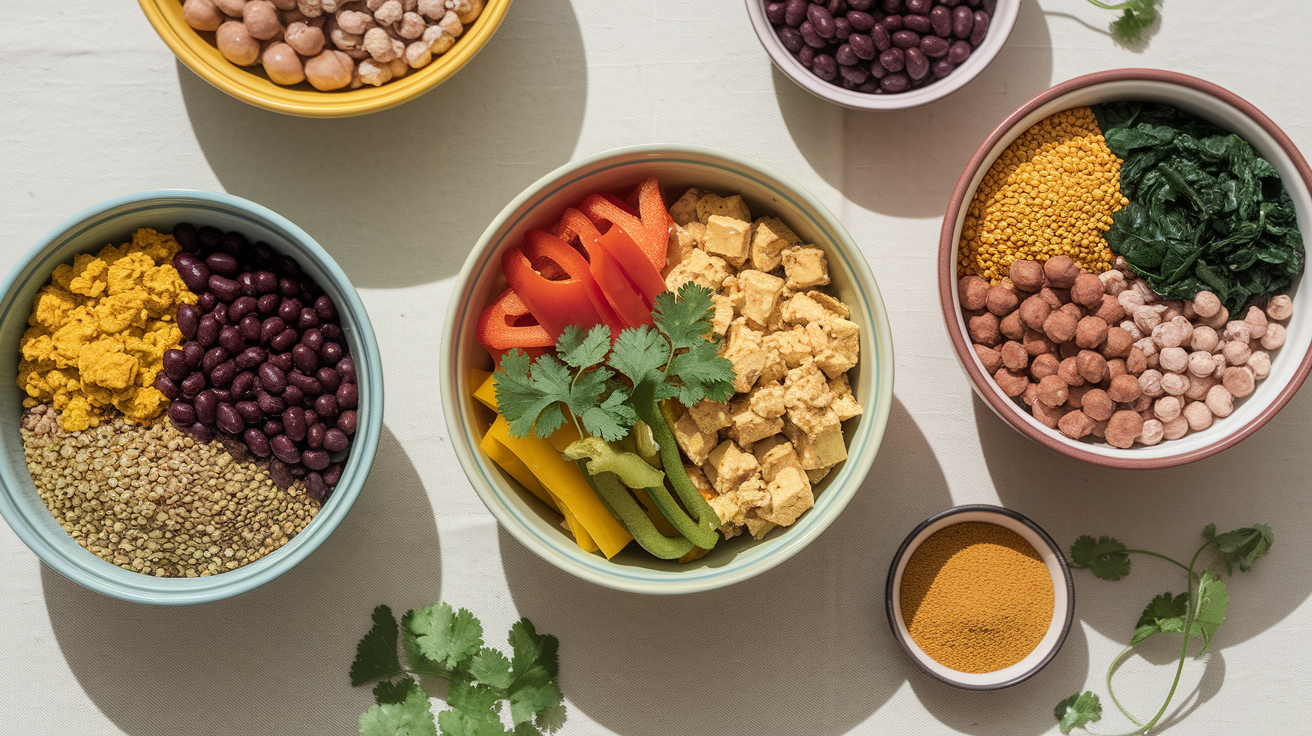
Plant proteins can absolutely support evening recovery when you combine complementary sources to ensure all nine essential amino acids are present. Lentils deliver about 18 grams of protein per cooked cup, tofu offers roughly 16 grams per 200-gram serving with all essential aminos, and quinoa is unique among grains because it contains all nine on its own at about 8 grams per cooked cup. Mixing legumes with grains, or pairing tofu with quinoa, creates a complete amino acid profile similar to animal proteins.
A simple plant-based recovery dinner might be 1 cup cooked lentils, 1 cup cooked quinoa, and 1 cup sautéed vegetables (zucchini, spinach, bell pepper) with a tablespoon of olive oil. That combination provides approximately 34 grams protein, 70 grams carbs, and 16 grams fats (around 540 calories). The fiber slows digestion and keeps you full overnight, while the complete amino acid mix supports muscle repair. Season with cumin, turmeric, and fresh cilantro for anti-inflammatory benefits.
Another option is a tofu scramble: 200 grams firm tofu crumbled and sautéed with nutritional yeast (2 tablespoons adds 8 grams protein), 1 cup black beans, and three-quarters cup cooked brown rice. Total macros are roughly 40 grams protein, 60 grams carbs, and 12 grams fats (around 500 calories). Nutritional yeast adds a savory, cheese-like flavor and boosts B vitamins, which support energy metabolism during recovery. Fold in spinach or kale for micronutrients and antioxidants.
| Recipe Name | Protein Per Serving (g) | Primary Protein Source |
|---|---|---|
| Lentil & Quinoa Power Bowl | 34 | Lentils, quinoa |
| Tofu Scramble with Black Beans | 40 | Tofu, black beans, nutritional yeast |
| Chickpea Curry with Brown Rice | 32 | Chickpeas, brown rice, coconut milk |
High-Protein Dinner Bowls and One-Pan Meals
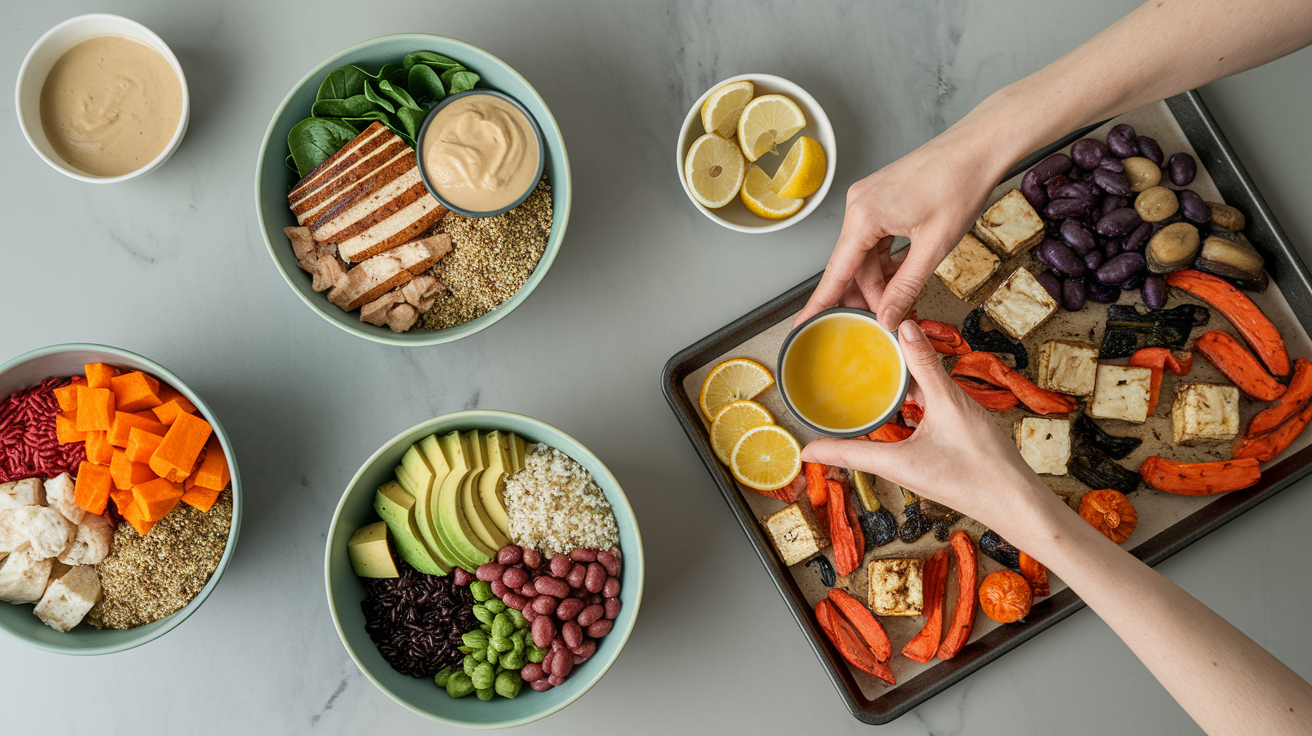
Bowls and one-pan dinners simplify recovery nutrition by letting you mix multiple protein sources and balance macros without extra dishes. A well-built bowl might include a base grain (quinoa, brown rice, or farro), a primary protein (chicken, salmon, tofu, or beans), a handful of greens, a small portion of healthy fat (avocado, nuts, or seeds), and a flavorful dressing. This structure ensures you hit your 25 to 40-gram protein target while adding fiber, antioxidants, and steady-release carbs.
One example is a protein power bowl: 5 ounces grilled chicken, half a cup roasted sweet potato, half a cup cooked quinoa, 1 cup fresh spinach, and a tablespoon of tahini dressing. Total macros are approximately 42 grams protein, 40 grams carbs, and 18 grams fats (around 480 calories). The mix of animal protein and plant-based carbs covers amino acid needs and refills glycogen, while tahini adds healthy fats and a creamy texture without dairy. Prep everything on one sheet pan at 400°F for 25 minutes, then assemble in the bowl.
High-protein bowl ideas:
Asian Steak Salad Bowl: 4 ounces grilled flank steak, half a cup brown rice, half a cup protein noodles (konjac), a quarter sliced orange, a tablespoon slivered almonds, mixed greens. Approximately 39 grams protein, 30 grams carbs, 26 grams fats (520 calories). Protein noodles reduce carbs while preserving volume. Almonds and orange add crunch and vitamin C.
Sweet Potato, Brisket, and Bacon Bowl: 4 ounces smoked brisket, half a cup roasted sweet potatoes, 2 strips turkey bacon, 1 cup sautéed spinach. Approximately 34 grams protein, 28 grams carbs, 28 grams fats (470 calories). Use pre-smoked brisket or leftover brisket for fast assembly. Turkey bacon keeps saturated fat in check.
Plant-Based Recovery Bowl: 1 cup cooked black rice, 100 grams baked tofu, half an avocado, half a cup black beans, citrus vinaigrette. Approximately 28 grams protein, 52 grams carbs, 22 grams fats (510 calories). Black rice and beans provide fiber and slow-digesting carbs. Tofu and beans together complete the amino profile.
Meal-Prep Friendly High-Protein Dinners
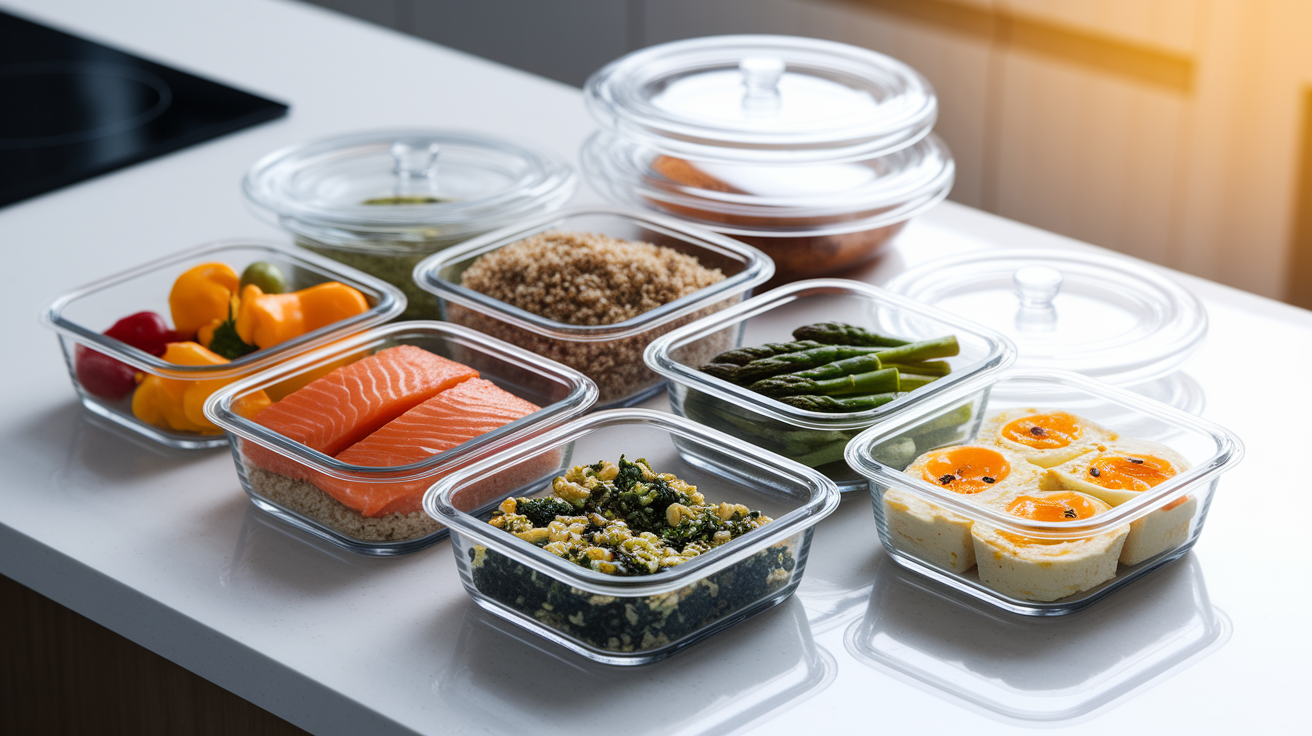
Batch-cooking proteins and portioning them with carbs and vegetables reduces decision fatigue and keeps recovery nutrition consistent all week. Cooked chicken, salmon, ground turkey, and tofu hold their nutrient density for three to four days in the fridge, and many high-protein meals freeze well for up to three months. Reheating in the oven or stovetop preserves texture better than the microwave, though microwaving is fine for convenience if you add a splash of water or broth to prevent drying.
Start by grilling or baking 1.5 to 2 pounds of chicken breast or salmon on Sunday, then divide into 4 to 6-ounce portions. Cook a large pot of quinoa, brown rice, or sweet potatoes, and roast a sheet pan of mixed vegetables (broccoli, bell peppers, asparagus). Store proteins, carbs, and vegetables in separate airtight containers so you can mix and match throughout the week. Season lightly during batch cooking and add fresh herbs, citrus, or hot sauce when you reheat to keep flavors interesting.
Egg-based casseroles and muffins are another meal-prep win. A dairy-free egg casserole with turkey sausage and vegetables can be baked in one pan, then portioned into six servings. Each serving delivers roughly 22 grams protein, 12 grams carbs, and 14 grams fats (around 260 calories). Reheat a portion and pair with a slice of whole-grain toast or half a cup quinoa to hit your 30 to 40-gram protein target. The casserole keeps in the fridge for up to four days or can be frozen in individual portions for up to two months.
Meal-prep combos with macros:
Grilled Chicken + Quinoa + Roasted Vegetables: 5 ounces chicken, three-quarters cup quinoa, 1 cup mixed vegetables, 1 teaspoon olive oil. Approximately 40 grams protein, 42 grams carbs, 12 grams fats (440 calories). Store components separately. Reheat chicken and quinoa together with a splash of broth, warm vegetables on the side. Keeps three to four days refrigerated.
Baked Salmon + Sweet Potato + Asparagus: 6 ounces salmon, half a cup roasted sweet potato, 1 cup asparagus. Approximately 38 grams protein, 24 grams carbs, 32 grams fats (520 calories). Reheat salmon gently at 300°F for 8 to 10 minutes to avoid overcooking. Microwave sweet potato and asparagus with a damp paper towel to retain moisture. Keeps three days refrigerated. Don’t freeze cooked salmon for best texture.
Turkey Sausage Egg Casserole + Toast: One portion casserole (22 grams protein), 1 slice whole-grain toast (4 grams protein), a tablespoon almond butter (3 grams protein). Total approximately 29 grams protein, 20 grams carbs, 18 grams fats (360 calories). Freeze individual casserole portions. Thaw overnight and reheat in oven at 350°F for 15 minutes. Add toast and almond butter fresh. Frozen casserole keeps two to three months.
Final Words
You learned how protein at dinner helps muscle repair overnight, why 25 to 40 grams works, and how carbs and fats aid glycogen and recovery.
We then shared chicken, fish, plant-based, bowls, and meal-prep options with protein numbers, macro notes, and simple prep tips.
Pick one or two recipes, aim for 25 to 40 grams of protein at dinner, and eat 2 to 3 hours before bed when you can.
Try a few high-protein dinner ideas to support evening recovery this week — small changes add up and you’ll feel the difference.
FAQ
Q: What are high-protein meals for recovery? What is an easy meal for someone recovering from surgery?
A: High-protein meals for recovery provide about 25–40g protein to support repair; examples: grilled chicken with rice, salmon and quinoa, lentil stew, or Greek yogurt. Easy surgery option: soft scrambled eggs on toast.
Q: What to eat in the evening for protein? What’s a good late night protein meal?
A: Evening protein choices should deliver 20–40g and digest well; try cottage cheese, Greek yogurt with berries, a turkey sandwich on whole grain, or a small protein smoothie 1–2 hours before bed.