
Ever wonder if a light routine might help ease your sore legs instead of making you rest completely? Active recovery gives your body a gentle boost by helping your blood move around better and clear out lactic acid (the acid that builds up after hard exercise). It’s like giving your legs a quick tune-up so they stay ready for more movement.
In this article, we share simple exercises that turn post-workout aches into a refreshing, energy-boosting treat. Give one a try, and you might feel that pleasant, renewed energy soon after a workout.
Key Active Recovery Techniques to Ease Sore Legs
Active recovery means doing easy exercises that boost blood flow, ease muscle stiffness, and help your muscles repair after a tough workout. Research shows that when you do gentle movements after a hard session, your muscles get a steady supply of oxygen and nutrients (the good stuff that helps your body heal) while clearing out waste. This gentle approach can help you keep going during your next workout, sometimes even three times longer than if you rested completely. It’s like giving your legs a little tune-up so they can keep moving without feeling worn out.
When your legs feel sore, simple routines can work wonders. Keeping your movement light prevents extra strain and helps blood flow. These gentle routines ease discomfort and support faster muscle repair by getting rid of lactic acid buildup (the acid that builds up in muscles after hard work) and boosting recovery.
Here are a few exercises to help you move without overdoing it:
| Exercise | Duration |
|---|---|
| Light walking | 10 minutes |
| Low-effort cycling | 15 minutes |
| Dynamic leg stretching | 5 minutes |
| Foam rolling (1-2 minutes per major muscle group) | 10 minutes total |
| Light yoga | 15 minutes |
| Restorative ride | 20 minutes |
These easy exercises keep you active and help your legs feel refreshed. They also lay the groundwork for longer and more intense workouts later on. Have you ever noticed how a little movement after a strenuous session lifts your energy? Try these out and enjoy the gentle boost they give you.
Post-Workout Leg Care with Active Recovery Techniques
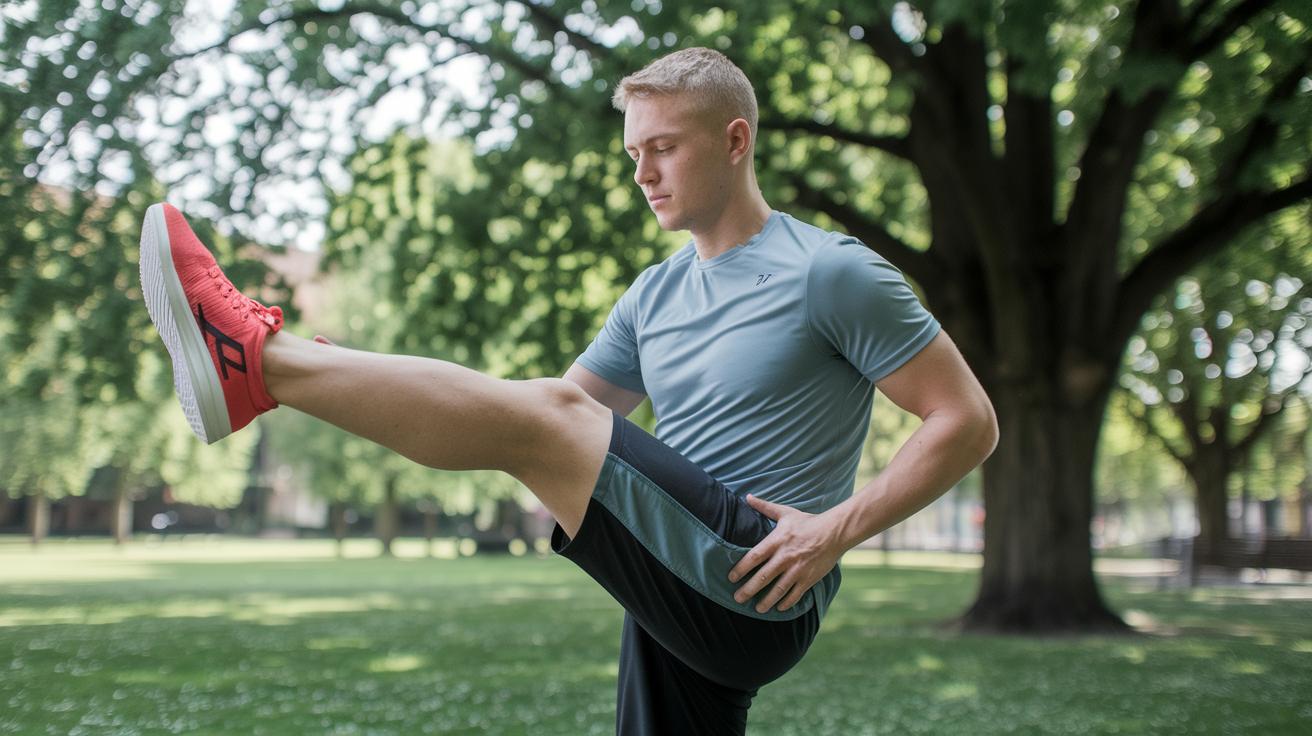
After a tough workout, it's a smart idea to ease back into movement. Gentle exercises can boost your blood flow, ease that tight feeling in your muscles, and help clear away lactic acid (the substance that can make your muscles feel sore). Try a light 10-minute full-body stretch or a calm 20-minute ride on your bike. Picture spending five minutes shifting your weight slowly, a little dance that wakes up your muscles. Balancing these active moments with full days of rest lets your legs recover and keeps fatigue at bay.
Right after you cool down, add a few minutes of easy, active recovery. Gentle leg swings or a few simple stretches can keep your energy up without wearing you out. Then, plan a mix of active days and complete rest days after your toughest workouts. This routine gives your muscles time to heal while still keeping them flexible and ready for the next session.
Optimal Timing for After-Workout Recovery
Begin your active recovery as soon as you finish your cool-down. A few minutes of light movement ramps up circulation and helps reduce stiffness. For example, after a jog, I spend about five minutes doing gentle leg swings. It always leaves me feeling surprisingly refreshed.
Recommended Weekly Active Rest Frequency
After intense sessions, schedule a day for active recovery and set aside other days for full rest. This balance supports muscle repair while preventing overexertion. For instance, following a long run, I enjoy a low-intensity bike ride on my recovery day, ensuring my legs get the calm care they deserve.
Foam Rolling and Myofascial Release for Sore Legs
Foam rolling is a friendly way to soothe tired leg muscles. Using a foam roller (a cylindrical tool made of foam for muscle recovery) gently presses on your muscles. This helps lower swelling and makes it easier for you to move around. Research shows that foam rolling clears out lactic acid faster than simply resting. It works on the key muscles in your legs like your calves, quadriceps, hamstrings, IT band, and glutes. Spending just 1 to 2 minutes on each spot can make your muscles more flexible and help them bounce back after a tough workout. Think of it as giving your legs a little tune-up so they feel ready for your next exercise.
| Technique | Target Muscle Group | Duration | Frequency |
|---|---|---|---|
| Calves Roll | Calves | 1-2 minutes | Post-workout |
| Quadriceps Roll | Quadriceps | 1-2 minutes | After heavy leg sessions |
| Hamstrings Roll | Hamstrings | 1-2 minutes | Daily or every other day |
| IT Band Roll | IT Band | 1-2 minutes | Several times a week |
| Glutes Roll | Glutes | 1-2 minutes | On recovery days |
Adding foam rolling and myofascial release to your self-care routine is a clear win for muscle recovery. By focusing a few minutes on each muscle group, you can ease soreness, boost your mobility, and get your legs performing better for your next workout.
Low-Impact Mobility Drills to Soothe Sore Leg Muscles
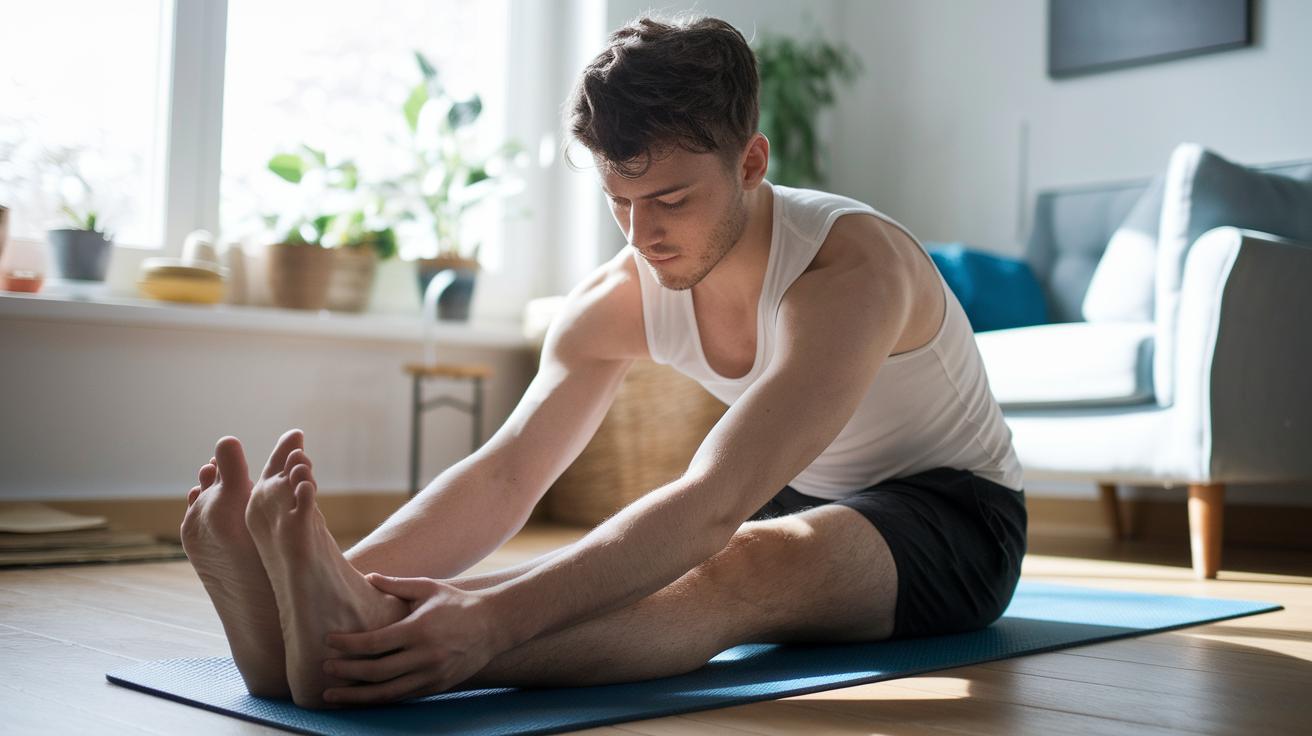
After a tough workout, moving gently can really ease stiffness and help your blood flow. Imagine an easy bike ride, a relaxing swim, or a soft yoga routine where you slowly stretch out your legs to bring in fresh oxygen and nutrients. These gentle movements work with your active recovery, getting your muscles ready for the next session.
Using simple tools like TRX straps and resistance bands can add a fun twist to your recovery. For example, try a gentle TRX squat with a row. It wakes up your leg muscles and lightly works your core at the same time. Think of it like stirring a warm pot of soup slowly so all the flavors blend just right.
Adding full-body mobility drills into your cool-down can do wonders. Simple moves like the Band Anti-Rotation Hold, paired with soft leg exercises, help lower common workout soreness. Check out an active recovery workout on our website for more ideas to keep your body moving without overdoing it.
Restorative Stretching Strategies for Leg Rejuvenation
Stretching is a simple yet powerful way to keep your muscles loose and ease that post-workout tightness. After a brisk run or an intense gym session, a few easy stretches help your muscles unwind without leaving you feeling more tired.
Before you start your workout or as you cool down, consider some dynamic leg stretches. Think about side leg swings or gentle walking lunges, they get your body moving and boost blood flow, much like a quick burst of fresh air for your legs.
When it's time to calm things down, static stretches work wonders. For example, stand on one leg and gently pull your other heel toward your glutes. This move relaxes your quadriceps (the big muscles on the front of your thighs) and, when paired with a soft hamstring stretch, eases any lingering soreness. Stick with each hold for a minute or two, focusing on your breath, and you might even feel a bit of relief from the tension.
A gentle 20-minute restorative yoga session can tie all these methods together. Picture yourself moving slowly with deep, controlled breaths, as you hold each posture, your muscles let go of built-up stress. Combining these dynamic and static stretches not only reduces tightness but also leaves your legs feeling refreshed and ready for your next active adventure.
Structuring Active and Passive Rest for Effective Leg Recovery
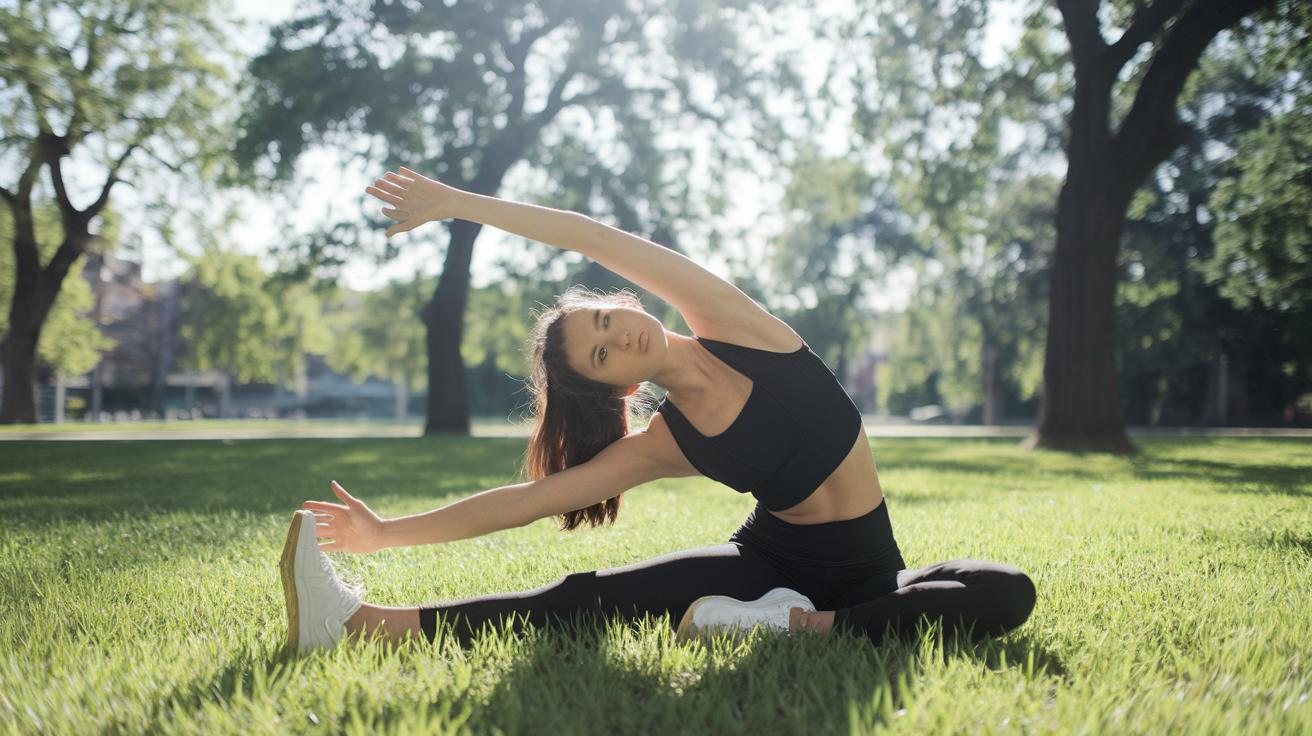
On active recovery days, stick to gentle movements that keep you moving without overloading your legs. Think of an easy walk, light cycling, or a simple stretch session that helps your blood circulate. It’s like giving your legs a soft tune-up after a hard workout, easing soreness while letting your body start to repair itself.
On passive rest days, let your body fully relax with very little physical activity. This is the time to really let your muscles rebuild and refresh. You might do a bit of light stretching or simply enjoy calm, quiet moments. Balancing these two types of recovery not only helps your legs feel better but also gives your mind a much-needed break.
| Day Type | Activity Level | Example Duration |
|---|---|---|
| Active Recovery | Gentle movement | 20-30 minutes |
| Passive Rest | Very little activity | Full day |
| Mixed Day | Light stretch and walk | 10-15 minutes |
Mixing these recovery methods throughout the week helps ease muscle soreness and boosts your leg recovery. Listen to how your legs feel after an intense workout and adjust your rest days accordingly. Isn't it amazing how a little extra care can set you up perfectly for your next session?
Safety Precautions and Recommended Durations in Leg Active Recovery
When it comes to active recovery, keep things gentle. Stick with slow, easy movements like a light walk or some simple stretches (basic exercises that soothe your muscles). This way, you ease soreness without pushing your body too hard, letting your muscles mend naturally.
It's really important to listen to your body. If you feel sharp pain, notice swelling, or have lingering discomfort during or after your session, it's best to slow down or take a break. These signs mean your muscles might just need a little extra rest.
Aim for recovery sessions that last between 10 and 20 minutes, adjusting based on how your legs feel. If your muscles are very sore, try starting with a shorter session and gradually extend it as you feel better. This balanced approach helps your body recover without overloading your muscles.
Remember to adapt your routine according to your body's signals. A mindful active recovery plan means tweaking each session to what your legs are telling you. This way, you can safely ease stiffness and support healing every step of the way.
Evidence-Based Benefits of Active Recovery for Sore Legs
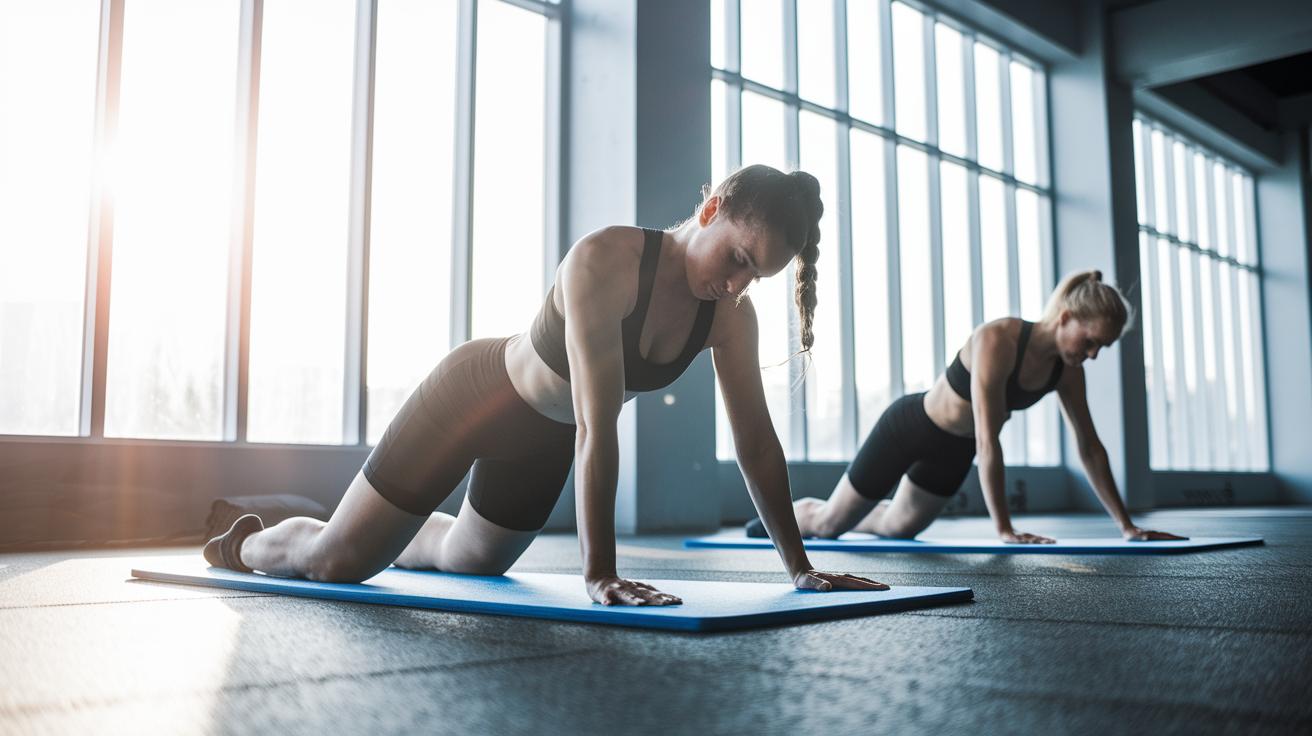
A study followed 30 athletes over 12 weeks and discovered that adding foam rolling (a self-massage technique using a special foam cylinder) along with gentle exercise cut recovery times by up to 20% compared to complete rest. One athlete shared, "After adding active recovery, I was able to extend my workout by 15 minutes." Such immediate gains might make you wonder how a small change can boost your performance.
Another trial found that spending just 10 minutes doing light, low-intensity movement after tough workouts reduced muscle soreness by 25%. One participant noted, "I felt noticeably less fatigue after my sessions." It’s amazing how a brief period of active recovery can ease fatigue and help your muscles feel better.
These findings show that even modest tweaks to your recovery routine can help lessen muscle fatigue and get you back in training sooner. Next time after a workout, try dedicating 10 minutes to light activity and see the difference it makes in your recovery.
Final Words
In the action, we explored how low-intensity moves can help your muscles feel refreshed and less sore. We touched on gentle leg mobility routines, foam rolling benefits, low-impact exercises, and smart rest days to support your body's repair process.
The tips we covered are backed by science, making it easier to keep up with your workouts without overdoing it. Remember, active recovery for sore legs helps speed up healing and keeps you feeling great!
FAQ
What is the best active recovery for sore legs?
The best active recovery for sore legs uses easy exercises like brisk walking, light cycling, or gentle stretching to boost blood circulation and ease muscle tightness after a workout.
What home remedies support active recovery for sore legs?
Home remedies for active recovery include using foam rollers, self-massage, and warm baths to help improve blood flow and reduce muscle stiffness naturally.
Which exercises count as active recovery for sore legs?
Active recovery exercises involve low-impact movements such as dynamic stretching, foam rolling, and a gentle leg mobility routine that encourage healing and ease muscle discomfort.
How does active recovery help sore muscles after a workout?
Active recovery helps sore muscles by increasing circulation and nutrient delivery, which speeds up repair and reduces post-exercise tightness, making muscles feel refreshed sooner.
Is it better to rest or stay active with sore muscles?
Staying active with sore muscles using light, gentle movements often works better than complete rest because it keeps blood flowing and helps muscles recover faster.
What does a 30-minute recovery workout entail?
A 30-minute recovery workout includes a mix of low-intensity activities like light aerobics, stretching, and foam rolling designed to refresh tired muscles without adding strain.
Are full-body active recovery workouts beneficial for sore legs?
Full-body active recovery workouts benefit sore legs by engaging gentle, whole-body movements that promote improved circulation and overall muscle relief while keeping the intensity low.

