
Ever wonder if a few mindful minutes could change your day? Even a short bout of focused breathing feels like cleaning a foggy window, it eases stress and sharpens your focus.
In this post, I'll share simple methods that help calm your mind and ease anxiety. You can try mindful breathing or a gentle body scan (a way to pay attention to different parts of your body). These techniques let you break free from everyday tension.
So, why not give it a try? These easy steps can brighten your mood and boost your overall well-being. Let's find a moment of calm together.
Core Meditation Techniques for Mental and Physical Well-Being
Even just five minutes of meditation each day can help ease anxiety, depression, stress, and anger while boosting your focus, mood, and sleep. Think of it like cleaning a foggy window one swipe at a time. One simple way to start is with mindful breathing. Focus on the cool air as you breathe in and the warm air as you breathe out. Try this: sit comfortably, close your eyes for five minutes, breathe slowly, and let each exhale wash away your worries.
Next, give the body scan a try. In this practice, you pay attention to how each part of your body feels, from your toes right up to your head. Imagine a gentle wave moving slowly through you, calming each muscle along the way. Then there’s loving-kindness meditation. In this method, you send warm, caring thoughts to yourself and to others. These techniques are perfect for anyone just starting out with mindful awareness and can really help you feel more at ease.
Sticking with your practice is important. As you gradually build these habits, you’ll notice lasting benefits for both your mind and body. Over time, these simple methods can help you create a meditation routine that feels natural and really works for you.
Breath-Focused Meditation Techniques
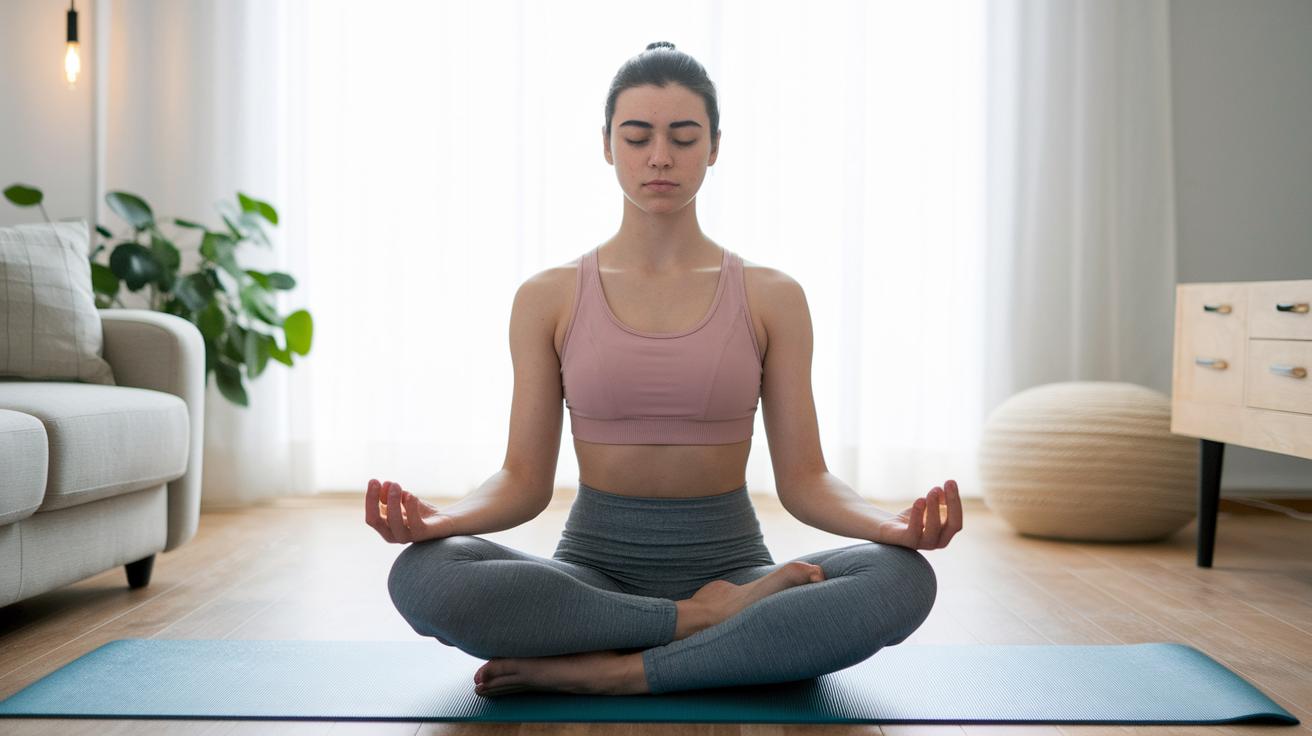
Alternate Nostril Breathing is a simple yet powerful method to help balance your energy. Start by gently closing your left nostril with your thumb and take a slow, deep breath through your right side. Then, switch your fingers to open the left nostril and let your breath out. Do this for about five cycles, and pause after each one to really feel the calm spreading through your body and mind.
Next, if you’re curious about more mindful breathing practices, take a moment to check out this link: what is mindful meditation. It’s a friendly way to dive deeper into the art of being present.
Another effective approach is the 100-Breaths Technique. Find a comfy seat, close your eyes, and settle into a steady posture. Inhale deeply while quietly saying “and,” and as you exhale, count slowly, one, two, three, and so on, until you reach one hundred. This counting method not only slows your pace but also deepens your sense of relaxation and focus. It’s like a gentle, rhythmic journey to inner calm.
Then there’s Lip-Touching Breathing, a really soothing technique perfect for when you need to unwind. Lightly place two fingers on your lips, take slow and measured breaths, and softly affirm to yourself, “I am safe.” This tender gesture can trigger a comforting response in your body, easing tension and leading you toward a state of calm.
Meditation Techniques: Embrace Calm & Harmony
Try this simple technique to gently relax your body by tensing and then letting go of your muscles. Start at your feet by squeezing your calf muscles for a few seconds, feel that tightness build up, and then slowly release it, letting stress melt away. Move up from your legs to your tummy, chest, and arms. End with a little squeeze on your face. This step-by-step method helps you notice hidden stress and brings a peaceful calm throughout your day.
Now, give the full body breath scan a go. Sit in a comfy spot, close your eyes, and breathe in slowly, counting to five. Picture a soft, warm light filling each part of your body, starting at your feet, flowing up through your legs, belly, and chest, all the way up to your head. As you breathe out, imagine any tension just disappearing. This gentle routine eases your muscles and quiets your mind, leaving you feeling balanced and serene.
These practices combine mindful muscle release with focused breathing. They’re easy to include in your daily routine and can boost a lasting sense of calm. Give them a try, and feel the difference in your body and spirit.
Guided Visualization and Imagery Meditation Techniques

Imagine settling into a calm state by picturing a gentle beach scene. Picture the soft rolling waves, the light murmur of the water, and feel the warm, comforting sand beneath your feet. It’s like giving your mind a little vacation. For example, think of the steady pulse of waves washing over you as each breath helps clear away your stresses.
Now, picture yourself taking a leisurely walk along a forest trail. Imagine sunlight streaming through leafy branches, the earthy scent of fresh moss filling the air, and the quiet rustle of leaves underfoot. This simple exercise invites you to focus on nature’s beautiful details and brings a soothing sense of calm.
Next, try visualizing a cozy campfire setting. See the flickering flames dance, feel the gentle heat as it brushes your cheeks, and listen to the soft crackling of burning wood. This warm and inviting scene can help ease your mind and shift your thoughts away from everyday pressures.
Finally, envision a neat, organized room where everything has its perfect place. Picture the quiet hum of silence around you and the delightful feeling of order. Whether you guide yourself or follow a recorded session, this clear, ordered image can help you unwind and find a peaceful balance.
Mantra Repetition and Sound-Based Meditation Methods
Mantra meditation is all about repeating a special word or phrase, like "Om," to help your mind calm down. As you softly say "Om," you might notice your focus coming into place and your thoughts getting quieter. Try finding a peaceful spot, take a deep breath, and gently say "Om" each time you exhale. Begin with just a minute or two and slowly stretch out your sessions as you feel the tension ease away, imagine the calm spreading through your body with every chant.
Sound meditation uses gentle vibrations from items like singing bowls (these are bowls that create soothing sounds) or bells to bring on a sense of relaxation. Get comfortable and choose a sound that you enjoy; then give the bowl a light tap or ring the bell, letting the sound wash over you. Listen closely as the tones fill the space, drawing your attention inward while the noise around you fades. Practicing these simple techniques for a few minutes every day can help you feel more centered and at ease.
Movement Meditation and Mindful Activity Techniques
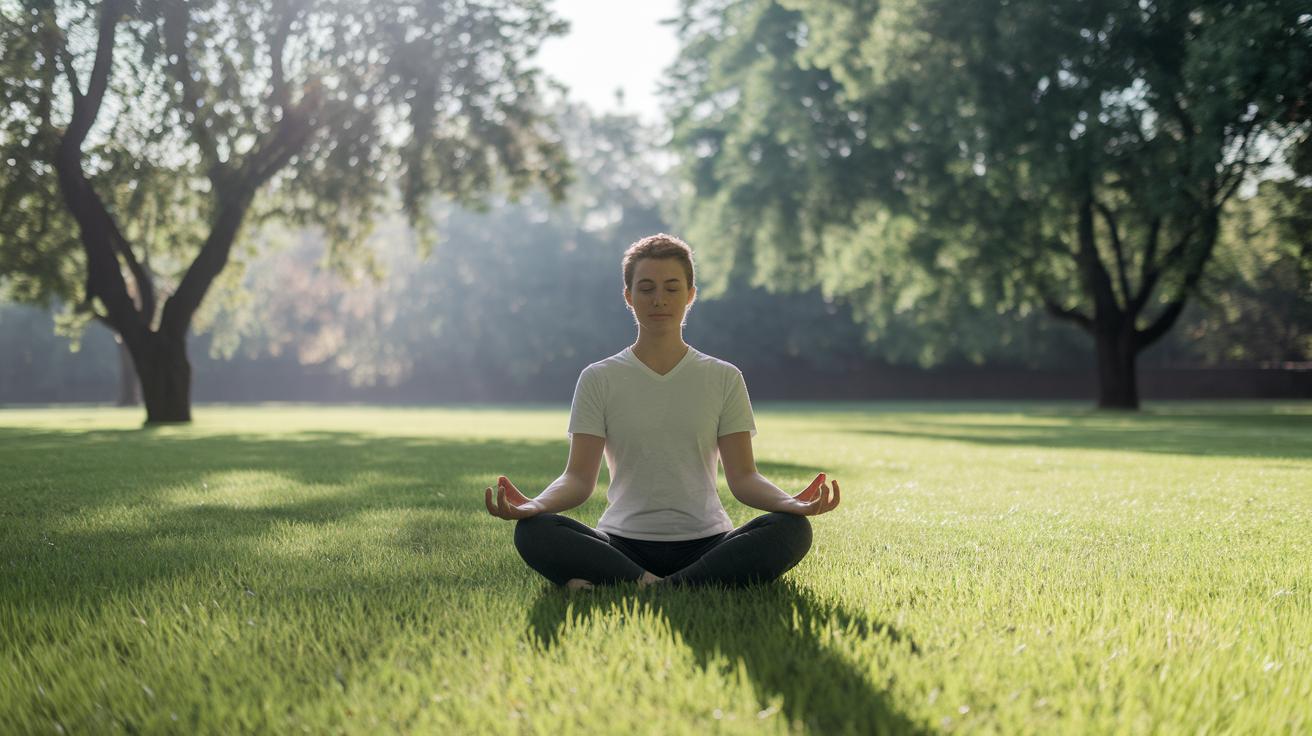
If you ever feel overwhelmed, movement meditation is a gentle way to step away from stress and reconnect with your body. For example, try walking meditation by matching your breath with every step you take. Imagine breathing in as your right foot steps forward and breathing out when your left foot moves ahead. This practice helps you truly feel the ground under your feet and soak in every sensation along your journey. If you can, try walking barefoot, feel the cool grass or the warm pavement reminding you to enjoy the moment.
Ever thought about turning your daily chores into little moments of calm? That’s what chore meditation is all about. While washing dishes, notice whether the water feels cool or warm and lose yourself in the soft sound of it flowing. Focus on each movement and pay close attention to the textures you feel. It’s a simple way to let go of daily stress, turning everyday tasks into moments of peaceful mindfulness.
Mindful eating is all about pausing to truly enjoy every bite. Take a moment to breathe and let the flavors and textures of your food come alive for you. This simple practice transforms every meal into a chance to be fully present, making nourishment not just a routine but a mindful celebration of life.
Deep and Transcendental Meditation Practices
Transcendental Meditation helps you find peace by quietly repeating your own special word or phrase, known as a mantra. This simple act guides your mind into a state beyond waking, dreaming, and deep sleep (a fourth level of awareness). Think of it as a gentle echo that soothes your thoughts, much like a soft breeze clearing away the clutter in your head.
Taking it a step further, advanced deep meditation mixes several calming techniques. Start by paying close attention to your breath. As you breathe in, feel your body relax and let go of tightness. Next, gently focus on each part of your body, beginning at your toes and slowly moving up to your head, much like noticing the smooth flow of a stream. Then, softly repeat your mantra and try a phase of muscle relaxation, tightening and then releasing different muscles, to sink deeper into this peaceful state. Some even call this deep clarity samadhi (a profound state of calm and focused awareness).
Begin your practice by sitting in a comfortable, steady position. Let your breathing settle on its own and tune into that quiet rhythm of your mantra. When you're ready to finish, slowly wiggle your fingers and toes. Open your eyes at your own pace and take a moment to appreciate the calm you have nurtured. This gentle finishing ritual helps you carry the peace and insights from your meditation into the rest of your day.
Integrating Meditation Techniques into Daily Life
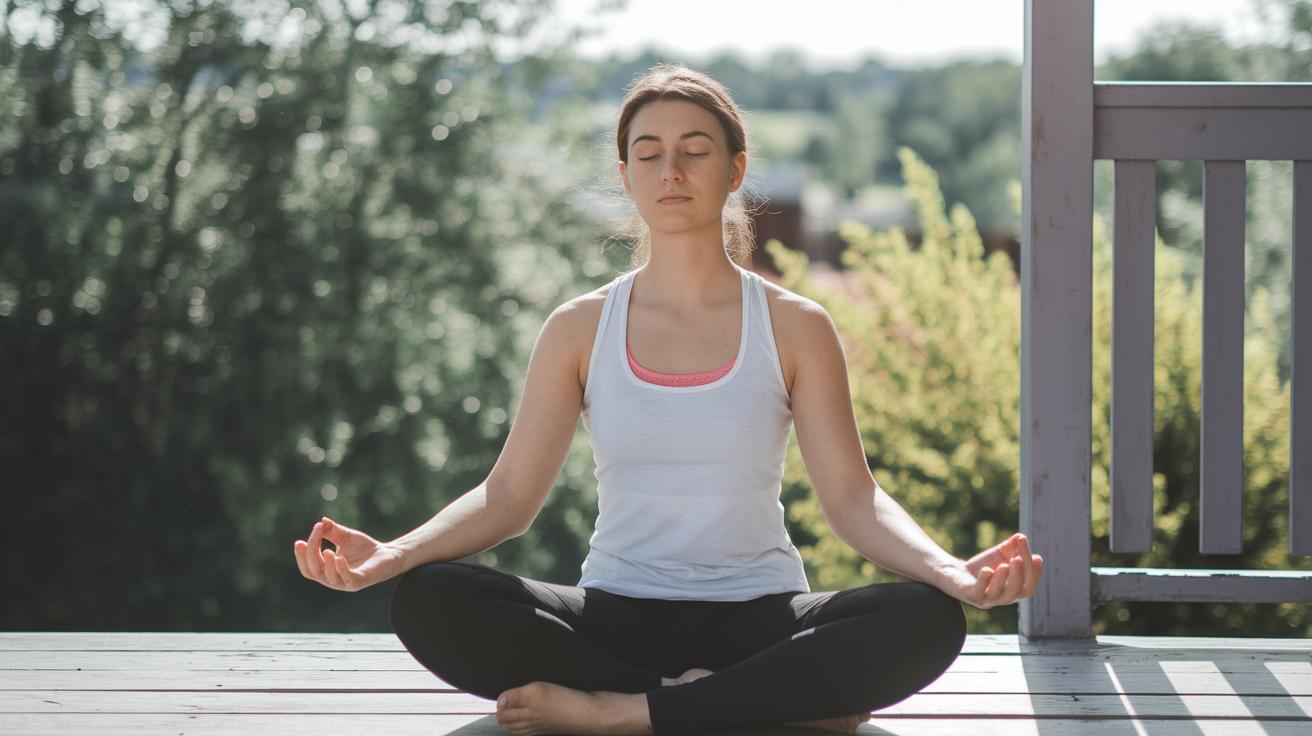
It’s amazing how just five minutes can transform your day. Simple practices like alternate nostril breathing (switching your breath from one side to the other) or a full body scan (quietly noticing each part of your body) can clear your mind and melt stress away. Imagine starting your morning by stepping out the door after taking five slow, deep breaths, it sets a bright tone and fills you with calm.
Building a daily ritual is easier than you might think. Maybe you can set a reminder on your phone or block out a few quiet minutes on your calendar. You could even mix shorter techniques, like combining a focused breath with a gentle mantra repeat. After lunch, for instance, pause for a minute, take three measured breaths, and quietly say, "I am calm," to reset your energy.
Even on busy days, these quick, self-led exercises can make a big difference. Whether you stop to feel the cool breeze as you breathe in or quickly check in with your body for any signs of tension, these moments help you manage stress and keep your energy flowing. Embrace these simple mindfulness habits as a caring, everyday pause that supports your overall well-being.
Final Words
In the action, we explored ways to ease your day with various meditation techniques. We looked at breath-focused practices, muscle relaxation, guided visualization, mantra repetition, and moving meditations. Each method offers a unique boost for both your mind and body while keeping things simple and manageable. Remember, even a few minutes daily can lift your spirit and clear your thoughts. Try mixing these techniques into your routine and feel the calm and balance emerge, one mindful breath at a time.
FAQ
What meditation techniques help reduce anxiety, stress, and support mental health?
The techniques for easing anxiety, stress, and boosting mental health include mindful breathing, body scan, and guided meditations that help you relax and clear negative thoughts in a simple, accessible way.
What meditation techniques assist with improving sleep quality?
The techniques for sleep include gentle mindful breathing and progressive muscle relaxation, which help calm the body and quiet the mind, creating a peaceful state for better, more refreshing sleep.
What meditation techniques are recommended for beginners and what are some common practices?
The techniques for beginners involve starting with short, focused methods like mindful breathing, body scans, and brief guided sessions that introduce basic steps for a steady, calming practice.
Where can I find information on meditation techniques on Reddit or in PDF format?
The techniques shared on Reddit or available as PDFs often outline simple practices, success stories, and practical tips from everyday people, offering diverse examples that you can easily try out.
What is considered the most powerful meditation technique?
The most powerful meditation technique often cited is mantra meditation, where repeating a soothing phrase helps quiet the mind and anchor focus, leading to a deep sense of inner calm.
What are the 5 R’s of meditation?
The 5 R’s of meditation typically refer to Recognize, Relax, Release, Return, and Repeat—steps that help you notice thoughts, let go of tension, and steadily bring back your focus during practice.
What are the 7 types of meditation?
The 7 types of meditation may include techniques such as mindfulness, concentration, loving-kindness, body scan, transcendental, guided imagery, and movement meditation, offering various ways to calm the mind and nurture wellbeing.

