
Have you ever wondered if your busy brain is keeping you up at night? Sometimes when your thoughts race, it can be hard to settle down and get the sleep you need.
Sleep meditation is a gentle way to calm your mind before you hit the hay. It’s like giving your thoughts a little break with slow, mindful breathing. Imagine the soothing rhythm of your breath turning a cluttered mind into a quiet space, ready for rest.
This simple practice can help you sleep deeper and wake up feeling refreshed and ready for a new day. What if just a small change to your bedtime routine could make your nights peaceful and your mornings energetic?
Give it a try and see if it brings that calm vibe you’ve been looking for.
Incorporating Sleep Meditation into Your Nightly Routine
Sink into a calm space each night by shifting your focus away from your busy thoughts. Picture yourself unwinding with a brief moment of mindfulness, maybe you close your eyes, breathe in slowly for a count of four, hold gently, and then exhale for four. This little ritual helps your body ease from the busyness of the day into a peaceful state, making sleep feel more inviting.
Building a steady bedtime routine can truly change the quality of your sleep. Most adults need between 7 and 9 hours, yet many of us miss out on enough rest. Think about setting your bedtime to the same hour each night, turning off screens at least 30 minutes before sleep, and choosing relaxing activities like light reading or soft ambient sounds. These habits give a gentle nudge to your brain, saying, "It's time to wind down."
A fun tip is to take a moment to notice how your body feels before falling asleep, maybe you feel a cool breeze from an open window or the cozy warmth of your blankets. Jotting down a small note of gratitude or a positive thought can act like a reset for your mind. By mixing focused breathing with an inviting atmosphere, you’re setting yourself up for a night of deep, restorative sleep.
Understanding the Benefits of Sleep Meditation
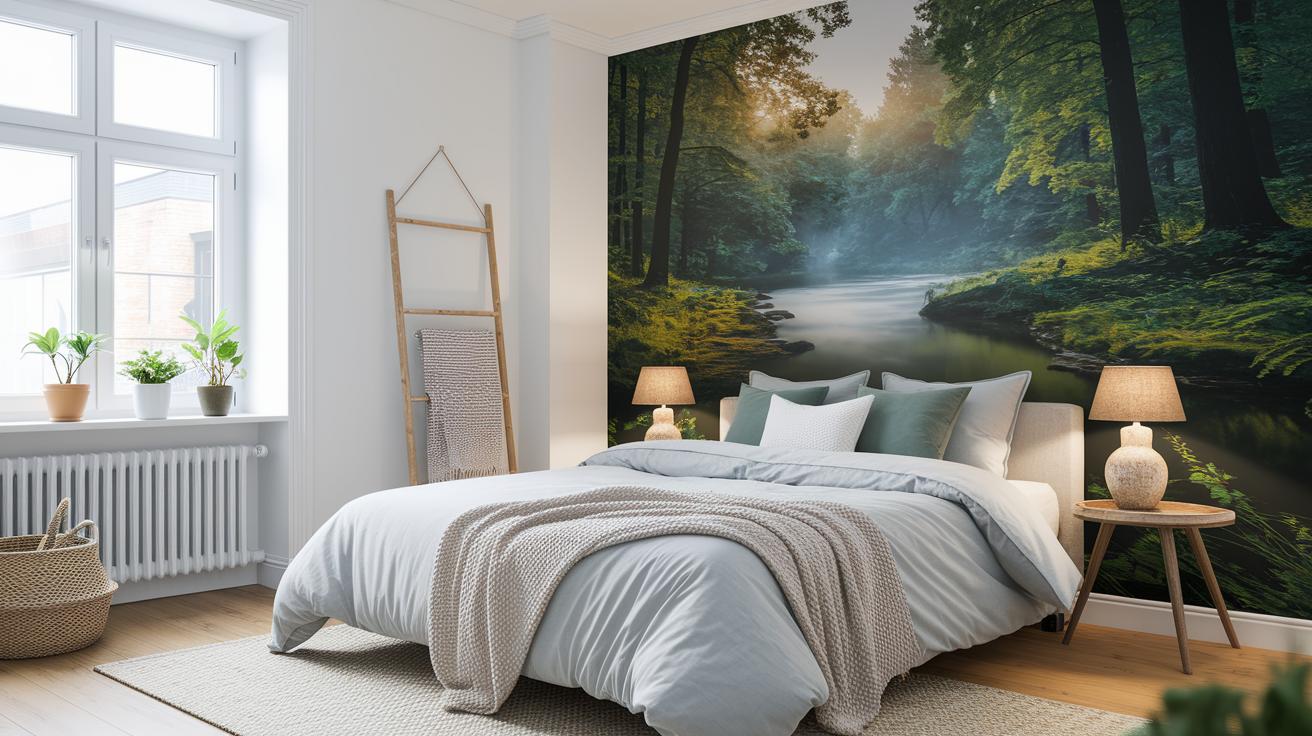
Sleep meditation can help you drift into a deep, peaceful slumber so you wake up feeling refreshed and ready to embrace the day. This simple nightly routine not only eases an overactive mind but also creates a calm space for your body to rest. It’s kind of like giving your body a mini reset. When you practice techniques such as stress relief sleep exercises (simple movements or breathing that help you relax), you might even lower your chances of heart problems, diabetes, and memory issues.
Imagine lying back and taking slow, deep breaths while picturing a quiet forest at dusk, where the gentle rustle of leaves whispers tranquility just for you. A trusted expert with over 40 years of experience believes these mind-body exercises can boost up to 80% of your body’s natural healing powers. Try adding a few calm, mindful moments before bed and feel how gently your body eases into a more restorative sleep.
Sleep Meditation: Enjoy Restful, Peaceful Nights
Get ready to unwind and prepare your body for a night of cozy, deep sleep with these five gentle steps. Each technique uses the simple power of your breath and imagination to melt away the day's tension.
-
Deep Breathing Meditation
Sit comfortably in your bed or your favorite quiet spot and let your breath guide you. Slowly count your inhales and exhales, inhale over four counts, take a gentle pause, then exhale slowly over four counts. This easy method helps quiet your mind and relax your body. Try this Mindful Breathing Exercise Mindful Breathing Exercise. Did you know that focusing on your breath can calm your nerves almost like a soft lullaby? -
Eye of the Storm Meditation
Set a timer for 19 minutes, close your eyes, and picture yourself at the calm center of a swirling storm. Imagine the steady rhythm of your breath as it blends into the background, letting any stressful thoughts fade away. This simple yet effective technique clears your mind, so you can finally feel that inner peace even when life seems hectic. -
Sleep Meditation Using Guided Imagery
Now, envision a place that brings you comfort, maybe a quiet beach at sunset or a softly lit forest clearing. Let these soothing images fill your mind as you slowly release the tension in your body. By shifting your focus from everyday worries to a peaceful scene, you create a gentle pathway to sleep. -
Loving Kindness Meditation
Spend 10 minutes sending warm, kind thoughts to yourself. Silently repeat phrases like, "May I be relaxed" or "May I be at peace." This nurturing practice not only encourages self-compassion but also helps dissolve the stress that might be lingering in your body, much like a gentle hug from within. -
Inner Strength Meditation
Take 16 minutes to build resilience before bedtime. Start with a body scan, begin at your head and slowly move your attention down to your toes. Imagine a soft, warm light dissolving any tension along the way. This grounding meditation is perfect for easing insomnia, leaving you feeling both empowered and truly rested.
Sleep Meditation Scripts, Audio, and Guided Resources
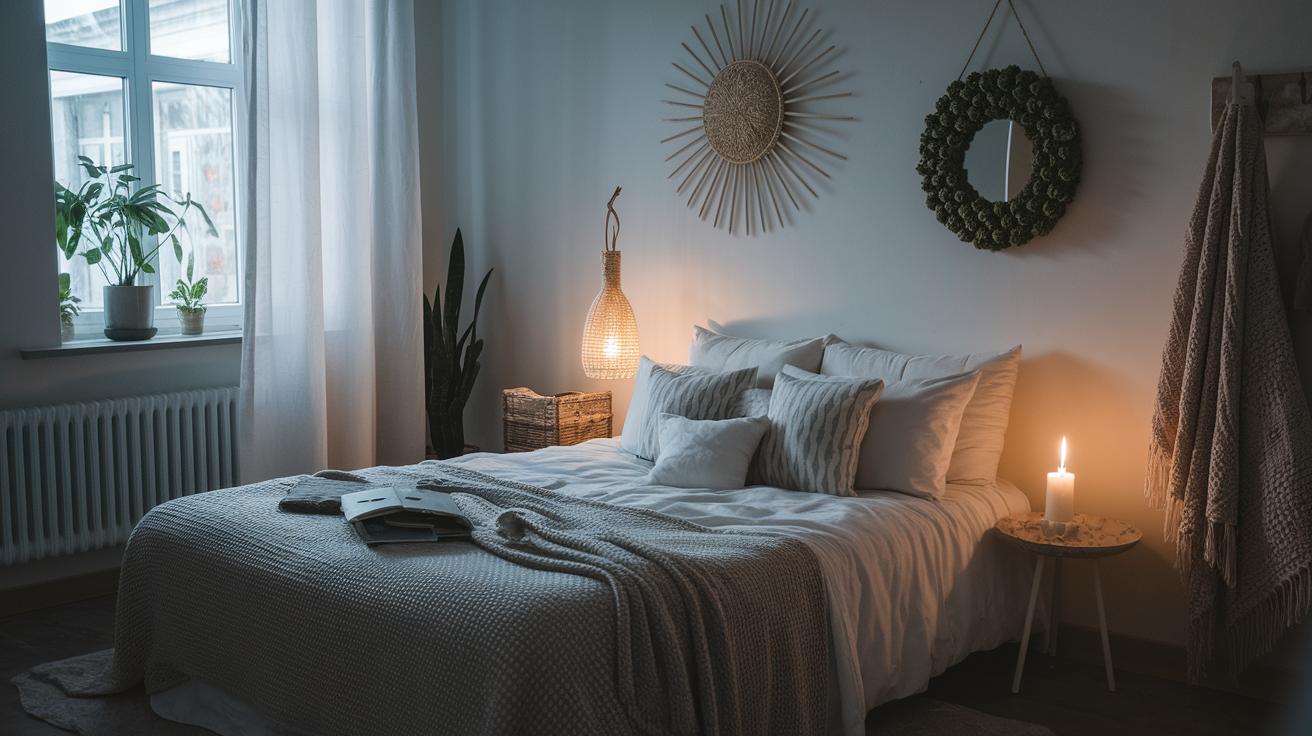
Imagine drifting off with a gentle voice guiding you to sleep. Audio sleep meditations are designed to soothe your mind and prepare you for a deep, peaceful rest. They use warm, professional voiceovers along with calm background sounds that help you unwind. These guides create an all-around experience that tells your brain it's time to relax. For instance, you might choose an audio track that starts with an interesting fact like, "Did you know that soft, spoken words can lower your heart rate and help you fall into a deep sleep within minutes?"
One service you might try is Guided Meditation for Sleep. It offers a simple menu of narrated tracks that include both calming sleep stories and guided visualizations, which help you picture serene scenes as you drift away. Imagine listening to a story that takes you on a quiet walk through a moonlit garden or a gentle ride down a softly lit river.
Plus, there are flexible pricing options available that let you test the experience before you commit. Some places even offer a 14-day free trial before a small monthly fee starts, while others have a 7-day trial with a fixed price. This way, you can pick the audio guide that best fits your bedtime routine.
| Practice | Duration | Target Outcome |
|---|---|---|
| Guided Sleep Hypnosis | 15 min | Deep relaxation |
| Sleep Aid Guided Visualization | 12 min | Calming imagery |
| Ambient Soundscapes for Sleep | Varies | Soothing auditory environment |
| Sound Therapy for Sleep | 20 min | Stress reduction |
| Soothing Audio for Rest | 10 min | Quieting the mind |
Optimizing Your Environment for Sleep Meditation
Imagine transforming your bedroom into a cozy retreat that gently signals your body it's time to relax. A few thoughtful changes can help your mind slide into a peaceful mood before bed. You might start by making your room feel like a welcoming haven where your body and soul can unwind. Small touches work like magic, showing your brain that it's time to let go and prepare for a deep, refreshing sleep.
Here are some easy ideas to set up your perfect sleep space:
- Listen to sleepcasts, soothing stories, soft piano tunes, or calming sounds to create a friendly vibe.
- Keep your room cozy with a steady temperature between 60 and 67 °F so your body feels just right.
- Dim the lights to avoid harsh brightness; a soft glow makes everything more soothing.
- Set a reminder for yourself to turn off screens at least 30 minutes before bed so your mind can wind down naturally.
- Add gentle sensory details, like a light fragrance or a quiet background hum, that tell your body it's bedtime.
By making these simple changes, you'll gradually train your brain to link your room with rest and relaxation. Soon, falling asleep will feel natural and comfortable, just like easing into a warm, peaceful hug before dreaming.
Sleep Meditation for Insomnia Relief and Anxiety Reduction

When your mind races at night, try this gentle meditation to ease anxiety and calm your body. Even brief sessions can help release nervous energy while giving you a mental break.
Start by getting comfortable – sit or lie down and softly close your eyes. Then, take three slow breaths. Inhale counting quietly to three, and exhale the same way. With each breath, feel the tension melt away.
Now, picture a gentle chime sounding in your mind. Imagine this soft tone traveling slowly from the top of your head down to your toes, much like a chime echoing in a peaceful forest, carrying your stress away. Whenever distracting thoughts pop up, simply bring your attention back to that soothing sound.
Many have found that regular practice deepens their sleep and reduces nighttime disturbances. If you're curious about more ways to calm your anxiety, consider exploring our mindfulness techniques for a serene and balanced life.
Measuring Progress and Advanced Sleep Meditation Practices
Start by keeping a sleep journal or using an app that tracks your sleep. Write down when you go to bed, how long it takes to drift off, how many times you wake up during the night, and how you feel in the morning. These notes show you how well your sleep routines and calm mind exercises are working over time. For example, you might jot down, "I fell asleep in 20 minutes and only woke up once," which tells you that your nightly rhythm is finding its balance.
Next, try adding some new techniques to your bedtime routine. You can combine a gentle body scan (a practice of slowly relaxing each muscle) with guided imagery. Start by mentally moving from head to toe, easing each muscle as you go, then picture a peaceful scene like a sparkling starry sky or a quiet, gentle lake. Slowly, increase this practice by about five minutes each week. This extra time may help support much of your body’s natural healing process, as a trusted expert with decades of experience has noticed. Keeping track of these changes lets you adjust your routine and celebrate every little win on your journey to a refreshed morning.
Final Words
In the action of trying out sleep meditation, you explored techniques for focusing your mind, shifting away from racing thoughts, and setting up a calming bedtime ritual. You learned simple breathing exercises, guided imagery, and environment tweaks that invite deeper, more restorative sleep. Each mindful step, from attentive pre-sleep self-relaxation to noticing improved rest through a sleep journal, fits naturally into your nightly routine. With sleep meditation incorporated, a refreshing and balanced lifestyle sits right within reach. Keep practicing and enjoy the peaceful nights ahead.
FAQ
Frequently Asked Questions
What does sleep meditation music refer to?
Sleep meditation music refers to calming sounds like soft instrumentals or nature noises that help quiet your mind and guide you toward deep rest.
What are the best guided sleep meditation options, including free ones?
The best guided sleep meditations offer soothing narration and calming soundscapes to ease you into relaxation, and many quality free selections are available online to try without a subscription.
How does a relaxing sleep meditation work and which style is good for sleep?
A relaxing sleep meditation gently directs your focus to slow breathing and peaceful imagery, making it ideal for sleep by calming your mind and helping you let go of daily stress.
What is the benefit of a 10-minute sleep meditation?
A 10-minute sleep meditation can be very effective by providing a short, focused session that eases your thoughts and prepares your body for a smoother transition into a restful sleep.
How does the strongest sleep meditation aid in relaxation?
The strongest sleep meditation techniques use deep breathing and vivid imagery to reduce tension and quiet the mind, promoting a calm state essential for falling into deep, restorative sleep.
How does sleep meditation ease anxiety?
Sleep meditation eases anxiety by shifting your focus away from stressful thoughts, encouraging stillness and a peaceful mindset that helps you unwind for a more restful sleep.
What does sleep meditation for kids involve?
Sleep meditation for kids uses simple, gentle instructions and fun, soothing sounds to help children relax, settle their minds, and ease into a calm sleep routine.
What is the most relaxing sound to fall asleep to?
The most relaxing sound to fall asleep to can be soft instrumental music, nature sounds, or a guided meditation that calms your mind and creates a peaceful sleep environment.
What does the Buddhist technique for sleep consist of?
The Buddhist technique for sleep typically centers on mindful breathing and gentle meditation that encourages staying in the present moment and easing the mind for a smooth transition to sleep.
How can you 100% fall asleep using meditation?
To 100% fall asleep with meditation, combine a consistent bedtime routine with calming meditation, focused breathing, and an environment free of distractions to naturally invite deep, uninterrupted rest.

