
Ever thought about whether working out at home can really make a difference? Research tells us that using tried-and-true exercise methods right in your living room can lift your energy and keep your heart in great shape (heart health means your heart is strong and efficient). It feels a bit like tweaking a favorite recipe until every ingredient hits the spot for your body.
When you adjust how hard you push yourself, pick moves that match what you want to achieve, and let your muscles catch a breather, your home can transform into a smart, effective workout zone. It's a simple way to make every session count, all without stepping into a gym.
Foundational Exercise Science Research for Home Workouts
Exercise science for home workouts means using clear, research-backed methods to create routines that work well in the comfort of your home. It’s about understanding how your body responds to movement, so you can boost your heart health and energy, much like tweaking a favorite recipe until it fits your taste perfectly.
Consider these five key principles:
- Overload: Gradually increasing the challenge to gently push your body beyond its routine.
- Specificity: Choosing exercises that match your unique fitness goals.
- Progression: Slowly raising the intensity or duration of your workouts over time.
- Individualization: Adjusting each exercise to fit your personal abilities and needs.
- Recovery: Giving your muscles the time they need to rest and rebuild.
Using these ideas, you can design home workouts that help improve your heart health and boost your overall energy. For example, Home-HIT routines mix short bursts of intense activity with simple rest periods, kind of like sprinting and then catching your breath. This approach fits nicely with the idea of getting at least 150 minutes of moderate exercise each week, keeping things balanced and sustainable.
By gradually increasing the challenge and trying out new moves, even a simple home circuit turns into a smart, research-backed way to boost your well-being. Little adjustments in rest and tailoring the workout to your body’s needs ensure that the exercise feels both fun and effective for a healthier everyday life.
Research-Based Programming for Home Workout Routines
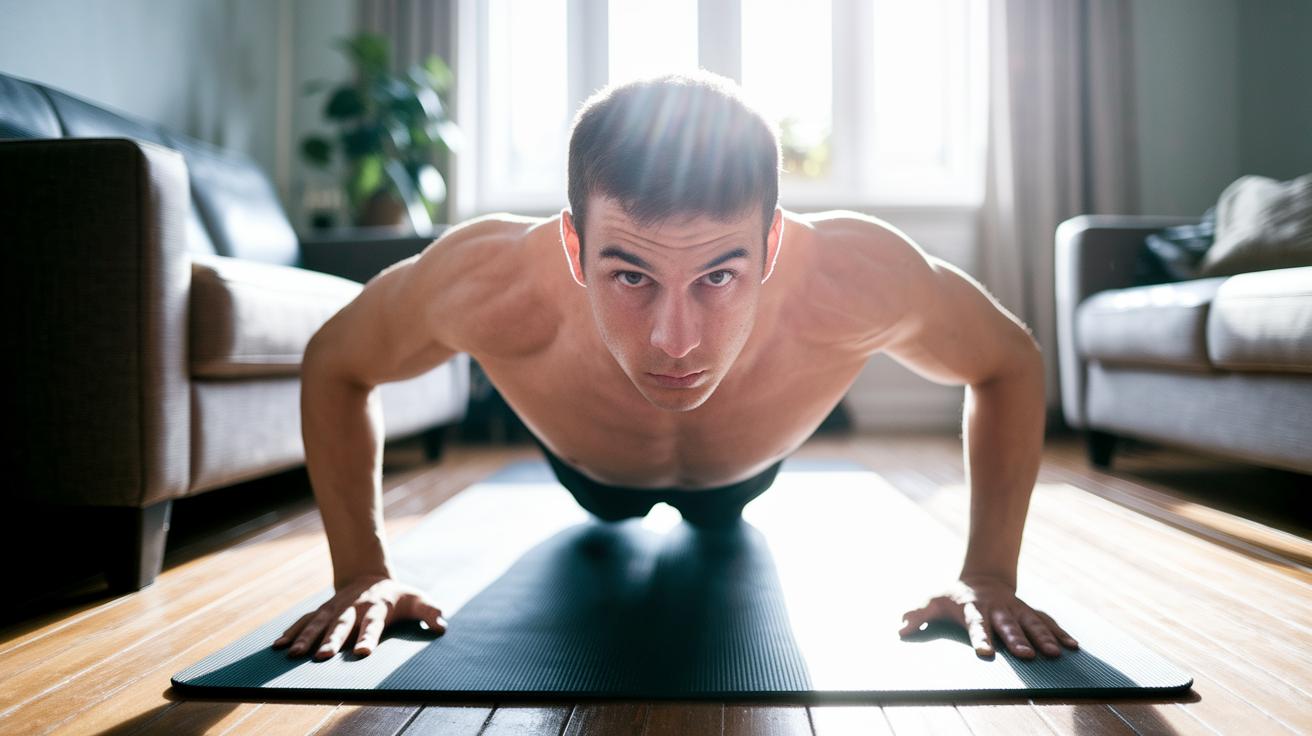
Periodization is all about planning your workouts in fun, manageable cycles that give your body just the right balance of challenge and rest. It works like a school schedule that builds your skills step by step: one phase helps you boost your endurance (your stamina), another focuses on building strength, and sometimes you even include a recovery period to let your muscles relax. For example, you might follow a plan from a guide like workout routines for beginners at home, which lays out a clear roadmap to keep even the toughest workouts feeling achievable.
Adaptive resistance strategies help you gradually dial up the difficulty as your body becomes stronger. Think of it as slowly tuning your favorite radio station until you find that perfect beat. By adding light weights or adjusting the number of reps, you encourage your muscles to grow without putting too much strain on them. Have you ever noticed how your push-ups feel a bit easier after a few weeks of practice? That little change shows your body is adapting and getting ready for new challenges, echoing ideas from what is strength training.
Keeping track of your progress is a key part of making your home workout routine even better over time. Whether you jot down your reps and weights in a workout log or use a wearable device, recording even small victories helps you see how far you’ve come. A note like “I added one extra rep last week” might seem small, but it paints a picture of consistent improvement. This simple habit ensures your workout plan evolves with you, letting you adjust the intensity or duration as you reach new levels of strength.
Applied Biomechanics and Technique Science in Bodyweight Training
Applied biomechanics in home workouts is all about understanding how our joints and muscles work together during movement. Studies show that using the proper bodyweight technique improves muscle activation (how well your muscles work) and joint stability (the support around your joints). When you perform exercises like push-ups or squats correctly, your body responds better and your risk of injury is lower. Using methods like video analysis and remote feedback can help you see where small adjustments are needed. Even a tiny change, like tweaking your arm angle during a push-up, can make the exercise feel safer and more effective.
| Movement | Joint Angles | Primary Muscles | Common Errors | Coaching Cues |
|---|---|---|---|---|
| Push-up | Elbow ~90° at bottom | Chest, triceps, core | Sagging hips | Keep body straight |
| Squat | Knee ~90°, hips back | Quadriceps, glutes, hamstrings | Knees caving | Push knees out |
| Lunge | Front knee ~90°, back knee near floor | Quads, glutes, calves | Overstepping | Step to controlled depth |
| Plank | Straight line from head to heels | Core, shoulders | Elevated hips | Maintain alignment |
Take a moment to use this table as a guide while you exercise. Compare your movements with the recommended joint angles and coaching cues. Little tweaks like engaging your core or keeping your knees in line can really boost both your safety and the effectiveness of your home workouts.
High-Intensity Interval Training Science in Home Settings

HIIT routines are pretty cool. They involve doing quick bursts of intense exercise followed by recovery time. These short, energetic sessions can do wonders for your body. Research tells us that even at home these bursts help boost your heart’s performance and improve VO₂max (a simple way of measuring how well your body uses oxygen during exercise). They also enhance your insulin sensitivity (which means your body manages sugar better). Imagine a 30-second sprint followed by a brief rest, it mirrors the heart work you’d get in a gym session, saving you time while giving you amazing metabolic benefits.
When you set up your HIIT routine at home, it’s good to strike a balance between work and rest. A common plan is to do 20- to 30-second high-energy moves interspersed with rest or low-intensity activity for the same amount of time. You can tweak the work-to-rest ratio to suit your fitness level. Beginners might need a little more recovery, while those who are more experienced can shorten their rest for a greater challenge. Think of it like tuning your favorite instrument, you adjust each interval until it perfectly matches how you feel, making each session both effective and safe.
Monitoring Performance and Exercise Physiology in Home Workouts
Tracking your progress at home can feel like running your own little science lab. Start with easy tools like a heart rate monitor (a device that measures your beats per minute) and an RPE scale (a simple way to rate how hard you feel you are working). Checking your heart rate before, during, and after your exercises shows how your body is reacting, while a quick self-check on the RPE scale gives you a feel for your effort. It turns your workout space into a place of self-discovery and smart training.
Understanding these numbers helps keep your workouts fun and safe. If you notice your heart rate stays too high or your hard work just doesn’t feel right, slow down a bit or add extra rest. I find that jotting down a few notes in a workout log helps me spot patterns and adjust my efforts. Reading these signs shows you when it is a good time to push forward and when your body needs a break.
Recovery Strategy Research for In-Home Training Adaptation
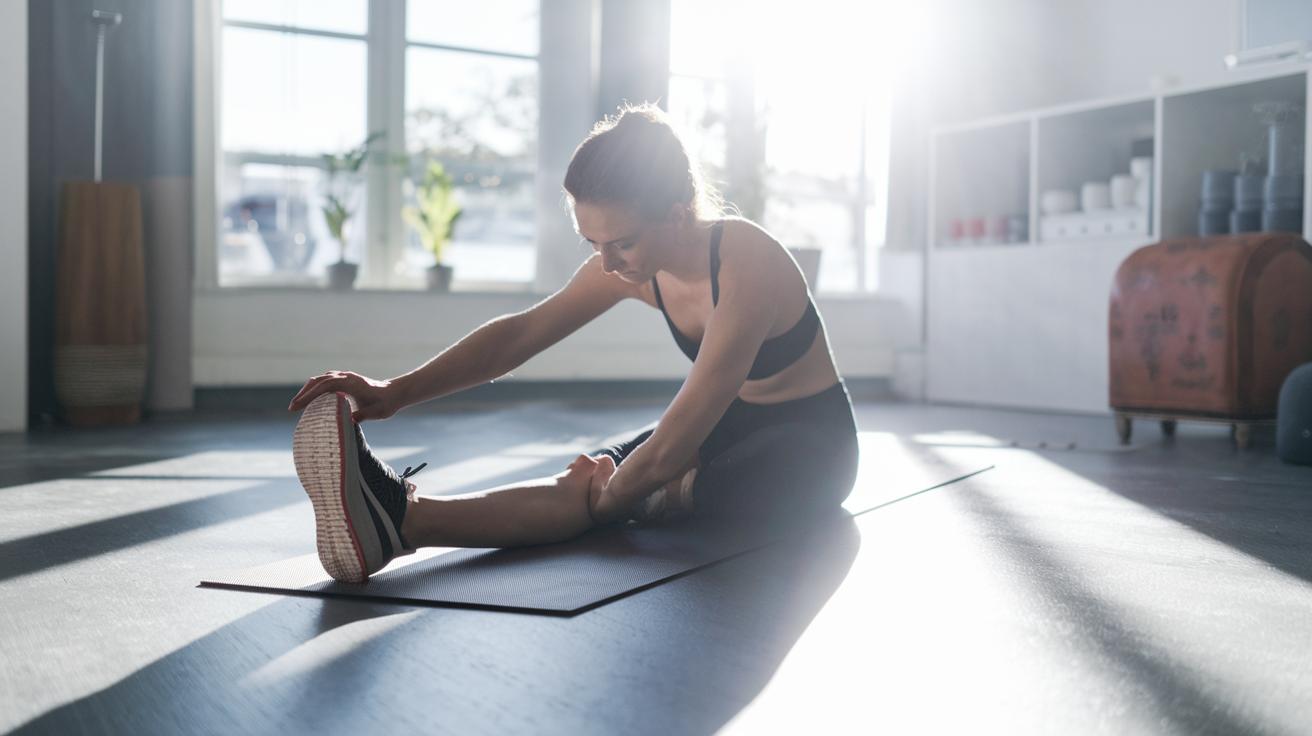
After you finish a workout at home, your body gets busy fixing and refilling itself. Your muscles start to repair, and your energy reserves get topped up. This downtime is as key as the exercise since it helps reduce soreness and build strength. Think of it like taking a moment to catch your breath on a sunny day. Research in fields like occupational therapy and biomedical sciences shows that these breaks are essential for getting your body ready for the next challenge.
Active recovery also plays a big role. Imagine taking a gentle walk or doing a light yoga session that keeps the blood flowing without overworking your muscles. Simple stretches, like slowly bending forward to touch your toes, can relieve tension and boost your flexibility. Plus, having a balanced snack with a mix of protein and carbs after your workout can speed up muscle repair. Together, these tips create a balanced mix of rest and movement that supports your long-term training success.
Safety Guidelines and Injury Prevention Science for Home Fitness
When you exercise at home, start by taking a good look around your space. Make sure there's plenty of room for your movements and that no loose rugs or clutter are lying about where they could trip you up. Check that your equipment is steady and in good shape, whether it's a sturdy chair or a firm mat. Even small tweaks, like shifting a chair from near the doorway, can make a big difference in keeping you safe.
Also, really listen to your body during your workouts. Begin with lighter weights or gentler movements and slowly build up as you get comfortable. If a sharp pain or unusual discomfort pops up, it’s a clear sign to hit pause and catch your breath. Trust these signals, they’re your body’s way of saying, “Let’s adjust for a safer workout.”
Final Words
In the action of creating a science-backed home workout plan, you can feel confident knowing these techniques build a solid base for your routine. The post recaps essential points, from applying core exercise science research applied to home workouts to integrating principles like overload (adding challenge), progression (gradually increasing demand), and recovery (rest that helps muscles repair). Each step supports building strength, nutritious eating, and mental clarity. Keep embracing these strategies and enjoy the positive changes along the way.
FAQ
Exercise science research applied to home workouts pdf
The PDF outlines how exercise science supports home workouts, detailing training methods and evidence-based practices for effective and safe workouts at home.
Exercise science research applied to home workouts free
The free research offers practical insights from exercise science, sharing accessible methods and protocols for designing workouts that are both effective and safe within your home setting.
Exercise science research applied to home workouts 2021
The 2021 research explains updated methods and protocols from exercise science that guide how to build safe, effective home workouts, reflecting recent fitness studies and government guidelines.
Are home workouts or home exercise programs effective?
Home workouts and exercise programs work well when they use science-based principles like overload, specificity, and progression, leading to measurable improvements in strength and cardiorespiratory fitness.
Which exercise is scientifically proven?
Scientific studies prove that high-intensity interval training and structured resistance routines effectively boost cardiovascular fitness and strength, with each exercise method offering clear benefits based on rigorous research.
Is it true that for every hour you exercise, you live 3 hours longer?
While regular exercise is linked to a longer, healthier life, the claim of adding three extra hours for every hour exercised is a simplified interpretation of research findings on overall health benefits.

