
Ever thought that moving your body could be your secret weapon against aging? Science tells us that being active not only boosts muscle strength and keeps your joints steady but also helps sharpen your mind (which means better focus and memory).
Imagine mixing in some strength training, gentle cardio, and balance exercises into your daily routine. These activities work together to boost your overall energy and keep you feeling lively.
This post is all about simple, science-backed tips to help you stay active and full of vitality as you grow older. It's like a friendly chat where I share advice on keeping both your body and spirit in top shape.
So, why not try a fresh take on exercise and let yourself enjoy every step of your wellness journey?
Proven Exercise Science Strategies for Aging Well
A review of 48 studies published in the journal Neurobiology of Aging (June 19, 2023) shows that sticking to regular exercise not only boosts your strength and flexibility but also helps sharpen your memory and thinking skills. Researchers call it a secret remedy for aging well because it works wonders for both your body and your mind, even as the years add up. Ever feel that satisfying crunch of fresh veggies or the energizing buzz after a brisk walk? That’s a little taste of what regular exercise can do.
Staying active is the heartbeat of a vibrant lifestyle (active lifestyle – https://greenjuicelife.com?p=741) and can help fend off many health issues that tend to come with aging. These science-backed tips give you a gentle nudge towards safe and enjoyable movement while keeping injuries at bay. Whether you're easing into a workout or powering through a routine, both your body and your mind reap the rewards when you follow these time-tested training methods that enhance endurance, strength, and balance.
- Strength training: Helps build muscles and strengthen bones, making day-to-day tasks feel easier.
- Low-impact cardio: Boosts heart health and energy levels without putting too much stress on your joints.
- Balance drills: Improve your stability (balance means being steady on your feet) to help prevent falls.
- Flexibility routines: Increase your range of motion and ease stiffness so moving around feels smoother.
- Functional movements: Support daily activities by promoting natural motion patterns.
- Recovery practices: Allow your body time to rest and rebuild, which helps reduce overuse injuries.
Each of these exercise types brings its own special benefits, adding up to a healthy lifestyle that minimizes the risks of chronic conditions as you age. In truth, regular physical activity, grounded in solid science, is like a secret sauce for staying strong, agile, and ready for whatever life brings next.
Strength Training Principles for Muscle and Bone Health in Seniors
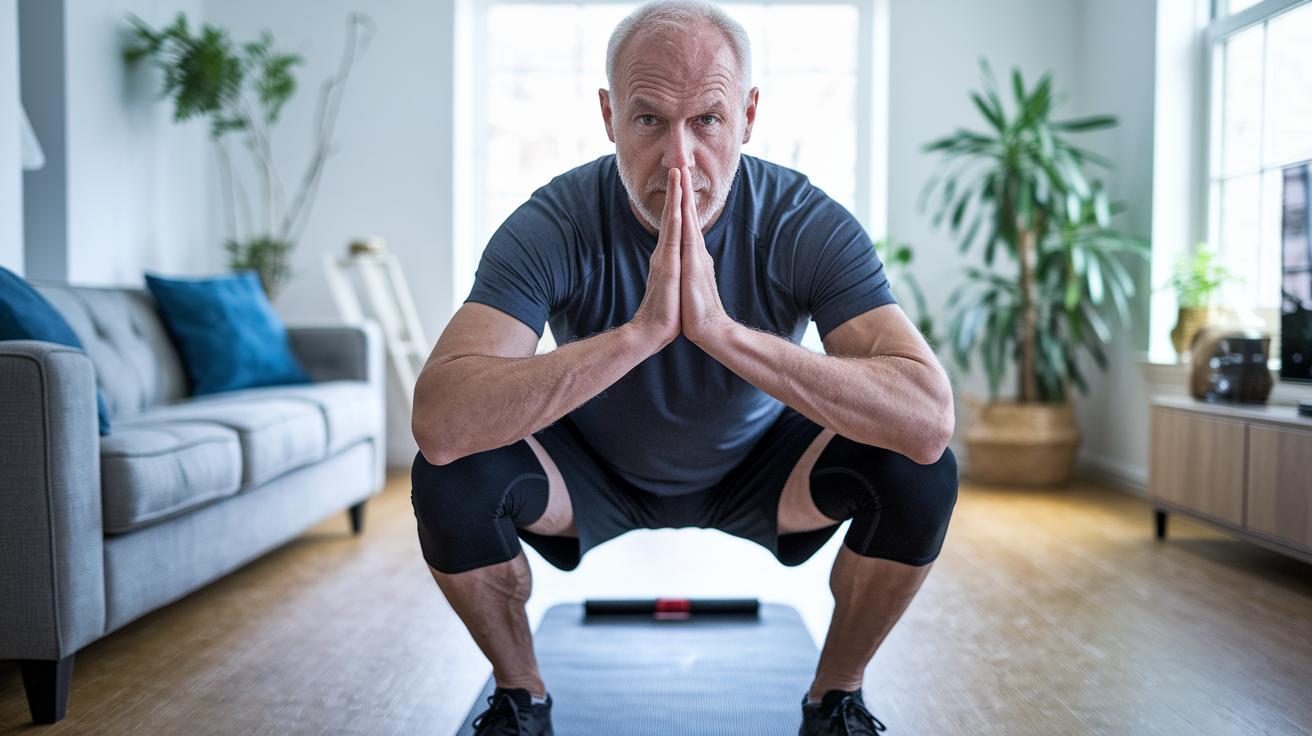
Strength training is a real game-changer when you're trying to keep your muscles and bones healthy as you age. It helps slow down muscle loss (sarcopenia, which means your muscles shrinking over time) and keeps your bones strong. Research shows that doing resistance workouts two or three times a week can cut muscle loss by nearly 20% in just six months. Isn't that pretty amazing?
Adding a little stress to your bones during exercise gives them a gentle push to stay dense and tough. If you feel ready to try moves using just your body weight, a free calisthenics workout plan is a friendly way to get started.
| Exercise | Frequency (days/week) | Sets × Reps |
|---|---|---|
| Bodyweight Squat | 2 | 3×12 |
| Resistance Band Row | 2 | 3×10 |
| Chair-Assisted Push-up | 2 | 3×8 |
| Hip Bridge | 2 | 3×12 |
A key idea here is called progressive overload. This simply means you slowly up the weight or resistance as your muscles get stronger, kind of like adding a little extra time to a morning walk. This gradual approach keeps your workouts effective while protecting your joints and muscles.
Remember, a balanced routine that gently increases the challenge is essential for staying strong and avoiding injury, especially as our bodies change over time. Small steps can lead to big improvements in your overall health!
Low-Impact Cardio and Balance Improvement for Safe Aging
Low-impact cardio workouts are a gentle yet powerful way to keep your heart strong while being kind to your joints. Activities like group walks help boost heart health and even support your memory (the hippocampus is the part of your brain that helps form memories). They let you move comfortably without stressing sensitive joints, which is key for avoiding injuries and keeping chronic conditions at bay. Even simple exercises, when done regularly, can make a big difference over time.
Brisk walking is one of the best ways to get your heart pumping and build stamina. It also gives you a chance to enjoy the refreshing air outdoors, perfect for when you need a little mood boost.
Water aerobics creates a cozy, gentle environment for your body by reducing pressure on your knees and hips while still giving you a good cardiovascular workout.
Tandem stance shifts help improve your balance by challenging your center of gravity, which means you'll feel steadier on uneven surfaces.
Heel-to-toe walking trains your body to move with better alignment, lowering the chance of tripping or falling.
Seated marching offers a safe alternative if you have balance concerns, gently lifting your legs to boost circulation.
It’s important to adjust the pace and duration of each exercise to suit your current fitness level. Listen closely to your body, and tweak the intensity as needed, ensuring each workout feels just right for you. This way, you'll build a strong foundation for safe aging, one step at a time.
Mobility and Flexibility Routines Tailored for Older Adults

Dynamic stretching is a great way to warm up your body and get you moving. Spending just a few extra minutes doing these stretches before your workout can help you move more freely, increasing your range of motion by nearly 15%. Try adding a simple breathing exercise (a technique to help you relax and focus) for about 10 minutes, five days a week. This little routine helps your muscles unwind and lowers stress, paving the way for a smoother recovery.
Warm-Up Dynamic Stretches
- Arm circles
- Leg swings
- Hip openers
- Trunk rotations
- Ankle circles
Post-Workout Static Holds
- Seated hamstring stretch
- Calf stretch
- Shoulder cross-body hold
- Chest opener
- Quadriceps pull
Sticking with these routines steadily can really improve how you move every day. Over time, you'll find that any stiffness eases up, making daily activities more comfortable and enjoyable.
Safe Workout Guidelines and Exercise Modifications for Seniors
Before you jump into your workout, take a few minutes to warm up with some gentle stretches. Slip on those supportive shoes, grab a glass of water, and let your body gradually come to life. These simple steps help ease your muscles and joints into action, reducing the chance of any strain right from the start.
When you move on to the main part of your workout, keep your pace comfortable and true to how you feel. Try using the Rate of Perceived Exertion (RPE, a simple scale to help you measure how hard you're pushing) to decide whether to slow down or step it up a bit. This mindful approach helps protect your joints and muscles, which is really important as we get older.
Here are some friendly, practical tips to keep in mind:
- Use a chair for extra support
- Limit the range of motion if needed
- Opt for lighter resistance bands
- Keep an eye on your heart rate
- Schedule breaks between sets
- Check with a professional if you have any existing conditions
Integrating Exercise into Daily Life for Sustainable Healthy Aging
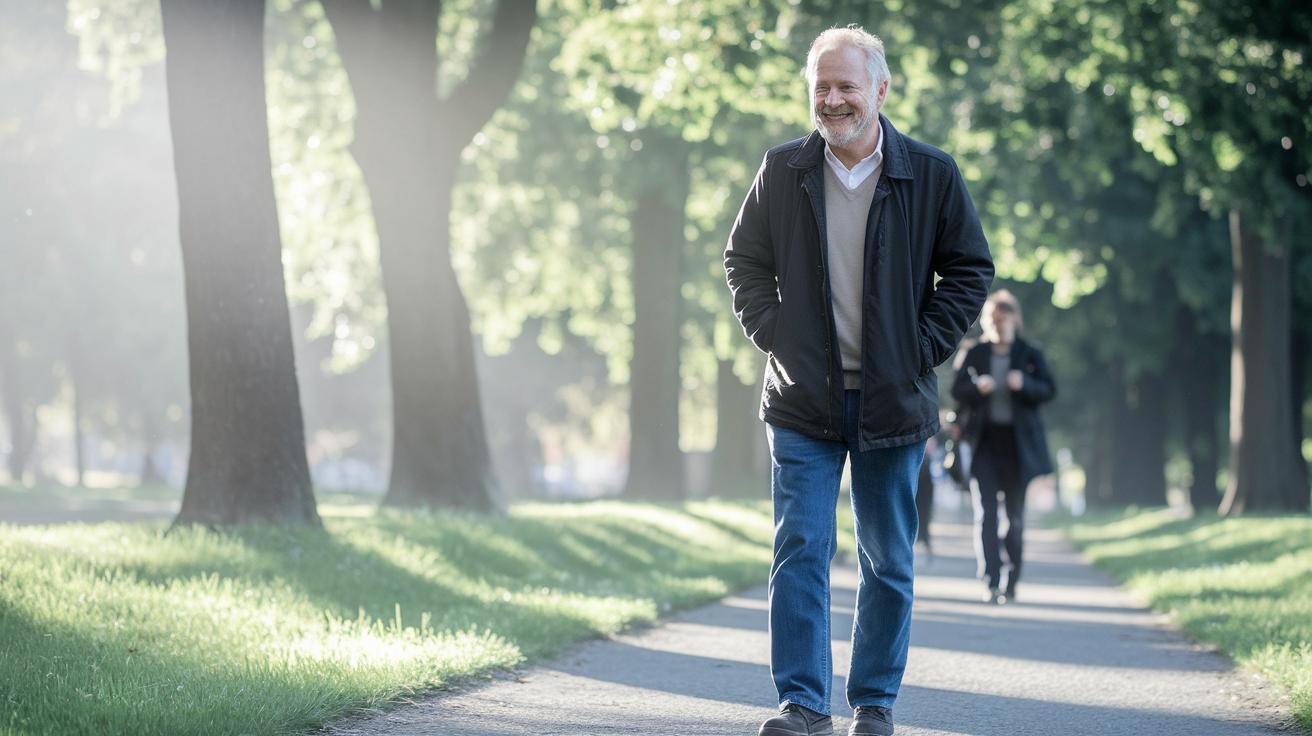
Staying active does more than just work out your muscles; it brightens your mood and clears your mind. Even a short, brisk walk or some gentle gardening can feel refreshing and help ease stress. Imagine feeling that cool morning breeze as you take a few light steps, it’s a mini moment of calm that adds balance to your day.
When you tuck these little bursts of movement into your routine, especially during big changes like retirement, you're nurturing both your body and your spirit. Every bit of movement is a small celebration that keeps your energy high and your heart light.
- schedule short walk breaks – step outside for a quick stroll to clear your thoughts
- join senior group classes – enjoy exercising with friends in a relaxed setting
- use standing workstations – switch between sitting and standing to keep your muscles active
- perform chores mindfully (like gardening) – turn daily tasks into gentle workouts
- set weekly step-count goals – simple targets that keep you motivated
These everyday actions add up over time, helping you feel more vibrant and connected to life each day.
Final Words
In the action, we explored how regular movement boosts strength, balance, and flexibility while keeping our bodies and minds resilient. The science-backed tips from 48 studies and proven strategies help guard against chronic illness. We broke down safe workout practices, from resistance and low-impact cardio routines to mindful stretching and injury prevention tweaks. With exercise science tips for healthy aging, it's clear that staying active is key to a vibrant life. Keep moving and feel great every day.
FAQ
What are some effective tips for healthy aging?
The 10 tips for healthy aging include balanced nutrition, active lifestyle habits like regular movement, social engagement, varied exercise routines, proper rest, mental stimulation, stress control, and routine health check-ups that keep you feeling your best.
Why is healthy aging important?
The importance of healthy aging lies in maintaining independence, cognitive sharpness, and overall well-being while reducing chronic disease risk through balanced habits and staying physically active.
Where can I find healthy aging articles and PDF resources?
The healthy aging articles and PDFs compile scientific research with practical advice, offering accessible insights and strategies to adopt balanced habits and promote long-term wellness.
What are the best anti aging exercises?
The best anti aging exercises include strength training, low-impact cardio, balance drills, and flexibility routines that support muscle preservation, heart health, and overall vitality with minimal joint strain.
What are the five key factors of healthy aging?
The five key factors of healthy aging are regular physical activity, balanced nutrition, stress reduction, social engagement, and preventive healthcare, which together support robust physical and mental health.
What prevention strategies help in aging healthy?
The prevention strategies for healthy aging include routine exercise, mindful eating, injury prevention measures, regular health screenings, and effective stress management to lower chronic disease risk.
What is the best habit for healthy aging?
The best habit for healthy aging is staying consistently active, as regular movement combined with balanced nutrition and mindfulness builds a strong foundation for long-term health.

