
Have you ever noticed how a single rep warms up more than just your muscles? Science shows that every twist, press, and lift sends little signals to your muscle fibers, helping them grow stronger, almost like they’re cheering you on.
This post is all about using proven, science-backed tips to boost your strength while keeping your workout safe. Every time you move, you’re tapping into research about how muscles and nerves work together, turning each routine into a chance to build power and avoid injuries. Isn’t it amazing how little signals can lead to big gains?
Exercise Science Foundations Driving Effective Strength Training
Exercise science mixes the study of how our bodies work, move, and even feel. It helps us see why each bit of movement matters during a workout. When we talk about strength training (which is more than just lifting weights), we're really talking about using science-backed ideas to make our muscles work better and stay safe.
Think about it like this: every twist, turn, and rep tells a story about your body’s strength. It looks at simple things like how muscle fibers (tiny strings in your muscles) are called into action, and how heavy loads gently stress the muscles, which then helps them grow stronger over time.
- It looks at muscle fiber recruitment, which means understanding how different fibers work during resistance exercises.
- It shows that the stress from lifting heavy weights can cause tiny muscle tears that later repair, making you stronger.
- It helps us see how motorneuron activation (signals from your nerves to your muscles) brings more muscle fibers into play.
- It points out that doing quick lifts might use fewer signals, leading to faster fatigue without giving you all the strength benefits.
- It combines ideas like crossbridge dynamics, meaning that real strength comes from muscles working together in a well-coordinated way.
These insights guide us when we plan training routines. When workouts are arranged with a clear idea of how our bodies function, they can boost strength and lower the chances of injury. By mixing heavy lifting with techniques that encourage full muscle engagement, trainers can help you move forward steadily. This science-based approach makes sure every session has a clear purpose, building not just muscle strength but also stability and overall balance.
Biomechanics Fundamentals in Strength Training Technique and Safety

Biomechanics is all about understanding how our bodies move, like watching every twist and turn for any potential problem spots. When you look closely at how we move during exercises, you can spot little missteps that might lead to strain or injury. Even a tiny off-angle during a squat can signal an imbalance, which means a small correction can make your workout both safer and more effective. It’s like fine-tuning your body’s natural rhythm.
Strength training does more than just build muscle, it also creates a solid support network for your joints. When you work on the muscles around your joints, they get extra help, so everyday actions feel steadier and more secure. Plus, paying attention to flexibility and mobility (how far your joints can move) helps you glide through movements without risk of injury. A strong, steady base really pays off whether you’re lifting heavy or easing into recovery.
These days, cool gadgets like wearable devices and real-time data tools are stepping in to help you track your movement. Imagine a device that notices when your form slips or when your posture drifts, giving you friendly tips before things go off track. This smart, data-driven feedback pushes you to fine-tune your technique and protect your body, rep by rep. It’s like having a mini coach with you every step of the way.
Neuromuscular Adaptations and Recruitment Patterns for Strength Gains
Our muscles get stronger not just by lifting heavier weights, but by learning how to work better together. When you exercise, your nerves send clear messages (signals that tell your muscles what to do) to recruit the right muscle fibers. For example, if you lift heavy weights slowly, your body calls on more motorneurons (nerves that activate your muscles) to help you build strength. Research even shows that using lighter weights until you can’t do any more can recruit many of these fibers too. This tells us that it’s not just about the weight, it’s about lifting smart.
Mixing up your workouts by gradually increasing challenges (progressive overload) and changing up how fast you move can really boost how well your muscles work together. Keeping an eye on your progress, like using velocity tracking (a way to measure the speed of your movements), can help make sure every rep counts. I’ve found that routines like the barbell workout routine on Fitandglossy.com perfectly combine muscle engagement with safe, effective movements.
Fiber Recruitment Dynamics
Different workout styles activate different muscle fibers. Fast and explosive lifts usually tap into fast-twitch fibers (muscle fibers that fire quickly for power), while heavier, more controlled lifts work your slow-twitch fibers (muscle fibers that help you go longer). This simple balance lets you tailor your workouts to boost your strength, speed, or endurance, depending on what you’re aiming for.
Motor Control and Adaptation
Motor control is all about getting your muscles to fire together in harmony. As you push yourself harder, your body adjusts the timing and strength of these signals, so your movements become more precise and powerful. Focusing on this aspect helps your muscles work in sync, making your lifts more effective and keeping tiredness at bay.
Programming Principles and Periodization Models for Strength Optimization

Dividing your training into clear stages, like muscle-building, strength, and power, is a smart way to help your body adjust and grow. Research shows that planning your workouts in phases lets you focus on different aspects of strength while also giving your body a chance to rest and recover. Think of each phase as a mini-plan that builds on the one before it, making it easier to watch your progress and keep things balanced. Even beginners can follow this clear guide to make steady gains.
Progressive overload is key in strength training. In simple terms, it means gradually upping the challenge, whether by adding extra weight, switching up your reps, or changing your pace, to keep your muscles working hard. This well-thought-out way of planning makes sure you're pushing your limits while also avoiding burnout. If you're just starting out at the gym, this structured approach gives you a practical and safe path forward.
| Model Number | Model Name |
|---|---|
| 1 | Linear |
| 2 | Undulating |
| 3 | Block |
| 4 | Wave loading |
| 5 | Conjugate |
| 6 | Daily-undulating |
Each of these models offers its own benefits, and the best one for you really depends on your fitness level and personal goals. You can tweak your plan based on how quickly you bounce back after a workout and how your body responds. Customizing your routine by adjusting the load and rest periods helps keep your training in tune with your body's needs, so you can enjoy meaningful gains without overdoing it.
Recovery Optimization Strategies and Hormonal Adaptations for Enhanced Gains
Recovery is key to keeping your body strong and ready for the next workout. When you get a good night’s sleep, enjoy balanced meals, and take it easy with some light movement on off days, you help repair those little muscle tears from exercise. Think of your body like a well-tuned engine, fuel it properly and give it some downtime, and it runs much smoother and lasts longer.
Natural hormones act like little boosters for your muscles. After a tough workout, your body ramps up testosterone (a hormone that supports muscle strength) and growth hormone (a hormone that helps repair and build muscle). It’s like a naturally occurring boost, rest and proper nourishment help trigger these hormones, setting the stage for muscle repair and growth.
Keeping track of how you feel is super important too. Simple tools such as wearable fitness trackers (devices that monitor health indicators) can offer instant feedback on your recovery progress. Plus, listening to your body’s signals is a great way to know when it might be time to ease off. Regularly checking in on your energy and recovery levels can really make a difference in your strength training journey.
Performance Enhancement Science: Power Development and High-Intensity Methods
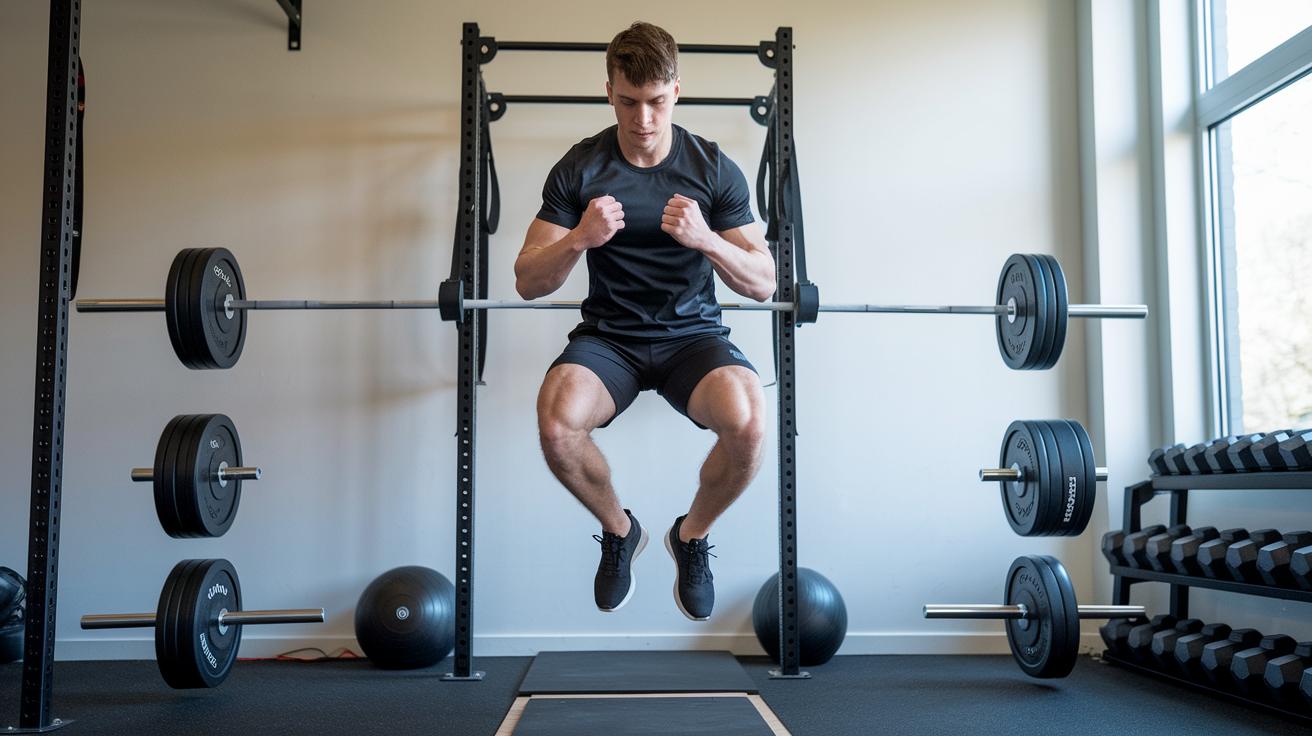
Power training uses explosive moves like plyometrics (jump training), dynamic lifts, and contrast protocols (switching between light and heavy weights) to boost your strength in a flash. These exercises spark your fast-twitch muscles (the ones that help with quick, powerful bursts) and sharpen the signals from your nerves, so you can move with a sudden, refreshing energy, kind of like sprinting on a cool morning when your muscles fire up all at once. Experts focus on smart techniques to help you generate force in a fast yet safe way. They even track things like how fast you're moving and the force you use to make sure each move is both challenging and controlled.
When you work these techniques into your routine, you'll notice explosive drills blend smoothly with your regular strength exercises. Many trainers now mix dynamic lifts with real-time feedback from wearable gadgets and sensors that keep an eye on every move you make. This smart, data-driven style means each rep is monitored carefully, so you can adjust on the go and keep your workout both safe and effective. For a practical look, check out the workout routines for beginners at home to see these power methods in action. By keeping tabs on your progress and making small tweaks along the way, you'll steadily build explosive strength while minimizing the risk of injury.
Final Words
In the action of integrating science with practice, our blog post covered everything from the core of exercise science to biomechanics essentials, neuromuscular adaptations, training cycles, recovery strategies, and high-intensity methods. These insights show how exercise science informs strength training by linking physiology, movement, and system responses to boost performance.
Every section provided simple, practical tips that help build strength safely while staying mindful of the body’s signals. It’s an encouraging outlook full of clear, evidence-based steps to balance effort with smart rest.

