
Have you ever wondered if your lower back might feel better sooner than you expect? Even when a pulled muscle seems stubborn, every little sign of relief shows you’re on the right path, like fixing up your favorite old sneakers one careful stitch at a time.
In this article, we chat about the usual timeline for lower back recovery and what you might feel at each stage. Even if some discomfort lingers, remember that each tiny step forward brings you closer to a much quicker, steady recovery.
Expected Lower Back Muscle Strain Recovery Timeline
A pulled lower back muscle usually gets better on its own in about 2 to 4 weeks. Many folks notice a bit of relief after the first week, even though pain and stiffness might still stick around into week two. Think of it like patiently mending your favorite pair of worn shoes, every careful stitch matters.
During this recovery period, it’s normal to feel some lingering discomfort as your body works its magic repairing the hurt. You might find that your lower back feels sore and a bit stiff, but every little sign of improvement is like a soft light gradually brightening a dark room. It’s a gentle reminder that progress is happening.
If you don’t see much improvement by day 14, it might be a good idea to check in with a doctor. Sometimes, a pull can be deeper or more severe, which could stretch the healing process to around 6 weeks. Remember, every body is different, and even slow progress is still progress, each sign of less pain and better movement shows that your back is on its way to feeling great.
Impact of Strain Severity on Lower Back Recovery Time
Lower back strains come in different levels based on the amount of tissue damage. Grade 1 strains feel like a gentle overstretch, kind of like when you pull a rubber band just a tad too far. Usually, these mild injuries mend within 2 to 4 weeks.
Grade 2 strains are a bit tougher, they involve a partial tear in the muscle or tendon (the tissue that connects your muscles to your bones). This injury hurts more and typically needs 4 to 6 weeks to heal. Imagine it as an elastic band that’s been slightly snapped; it takes longer to return to normal.
Grade 3 strains are the most serious with a full tear or detachment, which might even need surgery and a longer rehab period. Healing from this is like piecing together a broken puzzle, where every small step counts in building back your strength.
Even a small change in the initial injury can mean a big difference in recovery time. So, listen to your body and follow expert advice to make your healing journey as safe and smooth as possible.
Self-Care Techniques for Lower Back Muscle Strain
After a lower back strain, it’s really important to pause and let your body rest for 24 to 48 hours. Think of it as hitting the pause button on a hectic day, giving your back a chance to mend without any extra pressure.
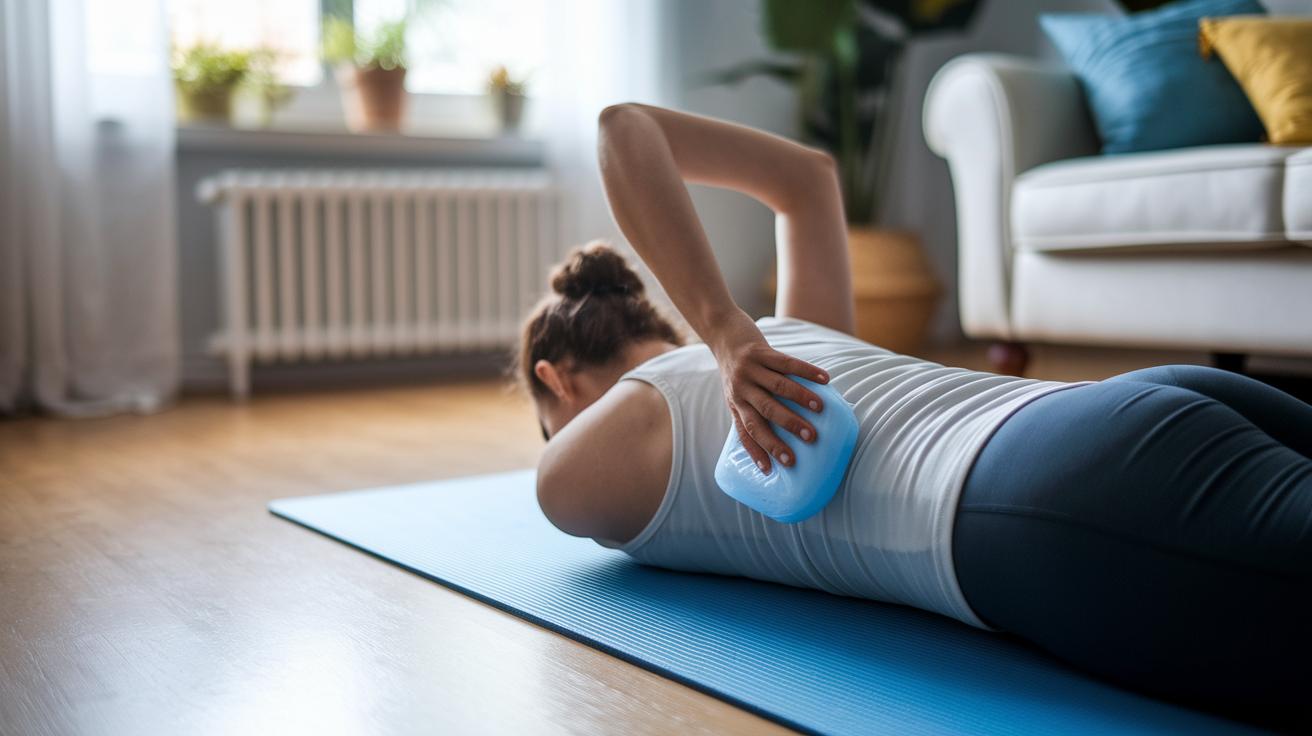
During this downtime, try applying ice every 2 to 3 hours for the first 48 hours. The coolness feels like a refreshing breeze on a hot day, helping to reduce swelling and ease the discomfort. A compression wrap (a snug bandage that gently supports your back) can also be a big help, almost like giving your back a warm, supportive hug as it heals.
Once those initial 48 hours are over, you might want to switch to gentle heat therapy. This helps improve blood flow to your muscles, much like the comforting warmth of a light blanket on a chilly morning.
When you’re ready to start moving again, ease into gentle, pain-free activities. Begin with simple actions like lightly bending or doing soft pelvic tilts, just a bit like stretching after a good night’s sleep. These small movements can keep your muscles from becoming too stiff while you recover.
- Give your body complete rest for 24–48 hours.
- Use ice every 2–3 hours during the first 48 hours.
- Wrap your back with a compression wrap for extra support.
- Switch to gentle heat therapy after 48 hours.
- Start with slow, pain-free movements to keep your muscles loose.
Physical Therapy and Rehabilitation Exercises for Back Strain
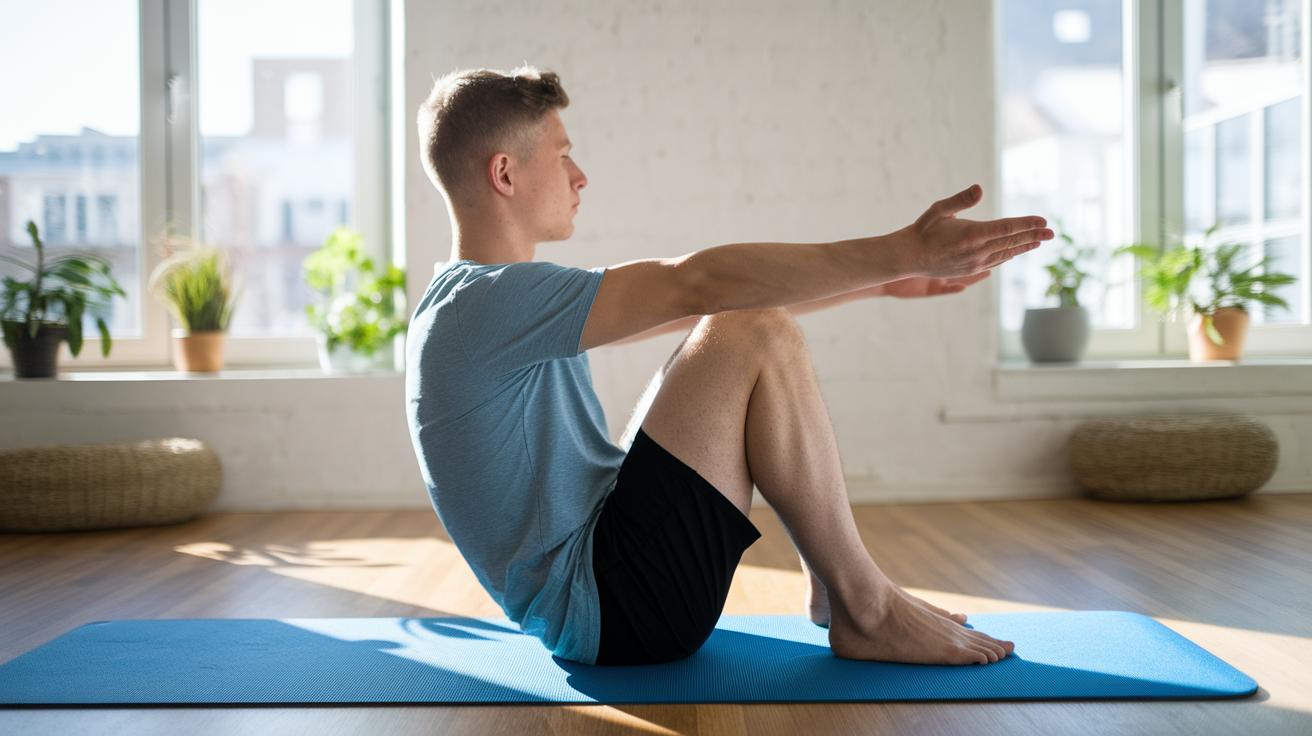
After your body has had some time to rest, you might find that physical therapy is a great way to ease your back slowly back to strength. Working with spinal experts gives you careful guidance and helps speed up a safe recovery. Usually, once the sharp pain fades, the rehabilitation phase lasts about 4 to 6 weeks. During this time, gentle movements and small ranges of motion keep your muscles active and prevent them from weakening.
Starting with light, controlled movement can really make a difference. It’s a bit like carefully revving up a car’s engine after it’s been sitting idle for a while. Simple exercises help bring back stability and soothe discomfort without straining your injured tissues. Remember, it’s best to skip heavy lifting or intense workouts until your back has healed enough.
Here are five easy exercises to support your recovery:
- Pelvic tilts – This gentle move reinforces your lower back’s natural curve and improves core strength.
- Bridges – Lifting your hips off the ground works your glutes and lower back, giving them a subtle strength boost.
- Cat-cow stretch – Moving between a rounded and an arched back relaxes tight muscles and helps improve flexibility.
- Bird-dog – This balancing exercise supports both your back and core as you extend opposite arms and legs.
- Gentle lumbar rotations – These slow twists encourage safe, controlled movement in your lower back.
Adding these exercises to your routine can help your muscles gradually regain their function. Many therapists say that once the severe pain eases, these simple moves can reduce stiffness and keep your repair process on track. And if you’re looking for more safe routines after a full recovery, check out the back day workout routine at https://fitandglossy.com?p=82.
Pain Management and Inflammation Control in Lower Back Strain
When your lower back feels strained, easing the pain and calming the swelling can be a mix of simple home remedies and careful use of medicine. Over-the-counter NSAIDs like ibuprofen (a type of pain reliever that helps reduce swelling) can make a big difference when you use them as directed. Imagine that gentle relief after a smooth stretch on a cool, crisp morning, that’s the kind of comfort you might feel.
Another friendly trick is to alternate between ice and heat. For the first two days, a few minutes with ice every few hours can help quiet the sharp pain and cut down swelling. After about 48 hours, try a heat pack instead. Think about the soothing warmth of a sunny afternoon easing your stiffness and encouraging blood flow to mend those deeper aches.
A gentle trigger-point massage could be just what your back needs too. By softly massaging specific sore spots, you can ease muscle tightness much like kneading dough to smooth out its texture.
- Use NSAIDs to ease pain and reduce swelling.
- Alternate between ice and heat to manage both fresh and lingering discomfort.
- Consider a gentle trigger-point massage for relaxation of tightened muscles.
It’s wise to use any oral pain reliever for only a short period to avoid unwanted side effects. Keeping your approach safe and mindful can help your back heal steadily while you continue enjoying life’s little moments of comfort.
Red Flags: When to Seek Medical Evaluation for Lower Back Strain
If your back isn't showing signs of improvement by day 14, it's a friendly hint that you might want to check in with a doctor. Persistent pain, numbness, or weakness can be like your body's way of waving a red flag, suggesting that the nerves (the body's communication messengers between the brain and muscles) might be under stress. Think of it as that car alarm that just won't stop, it’s telling you that something isn’t quite right.
And if there’s any worry about a serious injury like a Grade 3 tear (a complete muscle tear or detachment), it’s best to get expert help, much like calling a skilled mechanic when your car needs a major fix. Symptoms such as a fever or issues with bladder control are little more urgent signals that your back strain could be more complex than a simple muscle pull. So, when things feel off, don't hesitate to consult a doctor; they can give you clear guidance on the next steps for recovery.
muscle strain lower back recovery time: Swift Healing
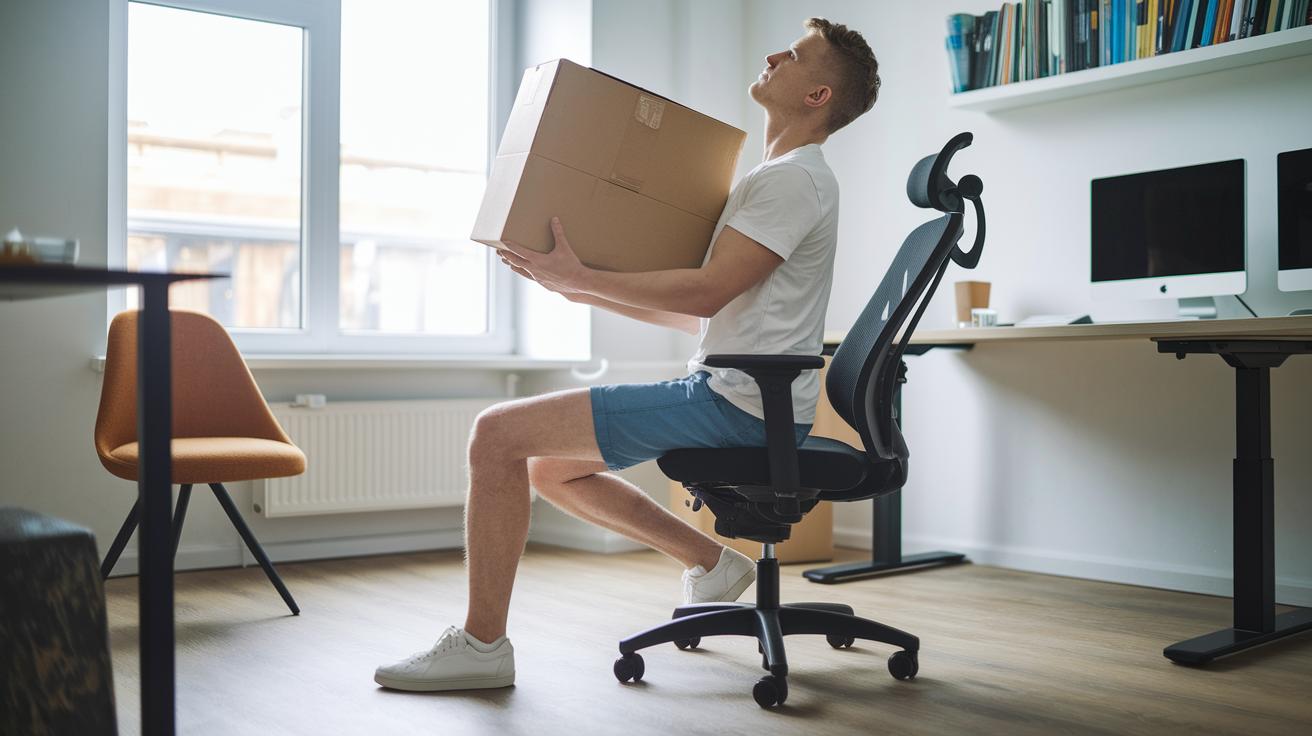
Taking care of your back means thinking about every move you make. When you lift something heavy, bend your knees and keep your back straight, it’s a simple trick that can spare you years of discomfort. Small adjustments like these truly make a big difference.
Strengthening your core, which means your belly muscles and lower back, builds a solid base for your body. It’s like ensuring the foundation of a building stays strong so everything above is secure. A few regular exercises can support your spine and help lower the chance of re-injury.
Making your workspace more comfortable also plays a big role in your recovery. Try adjusting your chair and monitor so you get proper support for your lower back. It’s like setting up your own personal sanctuary for work. And don’t forget to do gentle lower back stretches before and after physical activity, these can really help relax your muscles.
Ease back into full activity slowly. Jumping into things too fast is a bit like trying to run before you can walk; it might just slow you down.
- Bend your knees and keep your back straight when lifting.
- Strengthen your core with regular, gentle exercises.
- Adjust your workspace to support your back.
- Take breaks for light lower back stretches.
- Gradually return to full activity to keep setbacks at bay.
Final Words
In the action of healing, we talked about clear timelines and safe steps to ease back pain. We covered rest, self-care ideas, gentle exercises, and signs that call for extra help. We also looked at ways to lower the chance of future injury. With these tips, your muscle strain lower back recovery time can feel less daunting and more within reach. Keep your spirits high and take each day as a small win toward a stronger, balanced lifestyle.
FAQ
What are the signs of a pulled back muscle or lower back strain?
The signs of a pulled back muscle include pain, stiffness, and difficulty bending. You might also feel muscle spasms or localized tenderness, often with discomfort on one side of your lower back.
What are common treatments for lower back strain or back sprain?
Lower back strain treatment involves rest, ice, compression, and gentle heat therapy. Over-the-counter pain relievers and slow, pain-free movements help relieve discomfort while your body heals.
What is the recovery time for a torn ligament in the back?
A torn ligament in the back usually takes several weeks to heal, depending on severity. It may require professional care, and recovery can vary from minor strains to more serious injuries.
Can a lumbar strain become permanent?
A lumbar strain typically heals on its own within 2 to 4 weeks with proper care. Although rare, persistent discomfort should be assessed by a healthcare provider to rule out more serious issues.
Is it possible to heal a pulled back muscle overnight?
Healing a pulled back muscle overnight isn’t realistic. Even with immediate rest, ice, and gentle stretching, your body needs time—usually several weeks—to fully repair the strained muscle tissue.
What is the fastest way to heal a lower back strain?
The fastest way to heal a lower back strain includes proper rest, alternating ice and heat, and gradual, pain-free movements. Consulting a professional can also guide you on safe, effective recovery practices.
How long does it take to get over a pulled muscle in your lower back?
Most pulled muscles in the lower back improve within 2 to 4 weeks. Noticeable improvement often starts in the first week, with full recovery usually occurring by the end of four weeks.
How do I know if I pulled a muscle in my lower back?
You may have pulled a muscle if you experience sudden pain, localized tenderness, and stiffness. Difficulty with movement or persistent discomfort beyond 14 days also suggests that you should consider professional evaluation.

