
Have you ever felt like your muscles are begging for a break after a tough workout? A warm bath with Epsom salt can feel like a gentle hug for your body. When the salt dissolves, it releases magnesium and sulfate ions (tiny particles that help relax your muscles), easing that tight, tense feeling.
This simple soak not only calms your body but also helps speed up recovery, leaving you feeling refreshed and ready to take on your day. In this article, we'll take a closer look at how adding Epsom salt to your routine can revive your muscles and boost your overall well-being.
Instant Muscle Relief with Epsom Salts Soak
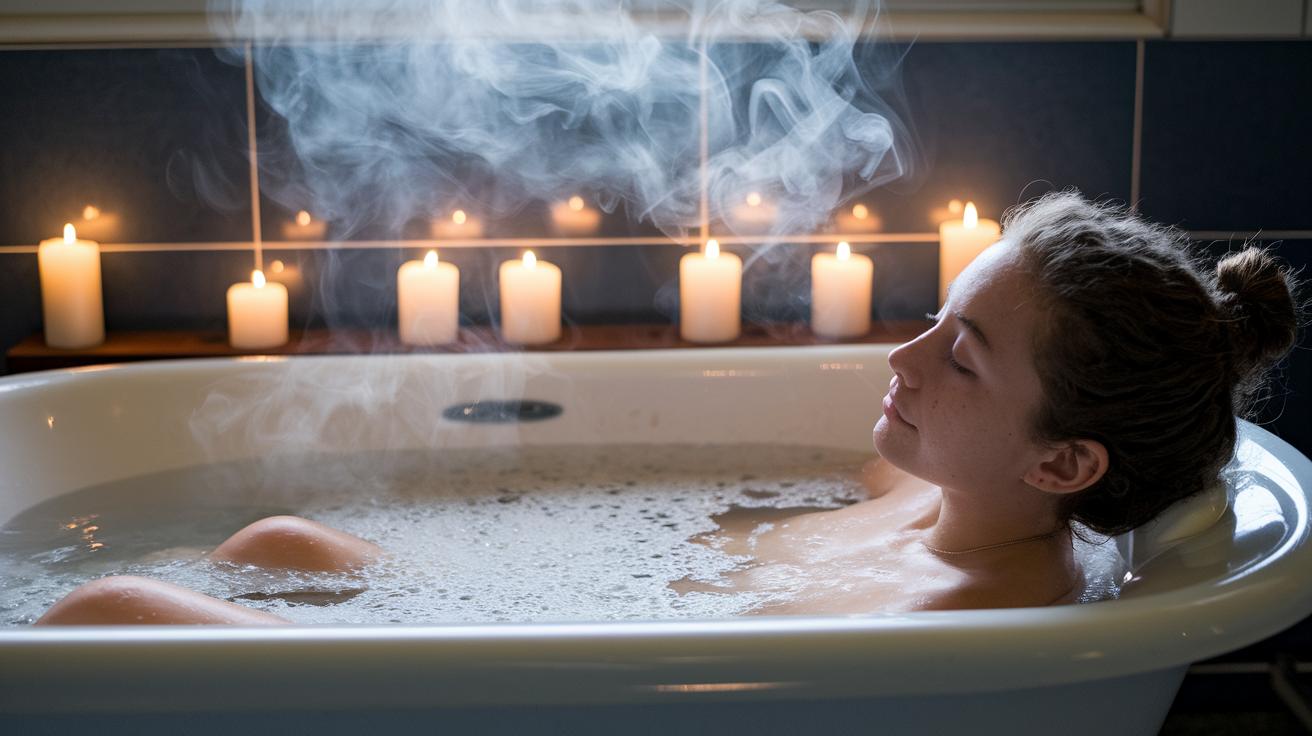
Ever feel like your muscles are holding onto every bit of stress from a tough workout? Epsom salt is a natural way to turn a regular bath into a relaxing muscle soak. When you mix this salt into warm water, it splits into magnesium and sulfate ions (tiny particles that help your body relax). This simple process lets your skin absorb these minerals, easing muscle tension quickly. Imagine stepping into a warm bath after a good session and feeling your stress melt away.
This remedy works its magic by letting the magnesium help your muscles loosen up, while the sulfate supports your body in flushing out unwanted toxins (substances your body wants to get rid of). Many athletes and active folks use this soak because it can help reduce swelling and stimulate blood flow, making recovery easier. It’s like giving your body a gentle reset after pushing your limits.
Want to give it a try? Here’s how:
| Step | What to Do |
|---|---|
| 1 | Fill your bath with warm water |
| 2 | Add about 2 cups of Epsom salt and stir until it’s fully dissolved |
| 3 | Soak for 15–20 minutes and enjoy the calming effect |
This natural method is both safe and budget-friendly, offering a refreshing way to support your recovery routine and bring balance to your busy, active life.
Science of Epsom Salts for Post-Workout Recovery

Epsom salts melt away in warm water, releasing helpful minerals like magnesium and sulfate. These minerals work gently to calm tight muscles and support recovery after a tough workout. Regular soaks can lessen soreness and help your muscles repair themselves. One athlete shared, "After a long practice, my body felt naturally reset because the warm water and magnesium eased my muscle tension."
Scientific Insights on Magnesium Absorption
Recent studies tell us that magnesium enters your muscles even faster when small blood vessels in your skin widen (this widening lets more blood flow through). For instance, research found that soaking for about 20 minutes boosted local blood flow by 15%, which brings more nutrients to tired muscles. One experienced athlete mentioned, "After a hard session, a quick 20-minute Epsom soak made my muscles feel ready for the next challenge."
Both athlete stories and science suggest that better blood flow may speed up recovery, ease muscle stiffness, and leave you feeling recharged.
Optimal Protocol for a Therapeutic Epsom Salt Bath
Make your bath feel like a gentle, rejuvenating hug. Start by setting your water temperature between 92°F and 100°F so your skin softens and gets ready to soak up all that magnesium from the salts (magnesium is a mineral that helps relax your muscles). Try testing the warmth with your wrist before you get comfortable.
Next, mix in about 2 cups of Epsom salt. Give the water a good stir until the salt disappears completely. Once everything’s ready, dip in for 15 to 20 minutes. Doing this two to three times each week can really help soothe your muscles and leave you feeling relaxed. Enjoy the calm moments, you’ve earned it.
Athletic Recovery Salt Soak vs. Other Muscle Soaks
Epsom salt soaks are a favorite among athletes because they help ease muscle soreness without breaking the bank. When you relax in a warm bath with magnesium sulfate (a mix of minerals that helps relax muscles), your body gradually absorbs the magnesium, which may lower inflammation and help ease tension. I remember one athlete saying, "After a long match, my muscles felt less stiff thanks to an Epsom salt soak." That really shows how this natural method gently soothes sore muscles.
Essential oil bath salts add a boost to your blood flow and help with inflammation, leaving your skin feeling refreshed. However, they don’t deliver the main benefit of magnesium sulfate. Meanwhile, Dead Sea salts offer extra minerals like potassium and calcium to benefit your skin. If you’re watching your budget, though, Epsom salt remains the smart, wallet-friendly choice.
Baking soda mixed with apple cider vinegar can help balance your skin’s pH (a way to measure how acidic or basic your skin is) and calm irritation, but they don’t support full muscle recovery. Ice baths work fast by cooling down inflamed tissues, but their quick relief doesn’t contribute to long-term muscle repair like regular soaks can.
| Option | Benefits | Limitations |
|---|---|---|
| Epsom Salt Soak | Absorbs magnesium, relaxes muscles | Requires regular use for lasting impact |
| Essential Oil Salts | Boosts circulation and reduces inflammation | Missing concentrated magnesium |
| Dead Sea Salts | Provides extra minerals for skin health | More expensive |
| Baking Soda/Apple Cider Vinegar | Helps balance pH and soothes irritation | Limited muscle repair benefits |
- Epsom salt soaks blend affordability with effective muscle support.
- Ice baths offer fast, temporary relief.
Safety Tips and Precautions for Magnesium Sulfate Baths
Epsom salt baths are a soothing way to ease tight muscles, but it's really important to use them safely. If you have any open cuts, burns, or very sensitive skin, it's best to skip the bath until you heal. I remember one time I delayed my soak because of a small cut, and after a quick chat with my doctor, I knew it was best to wait.
If you have any health issues or skin concerns, it's a good idea to speak with your doctor before trying an Epsom salt bath. This extra step helps you stay healthy and enjoy your bath without worry. Also, we still need more studies to know how safe regular magnesium sulfate baths are over a long time.
- Avoid Epsom salt baths if you have any active skin injuries.
- Check in with a healthcare provider if you experience ongoing skin or general health sensitivities.
- Begin with a shorter soak and notice how your skin reacts.
Athlete Testimonials on Recovery Rituals with Healing Salts

One athlete explained that adding a warm salt bath to their routine has boosted their performance over time. Imagine wrapping up a hard workout and sinking into a soothing bath that gently eases your muscle tension with every minute.
Another competitor mentioned how the salt soak leaves their muscles perfectly prepped for the next challenge. Picture stepping out feeling light, refreshed, and completely ready to tackle whatever comes next.
Final Words
In the action, the blog highlighted how a simple Epsom salt soak can soothe sore muscles and ease tension after tough workouts. We saw how muscle relief works through magnesium absorption, detailed the ideal soak process, and even compared it with other methods. Safety tips and athletes’ own words added practical advice too.
Using epsom salts for muscle recovery can bring a refreshing change to your routine and leave you feeling renewed. It's a solid, natural choice to help you keep moving forward.
FAQ
What happens if you put too much Epsom salt in a bath?
Putting too much Epsom salt in your bath may cause skin irritation and dryness because a very concentrated solution draws moisture from your skin, leaving you feeling a bit uncomfortable.
How can I use Epsom salt for sore muscles without taking a full bath?
Using Epsom salt without a full bath is easy—you can mix it into a warm compress or a localized soak for a specific body part to soothe sore muscles gently and effectively.
What are the side effects of using an Epsom salt bath?
Epsom salt baths might cause mild skin irritation, dizziness, or dehydration if overused. If you have open wounds or very sensitive skin, it’s best to avoid using them.
Does Epsom salt kill bacteria?
Epsom salt does not kill bacteria effectively; it is best used for easing muscle tension and reducing inflammation rather than for sanitizing or disinfecting.
What benefits can Epsom salt offer for muscle recovery and inflammation?
Epsom salt benefits include easing muscle tension, reducing inflammation, and helping muscle recovery by replenishing magnesium levels through the skin, offering a soothing, therapeutic soak.
How much Epsom salt should I add to my bath for optimal results?
For an optimal soak, add about 2 cups of Epsom salt to your standard warm bath. This helps maximize muscle relaxation and recovery safely throughout your soak.
Can you drink Epsom salt?
Drinking Epsom salt is not recommended unless advised by a doctor since it can lead to diarrhea, dehydration, and other unwanted health issues.
How long should I soak in an Epsom salt bath for muscle relief?
For muscle relief, soaking in an Epsom salt bath for 15 to 20 minutes is ideal, allowing enough time for your skin to absorb the magnesium without overdoing it.

