
Ever wonder if a massage gun might be the secret to easing your post-workout aches? Imagine it as a mini home masseuse gently pulsing your muscles, working to soften tight spots and wash away fatigue. It sends out thousands of quick, rhythmic taps per minute that dive deep into your muscles, much like a cooling breeze on a sunny afternoon. Whether you're a dedicated athlete or just looking to add a bit more self-care to your routine, those targeted vibrations could be the relief you’ve been searching for. Ready to see how this little helper can boost your recovery routine?
Scientific Benefits of Massage Guns for Muscle Recovery
Massage guns send out rapid, rhythmic pulses (quick tapping motions) that help break up stubborn muscle knots and ease tension. It almost feels like having a mini massage right at home, with each pulse working like small ripples that wash away tightness. With up to 3,200 pulses per minute, these devices reach deep into your tissue, offering a focused alternative to traditional pressure techniques.
The massage gun also works wonders on your circulation. Its targeted vibrations help clear out lactic acid (a buildup often linked to muscle fatigue) and boost lymphatic drainage (the body’s way of removing waste). Picture finishing a tough workout and feeling a gentle, refreshing buzz that revives your muscles, like a cool breeze after a hot day. This rhythmic motion kickstarts blood flow much like a hands-on massage or a foam roller routine.
For athletes, the benefits are even more impressive. It helps ease delayed onset muscle soreness (DOMS, the muscle pain that usually appears a day or two after exercise), meaning you can bounce back faster. By reaching hard-to-access spots and providing on-demand relief, a massage gun becomes a trusted tool for post-training self-care.
Proper Techniques for Using Massage Guns Post-Workout
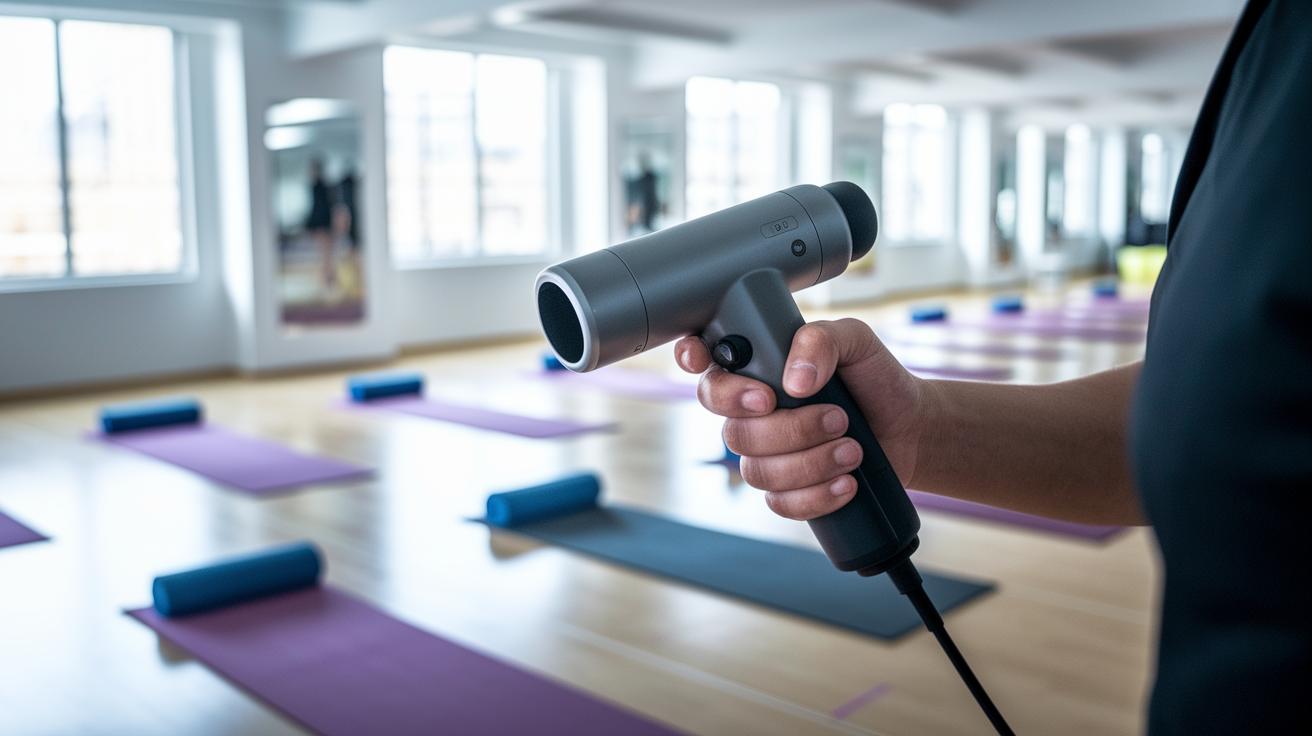
Before you dig into your post-workout routine, take a moment to get your massage gun ready. Make sure it’s fully charged and that every attachment is snugly in place. Using it within about 48 hours after exercising can really help your muscles bounce back faster. Also, pick the right attachment for the area you want to treat; for larger muscle groups, a round head works wonderfully, while a fork head is ideal for areas around your spine and Achilles (the band at the back of your ankle), and a bullet head is great when you need to target deeper knots.
- Pick the right attachment for your muscle group.
- Turn the device on and select a speed between 1,200 and 3,200 pulses per minute.
- Gently press on your muscle and move in slow, steady strokes.
- Spend about 1 to 2 minutes on each area.
- Check in with yourself and adjust the settings if anything feels off.
Remember, the massage gun is meant to soothe soft tissues (like your muscles and skin), so steer clear of bones and joints. Using a light touch and adjusting your pressure based on how your muscles feel ensures a safe and effective session. If you ever experience unusual pain, ease up on the intensity right away. This mindful approach helps you avoid injuries while giving each massage session the best chance to support your recovery.
Best Massage Guns for Muscle Recovery: Top Picks
When you’re exploring massage guns to help your muscles recover, it’s a good idea to keep a few things in mind. Look for a tool that packs firm pressure (that deep push helps ease out stubborn knots), offers different speed settings from mild to strong, has a battery that lasts long enough for your sessions, and comes with a range of attachments designed for various muscle groups.
For instance, high-end options like the Theragun Elite deliver up to 60 lbs of force along with cool extras like OLED screens and six attachments. They’re a great choice if you work out hard or need extra deep tissue relief. Mid-range models, such as the Hypervolt Plus, offer multiple speeds and a handy three-head setup that works well for day-to-day recovery. And if you’re watching your spending, budget-friendly versions still deliver steady performance and portability to keep you moving.
| Model Name | Price Range | PPM | Battery Life | Key Attachment |
|---|---|---|---|---|
| Theragun Elite | $300-$350 | 1,750-2,400 | 5 hrs | Dampener |
| Hypervolt Plus | $250-$290 | 1,600-3,200 | 2.5 hrs | Flat Head |
| Budget Mini | $50-$80 | 1,200-2,000 | 2 hrs | Ball Head |
Think about how often you work out and the level of muscle relief you need. If you enjoy customizing your massage with different attachments for various muscle groups, a high-end or mid-range model might be your best bet. But if you prefer something lighter for quick on-the-go relief, a budget option can still give you that satisfying release and help keep your body feeling great.
Comparing Massage Guns with Other Muscle Recovery Tools
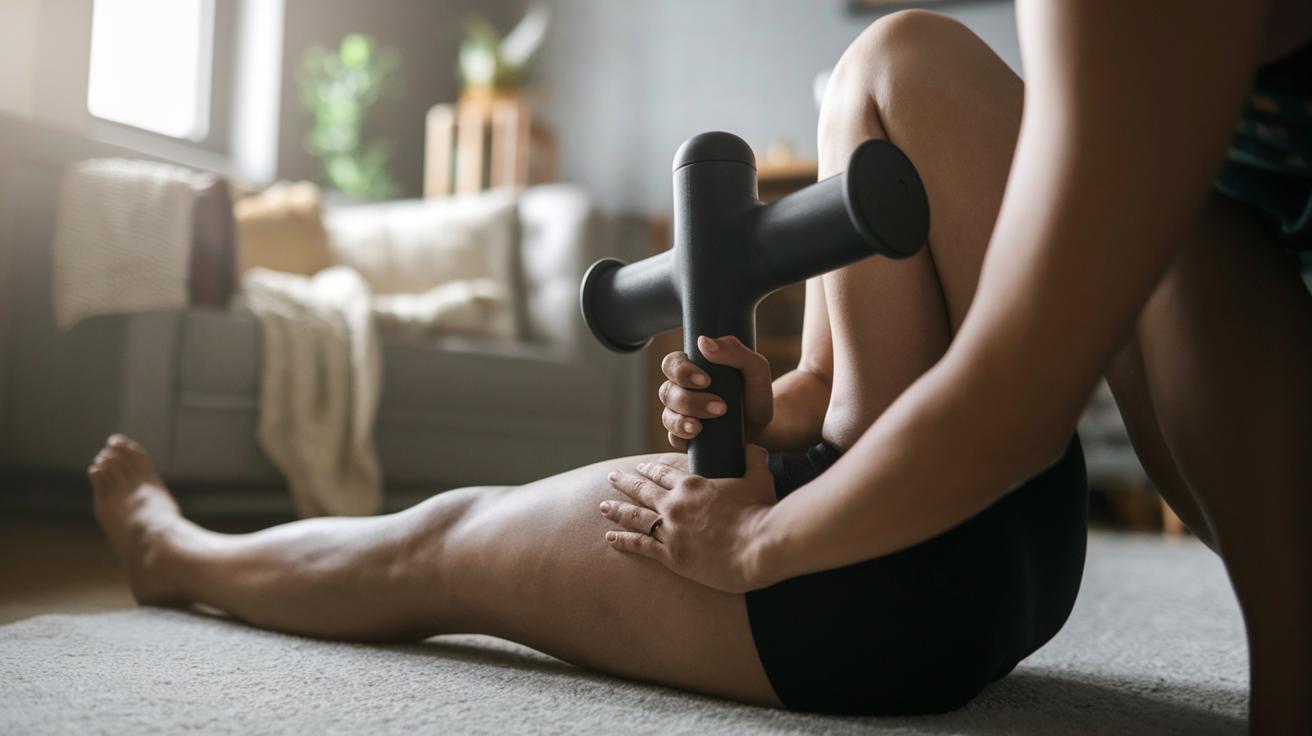
Massage guns are like your personal self-massage buddy that you can take anywhere. They give you precise, deep relief to those sore, tight spots right when you need it. Imagine holding a powerful tool that can target specific muscle knots with quick, rhythmic pulses, it’s like having a mini deep tissue massage at home, on a break, or even while traveling.
Unlike foam rollers that spread out pressure over large areas but miss the mark on pinpoint knots, massage guns zoom in on trouble spots with rapid beats. This means you can quickly tackle those hard-to-reach areas without fuss or extra help. Think about it: it's a convenient, quick fix your body will thank you for after a long day.
Research shows that the percussive therapy these devices deliver is on par with getting a real hands-on massage for easing delayed onset muscle soreness (DOMS, which is muscle stiffness that occurs a day or two after exercise). Many folks say they feel benefits nearly as good as a professional massage session, but in much less time and at a lower cost. Instead of scheduling a visit with a therapist, you can use a massage gun at home whenever your muscles need a little pick-me-up.
In short, if you're after specific, on-demand relief, a massage gun is a great choice. On the other hand, if you prefer a more general, all-over treatment, foam rollers or even manual massage might suit you better. Either way, knowing your options helps you take charge of your muscle recovery journey in a way that feels just right.
Safety Tips and Precautions for Percussive Massage
When you use percussive therapy, always keep safety in mind. Avoid using the massage gun on bony spots, open cuts, or bruised skin. If you're dealing with ongoing conditions like high blood pressure or rheumatoid arthritis (a type of joint inflammation), it's best to check with a healthcare professional before you start. Stick to soft tissues, and if something feels off or causes unusual pain, stop right away and get advice.
Try to keep each session to about 10–15 minutes per muscle group. Using a gentle, moderate pressure is important because too much force or high speeds can make your muscles feel extra sore. Begin with the lightest setting and slowly increase as you feel more comfortable. Short sessions help avoid straining your muscles or overdoing it with the massage gun.
Make sure you use the right attachment for each area, just like the manufacturer suggests. And of course, give your device a regular clean and some TLC to ensure it’s in top shape. By taking these steps and paying close attention to how your body reacts, you can safely enjoy the soothing benefits of percussive therapy while keeping injuries at bay.
Advanced Percussion Therapy Techniques for Athletes
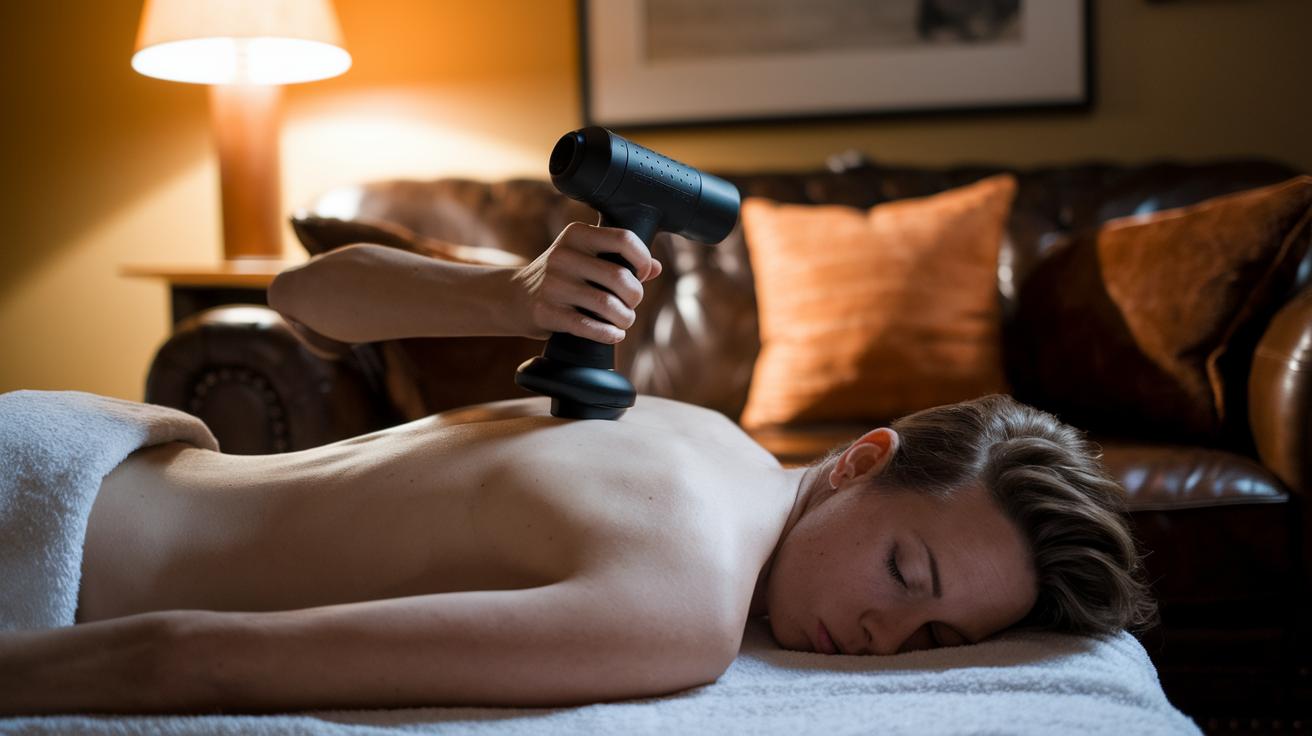
If your muscles feel really tight, especially when groups of muscles are knotted or in constant tension, you might want to try setting your massager to a more advanced mode. Sometimes a regular massage just doesn’t hit the spot, and your body needs that extra bit of care.
Focused Trigger-Point Release
Start by using the cone attachment on your massager. Set it between 2800 and 3200 pulses per minute (this rate helps deliver focused pressure) on those stubborn knots. Concentrate on one tight spot for a full 60 seconds. This short, intense session works on easing deep muscle tension where it’s needed most.
Next, use a sweeping motion. Slowly glide the device in the direction your muscle fibers run. This practice not only evens out the muscle tissue but also helps improve overall flexibility. If scar tissue is an issue, try pulsing intermittently, 3 seconds on followed by 2 seconds off. This gentle rhythm helps break down the scar tissue without putting too much strain on your muscles.
Finish your massage session with some active stretching. Moving while stretching can boost the pliability of your tissues and speed up recovery. It may even leave you feeling more ready and energized for your next workout.
Maintaining and Caring for Your Massage Gun
Taking care of your massage gun makes sure it works well and lasts longer. After your workout, take off the attachments and gently wipe them with alcohol wipes to clear away any buildup, as simple as cleaning your phone screen. Next, store your massage gun in a padded case to protect it from accidental bumps and knocks. This quick routine helps keep it clean and ready for your next session.
Remember, the battery and any built-in software need some care too. Check that the battery contacts stay clean, and always charge your gun following the maker's instructions. If you own a smart massage gun, update the firmware (the software inside) when needed to keep it running at its best. Also, replace foam or silicone heads every 3 to 6 months to keep your experience comfortable and effective. Think of it as a tune-up for a cherished tool, keeping it in perfect shape every time you use it.
Final Words
In the action, we broke down how targeted percussive pulses ease muscle tension and boost blood flow. We explained practical steps to use these devices safely, compared them to other recovery tools, and even touched on caring for your equipment.
By using a massage gun for muscle recovery, you can reduce soreness and keep your workouts on track. Here’s to staying active and feeling your best every day!
FAQ
Massage gun for muscle recovery reviews
The massage gun for muscle recovery reviews reveal that users appreciate the device’s quick, targeted pulses to ease muscle tightness and stiffness after workouts, making recovery more comfortable and effective.
Do massage guns help with soreness and muscle recovery?
The massage gun helps with soreness and muscle recovery by using rapid pulses to break up muscle knots and improve blood flow, which eases tightness and promotes faster recovery after exercise.
How long should you use a massage gun on sore muscles?
The massage gun should be used on each sore muscle for 1–2 minutes. This brief session relieves tension and promotes recovery without over-stressing the tissue.
What should I know about electric and handheld massage guns for muscle recovery?
Electric and handheld massage guns deliver deep percussive therapy for targeted muscle relief. They offer different speed settings and attachments to suit personal recovery needs conveniently and effectively.
Where can I find a massage gun for muscle recovery on Amazon?
The massage gun for muscle recovery is widely available on Amazon. There, you can compare models, read user reviews, and choose the best option based on your budget and recovery requirements.
What are the benefits of a massage gun on legs?
The massage gun on legs helps ease tight muscle knots, boosts blood flow, and clears lactic acid. This focused relief can reduce soreness and leave your legs feeling refreshed after intense workouts.
Do massage guns help build muscle?
The massage gun does not build muscle directly but supports the recovery process by reducing soreness and easing tension, which can help you train consistently and support overall muscle development.
What is the best massage gun for muscle recovery?
The best massage gun for muscle recovery depends on your needs. Look for one with adjustable speeds, multiple attachments, and strong percussive action to provide effective and personalized relief.
Are massage guns good for pulled back muscles?
The massage gun can be good for pulled back muscles by targeting deep tissue knots and reducing tension. Use it gently on the surrounding soft tissue to help ease discomfort and support recovery safely.

