
Ever thought about how new exercise science can change the way seniors stay active? It uses proven routines that adjust your workout to fit your needs, keeping you safe and comfortable while you move.
Think of it like fine-tuning your favorite recipe, small tweaks can boost your balance and energy without overloading your body. Plus, with real-time updates from wearable devices (gadgets that track your fitness), experts can help you get each move just right.
Isn’t it cool how modern science can make exercise smart and effective? Keep reading to discover how a science-based approach can help seniors feel their best, every day.
Evidence-Based Exercise Science Foundations for Senior Fitness
Studies show that using research-backed exercise science can pave the way to safe and effective routines for seniors. Fitness coaches check the latest scientific studies and clinical trials (small tests done with people) to match exercises with what each person needs. For example, a coach might say, "I looked into a study on balance training and tweaked our routine to help boost your everyday stability." This approach means each exercise is rooted in science and designed to make your daily life better.
High-intensity interval training, or HIIT (a mix of short bursts of activity with rest periods), is popular because it gets results quickly, but it needs some adjustments for seniors. Instead of pushing too hard, the intensity is reduced and break times are extended. Imagine working for 30 seconds at a steady pace, then resting for about 90 seconds. This gentle change helps improve your heart and energy levels without overloading your body.
Gadgets like wearable tech for health offer real-time updates on your heart rate and movement. Fitness experts use these details to fine-tune your workout plan, making subtle adjustments as needed. Along with this technology, functional training, which focuses on keeping you flexible and mobile, plays a big role in helping you stay independent and move more freely.
Biomechanical Strength Training Strategies for Aging Adults
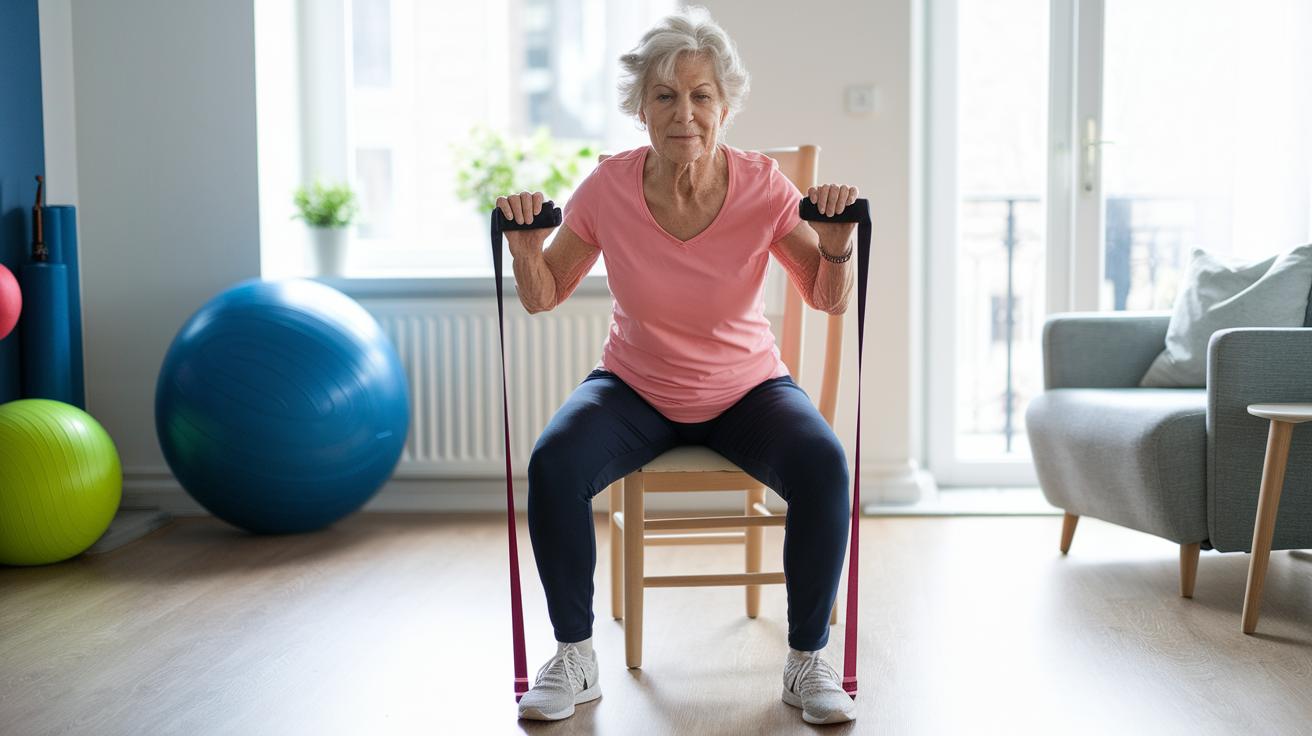
Strength training is a friendly way to keep our bones strong and fight off muscle loss as we grow older. It’s like giving your body a gentle boost that keeps you feeling lively. If you're just starting out, why not take a peek at how to start strength training for some easy-to-follow tips on safe techniques?
Here are a few exercises you might enjoy:
- Chair squats to build your leg strength.
- Resistance band rows to gently tone your back.
- TRX rows that help refine your balance.
- Leg presses that work your lower body.
- Wall push-ups for a simple yet effective upper-body move.
Using progressive overload means gradually adding more weight as you get stronger (think of it like slowly stepping up your game). This way, your muscles stay challenged without being overworked. Plus, mixing up your workouts with planned cycles, known as periodization, helps you avoid feeling worn out while steadily boosting your muscle endurance. Newer methods, such as suspension exercise (using straps and your body weight), are a refreshing twist that can improve both your balance and stability.
By blending these techniques with free weights or machines, you create a well-rounded workout plan that lowers the risk of injury. Following these friendly tips helps you work toward stronger bones and better muscle endurance, all while keeping your routine safe, effective, and adaptable to life’s changes.
Balance and Proprioception Enhancement in Senior Fitness
Functional training and simple movement exercises keep your balance steady and strong. Gentle stretching and controlled motions help your body stay flexible and let your joints move smoothly. Think of it as getting ready for a cool morning walk where every step feels safe and supported. This kind of routine not only makes daily tasks easier but also works against the natural wear that comes with time.
Research shows that exercises challenging your body can really boost your balance. When you try moves that require tiny adjustments, you train your body to sense and control its position. It’s like fine-tuning a musical instrument, each move builds up your natural rhythm. This means you're less likely to take a misstep.
New core-strengthening routines, including exercises on soft or uneven surfaces, greatly reduce fall risks. By working your core on these uneven supports, you help your nerves and muscles (the team that controls movement) work better together. This approach strengthens your central muscles and improves overall balance, so you feel more secure and confident when you move.
Cardiovascular Conditioning Science for Senior Health
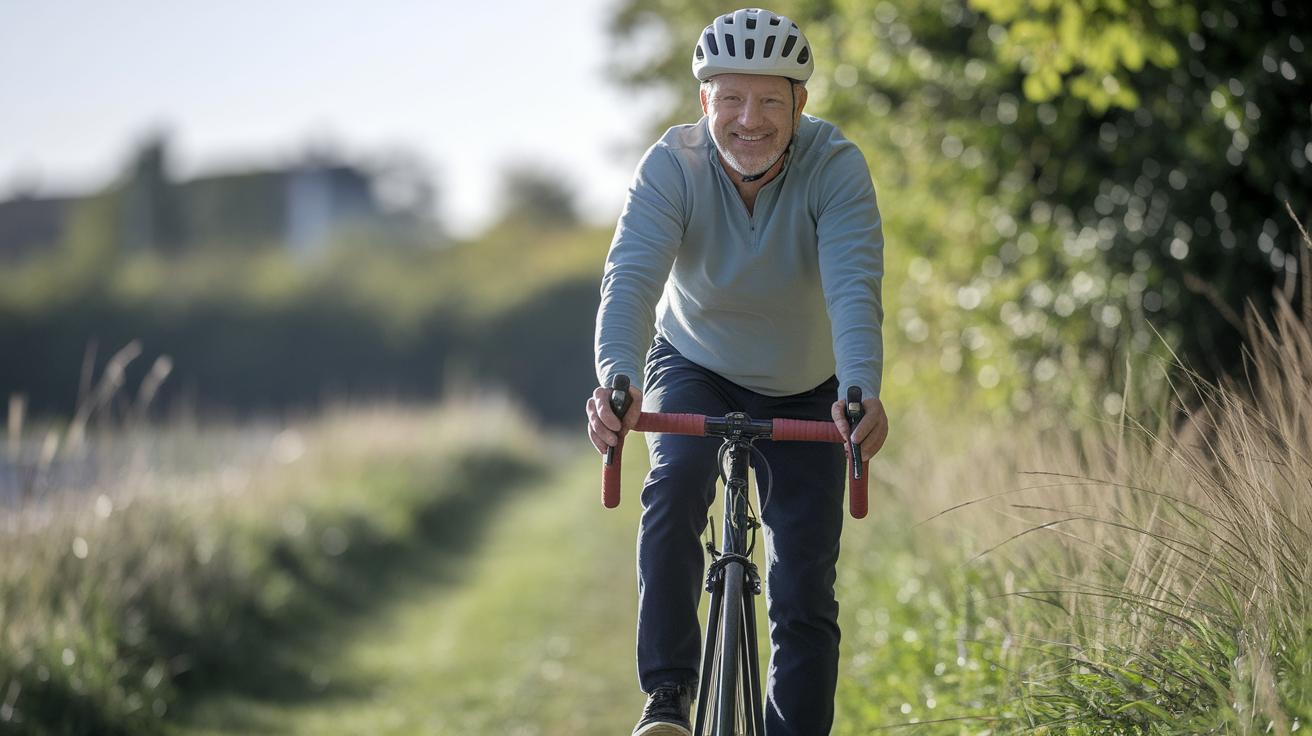
Recent studies show that a steady pace workout and mixing different exercises can really boost your heart health. Continuous training means keeping a consistent effort – like enjoying a comfortable walk on a treadmill – to strengthen your heart and lungs. And when you try cross-training, using activities such as cycling or swimming, you give your joints a break while keeping your workout interesting. Imagine a calm bike ride on a sunny afternoon where every pedal stroke gently builds your stamina.
Combining these workouts helps you build endurance and support your muscles at the same time. Moderate-intensity sessions keep your heart active gradually, while different exercises protect your joints, just like a relaxed swim that steadily improves your heart health without overwhelming your body. Remember to set clear heart rate goals and take scheduled rest breaks to keep your workout both safe and effective.
Flexibility, Mobility, and Recovery Protocols for Aging Bodies
Kicking off your workout with a dynamic warm-up really helps. It wakes up your muscles and joints gently, much like a soft morning glow getting you ready for the day. This simple step makes your session safer and lowers the chance of a strain.
| Activity Type | Purpose | Frequency |
|---|---|---|
| Dynamic Warm-Up | Prepares muscles and joints for movement | Before each workout |
| Static Stretching | Helps improve your flexibility after exercise | After workouts |
| Foam Rolling | Eases muscle tightness and speeds recovery | 2-3 times per week |
| Active Recovery | Boosts blood flow and eases soreness | On rest days |
Using smart recovery techniques not only helps you perform better but also keeps injuries at bay. You can mix things up with active recovery like a brisk walk or light cycling, and pair that with a bit of foam rolling to really speed up how your body bounces back. Adding in a few mobility drills can make everyday movements smoother and even help manage some aches. Stick to this balanced routine, and you’ll feel more prepared and less sore with each workout session.
Personalized Low-Impact Exercise Program Design for Senior Fitness

When you tailor your fitness routine to your unique needs, it's like having a buddy guide you every step of the way. You focus on the exercises that feel just right for your body, helping you stay active and safe without pushing too hard.
Imagine using fun, adaptive techniques that keep your workouts fresh. Chair-based strength moves or water aerobics provide a gentle boost to your muscle tone while taking care of your joints. Simple tweaks, like adding suspension straps during balance exercises, let you build stability gradually. And by checking your heart rate with a wearable device, you can easily see your progress and adjust your plan over time.
Making exercise a part of your daily life goes beyond the gym. Joining community classes or trying out virtual training sessions gives you a friendly, supportive environment. Sticking with self-assessments and a few fun online workouts means you’re more likely to keep up with your routine, even on busy days. In the end, blending personal checks with group activities can make every session both rewarding and enjoyable.
Final Words
In the action, this article shows how science-backed exercise can shape effective routines for seniors. It covered safe adaptations of high-intensity work, smart tech usage to track progress, and methods to boost balance and strength. Each section provided hands-on tips to mix functional moves, resistance training, and mindful recovery practices into daily life. Embracing exercise science insights for senior fitness can keep routines safe and lively, inspiring a healthier, balanced lifestyle every day.

