Research
What Exercise Science Says About Injury Prevention: Proven
By janicesmith
June 25, 2025
Field Notes

Have you ever noticed how some workouts leave you with annoying aches, while others help you feel strong and refreshed? The truth is, a well-planned exercise routine can keep common injuries at bay by gradually increasing load, using smooth, balanced movements, and focusing on building strength (strength work means exercises that make your muscles stronger). It’s like watching your muscles and nerves work together in a perfect team.
Today, we're sharing simple tips for crafting workouts that are both safe and effective. Stick with us and see how smart exercise choices can keep you active, energized, and feeling your best.
What Exercise Science Says About Injury Prevention: Proven
Exercise science brings together what we know about how our bodies work (human physiology), how we move (biomechanics), and even how we feel (psychology) to give us a clear picture of staying active and healthy. Research shows that regular exercise not only builds strong muscles but also improves flexibility and heart health, which helps lower the chance of getting injured.
Experts use tried-and-true training methods that help your body slowly get stronger and better at handling everyday activities. In plain language, our bodies adapt over time when we challenge them, and improving how our muscles and nerves work together (neuromuscular coordination) means our movements become smoother and more controlled.
Think about these basic ideas:
- Load management: Picture planning your workouts so your body can adjust gradually.
- Movement efficiency: Imagine each step feeling smoother and more natural.
- Strength conditioning: Think of it as building a solid base that supports every move you make.
- Flexibility enhancement: Visualize each stretch bringing a gentle, graceful flow to your day.
- Neuromuscular adaptation: Consider it as your body learning a new, steady rhythm with every exercise.
Together, these tips help reduce fatigue and prepare your body to handle more activity without injury. With a smart approach based on proven research, you can enjoy safer workouts and feel more confident in your everyday movements.
Biomechanical Study Insights for Injury Risk Mitigation
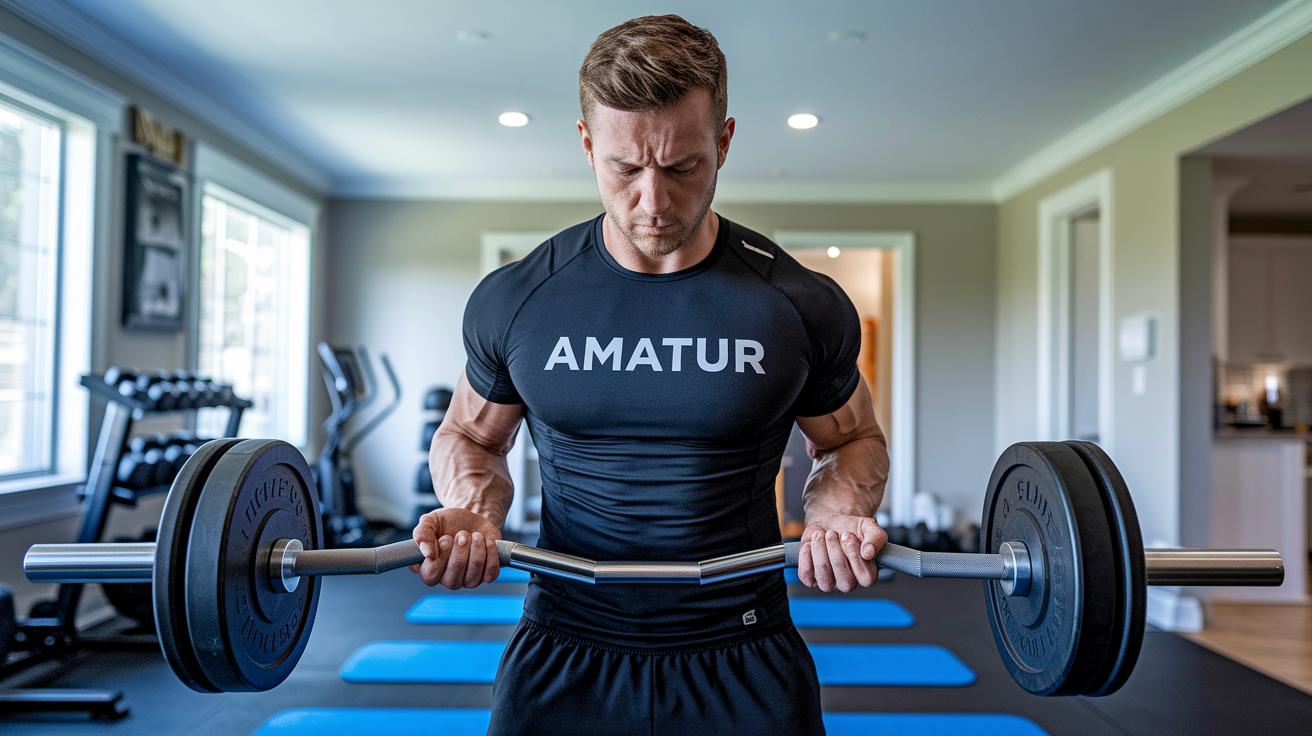
Every movement you make tells a story about how to keep your body safe. Have you ever noticed that a small misstep or uneven weight during your run can whisper warnings of future strains? When we take a closer look at how our bodies move, we uncover little clues that help us dodge injuries like muscle strains, tendonitis (inflammation of the tendon), ligament sprains, stress fractures, and even concussions. It’s like catching a tiny slip before it becomes a big issue.
| Injury Type | Biomechanical Risk Factor | Preventive Strategy |
|---|---|---|
| Muscle Strains | Imbalanced force distribution | Strength and conditioning to even out muscle load |
| Tendonitis | Overuse and repetitive stress | Incorporate varied movement drills and adequate rest |
| Ligament Sprains | Poor joint alignment | Focus on proper form and proprioceptive exercises |
| Stress Fractures | Excessive loading on bones | Gradual load increases with controlled recovery cycles |
| Concussions | Misaligned impact absorption | Enhance movement efficiency and apply protective techniques |
Looking at the kinetic chain, which is just a fancy way of saying how our whole body works together, helps us spot where one weak spot might affect our overall movement. When detailed assessments reveal unusual patterns, like overcompensation in joints or muscles, it’s a sign that your body is trying to keep up. Small tweaks, such as adjusting your posture or working on balance exercises, can make a world of difference. In truth, matching strength, conditioning, and flexibility routines to your unique movement pattern isn’t just smart, it’s a key step toward moving more comfortably every day.
Strength Conditioning Fundamentals in Injury Prevention
Strength training is a great way to make your muscles and joints tougher and more ready for daily activities. When you work out, especially the muscles around your joints, you build natural shock absorbers that soften the impact during movement. Imagine every jump, run, or twist feeling safer because your muscles act like a built-in cushion that protects you.
Targeted resistance training not only makes your muscles stronger but also improves your balance and coordination. When your muscles work in sync, they help keep your posture straight and your movements smooth, reducing the chances of slips or falls. Every carefully controlled weight lift teaches your body to react confidently in everyday situations.
- Resilience: Regular strength workouts help your muscles absorb stress, which can lower your risk of injury.
- Stability: Focusing on joint exercises gives you better shock protection.
- Balance: When your muscles work together, you’re less likely to lose your balance.
- Bone Health: Resistance exercises can boost bone strength and help ward off issues like osteoporosis (a condition where bones become weak).
One study even found that people who followed an 18-week strength program had an 85% drop in running-related injuries. Starting with lighter weights and more repetitions, then slowly increasing the load, allows your body to build strength safely. By sticking to controlled, consistent exercises, you help keep your joints stable and enjoy a healthier, more active lifestyle.
Load Management Strategies and Recovery Strategy Planning

When you’re pushing through workouts, balancing your training with proper rest is key to staying fit and avoiding injuries. It’s like giving your body a break to recharge, which helps reduce fatigue and prevents overuse issues. One great way to do this is by using periodized programming (a method of planning workouts in phases), where you adjust both the intensity and the amount of exercise so your body stays strong without burning out.
Implementing Periodization Models
Picture your training like a series of mini routines. You can break your workout plan into bigger cycles (macro), medium cycles (meso), and smaller cycles (micro). Each cycle changes the volume and intensity of your workouts to gradually build strength and then allow a gentle recovery. When you schedule these phases around important events, like competitions, you help your body peak at just the right time while keeping overtraining at bay.
By slowly increasing your workout load and then easing off, you give your muscles time to adapt and rebuild. It’s a bit like stretching a rubber band, not too fast, so it doesn’t snap. And by keeping an eye on how you’re feeling, you can make real-time tweaks that keep fatigue low and progress steady.
Optimizing Recovery Protocols
Taking a break isn’t just about stopping; it’s about smart recovery. Focusing on good sleep, proper nutrition timing, and active rest (light exercises that boost blood flow) can do wonders. Imagine noticing how refreshed you feel after a light walk following a tough workout, that’s your body telling you it’s ready for the next step.
Your body needs time to repair its muscles, much like letting dough rise before baking, so planning easy days with gentle activities helps promote circulation and muscle repair. This balanced approach between work and rest not only reduces the risk of injuries but also makes each workout a safe, effective step on your fitness journey.
Functional Movement Screening and Proprioceptive Skill Drills
The functional movement screen is a quick set of tests that help you spot little movement mistakes that might lead to injuries. It's like checking your car's alignment before a long road trip; even small misalignments can cause big problems later on. For example, one elite dancer discovered a tiny imbalance during a screening, and correcting it prevented what might have been a career-threatening injury.
Proprioceptive drills, like single-leg stance and using a wobble board, work to boost your balance and sharpen your body's ability to sense joint position (that's what proprioception means). Picture yourself balancing on one foot while gently reaching out, it’s fun and effective. Over time, these exercises teach your body to smooth out minor wobbles before they can turn into a sprain.
Combining balance and flexibility moves creates a powerful teamwork that lowers your risk of falls and soft-tissue injuries. When you regularly practice activities that challenge your stability and range of motion, you're setting up strong guidelines for healthy movement. This integrated approach makes it easier to spot and fix small movement errors, keeping your joints healthy and your body steady over the long run.
Designing Preventative Programs with Evidence-Based Training Models

It all begins with a thorough athlete assessment. By taking a good look at your fitness level, past training records, and competition schedule, you can easily spot where adjustments might be needed. It’s like getting a suit tailored just for you, except it’s your training plan being perfectly customized to lower your injury risk.
Mixing strength, conditioning, and flexibility exercises goes a long way in keeping injuries away. Research shows that combining these workouts can cut your overall injury risk by around 35%. As your muscles grow stronger and more flexible, they absorb impacts better while supporting your joints. Think of it like building a stable, flexible structure that stands strong in any storm.
Coaches are a vital part of this journey too. By integrating science-backed techniques and continually learning, trainers help foster a culture of prevention. When everyone, from athletes to coaches, commits to these proactive strategies, spotting and addressing risk factors becomes so much easier, allowing you to use sport-specific safety measures.
New research keeps revealing more about the best exercise dosages and training methods. Experts continuously review current trends in prevention and adjust protocols as fresh insights come in. This ongoing improvement means your preventative program isn’t just effective today, it adapts over time to become even stronger and more attuned to your individual needs.
Final Words
In the action, this article highlighted core principles, from solid exercise science foundations and biomechanical assessments to strength conditioning and strategic load management. It broke down how functional movement screening and research-backed adjustments support safer, more effective routines. We learned that pairing proactive training with mindful recovery really makes a difference and gave clear insight into what exercise science says about injury prevention. Every step you take in adapting your workouts plays a role in keeping you strong and resilient. Keep moving forward with a smile and celebrate your progress.
FAQ
What are some effective strategies for injury prevention?
Effective strategies for injury prevention include proper warm-ups and dynamic stretches, balanced strength and flexibility training, controlled exercise loads, proper rest, and maintaining correct movement form.
What are some injury prevention exercises?
Injury prevention exercises involve dynamic stretches, balance drills like single-leg stands, core stability work, and joint mobility routines that build strength and reduce the risk of strains.
How does training reduce the risk of injury?
Training reduces injury risk by building stronger muscles, enhancing joint stability, and improving neuromuscular coordination, which together promote controlled and efficient movement.
Why is injury prevention important in sports and athletic training?
Injury prevention in sports and training is crucial because it keeps you active, minimizes downtime, and maintains balanced muscle conditioning and proper movement techniques for steady performance.
How can everyday activities be adjusted to prevent injuries?
Preventing injuries in everyday life means using proper posture, being mindful during routine tasks, and engaging in light exercises that boost flexibility, balance, and overall muscle support.
What are common examples of injury prevention techniques?
Common examples include dynamic warm-ups, progressive strength routines, balance and proprioceptive drills, and regular movement screenings designed to spot and correct faulty mechanics.