
Ever wondered if a little burst of light could help your muscles recover faster? Red light therapy feels like a gentle recharge after a tough workout.
It uses special wavelengths (colors of light that our eyes can’t see) to boost your cells' energy and improve blood flow, which can ease muscle soreness. Some studies even suggest it might nearly cut your recovery time in half.
In this article, we explore how this safe, non-invasive treatment can help your muscles bounce back quicker and even get stronger.
Muscle Recovery with Red Light Therapy: Mechanisms and Benefits
Red light therapy is like giving your muscles a little energy boost. It uses special wavelengths of red and near-infrared light that go deep into your muscle tissues. When this light reaches your cells, it helps kickstart the production of mitochondrial ATP (the energy molecule that powers your cells). Picture it as a mini recharge for your muscles, just when you need it.
After a tough workout, your body can really benefit from a pick-me-up. The light helps improve your blood flow, carrying oxygen and nutrients straight to where they’re needed. It also works to break down the lactic acid that can build up and leave you feeling sore. Have you ever noticed how refreshed you feel after a warm, soothing massage? It’s a bit like that.
- It boosts blood circulation so oxygen and nutrients reach your muscles more easily.
- It ramps up mitochondrial activity, leading to extra ATP production.
- It helps break down lactic acid, which is often the cause of that post-exercise discomfort.
- It supports collagen production, which is key in repairing muscle tissues.
- It reduces inflammation by calming down any swelling in your tissues.
All these effects come together to aid not just in muscle healing but also in overall recovery. Studies suggest that red light therapy could cut recovery time by up to 50% and improve muscle strength by around 30%. With regular sessions, you might find your muscles bounce back quicker and even grow stronger. Imagine feeling a renewed burst of energy and strength after each treatment, making every workout a little easier and keeping soreness at bay.
Implementing Post-Workout Red Light Therapy Protocols
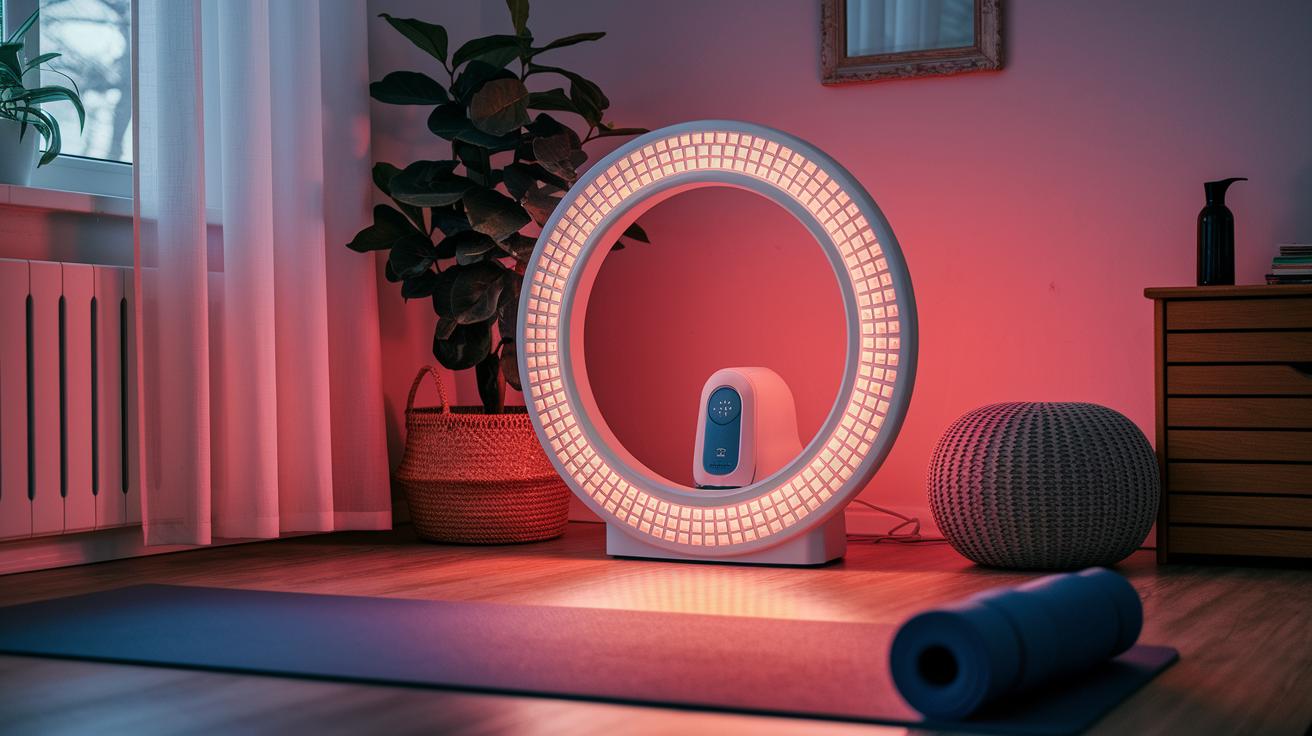
After a tough workout, red light therapy can gently help your muscles bounce back. This natural, non-invasive treatment uses LED lights that send out red light (about 660 nm wavelength) and near-infrared light (around 850 nm wavelength, which can reach deep into your muscles) to encourage cell repair and ease soreness. It’s easy to set up at home if you follow these friendly steps.
- Find a quiet space where you won’t be disturbed and set up your LED device.
- Make sure your device uses both 660 nm red light and 850 nm near-infrared light so you can enjoy full deep-tissue benefits.
- Adjust how long you use the light based on how sore you feel, usually anywhere between 5 and 20 minutes.
- Try to use the therapy either right before or immediately after your workout to give your cells an extra boost.
- Stick with it twice a week. Studies show that regular sessions can help improve muscle tone and reduce soreness over time.
By turning red light therapy into part of your routine, you’re giving your body a simple, drug-free advantage for quicker recovery and overall muscle health. Enjoy your journey to a more balanced, healthy lifestyle!
Red Light Therapy Versus Traditional Recovery Methods
Red light therapy is unique because it helps boost energy right at the cell level without heating things up too much. For instance, cryotherapy uses cold to narrow blood vessels, which can quickly lower swelling. But that same process might cut back the blood flow needed for repairing tissues properly. Massage and active recovery work by moving your blood around, easing muscle stiffness, and improving circulation. Still, they tend to work on a larger scale rather than revving up the cells. Some opt for pain relievers like NSAIDs (medications that reduce pain and swelling), but these can sometimes bring along side effects you’d rather avoid.
Then there’s Low-Level Laser Therapy, which shares a bit in common with red light therapy since both use light wavelengths. However, LLLT has a different power output and is applied in a different way. Red light therapy, on the other hand, relies on specific red and near-infrared wavelengths to boost circulation and oxygen delivery to your tissues. This approach can help you recover faster and more completely. It’s a drug-free, non-invasive method that uses advanced light technology to support your healing in ways that traditional methods sometimes miss.
When you add red light therapy to an athlete’s recovery plan, think of it as a valuable sidekick to other techniques. You can mix and match it with massage, cryotherapy, or active recovery to create a well-rounded routine. Its ability to ease soreness with the power of infrared light and enhance cellular energy can help reduce injury risks and speed up muscle repair. Many athletes have shared that adding regular red light therapy sessions after workouts has not only reduced muscle discomfort but also boosted their overall performance. This balanced strategy combines the best of several recovery methods, making red light therapy a smart and effective alternative to the usual approaches.
Red Light Therapy Equipment Guide for At-Home Muscle Healing
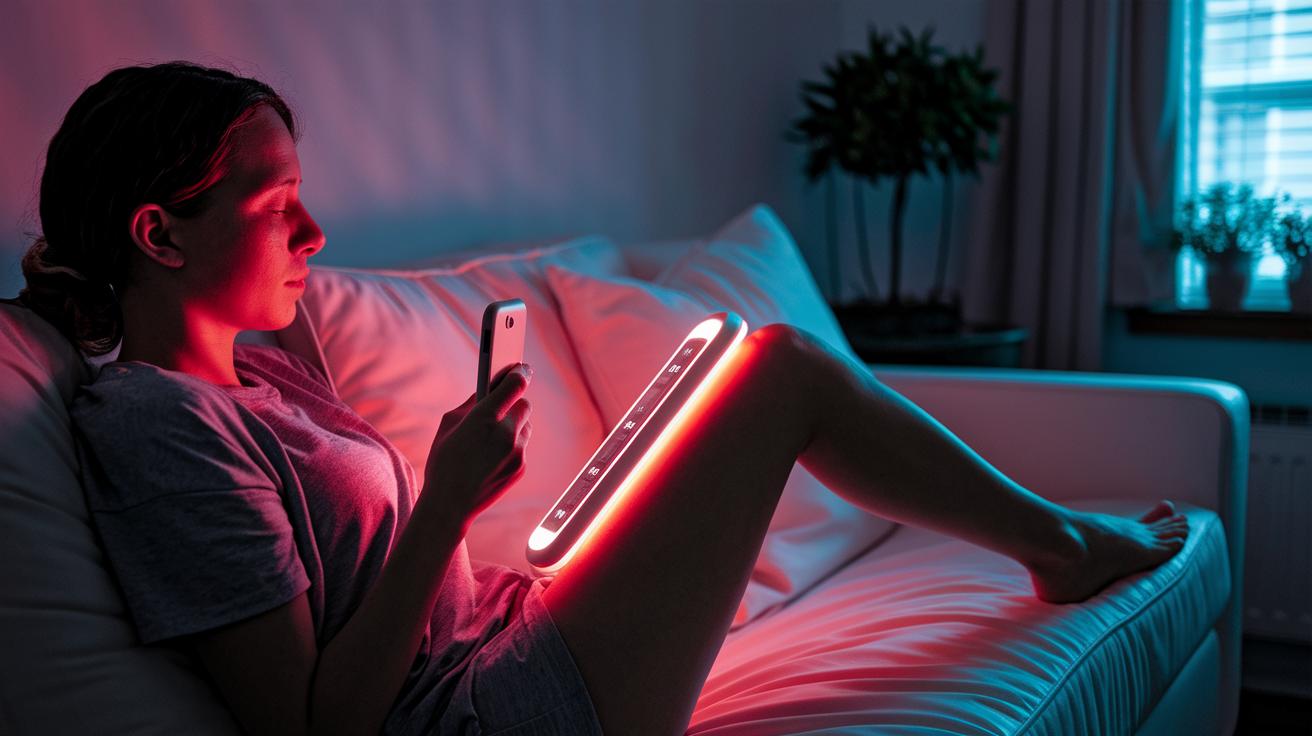
The dpl® Nuve handheld device uses trusted LED panels cleared by the FDA. It mixes red light (660 nm) and near-infrared light (850 nm) that gets deep into your muscles like a warm, relaxing massage. With its powerful light (mW/cm²) and a big treatment window, it works great on larger muscle areas such as your thighs, back, or shoulders. After a tough workout, you can quickly target and soothe those heavy muscle groups.
The dpl® Flex Mitt and Flex Pad are made for a more focused approach. They deliver light to smaller, delicate areas, which makes them just right for joints and tendons like your elbows, knees, or wrists. Think of them as your personal, gentle helpers that bring comforting relief to those tight spots.
The dpl® Wrist Wrap and Neck Pillow are perfect if you prefer a hands-free option. These wearable devices let you enjoy targeted healing exactly where you need it, on the neck, forearms, or other specific areas. Their design is smart and portable, making them a great pick for at-home muscle healing.
Safety and Risk Management in Red Light Muscle Therapy
Athletes love red light therapy because it has been shown to be very safe when you use it as directed. Studies with sports enthusiasts have not found any harmful effects, and the devices are cleared by the FDA for skin use. These gadgets work without heating up (meaning they don’t produce extra heat), so they’re gentle on your body and help ease sore muscles in a noninvasive way. Just be sure to follow the manufacturer’s instructions closely to enjoy all the benefits without any surprises.
Taking care of your eyes is really important. The light can feel a little too intense if it gets directly into your eyes, so it’s best to set up your device in a safe spot and stick to all the safety tips. This way, you can use the therapy regularly and feel confident about your recovery plan.
If you have a sensitivity to light or if you’re pregnant, it’s a good idea to check in with your doctor before you start red light therapy. These extra steps help make sure that the treatment remains a safe, well-tested way to support muscle recovery while keeping any health risks to a minimum.
Clinical Evidence on Red Light Therapy for Muscle Healing
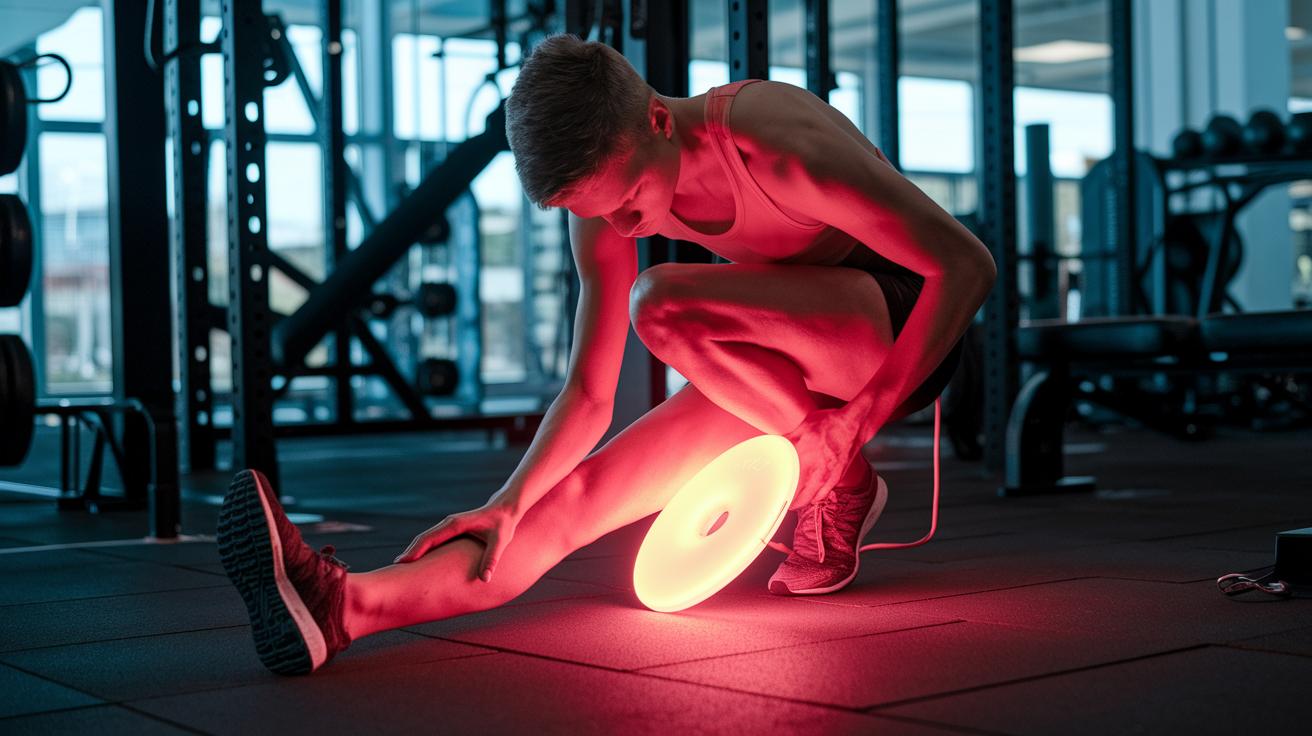
Recent research shows that red light therapy might help muscles heal faster. In one study with college athletes, those using LED therapy got back to their sports in about 9.6 days compared to nearly 19.23 days for those who didn’t use it. It’s pretty amazing to think that a simple light treatment could speed up recovery. Many athletes even mentioned that their muscles felt less sore and bounced back quicker after workouts. Plus, experts observed that red light boosts mitochondrial activity (the tiny part of your cell that creates energy) and increases ATP production (the molecule that fuels our cells), adding more fuel to the excitement around this therapy.
Even though these findings are encouraging, researchers agree that more studies are needed. One study in J Biophotonics confirmed that cellular function improves with red light, but many of these tests involved only a few participants, and their designs could be stronger. Before red light therapy becomes a go-to recovery tool, larger and longer studies are essential to understand its long-term benefits and safety. So far, the results are promising, and future research should focus on consistent testing methods to help us see if this therapy truly works across different athletic groups.
Customizing Red Light Recovery for Different Muscle Injuries
Not all muscle injuries are alike, so it's smart to customize your red light therapy to fit your needs. If you’re just feeling a bit sore, a daily session of about 10 to 15 minutes might be the gentle boost your body needs to repair itself. When you’re dealing with a sharper, more painful strain, try a 15 to 20 minute session every other day. This approach can help calm inflammation and kickstart healing.
For those pesky tendon issues, shorter sessions, around 5 to 10 minutes, focused on the specific area work wonders. And in cases of overuse injuries like sprains, bruises, or even ligament hits, a mix of red light and near-infrared light (the near-infrared part reaches deeper into your tissues) can be extra effective. Keeping up with these treatments for 2 to 4 weeks often speeds up tissue repair, while well-planned sessions help your muscles keep performing at their best.
How you adjust your routine really depends on how severe your injury is and what you need to feel better. If the discomfort sticks around, you might add a few extra minutes or bump up the number of sessions until you notice a real difference. Watch for clues like the level of pain, swelling, and how quickly your injury improves. For example, if the inflammation fades fast, shorter maintenance sessions might be all you need to keep your muscles in top shape.
At the end of the day, customizing your recovery is all about listening to your body. Trust the process and let controlled light therapy gently guide you back to feeling strong and balanced.
Final Words
In the action, this article explored how red light therapy for muscle recovery works at a cellular level to boost energy and reduce soreness. We shared simple steps to set up at-home treatments alongside comparisons with other recovery methods. You learned about device options, safety tips, and even ways to customize sessions for different injuries. Every section highlights practical benefits, from improved cell metabolism to faster strength gains. Embrace these insights and keep moving forward with a renewed and positive mindset!
FAQ
Q: What is the best red light therapy option for muscle recovery and injury?
A: The best red light therapy for muscle recovery and injury uses devices that mix 660 nm red and 850 nm near-infrared light to boost circulation and enhance cell repair.
Q: What are the potential dangers of red light therapy, such as cancer risk?
A: Studies indicate red light therapy poses minimal dangers when used properly. It does not cause cancer when guidelines are followed, although direct eye exposure is best avoided.
Q: How does red light therapy improve muscle recovery and tissue repair?
A: Red light therapy improves muscle recovery and tissue repair by increasing blood flow, boosting cellular energy production, breaking down lactic acid buildup, and stimulating collagen formation for healing.
Q: How often should red light therapy be used for muscle recovery?
A: Red light therapy is typically used in 5- to 20-minute sessions after workouts, with many users finding that applying it twice weekly helps reduce soreness and speed recovery.
Q: What are common at-home red light therapy tips, including before and after workout use?
A: Many users apply red light therapy at home before and after workouts. They set up devices to target specific muscles, choose the proper wavelength, and adjust session length based on soreness levels.

