
Have you ever felt that exercise might really help you lose weight? It may sound surprising, but science tells us that every little move makes your metabolism (the process that turns food into energy) work faster, much like a well-tuned engine.
When you get active, your body burns calories quicker and balances out your hunger and stress signals. You might feel a burst of energy and a lightness that makes your day feel brighter.
This smart method not only helps you shed extra pounds but also leaves you feeling refreshed and ready to take on the world. Isn’t it amazing how a little bit of science can give you that extra boost for a healthier, leaner you?
Exercise Science Mechanisms That Enhance Weight Loss
Exercise physiology gives your body a natural boost by ramping up how many calories you burn and helping balance hormones that manage hunger (your appetite signals) and stress (your body's natural response to pressure). When you get moving, your metabolism jumps into gear, much like turning the ignition on a well-tuned engine, so even when you’re at rest you’re burning more calories. Imagine a brisk walk on a sunny morning; the fresh air, the slight breeze, and that light step all kick off a chain reaction, releasing feel-good hormones that sharpen your alertness and lift your mood. This process not only burns calories but also helps adjust those crucial hormonal signals for a healthier you.
Experts recommend around 150 minutes of moderate exercise each week, plus two days focused on muscle-strengthening. Think of it like making a nutritious smoothie, each activity, whether it’s walking, cycling, or swimming mixed with some strength training, adds its own special benefit to the mix. Also, keeping your calorie deficit to under 500 calories per day supports steady weight loss without putting too much strain on your body.
And it’s not just about dropping pounds. Regular exercise eases the workload on your heart, lungs, and muscles, giving these vital systems a well-deserved break. It also helps clear your mind by reducing stress and boosting your overall energy, leaving you feeling refreshed, balanced, and ready to take on the day.
Cardio Exercise and Fat-Burning Protocols in Exercise Science
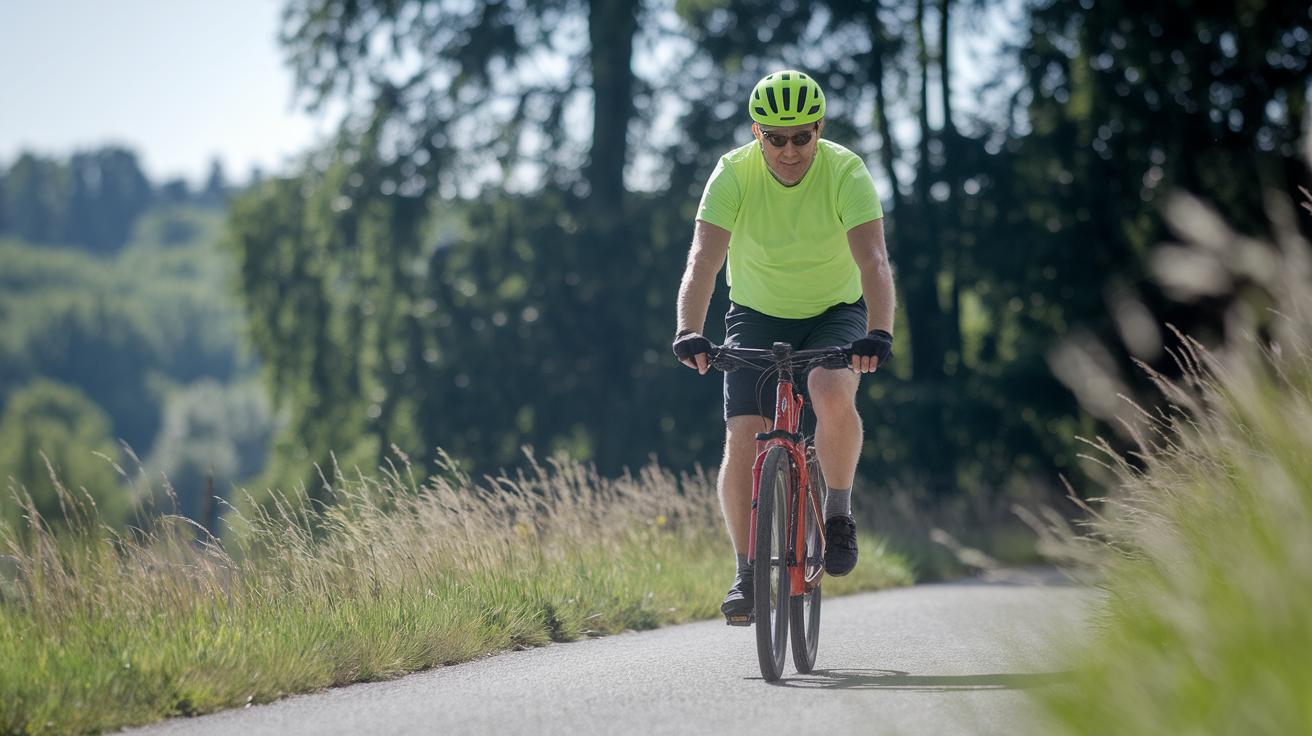
Aerobic exercise is like the spark that gets your body burning calories faster. Activities such as running, cycling, or swimming boost your energy use and help melt away fat. When you move in these ways, your heart beats a bit faster and your muscles work harder, helping your metabolism (how your body uses energy) speed things up. Try to do around 150 minutes of moderate exercise a week. It’s like giving your body a refreshing jumpstart for a balanced day.
Moderate-Intensity Cardio
Moderate-intensity cardio means keeping a steady pace where your heart stays in a friendly zone. To figure out your zone, many use the simple formula: (220 minus your age) multiplied by 50 to 70 percent. Imagine riding your bike along a lovely path where you can still chat and enjoy the scenery. Keep your pace steady and add small breaks when needed so you don’t overdo it. This way, you stay energized without getting too tired.
High-Intensity Cardio
High-intensity cardio turns things up a notch with quick bursts of fast exercise, then gives you moments to catch your breath. Think of it like sprinting for a short time and then slowing down to recover. This type of workout boosts your metabolism (the way your body burns calories) for several hours after you finish exercising. Just remember to include enough recovery time so your body can get back in balance between bursts.
| Exercise Type | Intensity Zone | Estimated Calories Burned/Hour |
|---|---|---|
| Running | Moderate to High | 600-900 |
| Cycling | Moderate to High | 500-800 |
| Swimming | Moderate to High | 500-700 |
| HIIT | High | 700-1000 |
Mixing up different types of cardio can keep your workouts interesting while steadily helping you burn fat and build energy.
Resistance Training Science for Enhanced Weight Loss
Resistance training keeps your muscles working and helps give your resting metabolism (the rate at which you burn calories while at rest) a little extra boost. When you do weight lifting or even bodyweight exercises like push-ups, you send a signal to your body to keep muscle safe and turn stored fat into energy. This extra effort means your body burns calories more effectively, even when you're just relaxing. It's like giving your body a bit more fuel efficiency, so daily tasks like carrying groceries or playing with your kids become easier.
If you're just starting out, it's smart to take it easy at first. Try working on all the main muscle groups about three times a week. You can use dumbbells, resistance bands, or just your own body weight to perform moves like squats, push-ups, and lunges. Take your time to learn the right form to avoid injuries, and check with your doctor before diving into a new routine. Wondering how to kick off strength training? Look up simple, safe routines to help build your confidence and set a strong foundation.
Benefits of exercise science for weight loss: Energized

Hi there! HIIT, or high-intensity interval training, is a fun way to boost your fitness while burning extra calories. It works by mixing short, hard bursts of exercise with quick recovery breaks. This not only makes your heart race but also helps you burn more energy even after you're done working out, like when a car engine stays warm and busy after a speedy drive.
Try fitting in a 20 to 30 minute session two or three times a week. It’s like giving your body a quick, efficient tune-up for fat loss. Formats like Tabata, EMOM (every minute on the minute), or sprint intervals are great picks. For example, in a Tabata session, you work hard for 20 seconds and then rest for 10 seconds, repeating that eight times.
Remember to always warm up properly and let your body recover between sessions. It’s a smart, science-backed way to keep your workouts challenging yet manageable, just like a good, balanced routine that leaves you feeling energized and ready for more.
Balanced Exercise and Nutrition Strategies for Energized Weight Loss
When you work with a gentle calorie deficit of under 500 calories a day along with a mix of workouts, like HIIT (short bursts of high-intensity effort), cardio, and resistance training (using weights or your body weight), you give your muscles a chance to recover and your body a boost in burning fat. Your muscles get stronger, your metabolism speeds up, and well-timed, protein-packed meals help with recovery and keep hunger in check. Imagine a workout that pairs quick sprints with lighter recovery moves; it feels like you’re fueling your body perfectly for both muscle growth and calorie burn.
- Enjoy a protein-rich snack or meal right after your workout. For example, after a brisk run, sip on a post-workout shake to help your body refuel.
- Take short standing breaks or quick walks when you’ve been sitting too long. For example, get up for a 5-minute walk between tasks to keep your energy flowing.
- Stick to a simple plan that includes low calorie meals to maintain a gentle deficit.
- Choose snacks that mix protein, healthy fats, and complex carbs. For example, pair a small portion of nuts with fruit after a resistance training session.
- Develop easy daily habits like preparing meals ahead of time, so you stick to your nutrition goals. For example, set aside some time on the weekend to chop veggies and portion out proteins for the week.
- Balance challenging workouts with relaxation to keep both your energy and overall well-being high. For example, alternate a HIIT session with a calming stretching routine to help your body recover.
Consistency in both exercise and nutrition not only builds strong habits but also sets you up for long-lasting, joyful weight loss.
Monitoring Progress and Recovery Strategies in Exercise Science-Based Weight Loss

Tracking your progress keeps you motivated and helps fine-tune your routine. Try checking your body composition (how much fat versus muscle you have), noting your resting heart rate, and keeping a log of your workouts. You could measure these things every few weeks to see how your efforts are paying off. This simple tracking shows if your routine is working or if you might need to try a small change.
Recovery is just as important as the workout itself. Techniques like a gentle massage can ease tight muscles, and regular stretching improves your flexibility and eases strain. Don’t forget the power of a good night’s sleep, it allows your body to rebuild and repair, much like recharging your phone after a busy day. It’s amazing how refreshed you can feel after proper rest.
Listening to your body is key. If you start feeling constantly tired or notice your performance dipping, it might be time to talk to a fitness expert (someone who understands the science behind exercise). They can help review your plan and suggest adjustments so your workout stays safe, effective, and aligned with your goals.
Final Words
In the action, we explored how exercise physiology sparks calorie burn while balancing hormones. We broke down strategies like moderate cardio, strength training, and HIIT, all paired with nutrition tips to boost results. These methods highlight the benefits of exercise science for weight loss, offering both physical and mental gains. Every step you take builds strength and confidence, reminding you that a healthier lifestyle is within reach. Keep moving forward and celebrate each win along the way.

