
Ever wondered why your mind just won’t slow down when night falls? Sometimes a simple moment of mindfulness, a kind of mini meditation, can help calm those racing thoughts and melt away the stress. In just a few minutes, you can let your body ease into relaxation, gently telling yourself that it’s time to rest. This little practice not only helps wash away the busy day, but it also makes way for a deeper sleep that leaves you feeling refreshed in the morning. Have you ever tried taking a mindful pause before bed? It might be just what you need for peaceful nights and more relaxed mornings.
How Bedtime Mindfulness Meditation Reduces Stress and Improves Sleep
Evenings can be a great time to quiet your busy mind. A short mindfulness meditation session helps you focus on your breathing and notice your body. This gentle act lowers stress hormones, making it easier to settle into sleep.
When you take a few minutes each night to breathe slowly and mindfully, you give your thoughts a break. This simple practice calms the mind and reduces cortisol, that pesky stress hormone. The result? A peaceful space that welcomes sleep much more easily.
Taking time to focus on each breath can really help cut down on the racing thoughts that often keep you awake. Picture yourself letting go of distractions, slipping into a state where sleep comes naturally. It’s like giving your body a soft, warm signal that it's time to unwind.
Building a habit of bedtime mindfulness creates a reassuring, calm environment. By including this practice in your nightly routine, you not only make it easier to transition into sleep, but you also build resilience against everyday stress. Over time, this comforting routine can make your evenings a time of true rest and renewal.
bedtime mindfulness meditation: Calm Nights Await

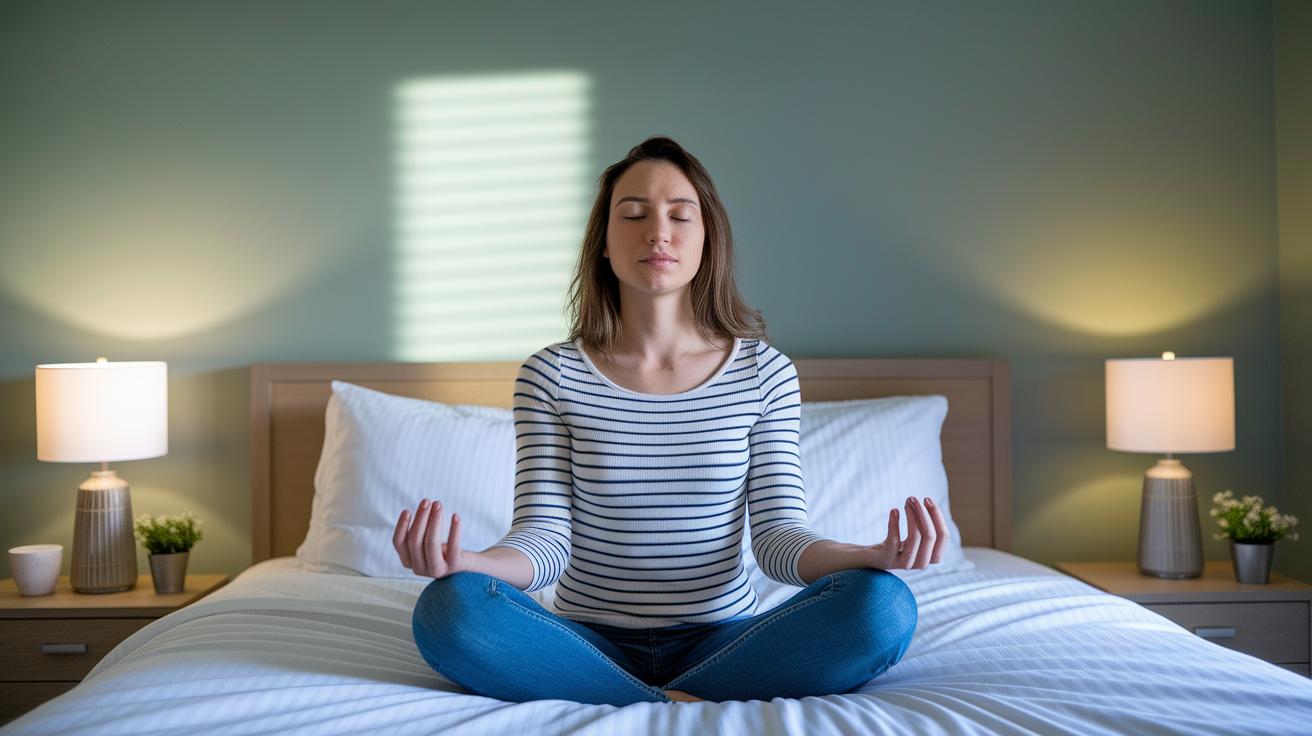
Find a quiet moment just for you, take a deep, slow breath and feel your body relax. Before you drift off to sleep, put aside distractions like your phone or bright screens. Instead, let your surroundings become soft and soothing. Whether you choose to sit comfortably or lie down with your head and back well-supported, allow the day’s stress to gently fade away.
- Prepare your space: Turn down bright lights, lower any distracting noises, and set up a calming environment that tells your body it’s time to unwind.
- Get comfortable: Settle into a position that supports your back and head, so you can fully relax.
- Notice your breath: Pay attention to the natural rhythm of your breathing. Watch as your chest rises and falls slowly with each inhale and exhale.
- Do a gentle body scan: Starting at your toes, slowly move upwards. Feel each muscle soften as you let go of tension in a mindful way.
- Ease towards sleep: When you’re ready, let your focus drift naturally towards sleep. There's no rush, simply allow your mind to settle into a peaceful, sleep-ready state.
Remember, you can adjust the length of your session depending on how you feel. If you’re new to this, start with a five-minute practice, then slowly extend it over time. And if you’ve been meditating a while, feel free to explore slower breaths or longer pauses during your body scan. Let each night’s routine be a personal, calming journey into rest.
Key Techniques in Bedtime Mindfulness Meditation for Sleep
Evenings bring quiet moments where you can gently wind down before sleep. It’s a perfect time to try meditation techniques that soothe both the mind and body.
One favorite is mindfulness meditation. You simply focus on your breathing and really notice the cool rush of air as you exhale. It’s a simple way to clear your mind, like watching a calm stream flow.
If you want a bit more direction, guided meditation might be your go-to. A friendly, recorded voice invites you to relax with gentle instructions and soothing images. Sometimes hearing someone else's calm tone can make all the difference.
There’s also the body scan method. Start at your toes and slowly move your attention upward. Picture your body relaxing more with each step, like a warm wave easing away tension.
| Technique | Purpose/Duration |
|---|---|
| Mindfulness Meditation | Calms your mind and centers focus / 5–15 min |
| Guided Meditation | Step-by-step relaxation prompts / 10–20 min |
| Body Scan | Relieves body tension gradually / 5–12 min |
In the end, the best method really depends on what your body and mind need at the moment. If distracting thoughts keep coming back, mindfulness can ground you. On days when you need that extra push to relax, try a guided session. And if your muscles feel tight after a long day, the body scan can help ease each part into a state of rest.
Setting Up a Mindful Bedtime Environment for Meditation

Imagine a cozy spot that gently tells your brain it’s time to wind down. Start by softening the room’s glow with warm lamps or string lights instead of those harsh overhead bulbs. Turn off the TV, radio, or any noisy gadgets, and maybe even put your phone in another room or on silent. This simple setup helps your mind and body get ready for a calm, meditative evening.
Keep your room comfortably cool, around 60 to 68°F works best. That cool air tells your body it’s almost time to rest. Make sure your bed is super comfy, with a supportive mattress and soft bedding that cradles you just right. Try to begin your meditation routine 20 to 30 minutes before you plan to sleep. A few small changes, like closing the curtains or using earplugs, can make all the difference in creating a peaceful, bedtime space that invites a night of restful sleep.
Integrating Bedtime Mindfulness Meditation into Your Nightly Routine
Developing Consistency
Set aside the same time each night for your meditation to help your body and mind relax. Pick a spot about 20–30 minutes before bedtime, and use a quiet alarm or reminder to guide you. Over time, this steady routine brings calm and makes it easier for you to settle down. You might even dim the lights or use a familiar scent to signal that it’s time to wind down.
Keep a small journal nearby and jot down a few thoughts after each session. Write something about what felt soothing or any improvements in your sleep. These simple notes can help you notice patterns and boost your commitment to feeling peaceful at night.
Morning and Evening Synergy
Try pairing your evening meditation with a short morning practice. When you wake up, take about five minutes to do a gentle body scan or focus on deep, mindful breathing. This small start helps bridge the calmness of your night with the energy of your day.
Carrying a bit of that nighttime stillness into the morning sets a positive tone right from the start. Just a few mindful minutes can keep you centered and ready to take on whatever the day brings.
Additional Resources and FAQs for Bedtime Mindfulness Meditation
When it comes to bedtime mindfulness, extra help can really make a difference in setting the stage for a peaceful night. Think of audio recordings, podcast episodes, and mobile apps as your supportive sidekicks. Many audio sessions run about 20 minutes and gently guide you into a state of calm. You might also find a 12-minute meditation in some podcasts, which is perfect on hectic evenings. Meanwhile, mobile apps often feature sleep-friendly sessions, simple breathing guides, and affirmations that help quiet your mind. For instance, you might try a short guided audio session as you wind down or check out an app that walks you through a gentle breath exercise. It’s all about finding what fits snugly into your nighttime routine.
A lot of you have asked about how long these sessions should be. Generally speaking, anywhere from 5 to 20 minutes of mindfulness meditation before bed can really relax your mind and lower stress levels. Keeping your practice short but regular can have a big impact.
Another popular question is about timing. Experts suggest starting your meditation 15 to 30 minutes before turning in for the night. This small window gives you time to shift gears from the hustle of daily life to a calmer, sleep-ready state of mind.
And what about your posture? Whether you prefer sitting or lying down, the best choice is what feels most comfortable and supportive for you. Experiment a bit. In truth, the goal is to be relaxed and at ease as you prepare to drift off.
Final Words
In the action of reducing stress and inviting quality sleep, we explored how a mindful practice can soften mental chatter and lower stress hormones. We walked through easy steps to set up a calm space, guided you in a simple breathing exercise, and shared tips for a consistent and serene routine.
We showed how incorporating bedtime mindfulness meditation into your routine sets a positive tone for your entire night. Enjoy the rest and embrace your peaceful transition to sleep tonight.
FAQ
What does mindfulness meditation do for sleep and anxiety?
The mindfulness meditation helps calm your mind and lower stress levels, making it easier to relax and get better sleep while reducing anxiety.
Where can I find free guided meditations for sleep and anxiety?
The free guided meditations for sleep and anxiety are available on reliable wellness sites that offer audio sessions designed to lead you into a relaxed state.
What defines the best guided sleep meditation for deep sleep and healing?
The best guided sleep meditation uses a soothing voice with ambient sounds to ease your thoughts, encouraging deep, healing rest and improved overall sleep quality.
How does calming nighttime meditation help promote sleep?
The calming nighttime meditation slows your mental chatter and relaxes your body, paving the way toward a more peaceful and quick transition into sleep.
Is mindfulness meditation good before bed and how do I practice it?
The mindfulness meditation before bed helps lower stress and quiet your thoughts. You practice by removing distractions, getting comfortable, and focusing on your breathing and body sensations.
How can meditation help me fall asleep in 20 minutes?
The meditation technique guides your focus away from daily stress by using breathing and body awareness, often reducing the time it takes for you to fall asleep to around twenty minutes.
Is 10 minutes of meditation equal to 4 hours of sleep?
The idea that 10 minutes of meditation equals 4 hours of sleep isn’t accurate; however, even short sessions help reduce stress and support a healthier sleep pattern over time.

