
Think muffins are just sugary junk? Think again.
High-protein muffins pack 10 to 20 grams of protein into a grab-and-go snack that works for breakfast, post-workout, or the 3 PM slump.
They use everyday ingredients—protein powder, Greek yogurt, eggs, and oats—so you don’t need weird flours or long shopping lists.
This post gives easy recipes, a core base you can tweak for gluten-free or vegan needs, plus simple meal-prep and storage tips so you can bake a batch in under 30 minutes and keep your protein goals on track.
Quick High‑Protein Muffin Overview
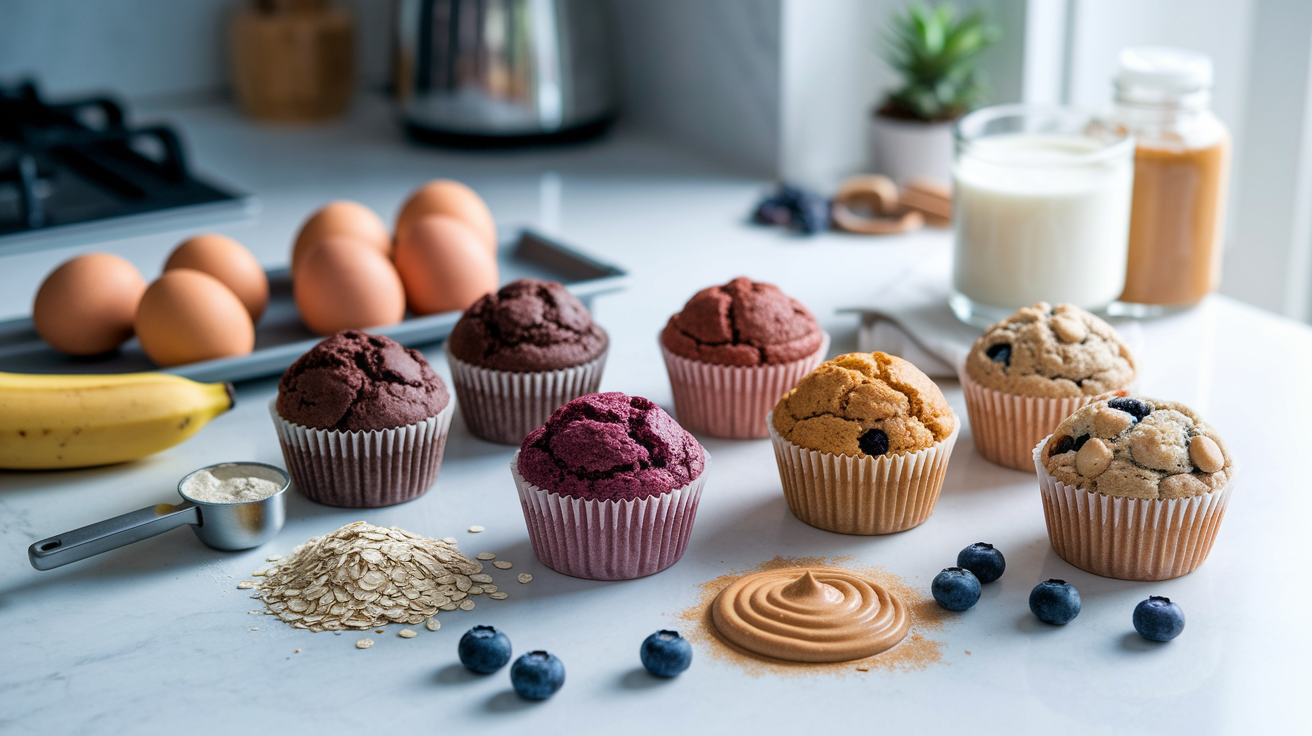
High protein muffins pack real nutrition into something you can grab on your way out the door. Most recipes land between 10 and 20 grams of protein per muffin by mixing protein powder, Greek yogurt, eggs, and oats. They work for breakfast, post-workout fuel, or when you need something at 3 PM that won’t leave you crashed on the couch an hour later.
The formula’s pretty straightforward. Protein powder takes the place of some flour, yogurt keeps things moist while adding protein, and nut butters or oats bring in healthy fats and fiber. You can bake a full batch in under 30 minutes, keep them in the fridge for the week, or freeze for up to three months.
Chocolate Blender Muffins use 3 ripe bananas, 3/4 cup whey protein, 1/3 cup peanut butter, and 2 eggs. Blend it smooth, bake at 350°F for 22 to 24 minutes. You’re looking at 11 to 12g protein per muffin.
Greek Yogurt Oat Muffins combine 1 cup plain Greek yogurt, 1 cup whey protein powder, 1/2 cup rolled oats, and 2 eggs. Makes 12 muffins with about 12 to 14g protein each.
Berry Oatmeal Protein Muffins start with 1 1/2 cups protein oats, 1/3 cup vanilla protein powder, 1 cup almond milk, and 1 egg. Bake 25 to 27 minutes for something naturally sweet with solid fiber.
Almond Flour Protein Muffins swap regular flour for 1 1/4 cups almond flour plus 3/4 cup protein powder. Lower carb, gluten-free, 13 to 15g protein.
Cottage Cheese Protein Muffins replace Greek yogurt with 1 cup blended cottage cheese. Extra complete protein, fluffier crumb.
Core High‑Protein Muffin Recipe
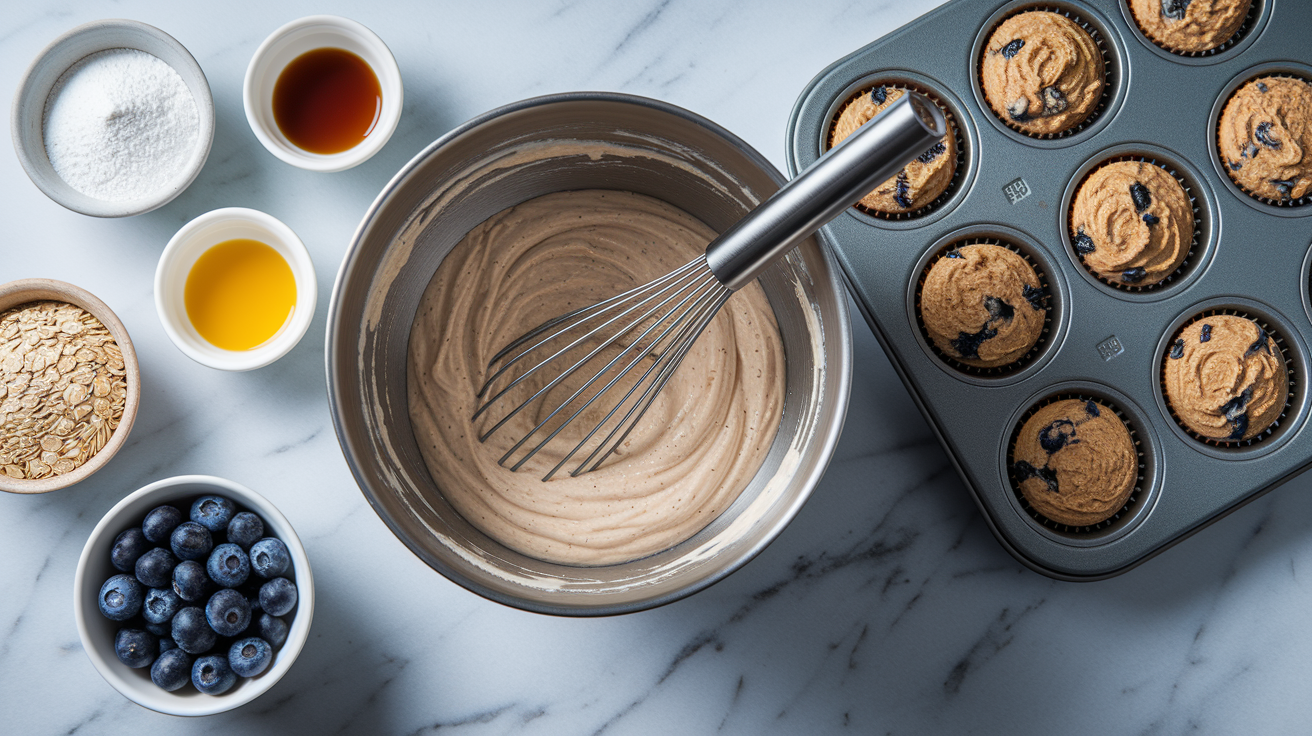
This base recipe covers most of what you’ll need and you can tweak it for flavor or diet swaps. It uses whey protein, Greek yogurt, and oats to hit around 12 grams of protein per muffin without hunting down specialty flours or weird ingredients.
Start with unflavored or vanilla whey protein powder. Chocolate or flavored versions work fine, but they box you in later when you want to change things up. Whey isolate is leaner and a bit drier than whey concentrate, so if you’re using isolate, add an extra tablespoon or two of milk. Greek yogurt gives you moisture and a soft crumb. Stick with plain, full-fat or 2% for best texture. Nonfat Greek yogurt can make muffins a little dense.
Oats and protein powder both soak up liquid, so the batter’s going to look thicker than standard muffin batter. That’s fine. Let it rest for five minutes before you portion it out. This gives the oats time to hydrate and keeps your muffins from turning out dry and crumbly. If your batter still feels too thick after resting, add milk one tablespoon at a time until it slowly drops from a spoon.
Ingredients:
- 1 cup plain Greek yogurt
- 2 large eggs
- 1 cup whey protein powder
- 1/2 cup rolled oats
- 1/3 cup granulated sugar or 1/4 cup honey
- 1/4 cup melted coconut oil or butter
- 2 teaspoons baking powder
- 1/2 teaspoon salt
- 1 teaspoon vanilla extract
- Optional: 1/2 cup blueberries, chocolate chips, or 1 mashed banana
Instructions:
- Preheat your oven to 350°F and line a 12-cup muffin tin with paper liners or grease each cup lightly.
- In a large bowl, whisk the Greek yogurt, eggs, melted oil, and vanilla until smooth.
- In a separate bowl, combine the protein powder, oats, sugar, baking powder, and salt.
- Pour the dry ingredients into the wet ingredients and fold gently until just combined. Lumps are fine.
- Let the batter rest for five minutes. Add your chosen mix-ins if using.
- Divide the batter evenly among the 12 muffin cups, filling each about three-quarters full.
- Bake for 18 to 22 minutes. Check doneness by inserting a toothpick into the center of a muffin. It should come out clean or with just a few moist crumbs.
- Cool in the tin for five minutes, then transfer muffins to a wire rack to cool completely.
Nutritional Breakdown

One high protein muffin usually delivers between 150 and 220 calories depending on what you add and which protein powder you choose. The protein comes from whey powder, Greek yogurt, and eggs. Peanut butter or almond butter bumps up the fat content but also keeps you full longer.
Carbs vary a lot based on your sweetener, fruit, and whether you go with oat flour or almond flour. Oats and bananas push carbs higher. Almond flour and protein powder alone keep them lower. Fat levels shift based on nut butters, oil type, and yogurt fat percentage.
| Muffin Type | Calories | Protein (g) | Carbs (g) | Fat (g) |
|---|---|---|---|---|
| Greek Yogurt Oat Muffin | 175 | 12 | 18 | 6 |
| Chocolate Blender Muffin | 165 | 11 | 16 | 7 |
| Almond Flour Protein Muffin | 210 | 14 | 12 | 11 |
| Berry Oatmeal Protein Muffin | 160 | 10 | 20 | 5 |
Variations for Different Diets
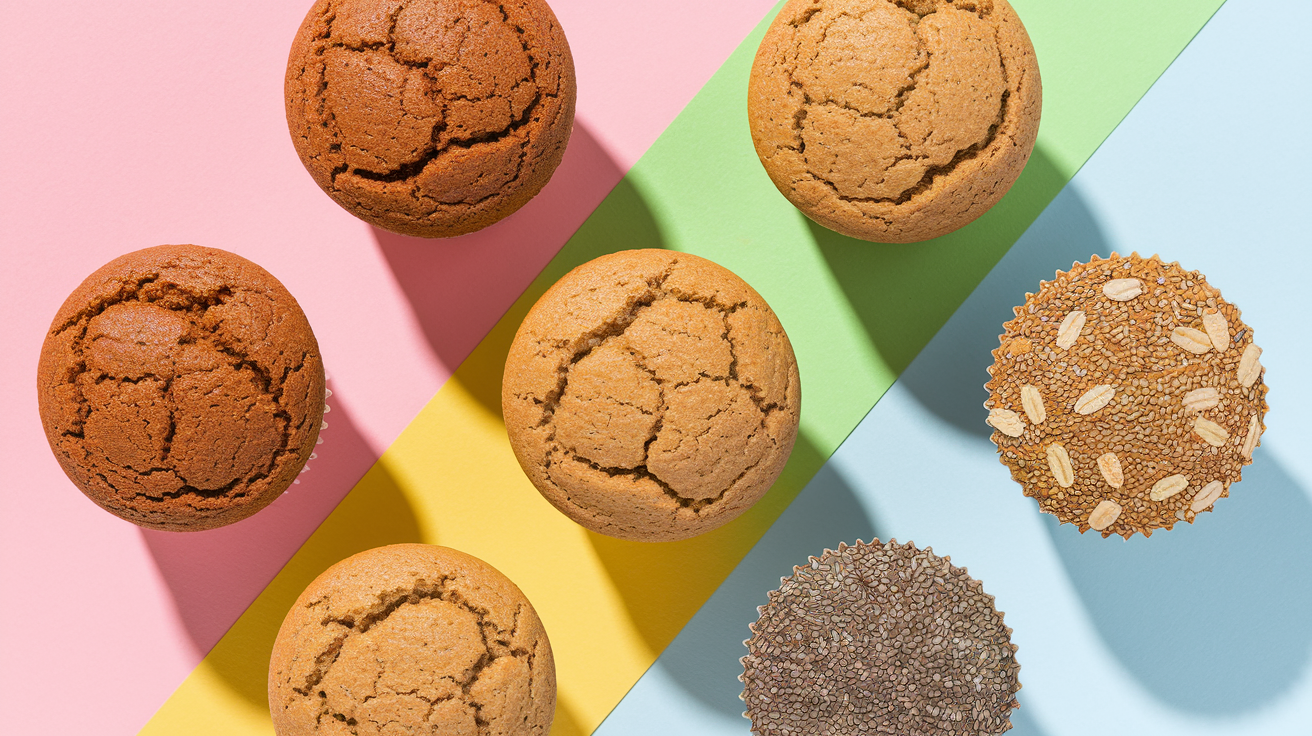
You can adapt the core recipe without losing protein or structure. The trick is swapping ingredients in similar ratios and adjusting liquid to match how much the new dry ingredients absorb.
Gluten‑Free Variation
Replace the rolled oats with certified gluten-free oats or use 1 1/4 cups almond flour instead of the oats and cut the protein powder back to 3/4 cup. Almond flour’s fattier and denser than oats, so you might need to add two to four tablespoons of milk to loosen things up. Gluten-free muffins often have a softer, more crumbly texture. Calories go up a bit from the almond flour but carbs drop. Bake time stays the same at 350°F for 18 to 22 minutes. If the tops brown too fast, tent loosely with foil for the last five minutes.
Vegan Variation
Swap the Greek yogurt for one cup of unsweetened dairy-free yogurt like almond, oat, or coconut yogurt. Replace the two eggs with two flax eggs by mixing two tablespoons of ground flaxseed with six tablespoons of water and letting it sit for five minutes until it gets thick and gel-like. Use a plant-based protein powder like pea, soy, or brown rice protein. Plant powders can taste grittier, so vanilla or chocolate flavors hide that better than unflavored. You may need an extra tablespoon of oil or nut butter to keep the muffins moist since flax eggs don’t bind as tightly as chicken eggs. Baking time and temperature stay the same.
High‑Fiber Variation
Add fiber by throwing in two tablespoons of ground flaxseed, two tablespoons of chia seeds, or 1/4 cup of oat bran directly into the dry ingredients. Each of these soaks up extra liquid, so bump up the milk by two to three tablespoons or the batter will be too stiff. Chia seeds create tiny gel pockets in the muffin. That’s normal. Flaxseed adds a mild nutty flavor. Oat bran blends in without changing taste. All three bump fiber by roughly three to five grams per muffin without messing up the rise or structure. If you add all three at once, scale back the rolled oats slightly to avoid overly dense muffins.
Preparation and Baking Tips
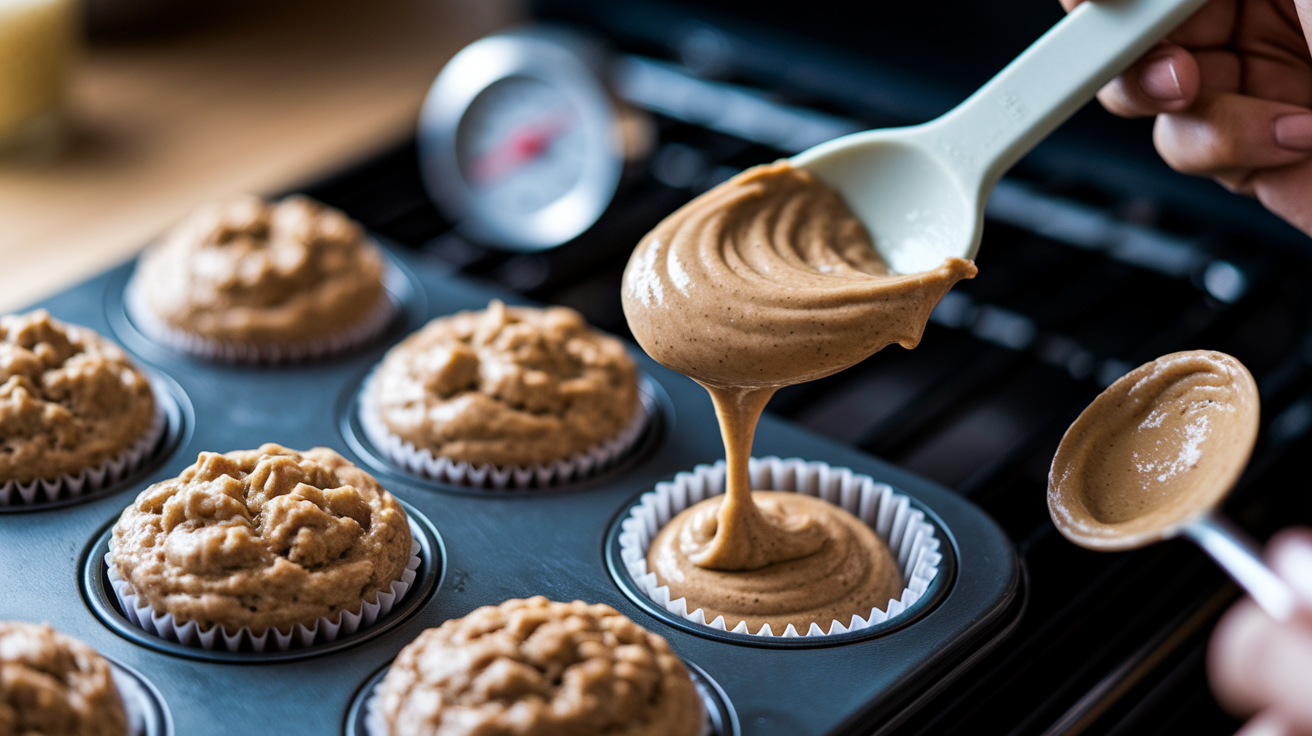
Overmixing protein muffin batter is the fastest way to end up with dry, rubbery muffins. Protein powder tightens gluten-free batters and can create a chalky texture if you stir too long. Mix until you don’t see dry streaks anymore, then stop. A few lumps won’t hurt anything and they’ll disappear during baking.
Protein powders vary in how much liquid they absorb. Whey isolate soaks up more than whey concentrate, and plant proteins often need even more moisture. If your batter looks paste-like after mixing, add milk one tablespoon at a time until it reaches a thick but scoopable consistency. Batter should slowly drop from a spoon, not sit there in a stiff lump.
Let the batter rest for five minutes before filling muffin cups. Oats and protein powder need time to hydrate, which prevents gummy centers.
Fill muffin cups three-quarters full. Protein muffins don’t dome as high as traditional muffins, so overfilling causes overflow and uneven baking.
Check your oven temperature with an oven thermometer. A lot of home ovens run 10 to 25 degrees off, which can dry out or underbake protein muffins.
Use ripe bananas if adding fruit for natural sweetness. Underripe bananas add starch but not much sweetness, so you’ll need to bump up sugar or honey by two to three tablespoons.
Cool muffins in the tin for five minutes, then move to a wire rack. Leaving them in the hot tin too long steams the bottoms and makes them soggy.
Storage and Meal Prep Guide
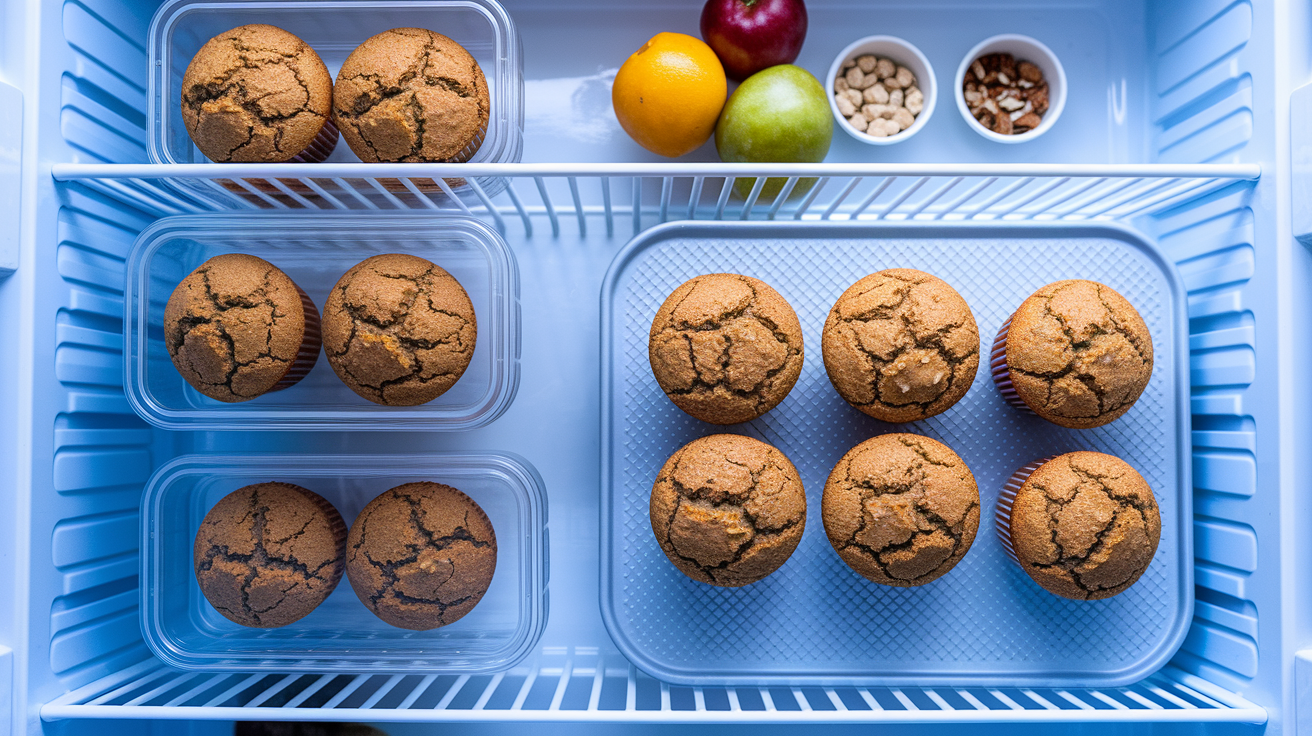
High protein muffins store well because the Greek yogurt and eggs keep them moist longer than regular muffins. Keep baked muffins in an airtight container at room temperature for one day, in the fridge for up to five days, or in the freezer for up to three months.
For meal prep, bake a full batch on Sunday and portion them into grab-and-go containers. Pair one muffin with a piece of fruit or a small handful of nuts for a balanced 300 to 400 calorie breakfast. If you’re freezing muffins, wrap each one individually in plastic wrap or foil, then place all wrapped muffins in a freezer bag to prevent freezer burn.
Refrigerate muffins once they cool completely. Storing them warm traps moisture and causes mold faster.
Freeze muffins flat on a baking sheet for one hour, then transfer to a freezer bag. This keeps them from sticking together.
Thaw frozen muffins overnight in the fridge or leave at room temperature for 30 to 60 minutes.
Reheat in the microwave for 15 to 25 seconds or in a toaster oven at 300°F for five minutes to bring back that fresh-baked texture.
Final Words
Grab your mixing bowl and bake—this post gave a fast overview, a solid core recipe, and the nutrition facts you need to pick the right version.
You learned simple swaps for gluten-free, vegan, and high-fiber muffins, plus baking tips to keep them moist and storage steps for meal prep.
Use the step-by-step recipe, tweak it for your taste, and freeze extras for busy mornings. Making a batch of high protein muffins is an easy win that keeps your week running smoothly.
FAQ
Q: What can I add to muffins to increase protein, and can you just add protein powder to muffins?
A: To increase protein in muffins, add Greek yogurt, egg whites, nut butter, oats, or protein powder. You can add protein powder alone, but balance with extra liquid and eggs to avoid dry, chalky texture.
Q: Are protein muffins actually healthy?
A: Protein muffins can be healthy when made with whole ingredients, moderate sugar, and healthy fats; they give satiety and useful protein, but watch portion size, calories, and added sugars.
Q: How do you make 3 ingredient protein muffins?
A: Three-ingredient protein muffins are made by mixing protein powder, mashed banana (or applesauce), and an egg or egg white, then baking about 18–20 minutes at 350°F until set.

