
Have you ever noticed how a few quiet moments can change your whole day?
Mindfulness isn’t just about sitting still, it’s like a magic switch that clears your mind, melts away stress, and gives you a burst of energy.
Think of it as a reset that helps you ignore the noise and focus on what truly matters.
In this chat, we’re sharing how a little mindful practice can lift your mood, steady your emotions, and recharge your body.
Ready to add a spark to your day with simple, everyday mindfulness?
How Mindfulness Improves Mental, Emotional, and Physical Health
Mindfulness is a simple practice that can brighten your day. It helps clear your mind and eases your emotions, while also giving your body a gentle boost. Imagine the calm of a quiet morning or the steady focus during a busy day, mindfulness can help you enjoy those moments more fully. Back in 1982, a program called MBSR (Mindfulness-Based Stress Reduction) started with over 25,000 people, and since then, a few minutes of mindful attention each day has been linked to real-life improvements.
Research shows that practicing mindfulness can sweep away those nagging, scattered thoughts. It relieves anxiety and stress, helping you feel lighter. One review of 47 studies even found that using mindfulness techniques like MBCT (Mindfulness-Based Cognitive Therapy, which helps break negative thought patterns) could extend the time before depression flares up by nearly 60 weeks. Plus, people who took part in eight-week mindfulness programs saw their immune systems getting a boost, like improved flu antibody levels after a shot. And if you’re watching your blood pressure, mindfulness might help lower both the top and bottom numbers.
Here are six key benefits:
- Stress reduction
- Anxiety relief
- Improved focus
- Emotional resilience
- Blood pressure control
- Enhanced immunity
By gently training your mind to stay in the present, mindfulness creates a ripple effect that touches every part of your life. It soothes your thoughts, helps your immune system and heart, and fills your days with a balanced sense of energy. Isn’t it wonderful how a little quiet time can make such a big difference?
Mental Health Advantages of Mindfulness Practices
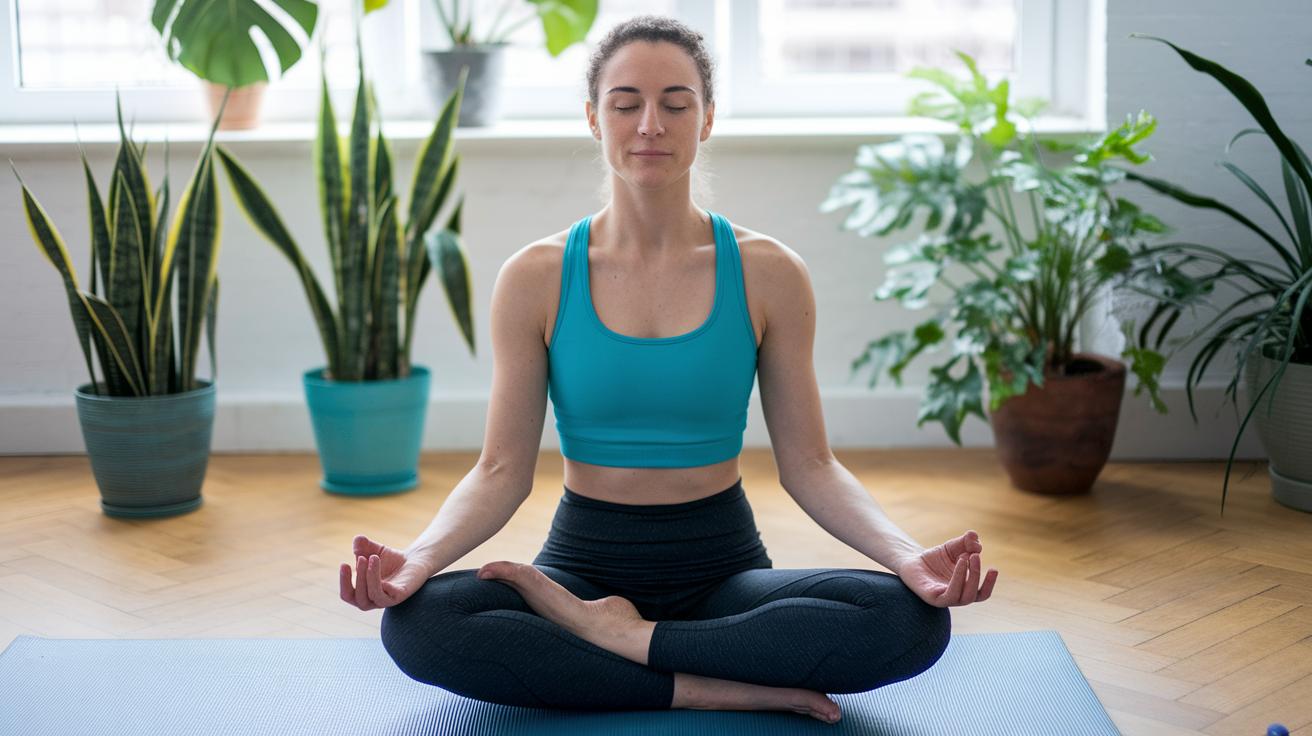
When you make mindfulness part of your routine, it really helps boost your mental well-being. Even short breathing exercises can calm your nerves by lowering stress hormones and turning down that busy part of your brain that makes you overthink. Imagine feeling a gentle wave of calm with every deep, slow breath.
Studies show that simple mindfulness practices like MBSR (Mindfulness-Based Stress Reduction) and MBCT (Mindfulness-Based Cognitive Therapy) can keep your mood steady, almost like some medications do. One study even found that MBCT can help keep depression away for over a year. With every mindful moment, you take a small step toward a brighter, more balanced mood.
Regular mindfulness exercises also clear your mind and sharpen your focus. For example, a study with older adults found that eight weeks of focused breathing really helped improve their attention and memory. Picture it like this: one deep, slow breath clears away all the clutter in your mind, leaving it as clear as a blue sky. This shows that mindfulness not only brings calm but also makes it easier to stay focused and be productive every day.
Achieving Emotional Balance and Resilience with Mindfulness
Mindfulness is a simple tool to calm turbulent feelings and set a steady course amid everyday stress. Research shows that taking deep, slow breaths, like a mindful pause, fires up parts of your brain that help manage emotions and sharpen focus. It gently shifts your mind away from negative loops, clearing the way for better mental clarity.
Many people practicing mindfulness-based stress reduction (MBSR) share that it eases their repetitive, negative thoughts and improves how they cope in tough moments. Even a few minutes of mindful breathing or a quick body scan can open up space for self-kindness and healing. Imagine this: when your day feels overwhelming, take three slow, mindful breaths, it’s like pressing a reset button on your mood.
Mindfulness-based therapy has even been shown to reduce the grip of insomnia, giving your emotions a chance to settle and recover. Research also highlights improvements in empathy, self-esteem, and confidence among various groups, from students to those facing challenges. In truth, weaving mindfulness into your daily routine helps smooth out emotional ups and downs and arms you with the calm determination to tackle life’s hurdles.
Physical Wellness Benefits Linked to Mindful Practice
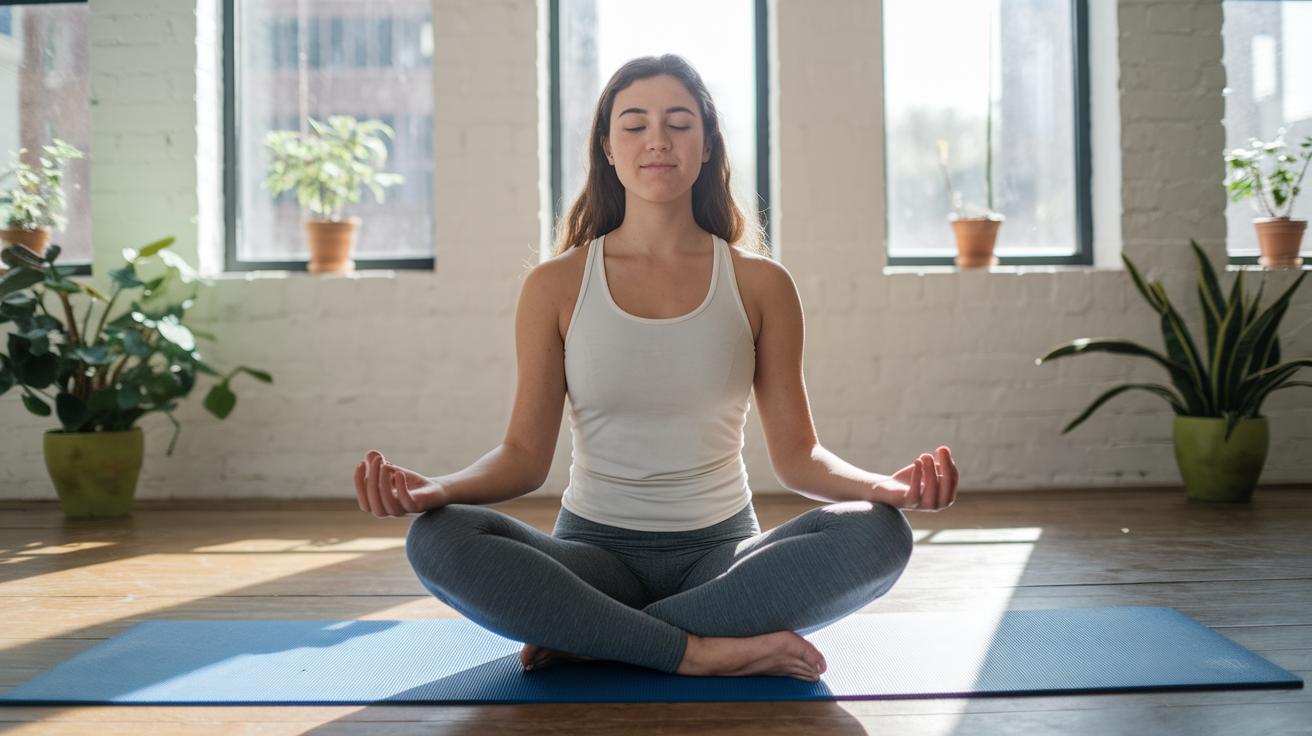
Mindfulness isn’t just a mental practice, it can also have a positive impact on your body. Research shows that structured programs like a ten-week Mindfulness-Based Stress Reduction course can help ease chronic pain, reduce anxiety, and even lessen the need for pain medication. Imagine discovering that a regular mindfulness session can quiet constant aches, almost like giving your body a much-needed break from discomfort.
One study with 282 older adults found that an eight-week mindfulness program significantly reduced low-back pain and improved physical function for at least six months. It is a bit like gently stretching after a good night’s sleep, training your body to relax and reset. Not only does this approach help relieve pain, but it also boosts overall mobility.
Studies have also shown that people with high blood pressure can see a drop in both systolic and diastolic readings after practicing mindfulness. This means that a regular mindfulness routine might help control blood pressure, playing a role in a healthier heart. And get this: another study found that after eight weeks of mindfulness training, antibody levels increased following vaccinations, suggesting that this practice might even strengthen the immune response.
When you experience less tension and better sleep with even small, regular mindfulness exercises, the results can be truly meaningful. The evidence points to mindfulness techniques as a powerful tool in maintaining your physical well-being.
Benefits of Mindfulness: Energize Your Life
Starting your day with a little mindfulness can spark an energy boost that carries you through the morning. Imagine spending just five minutes quietly breathing, it’s not just about clearing your mind, but also about waking up your body in a gentle, powerful way. Try this: sit comfortably, breathe in for four counts, hold for a moment, and breathe out for six counts. It’s simple but effective.
At work, a couple of minutes of focused mindfulness can make a big difference. Sarah, an office administrator, found that repeating "I am clear" during a quick pause helped ease her tension and lift her energy levels by about 20%. It’s a neat trick backed by new studies that show even short, mindful breaks can sharpen your focus and cut through the mid-day slump.
As you wind down in the evening, give the idea of a three-minute body scan a try. Slowly relax each muscle, starting from your head and working down to your toes. Research suggests that this practice not only soothes your body but also sets you up for a night of better, more refreshing sleep.
Small, focused moments throughout your day can really add up:
- Enjoy a five-minute mindful breathing session in the morning.
- Use a two-minute anchor phrase like "I am clear" at work.
- Wind down with a three-minute body scan before bed.
Start with this surprising fact: In a recent pilot study, professionals who practiced two-minute mindfulness exercises every two hours reported a 20% boost in productivity.
| Practice Time | Technique | Reported Benefit |
|---|---|---|
| Morning | Mindful breathing (4 inhale/6 exhale) | Enhanced alertness |
| Work | Anchor phrase “I am clear” | Reduced tension, improved focus |
| Evening | 3-minute body scan | Better sleep quality |
Final Words
In the action, we've explored how mindfulness benefits mental, emotional, and physical health. The discussion covered techniques that lift stress and support overall wellness. We saw science-backed facts and practical tips that make mindfulness accessible every day.
Top benefits of mindfulness include:
• Stress reduction
• Anxiety relief
• Improved focus
• Emotional resilience
• Blood pressure control
• Enhanced immunity
These benefits of mindfulness can open doors to a healthier, more balanced life. Enjoy every mindful moment!
FAQ
What is mindfulness?
Mindfulness is a practice that focuses your attention on the present moment through breathing and simple awareness. It calms the mind and helps improve emotional control.
What are the benefits of mindfulness?
The benefits of mindfulness boost mental, emotional, and physical health. Top benefits include:
- Stress reduction
- Anxiety relief
- Improved focus
- Emotional resilience
- Blood pressure control
- Enhanced immunity
What are the physical benefits of mindfulness?
Physical benefits of mindfulness include lower blood pressure, reduced chronic pain, improved sleep quality, and a stronger immune response, all contributing to better overall wellness.
What are some psychological benefits of mindfulness?
Psychological benefits of mindfulness are seen as reduced anxiety, improved memory, fewer intrusive thoughts, and increased self-awareness that lead to clearer thinking.
What benefits does mindfulness offer for students?
For students, mindfulness improves concentration, lowers test anxiety, helps regulate emotions, and builds self-confidence, which can enhance overall academic performance.
Why is mindfulness so powerful and what does it do?
Mindfulness is powerful because it transforms everyday moments into opportunities for calm and clarity, reducing stress and negative thought patterns while boosting focus.
Are there any disadvantages of mindfulness?
Some people may find mindfulness uncomfortable at first, experiencing increased anxiety or restlessness during initial practice, though these feelings often diminish with regular sessions.
Where can I find a benefits of mindfulness PDF guide?
A benefits of mindfulness PDF guide is available online for those wanting a ready-to-use resource outlining how mindfulness enhances mental, emotional, and physical health.

