
Ever wonder if your regular workout might be stressing your body too much? Sometimes, doing the exact same moves over and over can lead to injuries, especially when your form slips.
That’s why mixing up your push, pull, and leg routines can really make a difference. It’s like switching gears during a morning run, you keep things balanced and gentle on your joints.
Imagine starting with knee push-ups, doing assisted pull-ups (using help to lift your body weight), and adding in controlled squats. These simple tweaks not only build strength but also protect your body from strain.
Today, we’re sharing these easy adjustments so you can work out smartly and build balanced muscle without overdoing it.
Injury-Safe Push Pull Leg Workout Modifications

Building balanced muscle is super important when you split your workouts into push, pull, and leg days. This approach gives your joints and muscles a break, making it easier for beginners to work out three to four times a week and for seasoned lifters to go five or six days if they stick to proper form.
Using simpler moves like knee push-ups, assisted pull-ups (using help to lift your body weight), and basic squats helps you get the technique right without heavy weights. It’s like starting slow with a warm-up so you don’t end up with imbalances or injury when you add more resistance.
For push days, try moving from knee push-ups to full push-ups over time so you can gradually build up strength. You can also include push-ups with your feet on an elevated surface to gently change the load on your muscles. Don’t forget to add a short pause at the bottom of each press; this small break boosts your control and keeps your shoulders steady.
On pull days, begin with assisted pull-ups to focus on keeping your body in line and to lighten the load while you learn the move. Adjust inverted rows by altering your body angle if your elbows start to feel too strained. Slow down the lowering part of each rep to really work on pulling your shoulder blades together, which helps with muscle balance.
When it comes to leg days, practice squats with a controlled pause at the bottom of the movement to take pressure off your knees. Using goblet squats (holding a weight close to your chest) is a smart way to keep your back straight and your hips aligned. And remember, adding single-leg moves like assisted lunges can help fix any muscle imbalances.
These tweaks all work together to keep your joints and muscles safe over the long haul. By slowly ramping up the challenge, you keep your form solid and your body balanced, making sure every workout helps you recover better and perform at your best.
Push Day Adjustments for Joint Protection

Using a proper pressing technique is like giving your joints a gentle, steady hug. Imagine your joints as well-matched gears that move in harmony, smoothly guiding each motion just like a perfectly tuned machine without any extra strain.
When you perform your presses, try taking a small pause at the bottom of every rep. This little break, just a second of holding at the lowest point, helps you stay in control. It’s a bit like stopping at a red light on a busy road to make sure you're safe before you move on.
Before you start your main workout, warm up with some simple shoulder exercises. Try doing shoulder shrugs or band pull-aparts (a move that uses a resistance band to gently wake up your shoulder muscles). These exercises help your shoulder blades settle into place and keep your joints protected as you push through your workout.
Pull Day Variations to Enhance Back Safety

Using careful pull movements eases strain on your joints and works your back muscles effectively. Make sure to revisit the Injury-Safe Push Pull Leg Workout Modifications section for extra tips on assisted pull-ups and adjusted inverted row techniques.
Try some new tweaks on your pull day. For instance, play around with different grip widths. A wider grip can help you feel steadier shoulder support (that means your shoulders get extra stability). Also, focus on keeping your speed controlled, pull slowly and finish with a brief pause to squeeze your shoulder blades together. This little pause boosts muscle work and keeps injuries at bay.
By adding these changes, you fine-tune your routine in a safe and effective way. Have you ever noticed how a small adjustment can really transform your workout?
Leg Day Technique Refinements for Knee and Hip Health

Perform your squats with a slow, steady pace, lower yourself gently and pause for three seconds at the bottom. Think of it like sinking into a deep stretch, taking that brief moment to feel each muscle work. This mindful pause spreads your weight evenly, easing stress on your knees and keeping your movements secure.
Try goblet squats to boost your hip stability. Hold a weight close to your chest, almost as if you’re cradling a cherished treasure. This cue helps you keep an upright posture, supports proper alignment, and takes the pressure off your lower back while giving you clear feedback with every rep.
Add some one-leg focused moves into your routine, like Bulgarian split squats (a squat with your back foot elevated on a bench) and reverse lunges (stepping backward instead of forward). Focus on one leg at a time and feel the strength build with each controlled movement. These exercises work to balance your muscle effort, offering better protection for your knees and hips during even the toughest workouts.
Warm-Up, Mobility Drills, and Cooldown Protocols
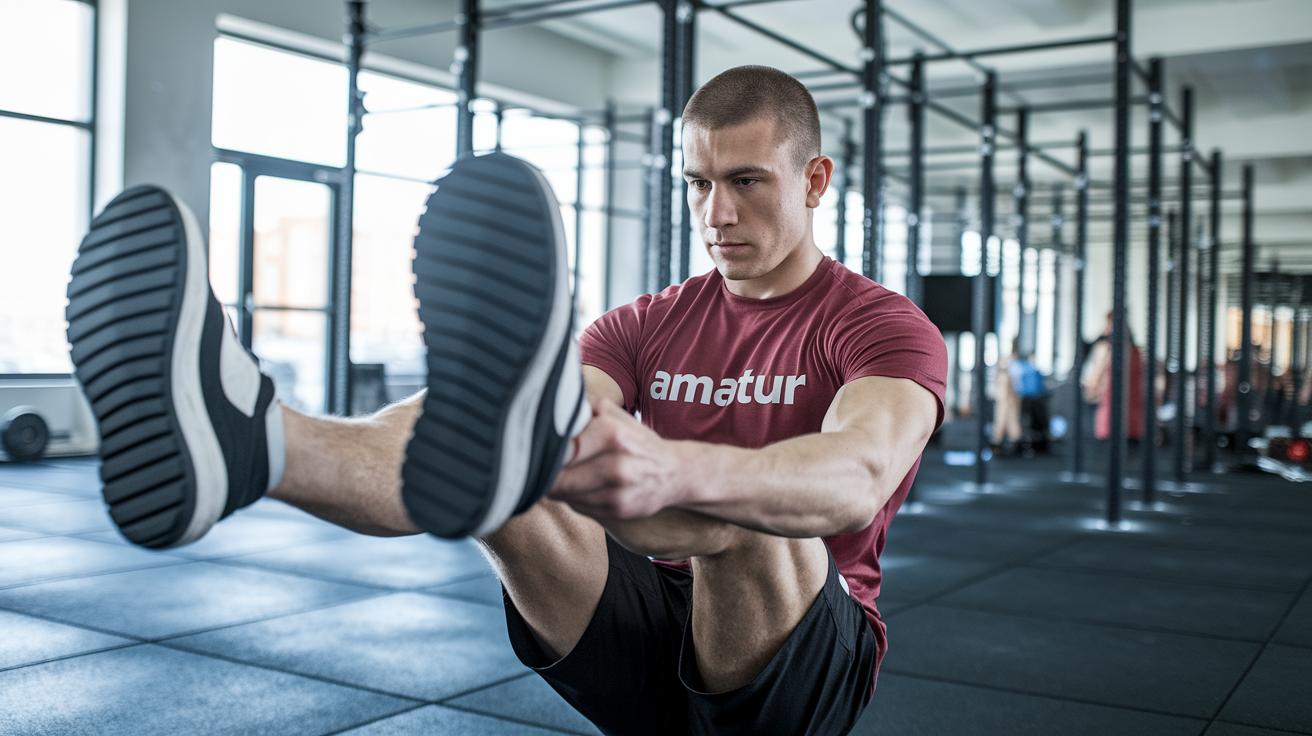
Starting your workout with a dynamic warm-up is like giving your body a friendly nudge to get moving. These exercises, such as leg swings, arm circles, or banded shoulder rotations (using a resistance band to strengthen muscles), get your blood pumping and open up your joints. They gently ease tension while focusing your mind on the activities ahead.
For example, try movements like leg swings, band pull-aparts, hip controlled articular rotations (CARs, which help your joints move smoothly), thoracic spine extensions, and foam-roll calf releases. Each drill not only loosens your muscles but also sets a positive tone for what’s coming next.
After you work out, a proper cooldown makes all the difference. A few minutes of gentle active stretching and foam rolling go a long way in easing muscle stiffness and encouraging faster recovery. Imagine the calming feel of slowly easing out of your practice, maintaining flexibility and keeping your joints healthy for many workouts to come.
Making these warm-ups and cooldown routines a habit builds a solid foundation for safe, effective exercise. Stick with them and let your body enjoy every step of your fitness journey.
Recovery Strategies and Load Management
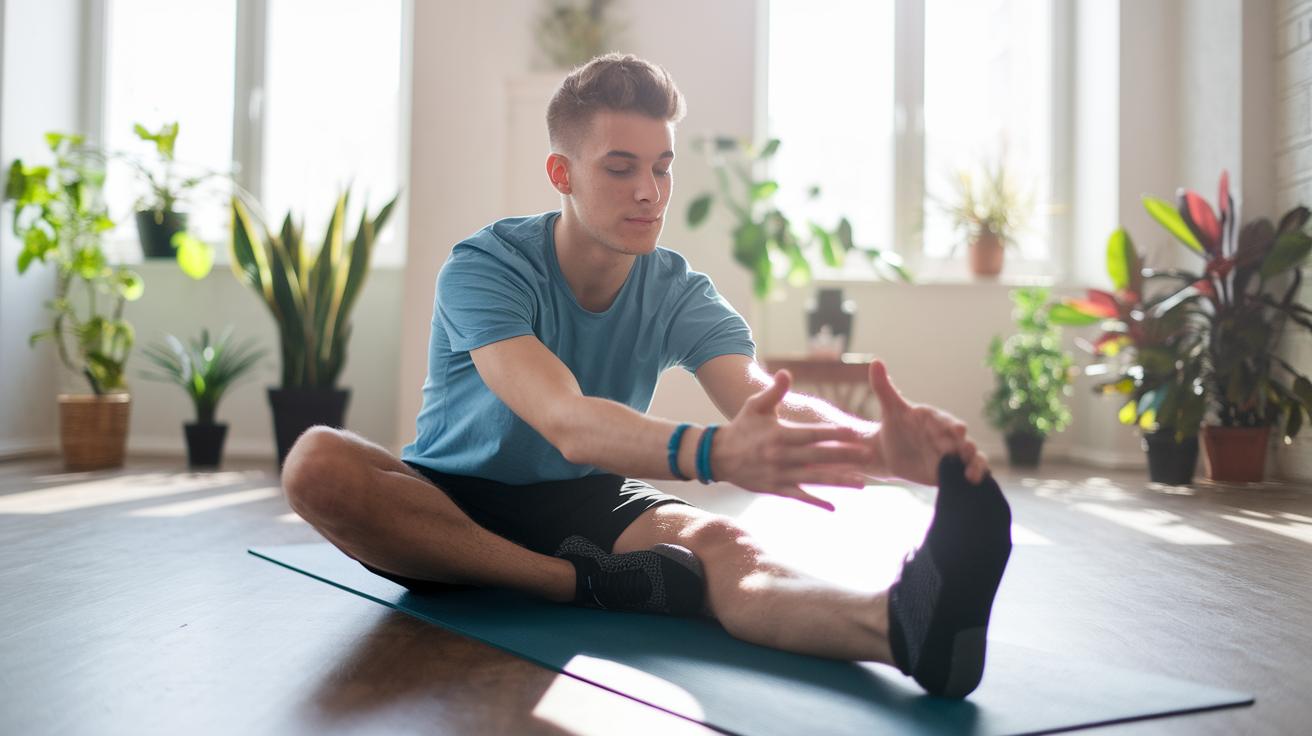
Switching between push, pull, and leg days gives each muscle group a break of about 48–72 hours. That downtime helps prevent overuse and lets your muscles repair and grow. On top of that, planning a week where you lift a bit lighter or include gentle recovery activities, like easy stretching or a calm, leisurely walk, can really ease fatigue. Have you ever felt the difference after a lighter week following intense sessions? It’s like giving your body a chance to mend and come back stronger.
For those who are a bit more advanced, try microloading, adding just 2–5 pounds each week. This small, steady increase is a gentle way to help your joints adapt to heavier weights. It supports your tissues (the muscles and connective parts) in slowly adjusting, which lowers the risk of injury. In other words, each little increment keeps you moving forward at a safe, sustainable pace.
Structured Progressions for Injury-Free Strength Gains
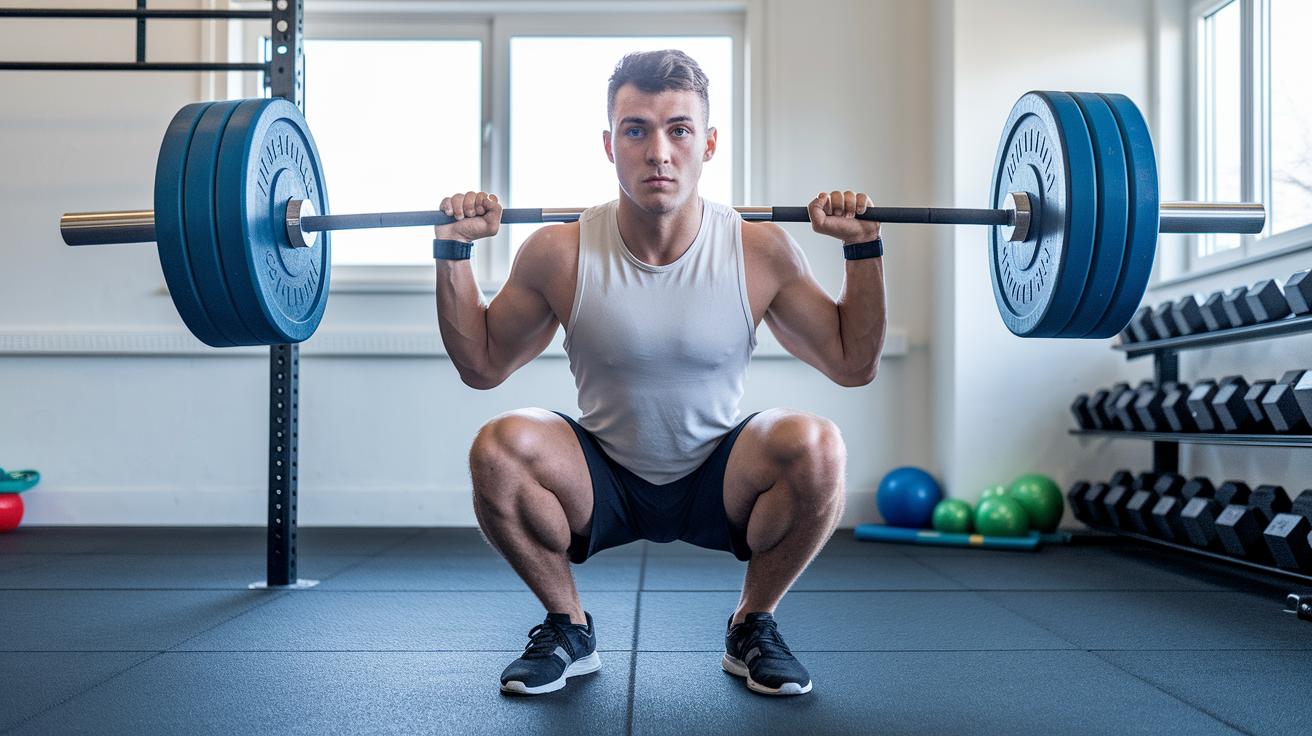
This approach helps you build strength slowly while minimizing the chance of injury. It starts with simple bodyweight exercises and basic movements. This way, you learn proper form and control, which helps keep your joints aligned and safe. Your muscles and connective tissues get time to adjust, making your steady strength gains feel natural and safe.
In Phase 1, during Weeks 1–3, keep the focus on nailing the proper form using light weights or just your body. Take your time with each move, like savoring the steady rhythm of a calm walk. This stage is all about learning the right technique, boosting your confidence, and setting a solid base that protects your joints as you progress.
Then, in Phase 2 from Weeks 4–6, you begin to add a little weight, just 2 to 5 pounds at a time each week. This small increase, often called microloading, lets you explore more advanced moves while also engaging your core (the muscles in your belly and back that help stabilize your body). By slowly boosting the resistance, you build overall strength without sacrificing safety or control.
Best Practices and Expert Guidance for Push Pull Leg Workouts
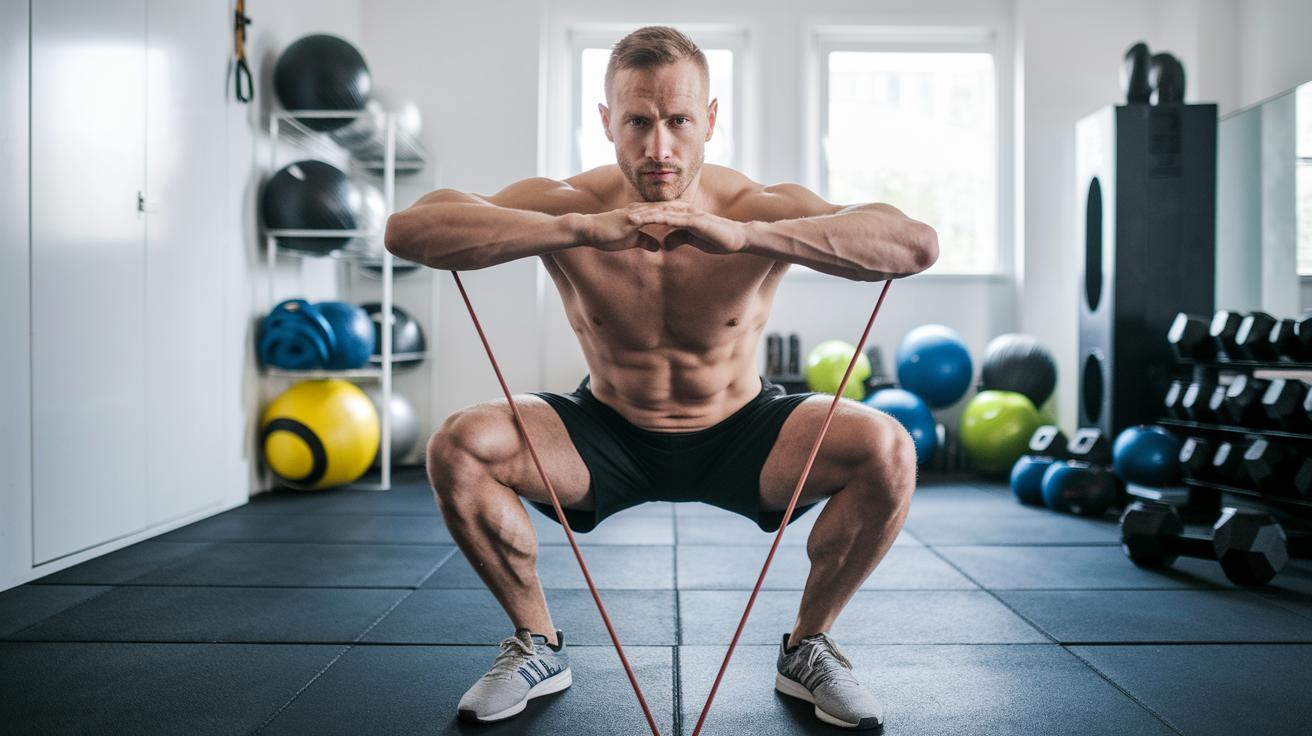
Getting personalized coaching is a game changer. Imagine your coach pointing out small tweaks through video demos that help you correct your form, so your push, pull, and leg workouts stay both safe and effective. Remote sessions give you real-time advice and gentle cues that protect your joints and reduce stress, making it feel like you have a friend right there with you.
Experts often share that a slight change in the way you line up your body can go a long way in preventing injuries. It’s like when you finally find that perfect rhythm in a workout, it just makes everything feel smoother and safer.
Adding a few simple tools like resistance bands and dowels into your workouts can really boost how in tune you are with your body. These tools help you catch small shifts in your posture and notice when your muscles are firing in just the right way. Think of it as a friendly nudge that guides you to fix your technique before any issues start.
When you mix in self-guided drills with exercises recommended by your trainer, it not only builds your confidence but also helps you perform each exercise more effectively. And by checking in with video feedback now and then, you ensure that every repetition gets done with the best form possible. This hands-on approach, along with regular assessments, sets you up for a workout routine that’s both smart and injury-free.
Final Words
In the action, we explored safe cuts that balance muscle work and reduce strain by adjusting load, form, and exercise pace. Small tweaks in warm-ups, recovery days, and exercise variations ensure every movement supports joint and muscle care. This discussion shows that mindful application of push pull leg workout modifications for injury prevention can keep you moving safely and feeling strong. Keep testing out these adjustments, and enjoy every step toward a more secure and active lifestyle.
FAQ
Frequently Asked Questions
What are 5 day push pull leg workout modifications for injury prevention?
The 5-day push pull leg modifications involve adjusting loads, incorporating bodyweight variations like knee push-ups, and emphasizing controlled movements to balance muscle work while lowering stress on joints.
What do the push pull legs workout Routine PDFs offer?
The workout Routine PDFs outline structured training plans that detail day splits, safe load management, and specific exercise tweaks, making it easier to follow an injury-aware resistance training schedule.
How do push pull legs split routines differ by day count?
The push pull legs splits vary by frequency—whether it’s 4, 5, or 6 days—by adjusting volume and recovery time to maximize muscle balance, strengthen form, and reduce strain on joints during workouts.
What exercises are commonly included on a push, pull, legs exercises list?
The exercises list usually features pressing moves on push days, rowing and assisted pull-ups on pull days, and squats or lunges on leg days, each designed to support balanced strength and proper form.
What defines the best push pull legs program for safe training?
The best program combines gradual weight increases, form-focused progressions, and structured recovery sessions, ensuring that every exercise modification works to protect joints while building strength effectively.

