
Ever thought that just three workouts a week could leave you feeling strong and energised? This beginner-friendly plan is set up to boost both your energy and muscle strength.
One day you'll focus on push moves, like working your chest and shoulders. Another day is for pull exercises that target your back and biceps, and a third day is all about giving your legs the care they deserve. It’s a simple, friendly way to work each muscle group while keeping your workouts fun and effective.
3-Day Push Pull Leg Workout Plan Breakdown
The push pull leg workout plan is great for beginners looking to build a strong foundation. It splits your week into three clear sessions. One day, you focus on push exercises like chest, shoulders, and triceps, another day is reserved for pull moves that hit your back and biceps, and the final day is for leg work including your glutes, quads, hamstrings, and calves. Think of it like a friendly chat with your muscles, each session gets its own spotlight and attention.
A simple weekly schedule might be Monday for push, Wednesday for pull, and Friday for legs. For every exercise, aim for 6-8 or 8-10 solid repetitions. This keeps your workouts challenging but still safe for your form. Start with a warm-up set, take about one minute of recovery, then get into your main sets with 2-3 minutes of rest between them. This careful pacing gives your body time to bounce back, which is key for muscle growth and overall fitness. Have you ever felt that surge of energy after a good rest between sets?
Working out three times a week makes it easy to stick with the plan without feeling overwhelmed. It’s a balanced routine, ensuring you work each muscle group well while still giving your body time to recover. Stick with it; over time, you’ll see noticeable strength gains and a boost in energy, turning your healthy habits into a natural, enjoyable part of your everyday life.
Exercise Selection for Push, Pull, and Leg Movements

Mixing up your exercises is a fantastic way to build strength without getting bored. When you try different moves, you're giving each muscle group a unique challenge while keeping your workouts fresh and exciting. It’s like adding a splash of fun to your routine that leaves you feeling both challenged and energized.
Push Movement Examples
• Bench press (this works your chest, shoulders, and triceps) – 3 sets of 8-10 reps
• Overhead press (targets your shoulders and triceps) – 3 sets of 8-10 reps
• Dumbbell flyes (focuses on your chest) – 3 sets of 8-10 reps
• Incline press (hits the upper chest, shoulders, and triceps) – 3 sets of 8-10 reps
Pull Movement Examples
• Bent-over rows (strengthen your back and biceps) – 3 sets of 8-10 reps
• Lat pulldowns (work your back and biceps) – 3 sets of 8-10 reps
• Seated cable rows (focus on your back and biceps) – 3 sets of 8-10 reps
• Face pulls (improve your upper back and shoulder strength) – 3 sets of 8-10 reps
Leg Movement Examples
• Squat variations (build your quads, glutes, and hamstrings) – 3 sets of 8-10 reps
• Romanian deadlifts (target your hamstrings and glutes) – 3 sets of 8-10 reps
• Lunges (engage your quads, glutes, and hamstrings) – 3 sets of 8-10 reps
• Calf raises (strengthen your calves) – 3 sets of 10-12 reps
Remember, you can always adjust each exercise to match your comfort and fitness level. Starting with 3 sets of 8-10 reps is a great way for beginners to get moving. Take your time, feel each move, and notice how your body responds. Over time, these exercise choices will help you build a strong foundation while keeping your workouts balanced and enjoyable.
Progression Tips and Avoiding Beginner Mistakes
Taking things slowly by gradually adding a little more weight or a few more repetitions is the way to keep improving safely and steadily. This idea, called progressive overload (a method where you slowly increase the demand on your muscles), helps make your muscles stronger with each workout. Consistency matters, too. When you stick to a regular routine and keep your form in check, you lower your chance of getting hurt and each workout truly counts. Even tiny improvements, done regularly, can lead to amazing gains.
It also helps to track your progress and focus on steady increases. It might be tempting to push too far and let your form slip just to lift heavier, but that can really hold you back later. Instead, try adding about 5 to 10 percent more weight or a few extra reps each week, as long as you can do it with good form. Being mindful of your recovery time and writing down your progress will help you dodge common mistakes like skipping rest days or being inconsistent with your training.
| Tip | Why It Helps |
|---|---|
| Log every set and rep | It shows your progress and keeps you motivated. |
| Follow a planned deload routine | It helps manage fatigue and prevents burnout. |
| Check your form often | Good form reduces injury risk and builds strength safely. |
| Increase weights gradually | Slow increases ensure you’re ready for more without overdoing it. |
push pull leg workout plan for beginners: Energized

Begin every session with a 5–10 minute dynamic warm-up to boost your heart rate and prep your muscles for the work ahead. You might try a light jog in place or movements that mirror what you'll do in your workout. This warm-up should include exercises that move your joints and activate your muscles, like arm circles or leg swings, to get your body ready for heavier lifts while reducing injury risk. Picture your muscles waking up softly, much like a gentle breeze stirs a quiet morning.
During your workout, focus on keeping your form steady and safe. Slow, controlled movements let you really feel each exercise while working the right muscles. If something feels off, listen to your body, perhaps lower the weight or tweak your form to avoid any strain. It’s all about working smart and staying safe.
After your workout, take an extra 5–10 minutes for static stretches that relax the major muscle groups you just used. This cool-down, along with proper rest days and a good night's sleep, helps your muscles repair and recover so you’re all set for your next session.
Nutrition Basics for Supporting Your Push Pull Leg Plan
Taking care of your body with great food is just as important as your workout. When you’re just starting a push pull leg workout, it's key to eat a mix of important nutrients. For instance, aim to get about 1.6–2.2 grams of protein per kilogram of your body weight each day. Protein (the nutrient that helps build and repair muscles) is like the building block for your muscles, helping them recover after a tough session.
Carbohydrates give you the energy to power through your exercises, while healthy fats (fats that support your body functions like heart health) take care of overall body needs. Imagine these nutrients working together like ingredients in your favorite meal, fueling you up so you can tackle each session with strength.
It also helps to plan your meals and drinks. Try eating a wholesome meal one to two hours before your workout to boost your energy. And soon after you finish, within about 45 minutes, have something with both carbs and protein to help your muscles bounce back. Don’t forget to sip on water throughout the day; roughly 0.03–0.04 liters per kilogram of your body weight keeps you refreshed.
Next, if you're curious about where to start, check out some guides on a balanced diet and recovery meals. This way, you can build a routine that keeps you feeling strong and ready for the next round.
Sample Weekly Schedule Templates for Beginners
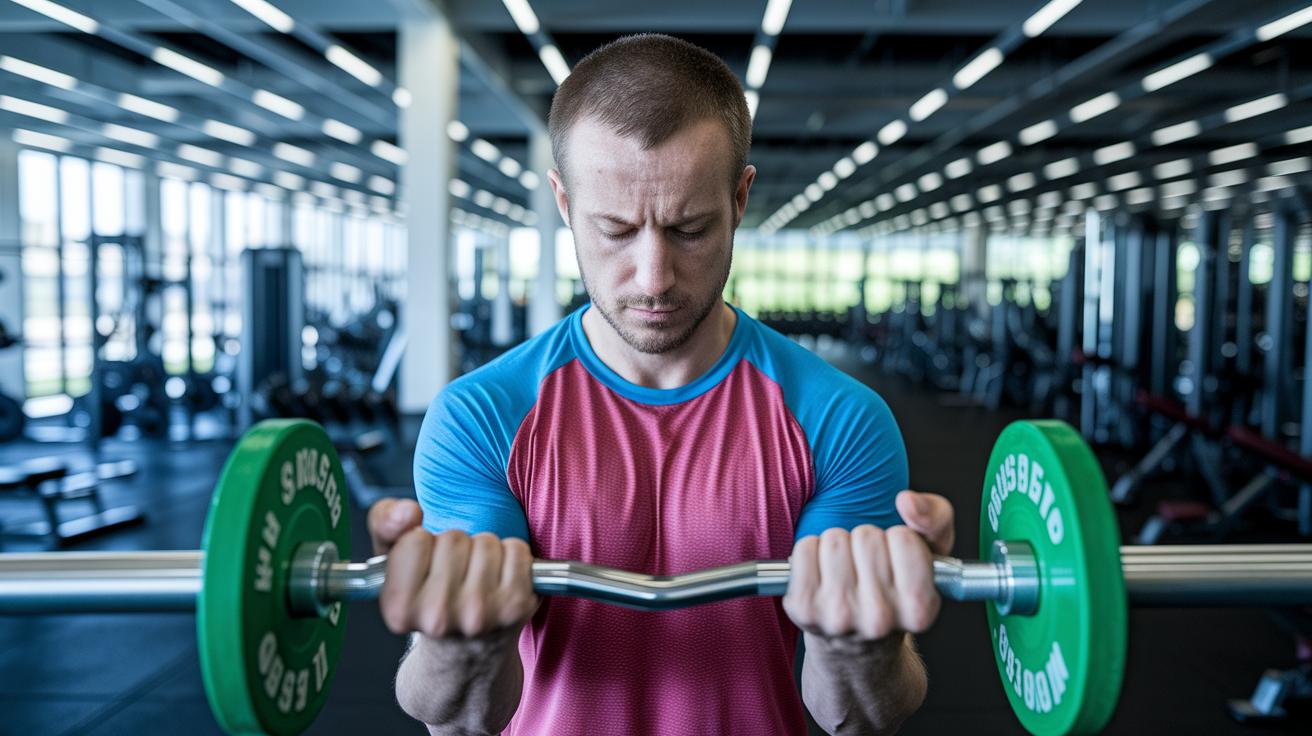
Starting with a push, pull, leg workout routine can be both enjoyable and flexible. Whether your week is super busy or you love sticking to a regular gym routine, there's a plan here for you. These sample templates show you how to split your workouts over three, four, or five days. Each option points out which muscle groups to target and gives you enough rest time so your body can recover nicely. Think of it like following a simple recipe for a great week, knowing just when to work hard and when to relax.
Sometimes planning your week can feel like mapping out a fun adventure, and each day brings a new challenge.
| Split Type | Days per Week | Sample Schedule |
|---|---|---|
| 3-Day | 3 Days | Push (Mon), Pull (Wed), Legs (Fri) |
| 4-Day | 4 Days | Push (Mon), Pull (Tue), Rest (Wed), Legs (Thu), Upper-body focus (Fri) |
| 5-Day | 5 Days | Push (Mon), Pull (Tue), Legs (Wed), Rest (Thu), Push (Fri), Pull (Sat) |
These templates help you keep a routine that feels doable yet challenging enough to make progress. Feel free to adjust them until you find what fits your daily rhythm and fitness goals. Enjoy every step of the journey as you build strength and balance!
Final Words
In the action, you saw how a clear push pull leg workout plan for beginners can simplify your training with easy-to-follow push, pull, and leg sessions. We covered key points like proper warm-ups, smart progression, and simple nutrition tips that support every rep. Stick to the structure, listen to your body, and trust the process. Every workout boosts your strength and spirit, and small steps build a stronger, balanced, and healthier life. Enjoy each session and keep moving forward!
FAQ
Where can I find a push pull legs workout routine PDF with pictures?
The push pull legs workout routine PDF provides a structured guide with clear images, explaining exercise selection and schedule so you can easily follow a balanced training plan at home or in your gym.
What push pull legs workout plans exist for beginners?
The push pull legs workout plans for beginners include 3-day, 5-day, 6-day, and even 7-day splits, with a 3-day plan often recommended to build strength steadily with proper rest between sessions.
Should a beginner adopt the push pull legs split?
The push pull legs split suits beginners by grouping exercises into push, pull, and leg movements, making workouts clear and manageable while providing enough recovery and promoting overall strength gains.
What does the 3-3-3 rule in the gym mean?
The 3-3-3 rule in the gym typically refers to performing three sets of three exercises with three minutes of rest between heavy sets, which helps structure workout intensity for a balanced routine.
Does the 6-12-25 method deliver results?
The 6-12-25 method works by using varied repetition ranges in a single session to challenge your muscles through different intensities, which can boost endurance and strength when done with proper form.
Is a 6-day push pull legs routine excessive for beginners?
A 6-day push pull legs routine might be too much initially because beginners need extra recovery time, and a 3-day split usually offers sufficient stimulus for building strength without overtaxing the body.
What benefits come from the overhead press exercise?
The overhead press builds shoulder strength by engaging the chest, triceps, and shoulder muscles, which improves upper body stability and supports proper posture during daily activities.
How do the side lateral raise and face pull boost shoulder health?
The side lateral raise targets the middle shoulder muscles while the face pull works the rear delts and upper back, both contributing to balanced shoulder strength and improved posture.
What is the role of the bent-over row and deadlift in a workout?
The bent-over row emphasizes your upper and middle back muscles, and the deadlift strengthens your entire posterior chain (back, glutes, and hamstrings), both essential for building overall strength.
How does the overhead triceps extension target the arms?
The overhead triceps extension isolates the triceps by having you extend your arm upward, helping to build arm strength and stability, which is key for pressing movements and overall upper-body function.

