
Ever feel like the weight of the day is too much and you’re constantly on the edge? It might sound too simple, but taking a minute to relax can really change things. Imagine pausing, breathing deeply, and feeling your muscles loosen as your worries start to fade.
In this post, we'll explore some easy, practical techniques that turn moments of stress into peaceful breaks. These simple exercises are a quick way to help you find calm and handle stress with ease. Have you ever noticed how one deep breath can reset your whole day?
Understanding Relaxation Exercises for Stress Management
Relaxation exercises are easy ways to help you feel calm and manage stress. These simple techniques guide you to breathe slowly and let go of tight muscles. Think of it like this: put your hand just below your belly and notice how it gently rises and falls. Breathe in, hold for a count of three, breathe out, and pause for three counts. It's a one-minute, quick stress relief trick you can do anywhere, whether you're stuck in traffic, prepping for a meeting, or even waiting at the dentist.
Sometimes, you might want to try a slightly longer routine. Start a two-minute session by counting down from 10 to 0, taking one deep, relaxing breath with each number. If you feel a little lightheaded, slow down a bit until you feel comfortable. Then, there is a three-minute exercise that invites you to check in with your body. Sit comfortably, relax your face, let your shoulders drop, and uncross your legs. As you breathe deeply, notice any areas of tension and let them go.
These calming exercises are handy tools that you can use almost anywhere to lower your heart rate and ease your mind. Imagine transforming a tense moment into one of peace with just a minute of mindful breathing. Even short moments like this can make a big difference in how you feel overall.
Deep Breathing in Relaxation Exercises for Stress Management
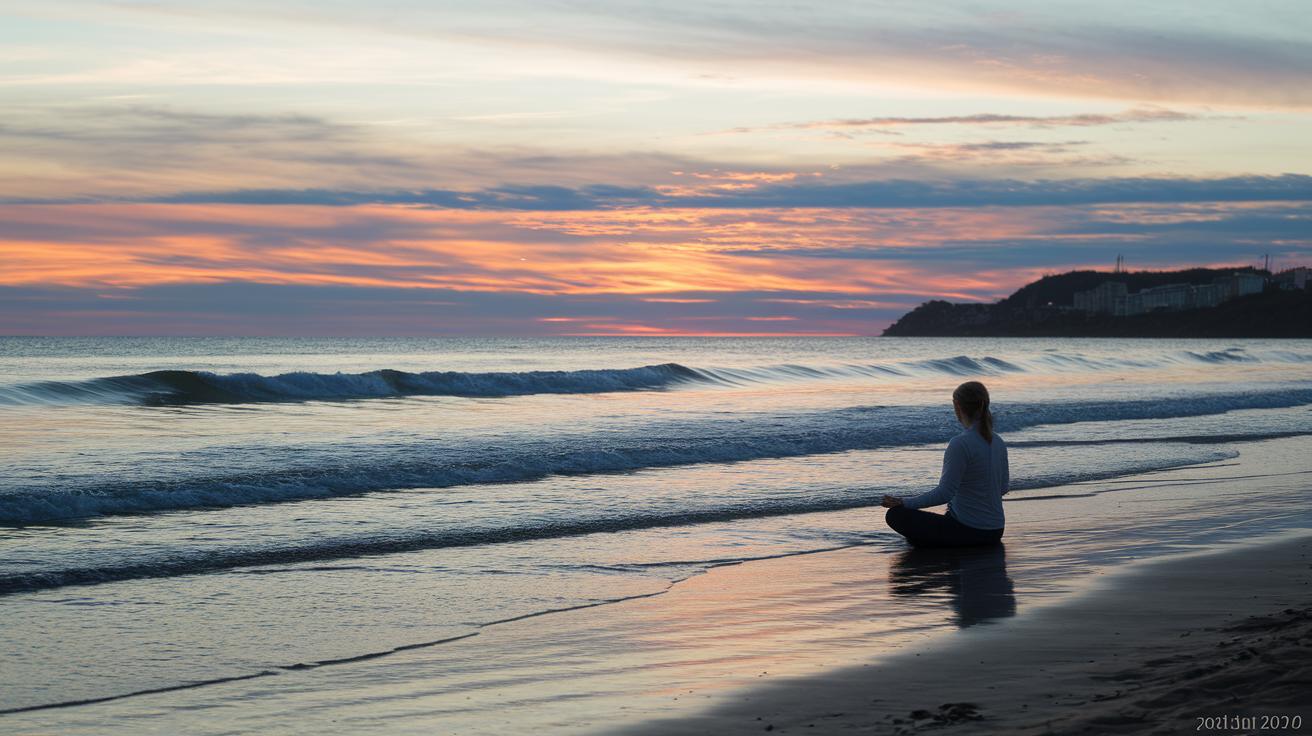
Deep breathing calms your mind and helps your body relax. Taking slow, steady breaths gives your body more oxygen, which lowers your heart rate and eases muscle tension. This extra oxygen tells your body to slow down, making you feel more relaxed.
Try pairing deep breathing with mindfulness. Close your eyes and picture a glowing sunset that gently removes the stress from your shoulders, much like watching the soft hues change in the evening sky. It’s a little like giving yourself a mini-vacation.
Another great method is progressive muscle relaxation. As you breathe slowly, focus on tightening a muscle group for a few seconds and then letting it go. One person said that mixing these breath patterns with relaxing muscles made them feel calm for the whole day.
Below are some simple techniques you can try to fit your stress levels:
| Technique | Description |
|---|---|
| Mindful Breathing | Pay close attention to each breath to help ease anxiety. |
| Progressive Muscle Relaxation | Tighten and then relax your muscles while keeping deep breaths. |
| Guided Imagery | Imagine calming scenes as you breathe to clear your mind. |
On days when stress is really high, try slowing down your breathing cycle even more. Play around with the pace until you discover what makes you feel best.
Progressive Muscle Relaxation Guidance for Stress Management
Progressive muscle relaxation is a gentle technique that helps your body let go of stress quickly. It involves snugly tensing and then slowly relaxing 16 key muscle groups. Tighten each group for about 5 to 10 seconds and then ease off over 20 seconds. Imagine squeezing your fists softly, like holding a plush ball, then gradually letting your fingers loosen until they feel carefree.
Start at your feet and work your way up. For example, begin by tensing the muscles in your toes and then completely relax them while you notice the stress melting away. Next, focus on your calves by squeezing them, hold for a moment, and then release as you enjoy the calm that follows. Continue this practice with your thighs, stomach, chest, arms, and finally your face, like giving your body a mini massage that reminds you to unwind and check in with yourself.
As you relax each muscle, you might feel a warm, soothing sensation spreading through your body. This gentle warmth is a sign that you’re letting go of built-up stress. Picture a soft wave of relief flowing over you with every release. If you need, experiment with how long you hold or relax each muscle until you feel completely comfortable. With a little practice, this simple routine can help make everyday challenges feel a lot more manageable.
Guided Imagery and Mindful Relaxation Techniques for Stress Management

Imagine a peaceful scene where your mind can take a break from everyday stress. Picture yourself sitting by a quiet lake at sunset, with soft bird chirps and gentle water sounds creating a soothing backdrop. For example, you might visualize taking a stroll on a sandy beach with warm sunlight on your skin, each step accompanied by the calming rhythm of crashing waves. These sensory details help lower anxiety by gently shifting your focus.
Mindfulness means being completely present in the moment, noticing every little sensation as you relax. As you create your peaceful picture, feel the fresh salty air or even the earthy smell after a rain shower. You can easily mix mindfulness with guided imagery for a calming meditation session. Try spending 5 to 10 minutes in a quiet, comfy space free of distractions so you can fully dive into your mental escape.
To craft your own visualization journey, begin by thinking of a place where you instantly feel at ease. Write down the vivid colors, soothing sounds, soft textures, and even familiar tastes of this favorite spot. Let these details come naturally, guiding your mind to a calm state. This easy self-soothing technique can offer a quick mental reset during tough moments.
Quick Mini-Relaxation Exercises for Stress Management (1-, 2-, and 3-Minute Routines)
One-Minute Relaxation
Rest your hand right under your belly button. Take a slow, deep breath, count quietly to three, then exhale and hold for another count of three. Imagine your tummy rising and falling like gentle waves on a calm sea. If your stress spikes during a busy moment, try closing your eyes and softly tapping your belly with each exhale to help clear your mind. For example, you might feel, "Each breath eases my tension as I tap gently, centering my thoughts."
Two-Minute Relaxation
Start by counting down from 10 to 0. With each number, take a full, deep breath. Visualize every count as a small step that helps melt away stress and shifts your focus to relaxing. If you ever feel a bit lightheaded, simply slow your pace and let your breathing settle into its own rhythm. Picture yourself stepping away from a busy scene with every count. For instance, you might think, "Every breath feels like a step toward calm, clearing my mind with each number."
Three-Minute Relaxation
Sit in a comfy spot and start a full-body check. Begin with a gentle smile on your face, let your shoulders drop, and uncross your legs. Allow your arms and legs to relax while you keep your breathing slow and steady. As you settle in, try gently tensing and then releasing different muscle groups – start from your feet and work your way up. This little routine not only lets go of the tension but also gives you a mindful moment with your body. You might notice, "With each relaxed exhale, I let go of stress from my legs, then my arms, feeling complete ease."
Creating Daily Relaxation Habits for Stress Management
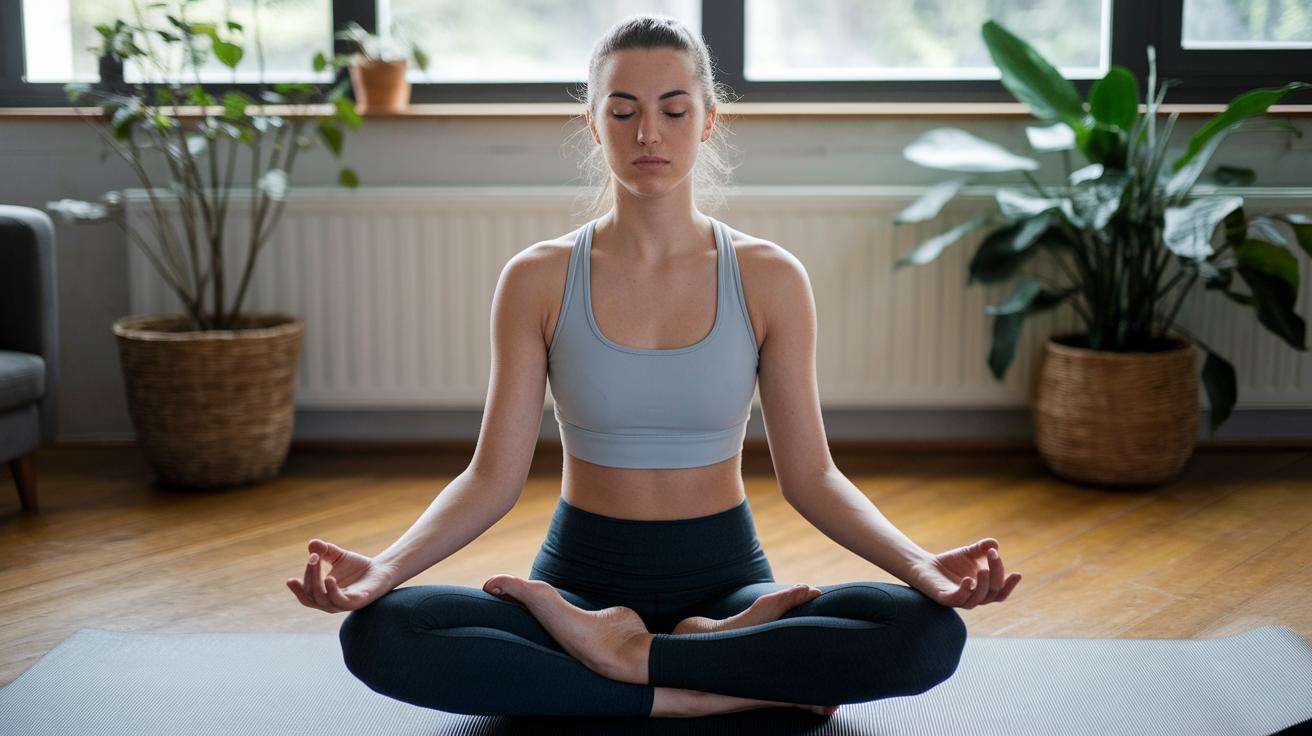
Start each day by weaving in simple relaxation techniques to help manage stress. Think of it like having little calm moments built right into your schedule.
Try this daily guide: During work, take short breathing breaks. Just pause and take a few slow, deep breaths to clear your mind. In the evening, use guided imagery (a way to picture calming scenes in your mind) to get ready for sleep. Around mid-afternoon, do a quick check for muscle tension, this builds on the gentle muscle relaxation exercises you learned already.
Remember to set small reminders during busy moments, so you can stop and enjoy a few moments of calm. And don’t forget a few mindful breaths combined with light stretching each morning. It’s a great way to blend relaxation into your everyday routine.
Comparing Relaxation Exercises: A Quick Reference Table for Stress Management
Let’s take a moment to look at some simple ways to relax your body and mind. These techniques help you pause during a busy day, like taking a refreshing sip of water on a warm day.
Deep breathing is great for moments when you need a quick reset. In just 1 to 5 minutes, you focus on slow, mindful breaths that lower your heart rate and make you feel more balanced.
Then there’s progressive muscle relaxation. This one invites you to gently tense and release your muscles for 10 to 20 minutes. It feels like letting go of all the tightness, leaving you with a light, comfortable body.
Guided imagery is like taking a mini-vacation in your mind. Spend 5 to 10 minutes imagining a peaceful scene, and you’ll notice your focus shifting away from stress to a place of calm.
And if you’re in a rush, mini-relaxation techniques can help right away. In just 1 to 3 minutes, you get a burst of calm that’s perfect for a quick break.
| Technique | Duration | Key Benefit |
|---|---|---|
| Deep Breathing | 1–5 minutes | Lowers heart rate |
| Progressive Muscle Relaxation | 10–20 minutes | Releases muscle tension |
| Guided Imagery | 5–10 minutes | Shifts mental focus |
| Mini-Relaxation | 1–3 minutes | Quick stress relief |
Final Words
In the action, we explored how simple techniques like deep breathing, muscle release, and guided imagery can ease daily stress. Each section offered clear steps to help you use mini relaxation routines even in a tight schedule. By integrating these relaxation exercises for stress management into your day, you can lower tension and feel more at ease. Every small pause is a step toward a calmer, more balanced life, making it easier to face challenges with a smile. Keep trying these practical methods and enjoy each moment of calm.
FAQ
Q: What are effective relaxation techniques for stress and anxiety?
A: The effective relaxation techniques for stress and anxiety include deep breathing, progressive muscle relaxation, guided imagery, and quick mini-relaxation routines. They help lower heart rate and clear racing thoughts.
Q: How do you relax the mind from stress using quick methods?
A: The approach to relax the mind from stress involves quick techniques like a one-minute deep breathing exercise or a two-minute countdown breath. These methods quickly shift your focus and ease mental tension.
Q: What role do relaxation techniques play in psychology and physiotherapy?
A: The role of relaxation techniques in psychology and physiotherapy is to reduce tension and ease discomfort. Techniques like guided imagery and muscle relaxation help calm the body and promote a sense of well-being.
Q: What exercises reduce stress and help with relaxation?
A: The exercises that reduce stress and aid relaxation range from deep breathing and progressive muscle relaxation to guided imagery and mini relaxation routines. These exercises lower physical tension and smooth anxious thoughts.
Q: What are the five R’s of stress management and how do they regulate stress?
A: The five R’s of stress management involve recognizing stressors, releasing tension consciously, relaxing steadily, refocusing energy, and restoring balance. These steps combine with targeted techniques to regulate and lower stress effectively.

