
Do you ever notice your heart pounding and feel overwhelmed by worries? Try pausing for a few slow, deep breaths. Deep breathing is a simple trick (a method using careful breathing) that helps ease anxiety (a feeling of nervousness). By focusing on each slow, steady breath, you gently tell your body to relax, almost like enjoying the cool breeze during an early morning walk. Whether you're at home or out and about, these easy steps work fast to lower stress and clear your mind. Have you ever felt that gentle calm after a few deep breaths? Let's dive into how this simple practice can bring you the peace you need.
Core Deep Breathing Exercise for Rapid Anxiety Relief
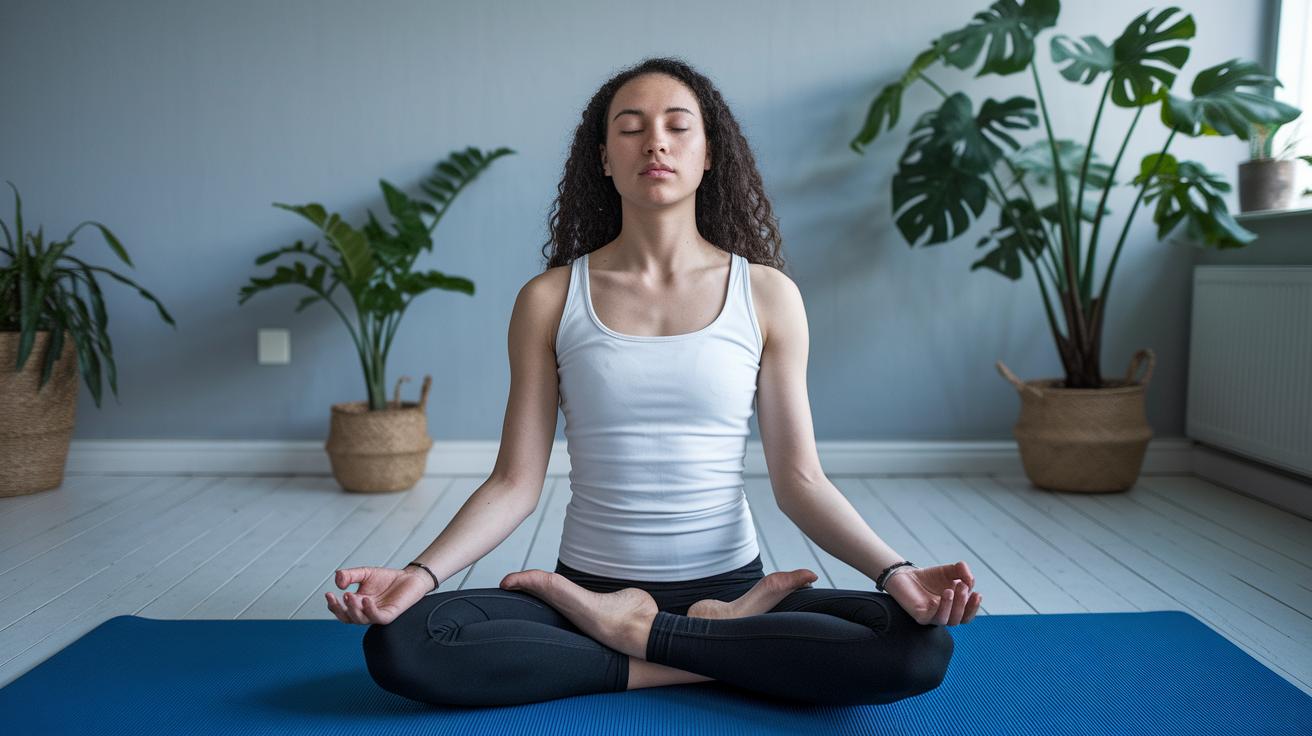
Ever feel your heart race and your mind buzz with worry? Activating your parasympathetic nervous system (the part of your body that helps calm you down) can work wonders to soothe that anxious feeling. It gently reduces stress hormones and nudges you into a relaxed state. One handy method is the 4-7-8 technique, which lowers your heart rate, eases blood pressure, and helps keep your carbon dioxide levels balanced. It's super simple to do, no matter where you are when anxiety hits.
- Breathe in quietly through your nose for 4 seconds.
- Hold that breath for 7 seconds.
- Exhale completely through your mouth for 8 seconds.
- Repeat the cycle a few times until you feel the calm settle in.
Another great trick is belly breathing, which boosts the calming benefits even more. Try these steps for diaphragmatic breathing:
- Place one hand gently on your belly.
- Inhale slowly and deeply through your nose, feeling your stomach rise like a gentle wave.
- Focus on filling your lower lungs rather than just your chest.
- Exhale steadily, noticing how your belly lowers.
- Repeat for several breaths until you find a soothing rhythm.
These techniques work hand-in-hand to stimulate your vagus nerve (the nerve that sends calm signals all around your body). With longer exhalations, you'll not only see improvements in how your heart handles stress but also balance your breathing, especially if you tend to breathe fast or shallowly. Combining the 4-7-8 method with mindful belly breathing taps into your body’s natural ability to ease anxiety and build long-term resilience. Isn't it amazing how a few deep breaths can make all the difference?
Key Deep Breathing Exercises to Manage Anxiety
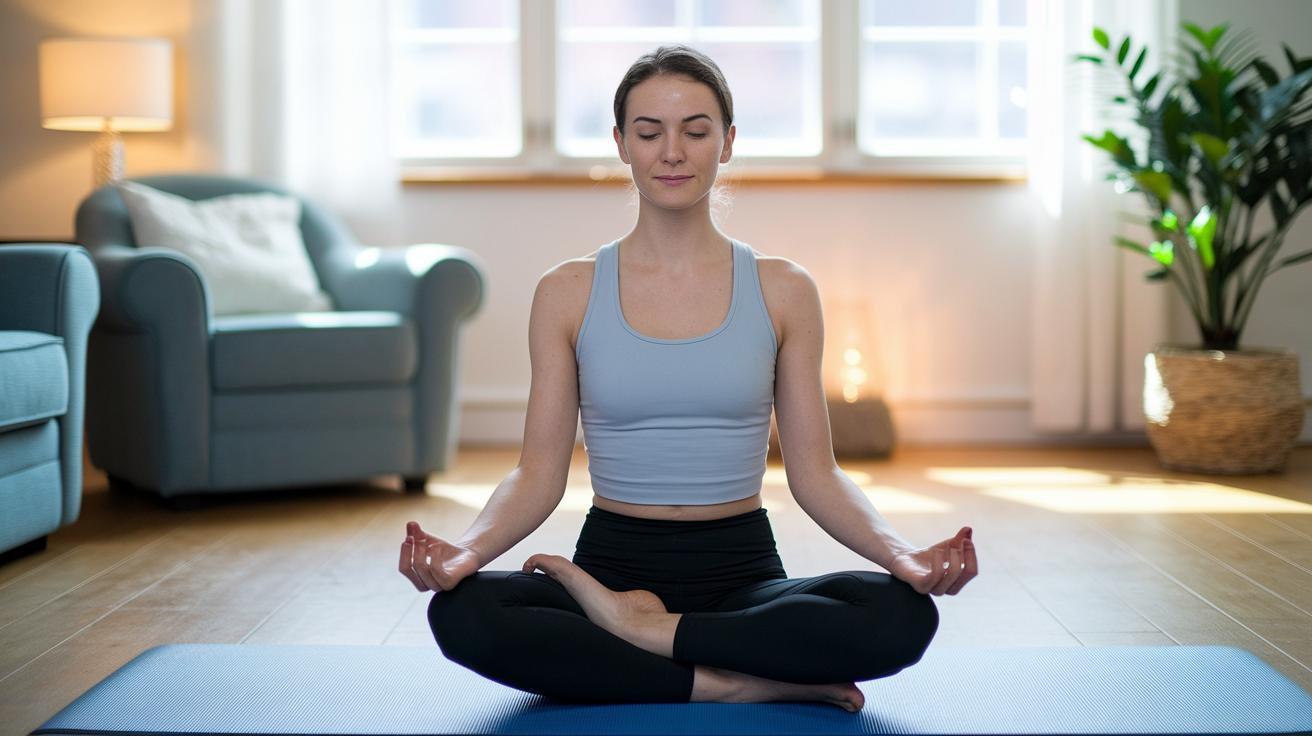
Deep breathing techniques can help move your body from feeling stressed and on high alert to a calm, relaxed state. They work by slowing down your breath and switching on your rest system (the part of your body that helps you chill out). Each method lays out a unique pattern for breathing in, holding, and breathing out, so you can easily find the rhythm that feels right for you. Picture yourself taking a slow, deep breath that fills you with calm, almost like a gentle tide smoothing out the rough edges of your day. For example, with the 4-7-8 method, you might quietly say, "I breathe in calm, hold peace, and let go stress," which helps center your thoughts and soothes your whole body.
| Technique | Inhale (sec) | Hold (sec) | Exhale (sec) | Main Benefit |
|---|---|---|---|---|
| Diaphragmatic | Varies | – | Varies | Vagus-nerve activation |
| 4-7-8 | 4 | 7 | 8 | Rapid relaxation |
| Box Breathing | 4 | 4 | 4 | Balanced rhythm |
| 3-3-3 | 3 | 3 | 3 | Quick calm drill |
| Resonant | ~6 | – | ~6 | Stress-hormone reduction |
| Extended Exhale | 4 | – | 6+ | Enhanced HRV |
Each breathing method taps into your body’s natural way to relax. When you try diaphragmatic breathing, it encourages your vagus nerve (a nerve that helps calm your heart rate) to lower your heart rate and blood pressure. At the same time, practices like 4-7-8 and box breathing slow your breath and set up a steady rhythm that eases anxiety. Try experimenting with these techniques and see which one works best for you during those stressful moments.
Variations of Breathwork: Advanced Deep Breathing Methods
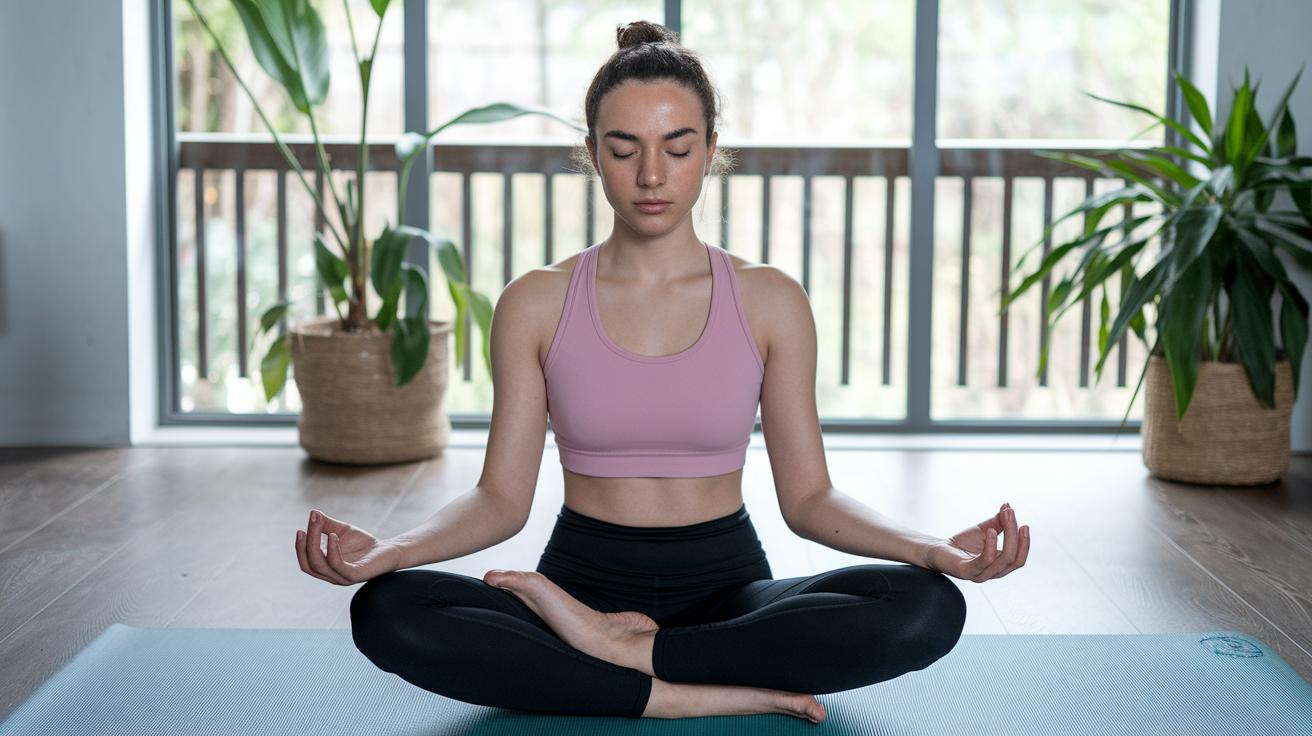
Alternate Nostril Breathing
Alternate Nostril Breathing is a gentle yogic method that helps balance the energy between the two sides of your brain. You simply close one nostril, take a slow, deep breath in through the other, and then switch to exhale. It’s like syncing with a calming pulse, similar to the rhythmic ebb and flow of a soft tide. This method is a great way to center your thoughts during meditation, reminding you to slow down and feel the change with every breath.
Lion’s Breath
Lion’s Breath is a fun, bold technique that lets you release built-up tension in your face and chest. Start by taking a deep breath through your nose, then exhale forcefully through your mouth while playfully sticking out your tongue. This spirited method not only lightens your mood, but also helps clear away stress. Ever feel like you need a quick reset? This one might just do the trick with its theatrical flair.
Pursed-Lip Breathing
Pursed-Lip Breathing is a simple way to steady your breath when you’re feeling short of air. Begin with a quiet inhale through your nose, then slowly exhale through gently pursed lips. This technique improves the pressure in your airways while keeping your focus on a smooth and controlled breathing pattern. It can be very comforting during moments of stress, almost like giving your lungs a little extra time to relax.
Teddy Bear Breathing
Teddy Bear Breathing encourages you to get cozy, imagine hugging your knees, relaxing your shoulders, and breathing slowly into your belly. This playful approach helps you use your diaphragm (the muscle that helps with deep breathing) fully, promoting a grounded and comforting feeling. It’s perfect for those times when life feels a bit overwhelming and you need a simple way to find stability and warmth.
Daily Integration of Deep Breathing for Anxiety Control
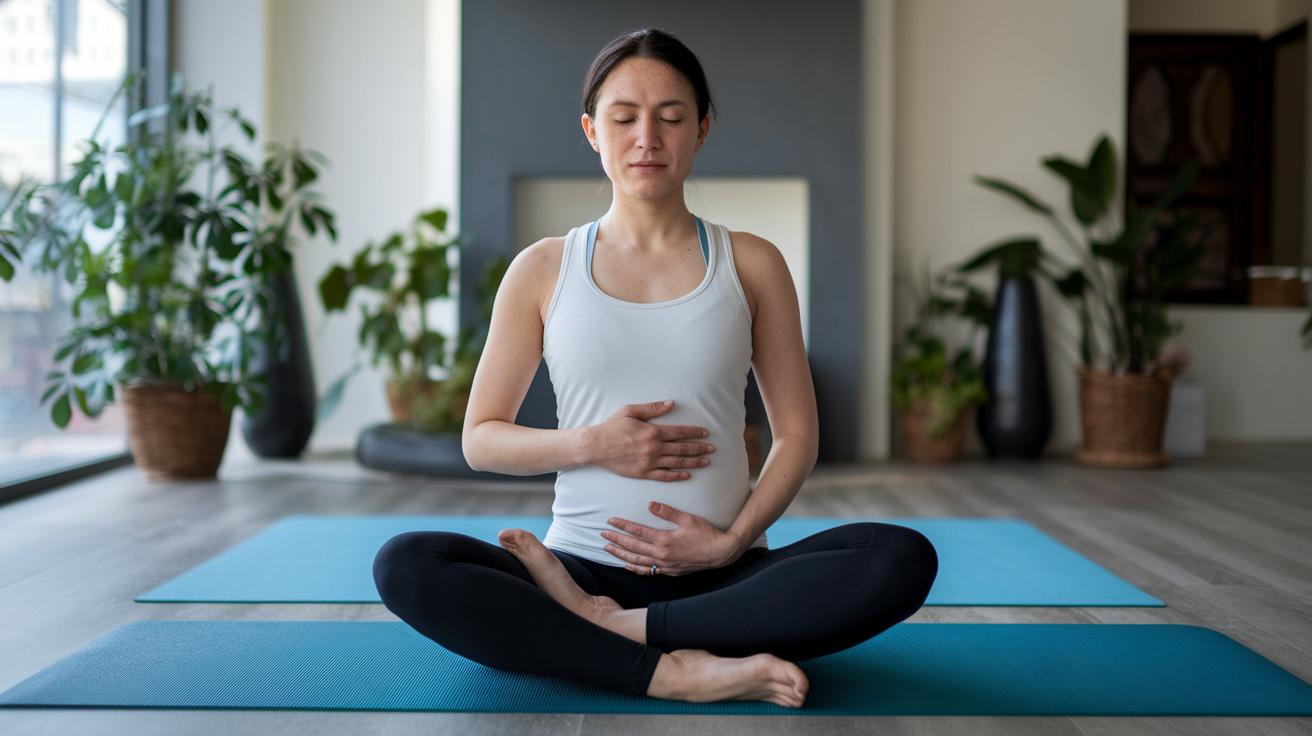
When stress starts to pile up, try a little trick that works for everyone. Pause what you’re doing and take three slow belly breaths. Place your hand gently on your tummy and breathe in through your nose, feeling your belly rise like a soft, rolling wave. Then, exhale slowly and notice how your stomach falls. This simple pause helps stop your body’s fight or flight response (that rush of energy you feel when stressed) and gives you a chance to feel a bit more in control. Have you ever found that taking a quick break helps clear your mind? Give these three breaths a try next time you feel overwhelmed.
Next, consider adding this breathing routine to your daily life. Set aside just five minutes in the morning and another five in the evening. These little sessions can build your strength against stress over time. Some people even like to set hourly reminders on their phone as a friendly nudge to pause and breathe deeply throughout the day. By making these short moments of calm a regular habit, you’re giving both your mind and body a gentle boost toward balance and well-being.
Safety and Best Practices for Deep Breathing Techniques
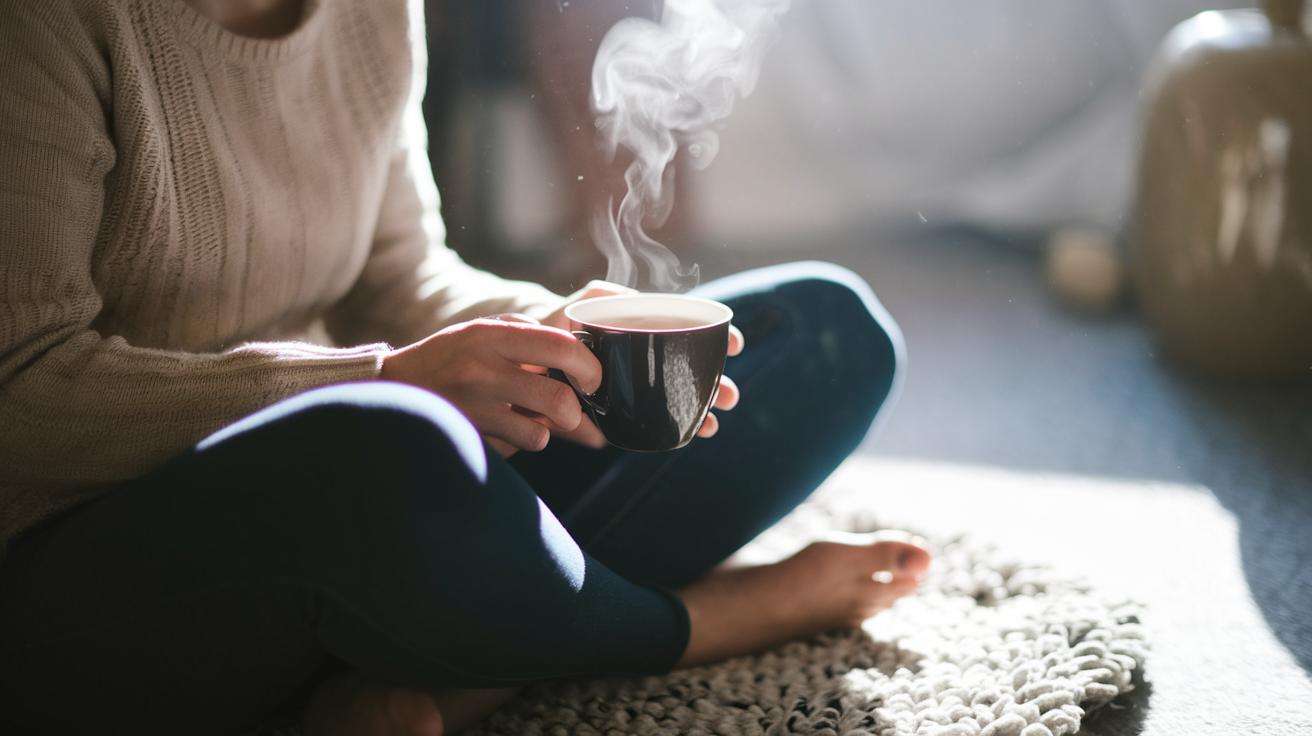
When you’re starting out with deep breathing, try sitting or lying down in a cozy spot where you can truly relax. This helps your body unwind as you focus on each breath, much like enjoying a quiet moment with a warm cup of tea. I’d suggest beginning with about 3 full breaths per minute, a slow pace that eases you into the practice without overwhelming your body.
Always listen to what your body is telling you. If you ever feel dizzy or a bit lightheaded, take a pause immediately. It’s okay to step back if things feel off. Setting aside 5 to 10 minutes a day for these exercises can help you gradually build up a steady, calming routine.
And remember, there’s no need to force deep breaths. Gentle and controlled inhales and exhales work wonders without putting unnecessary strain on you. If your breathing ever feels too deep or rushed, slow it down and check in with yourself. Experiment a little until you find a rhythm that feels just right.
Final Words
In the action, the article showed how easy it can be to calm your mind using guided breathing techniques. The blog post explained core deep breathing exercises, detailed step-by-step instructions for the 4-7-8 and diaphragmatic methods, and even offered playful alternatives like alternate nostril breathing and lion’s breath. It also touched on how to fit these practices into daily routines safely. Keep practicing deep breathing for anxiety to feel more centered and positive every day.
FAQ
How do deep breathing for anxiety YouTube videos help with relaxation?
Deep breathing for anxiety YouTube videos show proper techniques that calm the body by guiding you through mindful breath control steps, which help lower your heart rate and ease anxious feelings.
How does deep breathing work; can it make anxiety worse?
Deep breathing works by slowing your breath and calming the mind. It rarely worsens anxiety and instead helps you shift from a stressed state to one of calm by engaging your relaxation response.
What does the anxiety breathing 4-7-8 technique do?
The anxiety breathing 4-7-8 technique guides you to inhale for 4 seconds, hold for 7 seconds, and exhale for 8 seconds. This pattern helps reduce tension by promoting a calm, relaxed state.
How can breathing exercises help during an anxiety attack?
Breathing exercises during an anxiety attack focus your attention on slow, deliberate breaths, which help lower your heart rate and shift your state from panic to gentle calm.
What are CBT breathing techniques for anxiety?
CBT breathing techniques for anxiety combine slow, measured breaths with mindful thoughts. They help you remain present, easing negative thoughts while promoting a sense of calm.
What is available in a breathing exercises for anxiety PDF?
A breathing exercises for anxiety PDF usually offers step-by-step guidelines and visual cues to help you practice different techniques, making it a useful resource to calm your thoughts at any time.
Can deep breathing get rid of anxiety?
Deep breathing can reduce anxiety symptoms by activating your body’s calming response. While it might not eliminate anxiety completely, it offers quick and practical stress relief when you need it most.
What is the 5 5 5 method for anxiety?
The 5 5 5 method for anxiety involves breathing in for 5 seconds, pausing for 5 seconds, and breathing out for 5 seconds. This simple cycle helps reset your breathing rhythm and ease stress.
How long should you deep breathe to help manage anxiety?
Deep breathing for anxiety is effective when practiced for 3 to 10 minutes per session. Regular short sessions help build a calming routine that can lower overall stress levels.

