
Ever wonder if magnesium might be the little boost you need to chill out? Research shows that people low on magnesium often feel more stressed. It also helps ease tight muscles and soothes your mind, much like hitting a reset button that calms your body.
Magnesium works gently by lowering your stress levels and balancing important hormones (chemical messengers that help control our body functions). It could be that simple, natural helper your body needs to find calm each day.
Imagine finishing a tough day feeling lighter and more at ease. Read on to see how adding magnesium to your routine might help make your everyday moments a bit more peaceful.
Magnesium for Anxiety: Mechanisms of Action
Magnesium is like a secret helper that keeps our stress hormones in check. It works on the HPA axis (this is the part of your body that handles stress, kind of like an internal stress manager) by controlling cortisol levels. When cortisol is balanced, you might notice a lightness, as if a heavy burden has been lifted.
Did you know that studies show people with lower magnesium levels often have higher cortisol? This imbalance can lead to increased anxiety.
Magnesium also plays a big part in keeping the brain’s chemical messengers balanced and relaxing your muscles. Think of it as a gentle switch that helps turn off stress, so that by the end of a long day, you can feel that soothing relief in your muscles.
Clinical research backs these benefits up, using tools like the Hamilton Anxiety Rating Scale (a test that measures feelings of anxiety) and the Pittsburgh Sleep Quality Index (a measure of how well you sleep). People with low magnesium often see a noticeable improvement in anxiety and sleep quality when they include more magnesium in their routine.
So, if you’re looking for a natural way to calm your mind and relax your body, magnesium might just be the friend you need on your journey to a more balanced, peaceful life.
Best Forms of Magnesium for Anxiety Relief
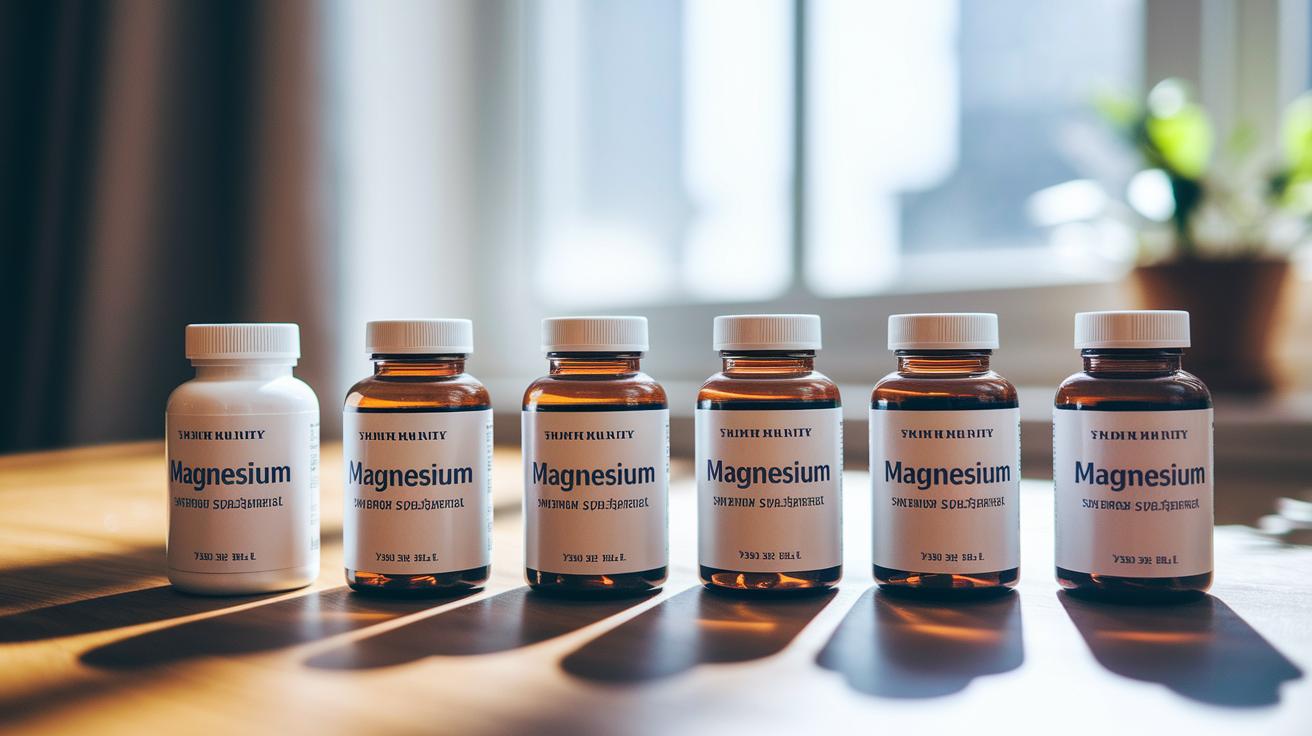
Magnesium supplements come in many types, and each one is made a little differently to help you feel calm and clear-minded. Picking the right kind can really help if you're dealing with anxiety. Let's take a closer look at four common types and see how they work.
Magnesium Glycinate mixes magnesium with glycine (a calming amino acid) to help support a good night’s sleep and overall relaxation. Many find it very gentle on the stomach, so it’s a favorite for easing into a supplement routine. Have you ever noticed how a good night’s sleep can turn your day around?
Magnesium Citrate is known for being easily absorbed by the body, which means it works fast. Some people might experience a slight tummy reaction, so starting with a smaller dose could be a good idea. It’s like getting a quick nudge of calm, even if your body might need a little adjustment early on.
Magnesium L-Threonate is special because it can pass through the blood-brain barrier (a sort of filter that protects your brain), which may boost brain function and mood. It can be a bit pricier and might require taking more capsules, but many appreciate its focused support for mental sharpness. It’s like giving your brain a little extra care when you need it most.
Magnesium Taurate teams up magnesium with taurine (an amino acid that helps with blood pressure support) to give your nervous system a gentle boost. Its soothing effects make it an appealing option for managing stress. Imagine feeling a wave of calm while also taking care of your heart, that’s the charm of magnesium taurate.
| Form | Absorption Rate | Key Benefits | Typical Dose |
|---|---|---|---|
| Magnesium Glycinate | High | Helps with sleep and is gentle on the stomach | 200–400 mg daily |
| Magnesium Citrate | Good | Quick absorption but may cause mild digestive effects | 150–300 mg daily |
| Magnesium L-Threonate | Moderate-High | Boosts brain health and plasticity | 144–200 mg daily |
| Magnesium Taurate | Moderate | Supports the nervous system and helps blood pressure | 200–400 mg daily |
Magnesium Dosage Guidelines for Anxiety Management
When you decide to take magnesium for anxiety, the amount you choose can depend on your age, your current magnesium levels, and your overall health. Some folks might need a bit more, especially if they’re dealing with mood changes or naturally low magnesium levels. There isn’t one perfect dose for everyone. Even though the FDA advises an upper limit of about 350 mg of elemental magnesium each day, it's a good idea to chat with your doctor to figure out what works best for you and to avoid side effects like loose stools.
- Glycinate: 200–400 mg elemental taken at night
- Citrate: 150–300 mg elemental split into doses during the day
- L-Threonate: 144–200 mg elemental divided into doses over the day
Think of it like planning your daily routine. For example, a larger dose of magnesium glycinate before bedtime might help you drift off into a peaceful sleep. On the other hand, taking magnesium citrate in smaller doses spread throughout the day can help keep your levels steady. And with magnesium L-Threonate, breaking the dose up over time can help your body absorb it smoothly, which is great for your brain health. This way, you may find that adjusting when you take your magnesium could ease your anxiety in the evening or improve your sleep without upsetting your tummy.
Recognizing Magnesium Deficiency in Anxiety Disorders

Sometimes, if you’re feeling extra anxious, it might be because your body is low on magnesium. Magnesium is a mineral found in foods like leafy greens, nuts, and whole grains. When you skip out on these, your body might miss out on the magnesium it needs, which can leave you feeling tired, give you muscle cramps, or even make it hard to sleep.
Imagine trying to relax when your muscles are cramping and your mind is racing, low magnesium can make stress feel even heavier. Factors like a hectic lifestyle and not eating enough good foods can push your magnesium levels down. Doctors often spot this problem by asking for a simple blood test that shows your magnesium levels. They also keep an eye on signs such as muscle spasms or tossing and turning at night.
Once low magnesium is identified, a little help in the form of supplements might make a big difference. Boosting your magnesium can sometimes ease those unsettling anxiety symptoms and help your body feel balanced again.
Safety and Side Effects of Magnesium for Anxiety
When you add magnesium to your routine to help ease anxiety, you might notice that you head to the bathroom a bit more often. This happens because magnesium draws water into your intestines, which can sometimes lead to looser stools or a slight stomach upset. It all depends on the dose, the more you take, the more you might feel these effects.
Different forms of magnesium can make a big difference. For example, magnesium glycinate (this means the magnesium is attached to amino acids, which helps it be kinder on your tummy) is often easier to digest. On the flip side, non-chelated forms can sometimes cause more of these digestion issues, especially if you take a large amount.
Most of the time, sticking to the recommended dosage keeps you safe. Yet, if you go over those amounts, you might experience persistent diarrhea, dehydration, or even a feeling of weakness. If these symptoms keep showing up or you start to feel really uncomfortable, it’s a good idea to chat with a doctor or healthcare provider.
Since every body is different, getting personalized advice from a healthcare professional can really help. That way, you can support your anxiety relief without any unwanted side effects, and feel confident that you’re taking care of yourself in the best way possible.
magnesium for anxiety: Calm Relief Naturally
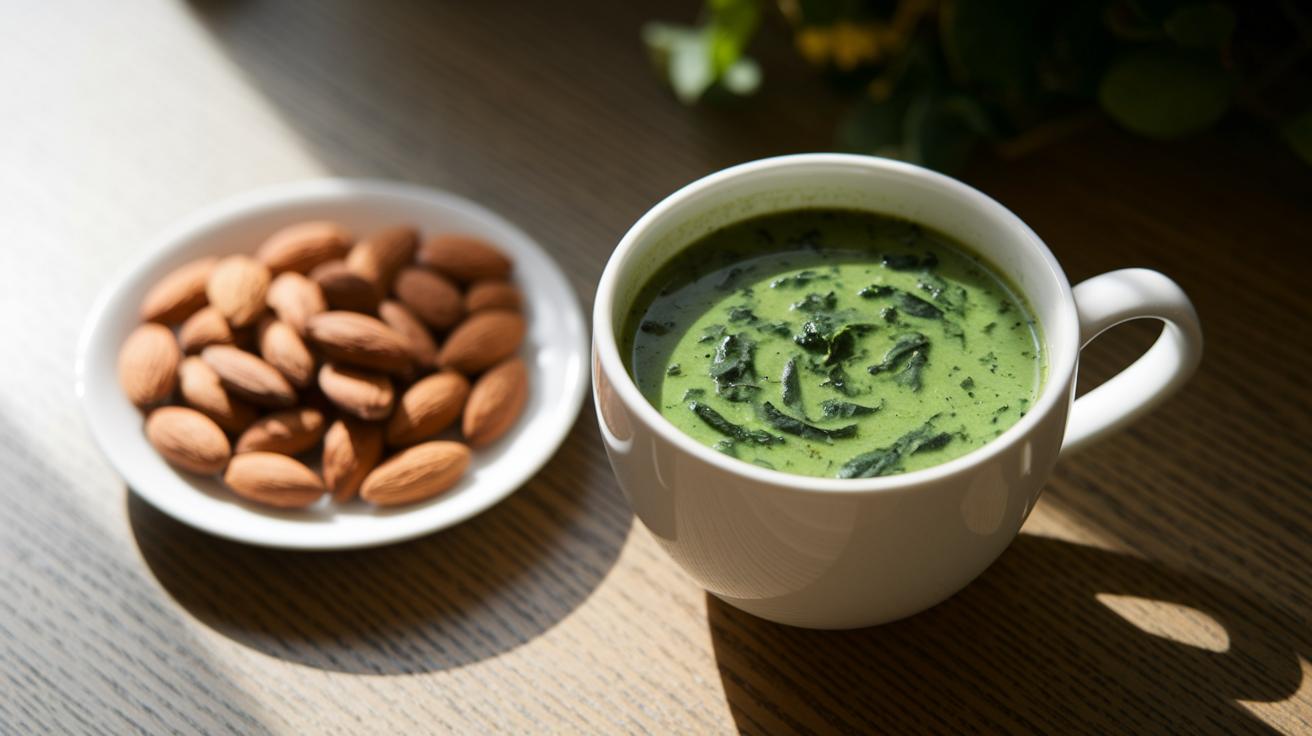
Whole foods don’t just give you magnesium; they come with a whole pack of extra helpers that make it easier for your body to use the nutrient and keep your mood steady. Imagine munching on a handful of almonds (each ounce gives you about 80 mg of magnesium) or enjoying a warm cup of spinach (about 157 mg) – these foods not only supply magnesium but also offer other key nutrients that work together to soothe your mind. Legumes, for instance, deliver roughly 120 mg per half-cup, and treats like yogurt (30 mg in an 8 oz serving) or a creamy avocado (about 58 mg) make eating healthy both tasty and beneficial.
Sometimes, you might find that your meals don’t cover all your magnesium needs, especially when you’re feeling extra stressed or busy. In those moments, a good supplement can help fill the gap. Pairing a balanced, nutrient-rich diet with a smart magnesium supplement supports your mental well-being. It ensures your body gets a steady flow of this important mineral, which can help ease anxiety naturally.
magnesium for anxiety: Calm Relief Naturally
Taking magnesium with helpful nutrients like B6 and vitamin D3 helps your body use this soothing mineral better. When you mix these elements into your daily routine, it's like setting up the perfect scene for your body to absorb magnesium more easily. For example, if you take your supplement with vitamin D3 in the morning or around midday, you might notice a brighter mood and a burst of energy. And when you pair a nighttime dose with B6, it can help you wind down, making it easier to relax before bed. This little tweak in timing can fit right into your self-care routine, keeping your nutrient levels balanced and creating a smooth path to calm.
Combining magnesium supplements with simple practices like mindfulness, deep breathing, and regular movement forms a well-rounded approach to easing anxiety. Imagine setting aside a couple of minutes each morning or evening to pause and breathe deeply right after taking your supplement. These small habits work hand in hand, lifting both your mental and physical well-being. For more ideas on blending treatments into everyday life, you might want to explore this comprehensive mental wellness guide to see how different strategies can work together to empower both your body and mind.
Final Words
In the action, we explored how magnesium keeps your body relaxed by balancing stress hormones and easing muscle tension. We broke down different forms and safe dosage tips to help you choose what fits best. We also compared natural food sources with supplements and highlighted pairing magnesium with mindfulness practices. This guide serves as a friendly reminder that small changes, like adding magnesium for anxiety, can make a real difference in achieving a balanced and healthy lifestyle. Enjoy feeling better every day!
FAQ
What is Magnesium Glycinate?
Magnesium glycinate is a form of magnesium bonded with glycine, making it gentle on your stomach while promoting calm and better sleep. It’s often favored for easing anxiety symptoms.
What is the best magnesium for anxiety and depression?
The best magnesium for anxiety often includes types like glycinate and L-threonate since they help soothe nerves and support brain function, addressing both mood and stress naturally.
How is magnesium for anxiety viewed on Reddit?
Reddit discussions show that many users report positive experiences with magnesium for easing anxiety and improving sleep, noting that individual responses may vary with personal reviews.
How long does it take for magnesium to work for anxiety?
The time magnesium takes to reduce anxiety can range from a few days to several weeks depending on your baseline levels and consistency with the supplement.
Which magnesium type is good for anxiety?
Effective types for anxiety include magnesium glycinate, L-threonate, and taurate; they help relax nerves and muscles by balancing neurotransmitters and supporting brain health.
What helps reduce anxiety naturally?
Natural anxiety relief can come from approaches like sufficient magnesium intake, regular exercise, mindfulness practices, and a balanced diet that provides essential nutrients for overall calm.
Is anxiety linked to magnesium deficiency?
Low magnesium levels have been linked to anxiety because this mineral supports nerve function and muscle relaxation. Restoring proper levels may help improve mood balance.
Is Ashwagandha better than magnesium for anxiety?
Ashwagandha and magnesium offer distinct benefits—Ashwagandha aids stress hormone balance while magnesium supports nerve and muscle function—so using both may provide complementary relief.
When is the best time to take magnesium for anxiety?
Taking magnesium in the evening or before bed is often best, as it can enhance sleep quality and promote relaxation, helping to ease anxiety overnight.

