
Ever have one of those days when your thoughts zoom by and your heart just keeps racing? It can feel like stress sneaks up on you when you least expect it, leaving you feeling all tangled up inside.
When that happens, try a few simple tricks. Take some deep, mindful breaths (slow, full breaths that help calm your body) or step outside for a short walk where you can hear the chirping birds and feel the cool breeze. Even spending a moment with a friendly pet, maybe petting your dog or cat, can bring a little calm into your busy day.
It’s amazing how just a few deep breaths or a quiet moment can help melt the tension away. These little pauses remind you that peace is never far off; it’s just waiting for you in the midst of a hectic day. So, why not give it a try and let a bit of calm fill your life again?
Immediate Stress Management Techniques for Anxiety Relief
-
Box and diaphragmatic breathing
Try a simple exercise called box breathing. Inhale slowly for 4 seconds, hold your breath for 4 seconds, exhale for another 4 seconds, and hold again for 4 seconds. This routine, along with diaphragmatic breathing (breathe deeply into your belly with a gentle hand placement), helps signal your body to relax. Picture your hand rising gently as you fill up a big balloon, it’s a calming way to center your thoughts. -
Pomodoro Technique
Give the Pomodoro method a try. Work on your task for 25 minutes, then take a relaxed 5-minute break. These short intervals help keep your energy steady, much like taking a quick rest during a fun workout routine. -
Nature Break
Step outside for around 10 minutes. Even a brief walk in the fresh air can boost your mood and ease tension. Imagine the refreshing breeze and the soft sounds of nature, you might be surprised at how much lighter you feel. -
Cuddle with Your Pet
Spend a moment with your furry friend. A quick cuddle can boost oxytocin (a feel-good hormone) and melt away stress almost instantly. It’s a warm reminder that gentle connection can brighten even the toughest day. -
Gratitude Journaling
Take about 5 minutes to jot down things you’re thankful for. This small practice can shift your focus from anxiety to the positive moments in your day, lighting up your spirit like the first rays of sunshine in the morning.
Mindfulness-Based Stress Management Techniques for Anxiety
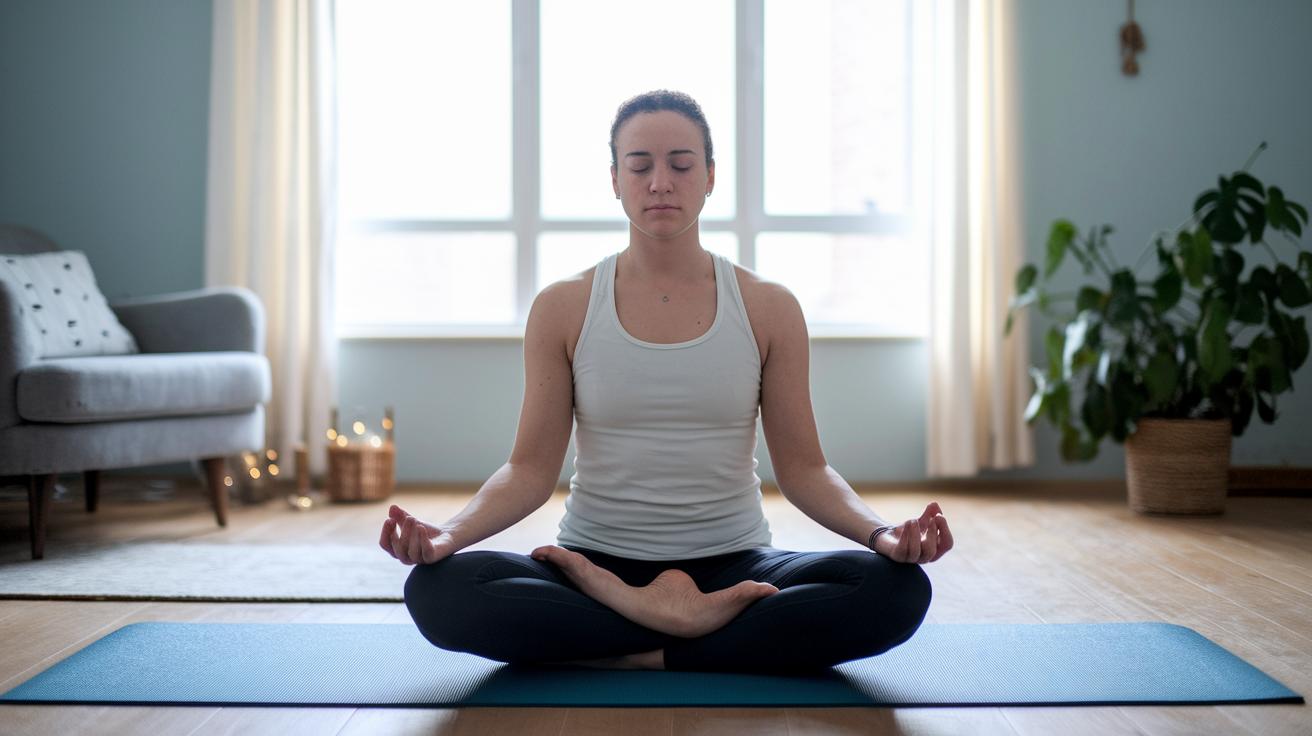
Mindfulness meditation (a practice of calmly focusing your mind) can help quiet a busy brain and bring a steady calm. All you do is sit down for about 5 to 10 minutes and really notice your breathing, feel the gentle rise and fall of your chest, almost as if you’re whispering to yourself, “I am here now.”
Another easy practice to try is the body scan. Slowly shift your focus from the top of your head down to your toes. As you do this, picture a warm sensation in your shoulders and let each muscle relax bit by bit. You might even think, “I feel the tension melting away,” as you pay attention to each part of your body.
Mindful walking meditation is a wonderful way to stay present while on the move. With every step, feel the contact of your feet on the ground, the cool air brushing your skin, and the natural sounds all around you. It’s all about keeping your mind in the here and now and letting go of distractions.
These practices, whether guided by an app or done on your own, are great tools for keeping your emotions balanced. They teach you to notice your feelings without judging them, which can really lower stress levels. With regular practice, even moments of anxiety can turn into chances to experience calm and true presence.
Deep Breathing and Relaxation Techniques for Anxiety Management
If you’re feeling anxious, try this simple deep breathing routine. Inhale slowly for a count of four, hold for four, exhale for four, and then pause for another four. This gentle rhythm quickly helps calm your mind and slow your heart rate. For instance, you might say to yourself, "Breathe in for 4, hold for 4, breathe out for 4, and pause for 4." It’s a straightforward way to feel more at ease.
Another great method is progressive muscle relaxation. This involves tensing a group of muscles and then letting go slowly. Begin by clenching your fists for five seconds, then release the tension completely. Next, lift your shoulders tightly for a few seconds before letting them drop. This contrast between tension and ease helps reduce physical stress. Imagine you’re clenching and then relaxing your leg muscles, you can really notice the shift from tightness to a soothing calm.
Guided imagery can also transport your mind to a peaceful place. Close your eyes and picture a quiet beach where gentle waves lap the shore, or a calm forest with soft sunlight filtering through the trees. Spend about ten minutes immersed in these serene images. Focusing on these tranquil scenes can help wash away anxious thoughts, much like the sound of waves gently rolling in and clearing your worries.
Remember, taking just a few minutes for these techniques can bring a refreshing calm to your day.
Physical Stress Relievers: Exercise and Movement for Anxiety Management
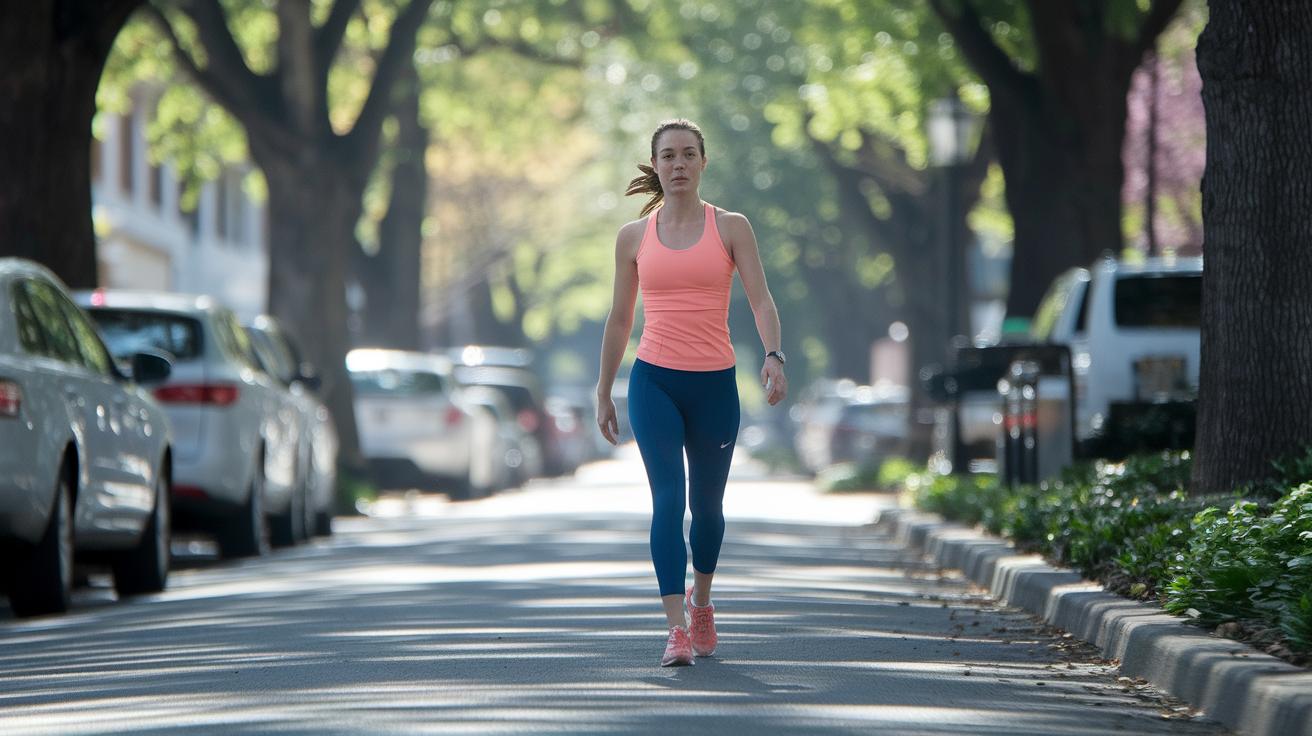
A recent study over six weeks with 185 students showed that adding some aerobic exercise twice a week can really cut down stress, especially the kind that sneaks up with uncertainty. Regular workouts boost your endorphins (those feel-good chemicals) and help bring calm to your busy mind. Picture yourself stepping out for a brisk neighborhood walk, just 30 minutes of moving around and you might feel a noticeable lift in your mood, similar to enjoying a cool, refreshing breeze on a warm day.
Yoga is another friendly option. It gives you gentle stretches like sun salutations and hamstring stretches, which help ease muscle tension. Imagine moving slowly from one stretch to the next, releasing all that built-up tightness and welcoming a pleasant sense of ease.
Short bursts of high-intensity interval training (HIIT workouts, which are quick, energetic exercise bursts) can also work wonders for stress relief. Try doing a series of quick movements for about a minute, take a brief pause, and then jump back in. Studies have shown that these fast-paced bursts can reduce stress hormones really fast. For more details, check out HIIT workouts.
Mixing up your exercise routine, whether it’s a calming yoga session, a refreshing walk in the park, or an intense HIIT workout, helps keep things balanced. This variety makes it easier and more enjoyable to manage anxiety through regular movement, so you can feel better inside and out.
Cognitive-Behavioral Stress Management Techniques for Anxiety
Cognitive-behavioral techniques (methods that help you change unhelpful thoughts) can really help you find and challenge those negative ideas that make anxiety worse. Research suggests that using these techniques might lower anxiety by about 30%. It’s like learning to see things from a fresh perspective, giving you the tools to replace worrying thoughts with more balanced ones.
Using Thought Records
Try starting with a thought record. Think back on a recent moment that tested you and write it down. Describe how you felt and note any instant thoughts that came to mind, like that nagging feeling of "I always mess up," even when you did your best. Then, list out facts that support or contradict that thought. Finally, come up with a kinder, balanced statement, such as "I did well, and there’s always room to grow." This process helps you break down your anxiety bit by bit, turning overwhelming thoughts into something you can manage.
Challenging Negative Beliefs
Next, focus on any negative belief that brings you stress, like "I’m not good enough." Write it down and think of times in your life that prove it wrong. Ask yourself, “Can I remember a moment when I succeeded or handled a tough situation?” Then, come up with a more helpful thought to replace that negative one, perhaps "I learn and improve every day." This four-step method, identify, evaluate, question, and reframe, can feel like slowly lifting a heavy weight, leaving you with more room to breathe and feel confident.
Lifestyle and Daily Stress Reduction Strategies for Anxiety Management

Every day brings a fresh chance to find calm. A great place to start is with a balanced diet (one that gives you a mix of nutrients), and cutting back on foods that are overly processed or loaded with added sugars. Have you ever felt a real shift when you choose fresh, whole foods? For more on healthy eating, check out what is a balanced diet.
Another helpful tip is to stick to a regular sleep routine. Going to bed and waking up at the same time every day, and winding down without screens, can really boost the quality of your sleep and keep nighttime worries away.
Setting aside time for a digital detox is also a smart move. Imagine putting your phone aside in the evening, feeling the cool quiet around you, and letting your mind slow down, it's a gentle way to unwind.
Try spending five minutes each day on gratitude journaling. Just jot down a few moments you're thankful for, and shift your thoughts from stress to the good things in life.
Connecting with friends, family, or even a caring therapist can make a big difference too. Sharing what's on your mind with someone who listens feels like taking a small weight off your shoulders.
Don't forget to build self-care rituals into your day. Whether it's a brisk walk, some stretching, or a quiet moment to just breathe, these little breaks add up and boost your resilience.
Finally, carve out time for hobbies that make you smile. Whether you're diving into a favorite book or getting creative with a hands-on project, doing what you love can add a much-needed balance to your everyday routine.
- Balanced diet
- Consistent sleep
- Digital detox
- Gratitude journaling
- Social connection
- Self-care rituals
- Personalized hobbies
Holistic and Alternative Stress Management Methods for Anxiety Relief
Art therapy is a wonderful way to let your feelings flow when words just aren’t enough. Picture yourself standing before a blank canvas, letting each brush stroke mirror your emotions. Research shows that nearly 70% of people feel less anxious after giving art therapy a try.
Listening to slow-tempo music can also be a soothing escape. Set aside 15 minutes to relax with your favorite calming tunes. Imagine the soft melodies filling your space as each note eases your stress by lowering cortisol (a hormone produced by stress) levels by up to 20%.
Aromatherapy offers another simple route to calm. Try diffusing lavender or chamomile essential oils (natural plant extracts known for promoting relaxation) in your room. The comforting scents work like a gentle floral breeze on a tough day, helping your mind settle into peace.
Some people find that herbal supplements like magnesium or B-complex vitamins (a group of vitamins that help support a balanced stress response) can help too. Just be sure to chat with your healthcare provider before starting any new supplement routine.
And then there's the joy of creative activities like art journaling, crafting, or even dancing. When you engage in hands-on ways to process your emotions, you let your body and mind work together to keep stress at bay. Each of these holistic methods offers a unique way to nourish both your body and your spirit, opening up alternative paths to finding relief from anxiety.
Final Words
In the action, you explored a mix of quick and mindful methods, from box breathing and guided imagery to cognitive tools and daily lifestyle shifts, that help ease anxiety fast. Each tip serves as a handy tool to calm both body and mind. These stress management techniques for anxiety show that simple, real-life practices work wonders when we commit to caring for ourselves. Keep trying these steps, and remember that every little effort builds toward a healthier, more balanced life. Enjoy each moment as you grow stronger.
FAQ
What are five stress management techniques?
The five stress management techniques include deep breathing exercises (like box breathing), mindfulness meditation, physical activity such as brisk walking, progressive muscle relaxation, and gratitude journaling. These methods help calm your mind and body.
How can I relieve stress quickly at home?
Relieving stress at home can involve simple practices like deep breathing, a quick gratitude journaling session, or a short nature break. These actions lower tension and promote calmness almost immediately.
What are several practical ways to cope with stress?
Practical ways to cope with stress include mindfulness exercises, scheduled short work breaks, light physical activity, engaging with pets, journaling for gratitude, and reaching out for social support to ease tension and boost mood.
How can stress and depression be managed effectively?
Managing stress and depression effectively can start with techniques like deep, slow breathing, regular physical movement, cognitive methods to challenge negative thoughts, and seeking social support to help reduce overall tension.
What are the 5 C’s and 5 R’s of stress management?
The 5 C’s and 5 R’s are sets of strategies that guide you to improve clarity, control, communication, and coping while introducing practices like relaxation, refocusing, reframing, recharging, and reviewing responses to manage stress better.
How can stress be relieved specifically for women?
Women can relieve stress using mindfulness practices, physical exercise, and social connection alongside self-care rituals like journaling. These techniques are adaptable to daily challenges, promoting calm and emotional balance.
What are quick relaxation techniques for anxiety and how can you control stress and anxiety?
Quick relaxation techniques for anxiety include box breathing, guided imagery, and mindful walking. These methods lower your heart rate and ease anxious thoughts, providing an effective way to control both stress and anxiety.

