
Have you ever wondered if splitting your workouts into days for push, pull, and legs really helps your muscles grow? This approach groups exercises by how you move, so each muscle gets its turn to work hard and have a little rest. Imagine the satisfying feeling when your muscles are both challenged and given time to rebuild after a good session.
I tried this method myself and felt a noticeable boost in strength. Every workout seemed more focused and purposeful, like I was really making progress with each session. Lots of gym-goers have seen big improvements just by changing up their workout schedule.
Push, pull, leg training really makes your gym time count. It not only helps build muscle, but it also makes each workout efficient and rewarding. Isn't it amazing to see how a small change in your routine can make such a big difference?
How Push Pull Legs Split Maximizes Muscle Gain
The push pull leg training approach breaks your workout into three distinct sessions. In the push workout, you work your chest, shoulders, and triceps. In the pull session, your back and biceps get the focus. And on leg days, you target your quads, hamstrings, calves, and glutes. This way, each muscle group gets its own spotlight while giving others a chance to rest and rebuild.
Working out by grouping exercises with similar movements really helps your muscles grow. For instance, on a push day you might begin with big, multi-joint moves like the bench press or overhead press. Then, you shift to exercises that really isolate your triceps. I remember the first time I tried this method, I felt a major boost in strength and focus. It was as if every muscle knew exactly what to do. This focused strategy not only builds strength but also shapes your muscles and improves endurance.
Many fitness lovers and bodybuilders have trusted this method for years. Each session lets you gradually add more sets, reps, or even weight, which is essential for muscle growth (hypertrophy, meaning your muscle fibers get thicker). Plus, fitting in core work on leg days can help boost your stability and overall power without crowding your schedule. With clear, separate workouts, it’s easier to track progress and give every muscle group the attention it needs to truly thrive.
push pull leg training for muscle gain rocks
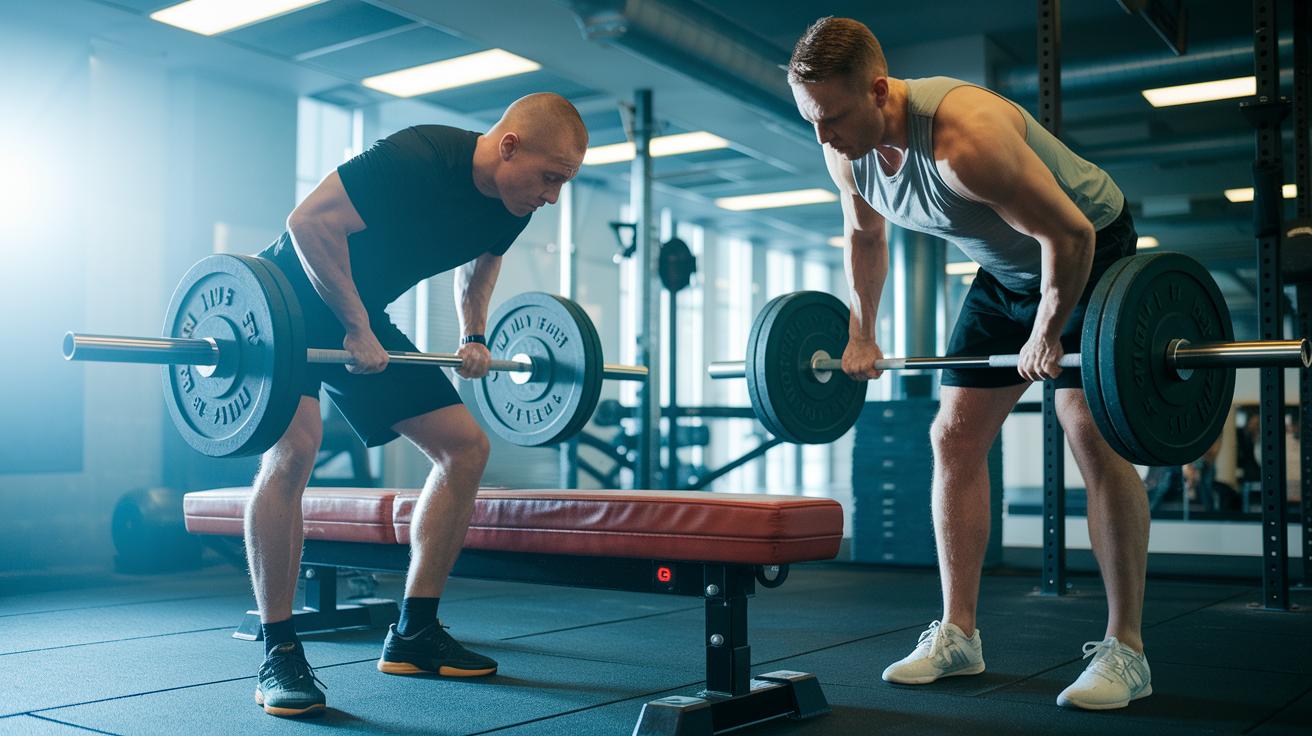
If you're looking to build muscle, having a clear gym plan makes all the difference. Start with a simple three-day routine that focuses on the big three: the bench press, the squat, and the deadlift. It’s as refreshing as having a nutritious breakfast to kick off your day.
For those ready to push their limits, try a five-day plan that mixes workout days with rest days. For example, you might work out three days in a row, take a day off, then train for two more days before resting again. This method keeps things varied while giving your body the recovery time it needs.
If you’ve been training for a while and want a bigger challenge, a six-day routine might be the right fit. This plan breaks down workouts into more specific exercises. You start with compound movements (exercises that use several muscle groups at once) and then follow up with isolation moves (exercises that target one muscle more directly). When lifting heavy weights, take 2 to 3 minutes of rest between sets, and about 60 seconds if you’re doing lighter moves.
Tailoring your rest times is key, whether you want fast progress or steady, long-term gains. Stick with your schedule, track your lifts, and make small adjustments along the way. Your hard work will pay off as you get stronger every day.
Crafting Your Push Day: Exercise Selection and Rep Schemes
Begin your push workout by choosing three or four big exercises that work your chest, shoulders, and triceps. For instance, you might start with the bench press (which is a weight exercise using a bench, great for strengthening the chest), move on to an overhead press (a lift that targets your shoulders), or try an incline dumbbell press. These moves hit several muscles at once and lay a solid foundation for building strength. Sticking with these exercises for about four to six weeks helps your muscles get used to the strain and grow steadily.
Compound Exercises for Push Day
Compound lifts like bench presses, overhead presses, and dips are a fantastic way to kick off your routine. They work several muscle groups at the same time, kind of like setting the base for a sturdy structure. A good plan might be to do 3 sets of 6–8 reps using the bench press, then move right into the overhead press with the same structure. Every rep counts, adding stability and power to your build, just as every exercise adds to a healthy, balanced lifestyle.
Isolation Exercises for Push Day
Once you’ve completed your compound lifts, it’s time for some focused work with isolation exercises. These moves zero in on your chest, shoulders, and triceps, much like taking the time to polish off each detail of your progress. Consider exercises like lateral raises, triceps extensions, or cable flyes. Aim for about 2–3 exercises, each with 3 sets of 10–12 reps. This targeted work enhances muscle size and definition, perfectly complementing your more demanding compound lifts.
Remember, sticking to your routine week after week ensures that you keep challenging your muscles and building strength steadily.
Optimizing Pull and Leg Days for Balanced Hypertrophy

When you dive into a pull workout, you're really targeting your back and biceps with big, compound lifts, and then giving them a little extra love with isolation moves. For example, try barbell rows or lat pulldowns for 4 sets of 6 to 8 reps. These exercises work several muscles at once and lay the groundwork for a focused workout. When you do a pull-up, picture yourself pulling toward a bright blue sky. That simple image can help you power through every rep. Mix in different rowing styles or biceps curls to keep your muscles guessing and growing strong.
Core Pull Movements
Start with compound moves like pull-ups or barbell rows to build broad muscle strength and density. Then, add in some isolation exercises like cable curls (a move that focuses on your biceps) or rear delt flyes (an exercise to target the small stabilizing muscles in your shoulders). This blend ensures every part of your back and arms gets a workout, making your pull day both balanced and effective.
Structure of Leg Day
On leg day, begin with a key exercise such as squats, doing 4 sets of 6 to 8 reps will help you build power and muscle mass. After that, pick a few moves that cover all the main parts of your lower body. You might include exercises for your quads, hamstrings, calves, and glutes. Think about adding hinge moves like Romanian deadlifts (which work your hamstrings and lower back), calf raises for your lower legs, and glute bridges to boost your lift. Midway through your session, throw in a core exercise like planks or hanging leg raises to keep your midsection engaged. It’s all about mixing things up to build strong legs and a steady core.
Applying Progressive Overload and Periodization in PPL Training
When you work on your push, pull, legs routine (PPL), the trick is to gradually add more work. Every workout, you can try using a heavier weight or squeeze in an extra rep. For example, if you complete 3 sets of 8 reps with a certain weight, multiplying these numbers shows the total work you’ve done, much like adding a bit more fuel to a running engine.
Have you ever felt that extra spark after a favorite workout? That’s what progressive overload is all about. One simple way is linear periodization, where you slowly increase the weight each week, similar to turning up the heat while cooking your favorite meal. Another option is a weekly undulating plan that mixes high-intensity days with lighter ones, keeping your workouts fun and stopping progress from stalling.
Many programs choose your working weights based on a percentage of your one-rep max (the most weight you can lift just once). This smart approach pushes you with every lift, giving your muscles plenty of time to rebuild and get even stronger. In fact, athletes have fine-tuned routines like this for years to beat plateaus and encourage smooth, consistent muscle growth.
These thoughtful tweaks help keep your workouts fresh, build steady gains, and remind you that every session brings you closer to your fitness goals.
Nutrition and Recovery Strategies to Support PPL Muscle Growth

Fueling your body is just as essential as any heavy lift in your workout. Your muscles need a good mix of calories and proteins (the building blocks for muscle repair) to bounce back after a tough session. Think of it like your muscles acting like sponges, soaking up every bit of nourishment from your meals and supplements to keep your energy high and your strength growing.
A smart training plan pairs the right nutrition with proper recovery. Begin with lean proteins, hearty whole grains, and a little bit of healthy fat to keep things balanced. After your workout, a shake made from grass-fed whey protein isolate (a pure protein source without extra additives) can really give you that extra boost. And when it comes to resting at night, a slow-release protein like micellar casein lets your muscles get a steady supply of protein while you sleep, just like a construction site that never runs out of supplies.
Don’t forget about the little extras that can make a big difference. Supplements like creatine monohydrate (3–5 grams a day) can help increase your strength, while omega-3 fish oil (which gives you DHA and EPA, important fats for joint health) supports overall joint comfort. Collagen peptides and a good multivitamin work quietly behind the scenes to help repair your muscles and ease any joint tension. For those days when you need an extra calorie boost, a mass gainer packed with 750 calories, 50 grams of protein, and 100 grams of complex carbs, along with some creatine, can feel like adding premium fuel to your recovery engine.
Finally, remember that rest is just as important as exercise. A solid 7 to 9 hours of sleep each night, along with scheduling some recovery days, gives your muscles the perfect window to rebuild and get stronger. Treat that downtime as a key part of your routine, it might just be the secret ingredient that turns every rep into a step towards your healthiest self.
Common Pitfalls in Push Pull Leg Training and How to Correct Them
It’s easy to fall into the trap of switching up your exercises too often. If you keep changing your routine too quickly, your muscles miss out on a steady challenge and can’t build strength as they should. For instance, swapping a bench press for a cable fly every week might leave you feeling stuck. Giving big muscle groups back-to-back workouts without enough time to rest can also stop your muscles from repairing themselves properly. Plus, skipping core exercises or not setting clear goals for sets and reps can weaken your overall progress.
Here are some common errors to be aware of:
| Pitfall | How It Affects You |
|---|---|
| Changing exercises too often | Your muscles miss the consistent challenge necessary for growth |
| Overworking the same muscles on back-to-back days | Not enough rest stops muscle repair and growth |
| Neglecting core workouts | Weakens overall body strength and stability |
| Not tracking workouts | Makes it hard to see progress and adjust your routine |
| Poor nutrition and lack of sleep | Delay recovery and hamper muscle adaptation |
Sticking to a routine for several weeks can work wonders. Try recording every lift and scheduling proper rest between sessions. This way, you let your muscles adapt and grow steadily, turning these common pitfalls into stepping stones on your fitness journey. Have you noticed how a structured plan can keep you motivated and help you see real progress? Give it a go and enjoy the steady build-up of strength.
Final Words
In the action, we tackled how the push/pull/legs split works to build muscle by grouping exercises for push, pull, and leg days. The guide broke down workout structure, nutrition, recovery, and even common pitfalls.
We saw that a clear plan and steady progress are key to success in push pull leg training for muscle gain. Embrace these tips and get ready to feel stronger, healthier, and more confident with every session.
FAQ
Push pull leg training for muscle gain PDF, Push Pull Legs workout Routine PDF, and Push pull legs workout plan for muscle gain
The push pull legs PDF resources provide a clear guide outlining workouts, exercises, rep ranges, and schedules. They simplify tracking progress and help you structure balanced training sessions to maximize muscle growth.
What is the 5-day push pull leg training routine for muscle gain?
The 5-day push pull legs routine divides training into focused days for each muscle group, allowing targeted work and built-in rest days to support effective muscle recovery and enhanced growth.
What does a 6-day push pull legs split or 6-day push pull leg training for muscle gain involve?
The 6-day push pull legs split spans workouts across six days, offering high training volume with focused recovery. This structure intensifies muscle engagement and promotes substantial gains through increased frequency.
How does a 3-day push pull legs split support muscle gain?
The 3-day push pull legs split combines all major muscle groups in three sessions, making it perfect for busy schedules. It ensures balanced muscle stimulation and steady strength improvements while keeping workouts efficient.
Are push-pull legs routines best for gaining muscle?
Push-pull legs routines are highly effective for gaining muscle because they group exercises by movement, allowing focused effort and proper recovery. This approach targets large muscle groups systematically for continued growth.
Can push-pull training help build muscle?
Push-pull training supports muscle building by structuring workouts around natural movement patterns. This organized approach ensures balanced development, efficient muscle repair, and sustained strength gains over time.
Does the 6-12-25 method work?
The 6-12-25 method works by varying rep ranges and intensities, challenging the muscles differently. It stimulates strength and size improvements when combined with a well-rounded push pull legs routine.
What is the 4-2-1 workout schedule?
The 4-2-1 workout schedule refers to a training model that uses set intervals for work and rest. It organizes exercises to boost muscle engagement and recovery, fitting well into push pull legs programs for balanced gains.

