
Ever notice how a few deep breaths can make a busy day feel a bit gentler and brighter? Mindfulness-based stress management is all about taking a moment, like doing mindful breathing (a way to focus on your breath to calm your mind) or trying a light yoga stretch, to ease tension and invite calm back into your day.
These simple techniques, refined over many years, turn stress into little pockets of peace. It’s as easy as breathing in the cool morning air and letting it fill your lungs. Soon enough, you might discover a steadier, more relaxed approach to handling everyday ups and downs.
How Mindfulness Based Stress Management Reduces Stress
Mindfulness Based Stress Management is a gentle way to lower tension and welcome calm into everyday life. This approach, often called Mindfulness-Based Stress Reduction (MBSR, a program that blends mindful meditation with gentle exercise), was started back in the 1970s by Jon Kabat-Zinn at the University of Massachusetts Medical School. It mixes mindfulness meditation, easy yoga (soft exercises to boost strength and flexibility), and a body scan (a practice that helps you feel each part of your body) to ease daily stress, anxiety, pain, and illness.
The idea is to turn your focus inward while still keeping an eye on the world around you. You might try mindful breathing, feeling the cool air fill your lungs as you take a slow, deep breath, or enjoy each bite during a mindful meal. And sometimes, a walking meditation can turn a simple stroll into a time for quiet focus. Imagine taking a slow breath, feeling the coolness of the air, and letting a gentle exhale wash away your worries. It’s a simple trick that really works to clear your mind.
Studies show that practicing mindfulness can lower your stress levels and help you manage your emotions better. Many people say they feel calmer and more in control after using these techniques. For example, mindful stretching not only eases physical tension but also helps quiet those overwhelming thoughts, making it easier to enjoy the moment.
This practice isn’t complicated at all. Even a brief body scan before bedtime or a moment of mindful breathing during a hectic day can offer a powerful way to find balance in a busy world. It’s all about creating small moments of peace that can gradually help you feel more centered and strong every day.
Key Mindful Stress Relief Techniques in Mindfulness Based Stress Management

Mindful stress relief techniques are simple ways to ease tension and find a sense of calm. One enjoyable method is Raisin Meditation. Have you ever really looked at a raisin? Focusing on its texture and smell can help you connect with your senses in a fun, unexpected way. Then there’s Body Scan Meditation, where you slowly shift your attention from your head down to your toes. This gentle process helps ease both physical and mental tightness. Mindful breathing exercises, with every slow, deep breath, work wonders in settling busy thoughts. And in Sitting Meditation, you simply embrace the present moment, savoring every inhale and exhale.
Mindful Yoga (Parts 1 and 2) mixes relaxed, gentle moves with a focus on what your body feels, turning each pose into a mini celebration of sensation. Advanced techniques like Mountain Meditation, Lake Meditation, and Walking Meditation offer a deeper connection to the world around you. The RAIN method (Recognize, Allow, Investigate, Nurture) gives you a clear way to understand and soften your emotions. Plus, exercises such as Simply Watching and Urge Surfing let intrusive thoughts float by, much like watching clouds drift across a bright sky.
Together, these mindful practices help melt away stress and nurture a balanced emotional life. They might just be the gentle guide you need on your journey to feeling calm and connected every day.
Eight-Week Mindfulness Based Stress Management Program Structure
This eight-week course is a hands-on, self-guided journey, where each week builds a tiny, positive habit. In Week 1, you get to try the friendly Raisin Meditation, a fun sensory exercise that shows you how meditation can ease anxiety (feel free to imagine the satisfying crunch of a fresh raisin!). You’ll practice for about 45 minutes a day using simple audio guides and worksheets, slowly creating a calm daily routine.
Next, in Week 2 you learn the Body Scan Meditation, a gentle method that helps you relax by noticing each part of your body. In Week 3, you move on to Sitting Meditation. These weeks are like a soft introduction to meditation that helps control anxiety, with audio guides that feel like a chat from a supportive friend.
Then, during Weeks 4 and 5, you add Mindful Yoga (Parts 1 & 2) to your routine. This practice blends easy movements with mindful breathing, making you feel both relaxed and alert. It’s like taking a refreshing walk where every step helps clear your mind.
For Weeks 6 to 8, the course introduces advanced exercises such as Mountain, Lake, and Walking Meditations, along with the RAIN technique (that stands for Recognize, Allow, Investigate, Nurture). These sessions help deepen your meditation practice and further ease anxiety. Plus, over 7,500 people in 100 countries have found success with this journey! Optional live Zoom sessions give you even more support, making each guided moment feel personal, and extra mental clarity practices keep you focused in your daily life.
Research-Backed Benefits of Mindfulness Based Stress Management
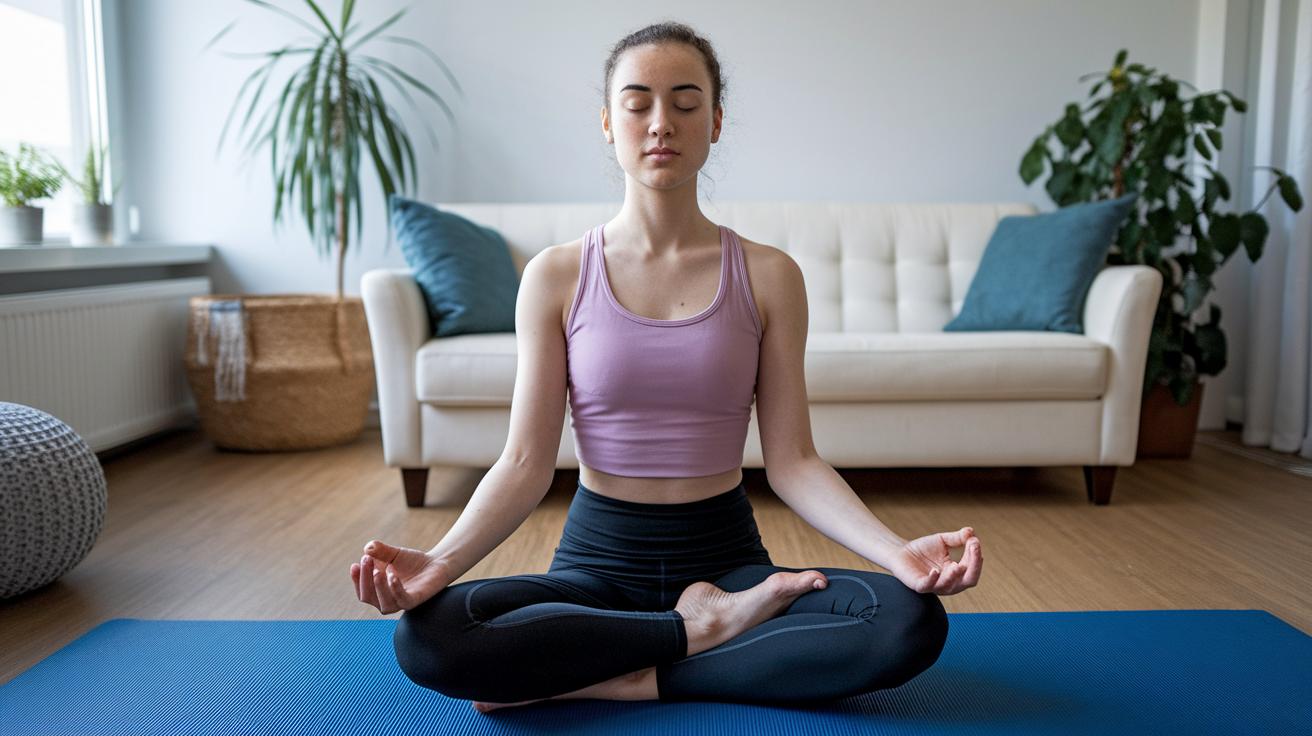
Scientific studies show that mindfulness based stress management really works to ease tension. Research reviewed by experts tells us that this method helps lower feelings of stress, anxiety, and even chronic discomfort. For example, many people who practice these techniques have seen a 30–50% drop in stress markers like cortisol (a hormone linked to stress). This approach supports a balanced mood by bringing inner calm and clearer thinking.
Long-term studies tell us that the benefits stick around. Folks who keep up with their mindfulness routines often enjoy better sleep, sharper focus, and overall well-being. Analyses show that adding just a bit of mindfulness each day can lead to lasting improvements in mental clarity and emotional control. One study even found that after starting a mindful routine, people handled pressure better and bounced back quicker from tough situations.
In short, mindfulness based stress management offers real, measurable benefits. Many experience a deeper calm and stronger mental resilience, making day-to-day challenges a bit easier to handle.
Integrating Mindfulness Based Stress Management into Daily Life
It’s easier than you might think to weave mindfulness into your day. Many mobile apps offer short guided sessions, like a body scan (where you slowly check in with different parts of your body) or simple breathing exercises, that take just 5 to 10 minutes. Imagine pausing your busy day for a quick breathing session that feels like a refreshing hit of cool air.
Sometimes, a gentle buzz from your phone is all it takes to remind you to slow down. These little alerts can nudge you to try mindful eating or take a brief walk, letting you feel the world around you and ease away some of the tension.
Mixing in cognitive techniques, like naming your thoughts (just noticing a thought and giving it a name), can really boost your strength against stress. Picture this: you catch a stressful thought, label it, and let it drift away like a soft, friendly cloud.
Here are a few ideas to try:
| Option | Description |
|---|---|
| PDF Packs | Free downloads that guide you through calming exercises |
| YouTube Videos | Guided meditation sessions, often around 30 minutes long |
| Reminders | Set simple alerts to pause and take a deep breath |
By building these little mindful pauses into your day, you create a routine that gently sweeps stress away. It’s all about blending nonjudgmental awareness with simple, everyday techniques to bring more calm and balance into your life.
Professional and Certification Programs for Mindfulness Based Stress Management

If you’re ready to help others find calm amidst life’s hustle, these certification programs might be just what you need. They offer hands-on training in stress reduction, blending simple mindfulness exercises with practical tips for staying present. Imagine learning to guide someone through a calming breathing routine or a gentle mental clarity session that feels as refreshing as a cool breeze on a hot day.
Many of these accredited courses run across six sessions over 36 months, making it easy to pace your learning. Some training centers, like the Center for Mindfulness, host on-campus courses where you can feel the supportive energy in person. And if you prefer flexibility, trusted online options such as Sounds True and Palouse Mindfulness let you study at your own rhythm with plenty of helpful materials.
For those just starting out, nonprofit organizations even offer free self-guided courses that introduce present awareness techniques. And if you’re craving a deeper dive, donation-supported live retreats provide an immersive experience that enriches both personal practice and your ability to teach others.
Completing any of these programs earns you a certificate recognized by mindfulness and wellness communities. It’s a proud moment that confirms you’re ready to share calming methods to help others achieve a balanced, stress-free life.
Final Words
In the action, the article explored how mindfulness based stress management transforms everyday tension. It broke down a program filled with deep breathing, body scan, and mindful movement practices that help shift stress into calm awareness. The piece also shared easy ways to add these practices into your daily routine and even pointed out professional training options. With research-backed benefits and clear, simple steps, you’re set to embrace a balanced lifestyle that boosts both body and mind. Enjoy feeling more at peace every day.
FAQ
What is mindfulness stress management?
The mindfulness stress management method defines a practice that uses mindful awareness, breathing exercises, and gentle movements to reduce stress and promote well-being by keeping you present and calm.
What is the MBSR technique or the 8-week mindfulness based stress reduction program?
The MBSR technique is an eight-week course created by Jon Kabat-Zinn. It includes guided meditation, mindful eating, gentle yoga, and body scan exercises to lower stress and improve emotional balance.
What does a mindfulness based stress management PDF offer?
A mindfulness based stress management PDF typically offers clear instructions, weekly practices, and exercises like mindful breathing and body scans that serve as a step-by-step guide to lowering stress.
What do mindfulness based stress management training and exercises involve?
Mindfulness based stress management training focuses on guided meditation, breathing practices, gentle yoga, and mindful movement exercises that help build awareness and ease daily tension.
What are some examples of mindfulness-based stress reduction practices?
Examples include mindful breathing, body scan meditation, gentle yoga sessions, and simple mindful movements. These techniques help you slow down, notice sensations, and ease daily stress.
What is mindfulness based stress management certification?
A mindfulness based stress management certification is a professional training program that educates instructors to lead stress-reducing classes using meditation, gentle movement, and other mindfulness techniques.
Who is Jon Kabat-Zinn in mindfulness based stress management?
Jon Kabat-Zinn developed the MBSR program and popularized mindfulness practices such as mindful breathing and body scan meditation, which help reduce stress and promote physical and mental well-being.
What is mindfulness-based cognitive therapy?
Mindfulness-based cognitive therapy combines mindfulness practices with cognitive techniques. It teaches you to recognize and manage negative thoughts, helping maintain calm and clear thinking during stressful moments.

