
Have you ever felt like stress shows up out of nowhere, just like a sudden downpour? Sometimes life feels like you’re carrying a heavy load, with every little demand stacking up until there's barely a moment to breathe. It’s like when your worries pile up, even a quiet break seems impossible.
But here’s some good news, taking a moment for yourself with a few deep, mindful breaths or a brisk walk can make a world of difference. These small steps can help ease that pressure and set you back on a calmer, more balanced path.
In this post, we’re sharing simple, clear strategies designed to help you reclaim your calm and feel lighter and more in control. Have you ever noticed how a short pause can clear your mind, much like a refreshing breeze on a sunny day? Let’s explore together and see how these tips can help you embrace a more serene and centered life.
Stress Management Strategies: Calm Your Life
Life can sometimes feel like a marathon when stress piles up. When we let stress run wild, it not only saps our energy but also makes everyday tasks seem extra tough. Imagine trying to enjoy a sunny day while carrying a heavy backpack, that’s what unchecked stress can feel like.
Here are some simple ways to help manage stress:
- Mindfulness practices (focusing on the present moment)
- Physical exercise and relaxation exercises (like a refreshing walk or gentle stretching)
- Cognitive reframing and journaling (changing negative thoughts and writing them down)
- Time management and boundary-setting (planning your day and knowing when to say no)
- Social connection and quick-calming techniques (taking a moment to chat with a friend or use a brief calming trick)
- Lifestyle adjustments and self-care routines (small changes that nurture your well-being)
- Immediate anxiety relief methods (quick steps to ease anxious feelings)
Even a short self-help session of 10 to 19 minutes can clear your mind and lower stress hormones. Try adding mindful breathing, a bit of exercise, or a journaling moment into your day, and soon you might feel that cool, shifting balance, like a refreshing breeze easing away the heaviness. Over time, these small efforts can help you build a happier, calmer life.
Mindfulness Practices for Stress Management
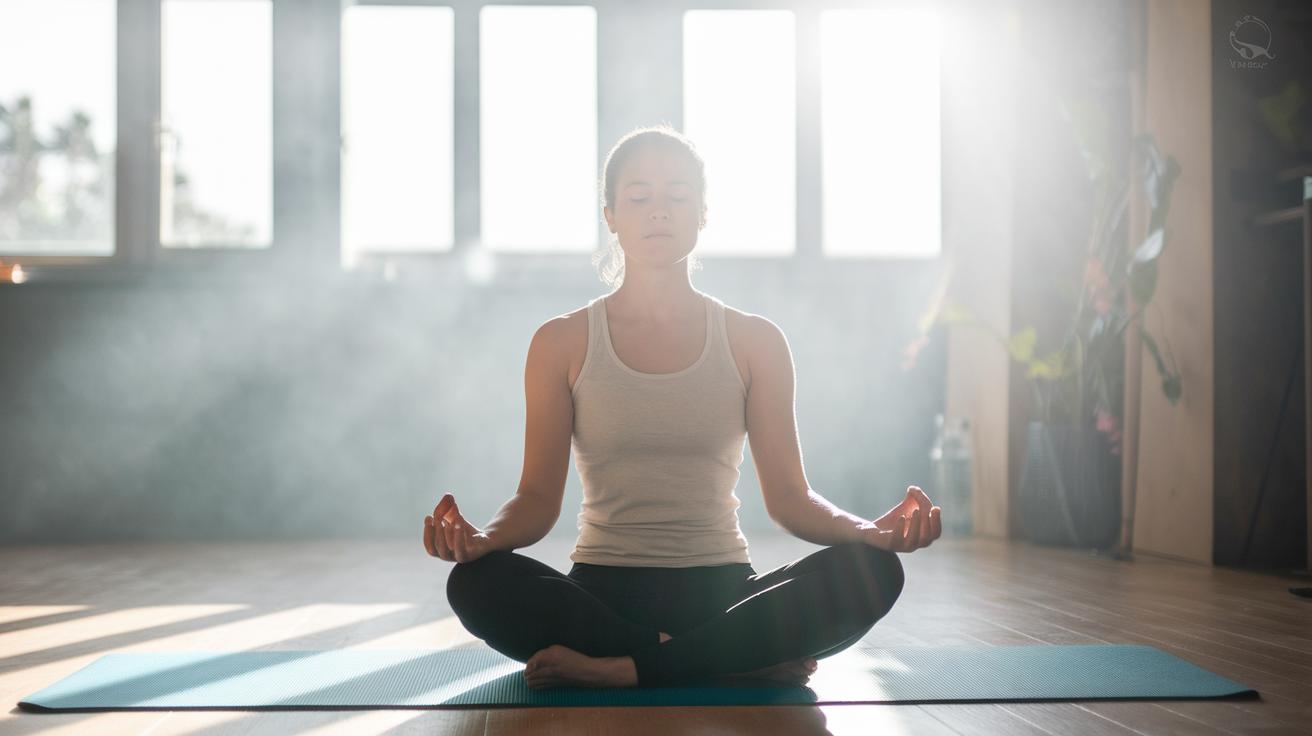
Taking a moment to be mindful can really help ease that heavy feeling of worry. When you focus on the present, your mind gets a break from endless stress, and you find yourself gently returning to what’s happening right now. This simple shift can balance your feelings and soothe your body, making life's daily challenges a bit easier to handle.
Here are some easy mindfulness practices to try:
- 5-minute breath checks: Sit quietly and notice each inhale and exhale.
- 10-minute body-scan meditation: Slowly move your attention from head to toe, noticing how each part of your body feels.
- 7-minute guided imagery: Imagine a calm, peaceful setting that brings you clarity and comfort.
- 8-minute progressive muscle relaxation: Tighten and then relax different muscle groups to help melt away tension.
- 5-minute mindful walking: Walk slowly, feeling each step and enjoying the rhythm of your movement.
- 10-minute gentle yoga session: Use smooth, flowing movements and connect them with your breath.
Studies show that even short mindfulness sessions of 10 to 19 minutes can lower feelings of anxiety and help you manage emotions better. For example, a simple breathing method like the 4-7-8 technique (inhaling for 4 counts, holding for 7, exhaling for 8) can reduce stress hormones in just a few minutes. Regular practice even helps improve your heart rate and lifts your mood. By adding these mindful moments to your day, you create little pockets of calm that help your body relax and your mind feel more balanced.
Physical Exercise and Relaxation Exercises with Stress Management Strategies
Getting active and practicing relaxation techniques can really change your day. For instance, when you go for a brisk walk, run, swim, cycle, or even dance, these activities lower the stress hormone cortisol by 20-30% while boosting endorphins, those natural feel-good chemicals. It’s amazing how just 20-30 minutes of movement not only builds your strength but also gives your mind a refreshing break after a hectic day.
Mind-body practices like tai chi and yoga are also great for easing stress. They use gentle, controlled movements and deep breathing (slow, focused breaths that calm you down) to drop anxiety by about 18%. Even a short 15-20 minute session of progressive muscle relaxation, where you tense then relax your muscles, can ease tension, improve your sleep, and slowly lower your overall stress. The rhythmic motion and mindful stretches work together to quiet your nervous system and bring a sense of balance and inner peace.
Together, staying active and unwinding with these simple techniques create a powerful duo for a calmer, healthier life. Have you ever felt that natural boost after a walk or a little stretching session? It might just be the reset you’ve been looking for.
Cognitive Techniques and Journaling Methods for Stress Management Strategies

Start with the 4 As: avoid things that stress you out, change situations when you can, shift your attitude, and accept what you cannot change. This simple way of thinking helps you focus on how you handle issues instead of the problems themselves. A quick mindset change, telling yourself, "I can control my reaction" rather than "I’m overwhelmed", can really kickstart your journey toward feeling calmer.
Next, try keeping a two-week stress journal. Each day, write down the date, what triggered your stress (what happened), and how you felt in response. For example, you might note, "April 5: I felt anxious in a meeting because I wasn’t prepared." Writing these down every day lets you see patterns over time so you know which events make your heart race and where you might change things for the better.
Also, use thought-record worksheets to help you change negative thoughts. When something stressful happens, jot down what took place, what your first negative thought was, and then note a more balanced, kinder thought instead. For instance, switch out "I always mess up" for "I made a mistake, and I can learn from it." This easy trick can lower your stress by up to 15% and remind you that every challenge is a chance to grow.
Lifestyle Adjustments and Self-Care Routines as Stress Management Strategies
Getting 7–9 hours of sleep every night is one of the simplest ways to help your body manage stress. When you sleep well, your cortisol (stress hormone) levels settle, and your emotions feel more balanced. Try setting a regular bedtime, dimming screens before bed, and making your room calm and cozy. It really feels like your body is thanking you the next morning.
A diet rich in nutrients also lifts your mood. Foods packed with protein, complex carbohydrates (slow-release energy foods), and omega-3 fats (fats that help support brain health) can keep your energy steady and your mind clear. Even a simple, balanced meal plan can brighten your day and help ease stress.
Taking 20–30 minutes each day for "me time" is another great habit. Whether you're enjoying a good book, savoring a refreshing walk, or just pausing for deep breaths, this little break can recharge you. It’s like giving yourself a mini retreat that keeps stress at bay and nurtures both your mind and body.
Time Management and Work–Life Equilibrium Ideas for Stress Management Strategies

Time blocking is a neat way to split your day into clear parts. You set aside chunks for work and even carve out time to recharge. Imagine letting yourself take a quick 5–10 minute break every hour or so, it's like hitting a reset button for your brain. And here's something to think about: when you decide not to check your emails after dinner, you might find your work stress dropping a bit too. Adding a little extra time before deadlines can make your day feel less rushed and more balanced.
Adjusting Priorities in High-Demand Roles
When your plate is overflowing, it really helps to list out your tasks by what needs attention first. Start with the most urgent ones and break big projects into smaller, manageable steps. It’s a simple trick that helps keep things under control and makes the workload feel a lot lighter.
Techniques for Academic Pressure Alleviation
Students and teachers can both win with a few smart tweaks to their schedules. Using a calendar to add extra space between tasks and breaking work into smaller parts means you won’t be scrambling at the last minute. This way, you can tackle difficult topics without feeling rushed, keeping your day calm and organized.
Social Support and Quick-Calming Techniques in Stress Management Strategies
When you catch up with someone face-to-face, your body releases oxytocin (a natural chemical that helps you feel calm and happy). A simple laugh or a kind chat can feel like a warm hug, easing your stress just a little bit. It’s amazing how these everyday moments of connection not only lift your mood but also nurture your emotional strength.
Ever tried a quick reset technique when anxiety hits? The 5-4-3-2-1 grounding method helps you do just that. Imagine taking a brief pause, just three minutes, to really notice what you see, feel, hear, smell, and taste. It’s like hitting a reset button on a busy day. And when you add in some controlled breathing (slow, deep breaths to help your body relax), you can tell your tension to take a back seat and welcome a calmer you.
Final Words
In the action of using these stress management strategies, each tip mingles mindfulness, exercise, cognitive tweaks, and balanced routines to help you feel more in control. We broke down practical steps like mindful breathing, energizing breaks, reflective journaling, and social support to offer real help with daily stress. When simple, consistent habits are embraced, everyday pressures ease and emotional strength grows. Remember, even small changes can yield big smiles and a calmer mind.
FAQ
Frequently Asked Questions about Stress Management
What is stress?
Stress describes your body’s natural reaction to pressure or challenging situations. It can cause physical tension and emotional strain if not managed well.
What are the benefits of stress management?
Stress management improves mental clarity, boosts mood, enhances sleep quality, and supports overall well-being by reducing anxiety and preventing long-term strain.
What are some effective stress management strategies for students?
Stress management for students includes mindfulness, regular physical exercise, good time management, and seeking social support. These techniques reduce academic pressure and improve energy levels.
What are effective stress management techniques, whether five, seven, or even ten ways?
Effective techniques encompass mindfulness practices, physical exercise, cognitive reframing, time management, social connection, lifestyle self-care, and immediate anxiety relief, each helping reduce stress in its own way.
What are the 5 C’s of stress management?
The 5 C’s provide a framework to address stress by guiding you to consider how you cope, control, change, create, and care for your well-being during pressure-filled moments.
How can I relieve stress quickly and remove it from the body?
Quick relief involves deep, controlled breathing, short mindfulness breaks, brisk walks, or progressive muscle relaxation to quickly lower tension and clear your mind.
Where can I find a stress management strategies PDF?
You can find stress management strategies PDFs on reputable wellness websites and health organizations that offer free, practical tips and exercises for reducing stress.
What are 10 ways to cope with stress?
Ten ways to cope include mindfulness meditation, physical exercise, journaling, proper sleep, balanced nutrition, controlled breathing, time-blocking tasks, social support, progressive relaxation, and brief self-care breaks.

