
Have you ever noticed how one deep breath can quiet a racing mind? When worry sets in, it can feel like a wild storm tossing you around, pulling you away from peace. Imagine simply focusing on your breath to hit pause, kind of like your favorite song lifting your mood. Today, we'll explore a few easy steps to ease tension right when you need it most. Sometimes, it only takes a few mindful moments to remind you that calm is always within reach.
Core Anxiety Calming Techniques for Immediate Relief
When anxiety hits, it can feel like your mind is on overdrive, racing beyond your control. But a few simple tricks can help you hit pause and bring back that calm vibe. Just as a favorite song can flip your mood in seconds, a tiny shift in focus can make a big difference.
Sometimes, a small distraction is enough to break the anxious cycle. Try engaging your senses or planning an easy little task. Imagine taking a moment to list your top three comfort foods, songs, or movies when stress starts sneaking in. These brief actions remind you of happy times and help steer you away from spiraling thoughts.
Here are some ideas you might try:
- Listing favorites (foods, songs, movies)
- Planning a simple task with clear steps
- Spending time with a pet and feeling its soft fur
- Holding or gently stroking something comforting
- Jotting down a quick list of 4-5 positive thoughts
These techniques help by pulling your focus away from tension and onto tangible, soothing details. They work like a reset button, giving you a moment to breathe, re-center, and feel a little more in control. And remember, sometimes the simplest things can spark relief right when you need it most.
Breathing‐Based Anxiety Calming Techniques

Sometimes, when anxiety hits, focusing on your breath can quickly calm your nerves by activating the part of your body that slows your heart rate (your parasympathetic nervous system). One helpful method is diaphragmatic breathing. Sit comfortably and put one hand on your lower belly while letting the other rest on your chest. Breathe in slowly through your nose, letting your belly rise, and then exhale gently through your mouth as your belly falls. This steady rhythm can help ease that nervous energy.
Another technique is box breathing. Imagine drawing a square in your mind. Inhale for 4 counts, hold for 4 counts, exhale for 4 counts, and then pause again for 4 counts before repeating. This clear, structured pattern can help settle scattered thoughts.
You might also like the 4-7-8 method. Breathe in quietly through your nose for 4 seconds, hold the breath for 7 seconds, and exhale completely through your mouth for 8 seconds. This deliberate sequence can slowly ease tension by releasing the pressure built during stressful times.
Finally, try partial pacing. Take a deep breath, pause for a moment, and then let it out slowly while picturing yourself drawing in positive energy and pushing out worry. This gentle exercise can help realign your body and mind, offering a quick, calming break in the middle of a hectic day.
Mindfulness and Meditation Anxiety Calming Techniques
When stress starts to build, try a little breath-aware meditation. Sit down comfortably with your feet flat on the floor and your hands resting gently in your lap. Close your eyes and take a slow, deep breath. Feel the cool air as it enters your nose and notice the soft warmth when you exhale. It’s just like feeling a refreshing breeze on a sunny day, guiding you to relax with every breath.
Next, give body scan mindfulness a try. Start at the very top of your head and slowly shift your focus all the way down to your toes. Notice every small sensation in your face, neck, shoulders, arms, and legs, as if you were giving a gentle, tender massage with your mind. This simple exercise helps you spot where tension might be hiding and invites you to let it go, like gradually untying a snug knot with a little patience.
Another great trick is the mindful moment drill, a quick reset you can do anywhere. Just take a brief pause, maybe for a minute, and ask yourself, “What am I feeling right now?” Allow your mind to take note of these feelings without any judgment. Think of it as a tiny break where you simply observe your emotions, helping to release anxious energy before it has a chance to build up. These mindfulness techniques are like handy tools that bridge those anxious moments into peaceful awareness.
Progressive Muscle Relaxation and Body Scan Anxiety Calming Techniques
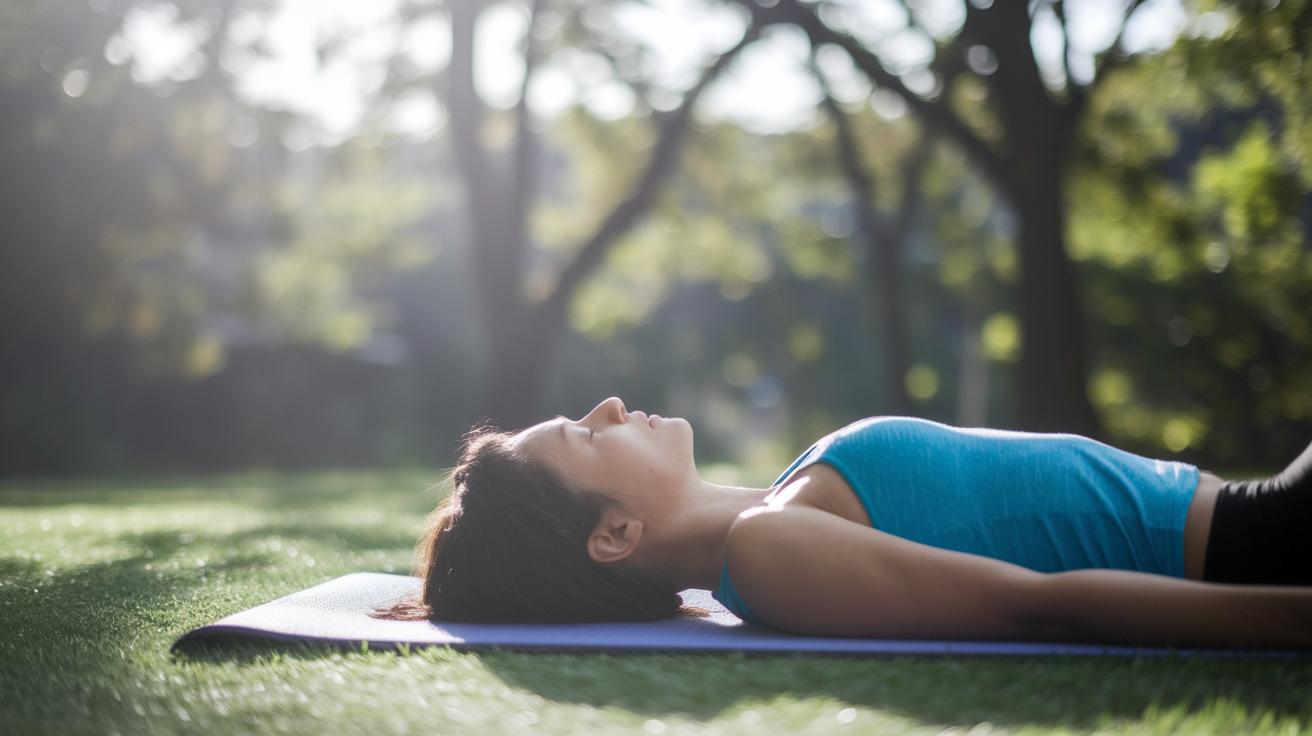
Find a quiet spot where you can sit or lie down comfortably. Begin by taking a slow, deep breath and focusing on your feet. Gently tense your foot muscles for 5 to 10 seconds, as if giving them a soft squeeze, and then completely relax them. Notice how the tension contrasts with the relief. Next, move upward slowly: squeeze your calves, then your thighs, your stomach, chest, arms, and finally your face. With each group, hold the tension for a moment and then let go, releasing built-up stress. This mindful process gently tells your body it’s safe to unwind.
Once you have finished, shift into a calming body scan. Stay in your relaxed position, and if it feels right, close your eyes. Start by paying attention to the top of your head, then slowly bring your focus down through your entire body. You might say to yourself, “My forehead is calm,” followed by, “My shoulders feel soft and free of tension.” Spend a little extra time on your neck, arms, torso, and legs, noticing any small spots that might still feel tight. Just observe these sensations with kindness and let your breath ease away any lingering stress.
Combining these methods helps to deepen your connection between mind and body. When practiced regularly, they not only ease anxious thoughts but also form a comforting routine at home that supports both your physical and emotional well-being. Imagine feeling lighter with every exhale, leaving behind a gentle, soothing calm.
Anxiety Calming Techniques: Feel Calm Instantly
When your mind races with anxious thoughts, try a simple grounding exercise that can help you feel better quickly. Imagine the kind voice or familiar face of someone you love for a little extra comfort. Using your senses can really anchor you and help bring you back to the present.
Start by finding five things you can see. Next, notice four things you can touch. Then, tune in to three sounds around you, identify two different smells, and lastly, sense one taste. This step-by-step focus on your senses shifts your mind away from worry and into your surroundings. It’s like taking a mini break to appreciate the little details that make you feel safe.
Think of it as a gentle reset button for your feelings. When your attention gently moves to what’s around you, your racing thoughts slow down, allowing calm to settle in. Even spotting a few positive things can clear your head and ease those anxious moments.
You might also try imagining a peaceful place, perhaps a quiet beach or a gentle forest, where you feel completely at ease. Visualize holding a cherished object, like a soft blanket or a warm cup of tea, to bring extra comfort. And picture a soft, soothing light that slowly washes away your stress, leaving you feeling relaxed and secure.
Lifestyle Anxiety Calming Techniques for Ongoing Peace

Kick off your morning with a little self-care that makes you feel supported and at ease. Picture yourself cozying up with a warm cup of herbal tea like chamomile or peppermint. This simple treat calms your senses and gently washes away any tension that may have built up, reminding you that every little pause matters.
Midday can be a perfect time to breathe and reset. Take a moment for aromatherapy by adding a few drops of lavender oil to a handkerchief or your diffuser. The familiar, soothing scent can clear your mind and break the cycle of stress. You might even pair this with a quick yoga session, a 10-minute flow focusing on mindful stretching and deep, slow breaths can feel as refreshing as a good stretch after exercise.
As your day winds down, create a bedtime ritual that sets the stage for a peaceful sleep. Dim the lights, pick up a book, or check out a sleep tracker app to understand your sleep patterns better. These small evening habits signal to your body that it’s time to relax, letting your thoughts slow down gradually.
And don’t forget to give yourself a break from screens. Carve out a few moments for a digital detox to practice gentle affirmations or just enjoy some quiet reflection. Maybe even tune in to some soothing music to transform a hectic moment into a calm, serene one. By weaving these simple techniques into your daily routine, you'll build a steady base of calm that nurtures both your mind and body every day.
Anxiety Calming Techniques: Feel Calm Instantly
When panic sneaks up on you, a quick trick can help shift your mind from worries to a sense of calm. One great method is the hand on heart technique. Just place your hand gently on your chest, take a slow, deep breath, and feel that reassuring touch. You might even whisper to yourself, "I’m safe now," as a gentle reminder.
Grounding can also ease overthinking. Have you ever tried the 5-4-3-2-1 sensory check? Look around and identify 5 things you see, listen for 4 sounds, feel 3 different textures nearby, notice 2 distinct smells, and pinpoint 1 taste. It’s like savoring the crisp crunch of a fresh apple instead of letting your mind race.
Another handy tip is a quick self-check by asking, "What do I need right now?" This simple question can pause your anxious thoughts and help you decide on a small step to feel better, kind of like pressing a pause button on your worries.
And don’t overlook mobile relaxation apps. These tools offer guided exercises and quick heart rate control tips (ways to slow your heartbeat) right when you need them most. Imagine using your phone to guide you through a calming breathing exercise on a busy day.
- Hand on heart with slow, deep breathing
- Grounding using the 5-4-3-2-1 sensory check
- A quick self-check asking, "What do I need right now?"
- Mobile apps offering guided relaxation exercises
Feel free to try these techniques in different combinations, and see which one helps bring you that instant calm.
Final Words
In the action, we covered various ways to ease your stress. We touched on quick distraction ideas like listing favorites and planning small tasks, practiced focused breathing, and tried mindful check-ins. We even explored muscle relaxation and grounding exercises that help shift your focus.
Each technique is a handy tool for those moments of heightened tension. Keep these anxiety calming techniques close, and enjoy the steady, positive boost they bring to your daily life.
FAQ
How can I quickly reduce anxiety and calm myself down?
The quick anxiety relief techniques center on deep, slow breathing and sensory focus. They help shift your mind from stress by redirecting attention to simple, grounding activities and calming distractions.
How can I stop anxious thoughts?
The method to stop anxious thoughts involves redirecting your attention to a positive list or familiar task. This simple redirection helps break the cycle of worry and brings mental clarity.
What is the 3 3 3 rule for anxiety?
The 3 3 3 rule for anxiety means taking three deep breaths, naming three objects you see, and recognizing three sounds in your environment to quickly reset your focus.
What is the 5 4 3 2 1 method for anxiety?
The 5 4 3 2 1 method for anxiety uses your senses to ground you by noticing five things you see, four things you can touch, three sounds you hear, two scents you smell, and one taste you sense.
What is the 5 5 5 method for anxiety?
The 5 5 5 method for anxiety involves inhaling slowly for five seconds, holding your breath for five seconds, and exhaling for five seconds, repeated five times to promote calmness.

