
Ever had a moment when your heart suddenly races or your muscles feel tight in the middle of a busy day? It’s your body’s way of saying, "Hey, I’m a bit overwhelmed."
When stress creeps in, our bodies release natural helpers like adrenaline and cortisol (these are chemicals that help us react quickly). Sometimes, this burst of energy makes you feel pumped up, but other times it leaves you feeling drained. The key is noticing these signals early so you can gently guide yourself toward a calmer, more balanced day.
Recognizing Stress Symptoms: Physical, Emotional, and Behavioral Indicators

Stress kicks in when our body enters fight or flight mode, releasing hormones like adrenaline and cortisol (hormones are natural chemicals that help our body respond to challenges). Back in the day, this quick response was a life-saver. Today, it shows up during everyday situations. Sometimes, a little stress, what we call eustress, can give you that extra push. Other times, it can feel overwhelming, turning into distress.
It really helps to notice when your body and mind are under pressure. Catching these hints early means you can take action before they build up. Stress usually shows itself in three simple ways:
Physical signs: You might feel a stiff neck, tight shoulders, or a sore back. Sleep can be harder to come by too, with your heart racing or your breathing speeding up, and even after rest, you might feel unexpectedly tired.
Emotional signs: Ever feel a constant drag, like nothing lifts your mood? That persistent low or boredom can sap your energy, making even small tasks feel like a big effort.
Behavioral signs: Stress can sneak into your daily habits. You might find yourself reaching for a drink at a regular time, or your eating might shift, either eating too much to feel better or skipping meals when you’re not losing interest in socializing.
If you recognize these signs in yourself, it could be a good moment to pause and try some calming activities. Even a few minutes of deep breathing or a chat with a friend might just be the reset you need.
Physical Stress Symptoms: Muscle Tension, Headaches, and Cardiovascular Signs
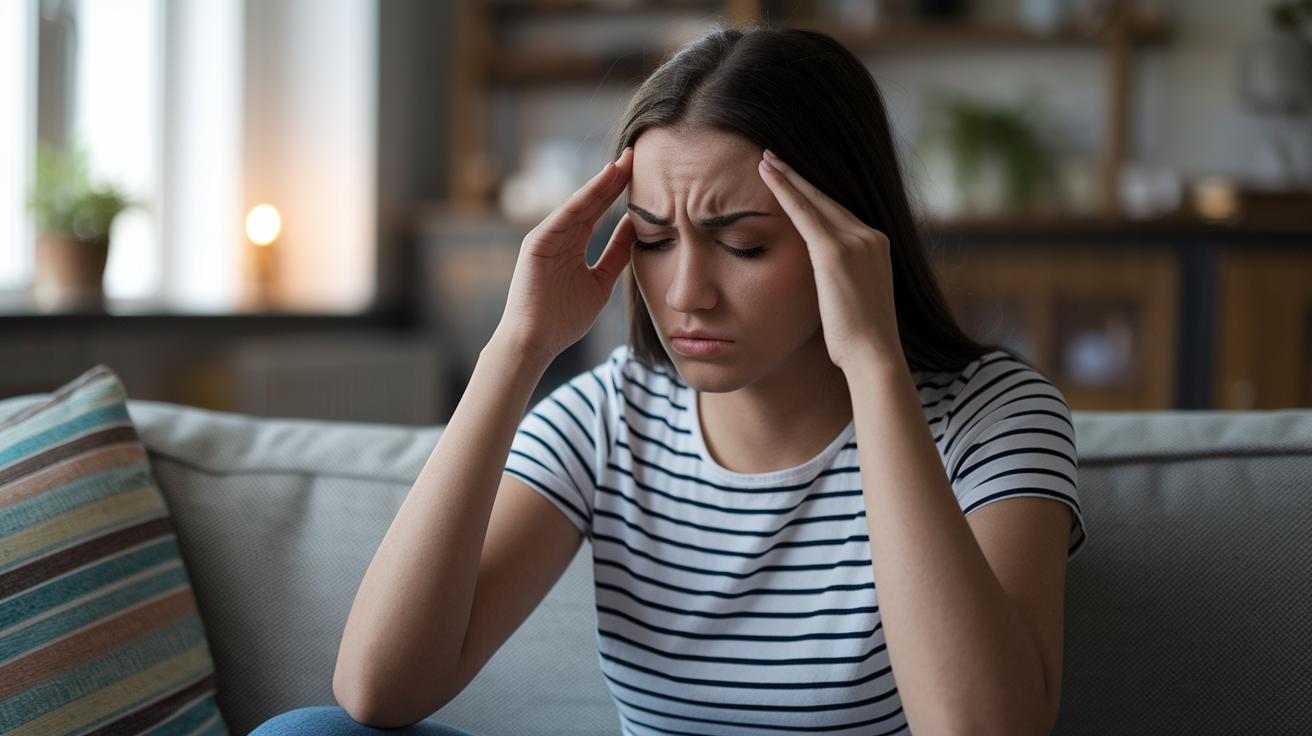
When stress builds up, your body sends out signals that are hard to ignore. Everyday pressures can lead to tight muscles, headaches, a racing heart, and changes in your breathing. Each of these signs helps you understand what your body is dealing with.
Muscle Tension
When you're stressed, you might feel your neck, shoulders, or back tightening up. It’s like your muscles are bracing themselves for something, and that tightness can linger long after a busy day. It might even stop you from really relaxing, leaving you with a constant feeling of stiffness.
Tension Headaches
Sometimes stress brings on headaches that feel like a firm band wrapping around your head. This dull pressure can start at the back of your head and slowly creep upward, making it hard to enjoy the day. It’s similar to that persistent feeling when you’ve been concentrating too long on a tiring task.
Cardiovascular Signs
Stress can make your heart feel like it’s on a roller coaster ride. Sudden bursts of adrenaline (a hormone that makes you feel energized) and cortisol (a stress hormone) might cause your heart to skip a beat or pound a bit too fast. This irregular heartbeat can add to a sense of anxiety that sticks with you throughout your daily routines.
Breathing Difficulties
Stress sometimes makes your breathing feel shallow or quick, almost like you’re preparing for a sprint even when you’re just sitting. These moments remind you to take a deep, mindful breath, helping you slow down and find a bit of calm amid the rush.
| Symptom Category | Key Features | Daily-Life Impact |
|---|---|---|
| Muscle Tension | Tightness in neck, shoulders, back | Discomfort and limited movement |
| Tension Headaches | Dull, constant pressure on your head | Difficulty focusing and ongoing pain |
| Cardiovascular Signs | Irregular heartbeats or palpitations | Increased anxiety and interruptions in routine |
| Breathing Difficulties | Fast, shallow breaths or shortness of breath | Feeling winded and needing extra breaks |
Emotional and Cognitive Stress Symptoms: Mood Swings and Mental Fog

Stress can quietly creep into your mind, making your feelings and thoughts feel cloudy. Sometimes, you might find yourself switching from feeling a bit irritated to suddenly overwhelmed by sadness. This rollercoaster of emotions can make even small tasks feel like a tough challenge, almost as if you're in a battle you can’t see.
Your feelings often hint at stress. It might show up as a constant low mood or a lack of interest in the things you once loved, like the day when even a simple walk feels like climbing a hill. You might notice sudden mood shifts where little problems become big frustrations. After a small disagreement, for example, you might feel so overwhelmed that it’s hard to recover quickly. This reminds you that stress takes up space in your heart as well as your body.
At the same time, stress can fog up your mind. You might experience moments when your thoughts feel mixed up and focusing seems hard. You could forget familiar steps in your daily routine or lose track of where you put everyday things. Imagine sitting down to enjoy your favorite book only to find your mind drifting away like a gentle breeze. These slips are clear signs that stress is affecting your ability to concentrate and remember, nudging you to take kind, simple steps toward a calmer state of mind.
Behavioral Stress Symptoms: Changes in Eating, Sleeping, and Substance Use
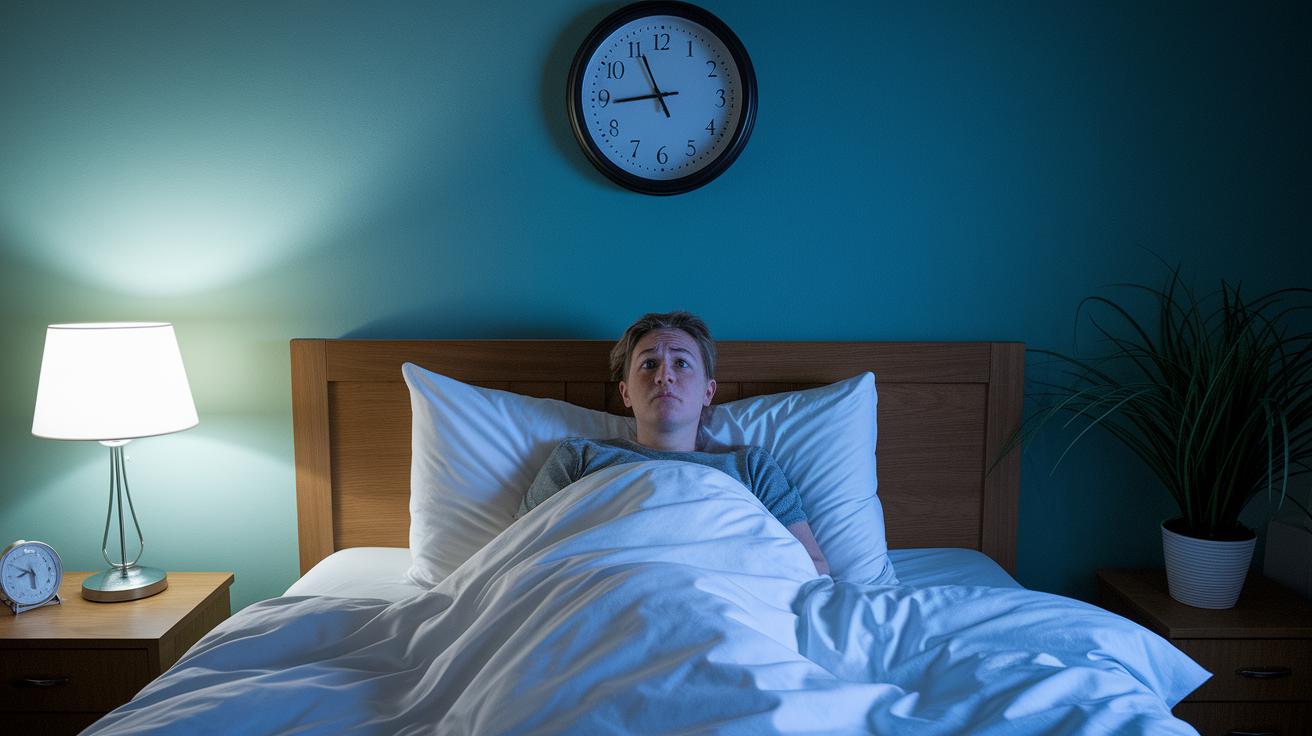
Stress can really mess with your sleep. It might make it tough to fall asleep, cause you to wake up often, or make you rise way too early. That restless night can have you feeling worn out no matter what. Picture lying awake as your mind buzzes with thoughts about tomorrow’s to-do list, that’s stress throwing off your sleep. In fact, nearly 60% of adults say they experience sleep troubles when stress hits hard.
When stress piles up, some people turn to substances to ease the tension. They might start having a drink every evening as a way to unwind, and over time, that small habit can grow into something more. Research even shows that drinking moderately on a regular basis to calm your nerves might be a sign that stress is taking a bigger toll than it seems.
Stress can also flip your eating habits upside down. You might find yourself reaching for extra snacks even when you're not really hungry, or you may lose your appetite entirely. Doctors and experts note that changes like skipping meals or overindulging can be clear signals that your body is handling too much stress. Think about a day when anxiety keeps you from eating your lunch, leaving you feeling sluggish by mid-afternoon.
Physiological Stress Signals: Digestive, Immune, and Dermatological Reactions

Stress can really show its effects on your tummy. When you're feeling stressed, your body shuffles blood away from your gut, which can cause cramps, gas, diarrhea, or even constipation. It’s as if your stomach is sending a little message saying, "Something isn’t right." Even after a long day, if your belly keeps acting up, it might be a sign that stress is hanging around more than it should.
At the same time, stress bumps up your cortisol levels (a hormone that rises when you're stressed), which can weaken your immune system and leave you more open to colds or other minor bugs. Think of these signs as your body’s way of giving you a friendly nudge to take a break and recharge.
Stress can also throw your hormones off balance, making you feel run-down or messing with your sleep and energy. You might notice your skin reacting too, perhaps with hives, rashes, or unusual sweating, clear signs that stress is making its mark on you. Taking a moment to breathe, walk outside, or try a calming routine could really help you feel more centered and vibrant again.
Remember, listening to these signals is like treating yourself to a mini self-care session. If you've ever felt those little nudges from your body, maybe it's time to pause, relax, and give yourself the care you deserve.
When to Seek Professional Help for Stress Symptoms

Sometimes stress stays with you longer than it should, showing up as constant worry, heavy pressure, or even sudden panic attacks (a burst of intense fear). When your heart starts racing, you find it hard to sleep, or small challenges suddenly feel big, it's a sign something isn't right. If you notice several of these signs at once, feeling drained all day, being easily irritable, or having aches that don't seem to go away, it might be time to talk to someone who knows how to help.
Talking with a healthcare provider can help you discover what’s really making you feel so stressed. They can offer simple, practical steps to keep stress from turning into bigger problems, like heart troubles or constant exhaustion. Sometimes, professional support can turn scary, overwhelming moments into chances to reclaim that calm, steady energy in your everyday life. For more ideas on how to manage these feelings, you might check out a trusted mental wellness guide (https://medsfax.com?p=885).
Taking action early shows you care about your future health and helps keep your days balanced and joyful. Your well-being deserves prompt, kind care, so don’t hesitate if you see these signs.
Coping Strategies for Stress Symptoms: Practical Techniques and Lifestyle Tips

Regular aerobic exercise, like walking, running, swimming, or dancing, can totally change how you feel. When you're out moving, your mood gets a boost and your mind gets a healthy distraction from stress. Imagine going for a brisk walk in the park and feeling instantly refreshed as the clean air clears your head. These simple movements not only get your heart pumping but also help break the cycle of feeling constantly tired and overwhelmed.
Mindfulness is another great way to ease stress. Deep breathing and meditation lower cortisol (the stress hormone your body produces) and help you find calm in busy moments. Try a simple exercise like progressive muscle relaxation: slowly tighten one muscle group and then let it go. Picture yourself sitting on a quiet beach, breathing slowly as each wave soothes your tension.
A steady daily routine can really make a difference too. Keeping a regular sleep schedule, like going to bed and waking up at the same time every day, supports both body and mind. Carve out time for self-care and moments with family or friends; these little breaks can lighten the load of daily stress. Even just planning your day for a few minutes can set a smooth, steady tone against unexpected challenges.
Building resilience is like saving little drops of calm for a rainy day. By mixing regular exercise, mindful relaxation, and a consistent routine, you start to replace stress with a peaceful, manageable energy. Imagine ending your day with a short meditation after a satisfying workout, feeling a warm, steady strength that carries you through even the toughest moments.
Final Words
In the action, we broke down stress symptoms into clear signs, from physical cues like muscle tension and headaches to emotional shifts such as weariness and mood swings, and even changes in everyday behavior like altered eating or sleeping habits. We also looked at how stress affects the body on a larger scale and offered practical tips to ease the pressure. Small steps can go a long way, keeping both body and mind in balance. Stay motivated, knowing that better well-being is waiting just around the corner.
FAQ
What are the physical symptoms of stress?
The physical symptoms of stress include muscle tension, headaches, heart palpitations, shallow breathing, and digestive issues, all of which can show your body is under pressure.
What are the emotional and cognitive stress symptoms?
The emotional and cognitive stress symptoms include mood swings, irritability, difficulty concentrating, and feelings of overwhelm, which affect how you think and feel daily.
What are common causes of stress?
The causes of stress often stem from daily pressures like work challenges, family demands, financial worries, and unexpected life changes that influence your overall well-being.
Does stress make you ill?
Stress can make you ill by lowering your immune response, worsening underlying conditions, and triggering physical reactions such as high blood pressure and digestive discomfort.
How much stress is too much?
Stress is too much when it starts interfering with sleep, mood, and everyday tasks, leaving you feeling persistently overwhelmed and unable to enjoy your routine.
How can I control stress?
You control stress by engaging in regular exercise, deep breathing, and mindfulness practices while keeping a balanced daily routine that helps ease tension and promotes wellness.
What can prolonged stress lead to?
Prolonged stress can lead to long-term health issues like heart problems, chronic fatigue, reduced immunity, and significant emotional strain that impact your quality of life.

