
Ever feel like your mind is racing non-stop? Meditation for anxiety gives you a chance to pause and catch a breather when everything feels too much. It all starts with simple steps like mindful breathing (focusing on your breath to calm your thoughts). Think of it like leaving a noisy street and stepping into a peaceful garden. This gentle practice helps ease your tension and lifts your overall well-being, paving the way for a healthier, more balanced life.
Essential Meditation Practices for Anxiety Relief
When anxiety starts to crowd in, simple meditation techniques can really help clear your mind. For example, mindfulness meditation for anxiety (a way to focus on what’s happening now) is great for slowing down overthinking and easing those nagging negative emotions. It’s like giving your brain a gentle time-out so everything can settle and your body feels more relaxed. And whether it's a calming breath control or a slow, graceful move like moon salutations, every method offers its own pathway to feeling peaceful.
There are lots of options to try. Some sessions, like SKY Breath Meditation, come with clear, friendly guidance from experts, making it really easy to follow along. If you’ve ever wondered how mindful meditation (simply being present and aware) can boost your mood, trying out different session lengths could be just what you need. Have you ever noticed how a little change can make a big difference? Experimenting with various techniques might help you find that perfect balance to quiet your worries.
- 30-minute Session to Ease Overthinking (30 minutes)
- 22-minute Daily Session for Calming Negative Emotions (22 minutes)
- 10-minute Mindfulness-Based Stress Reduction Exercise (10 minutes)
- 6-minute Acceptance Meditation (6 minutes)
- Moon Salutations Meditation Session (15 minutes)
- SKY Breath Meditation Session (20 minutes)
- Daily 5-minute Cognitive Unwinding Practice (5 minutes)
Each of these practices guides you through mindful breathing and soft movements, helping to break the loop of anxious thoughts over time. With regular practice, you build a simple, dependable routine that not only calms your mind but also supports a healthier, happier you.
Science-Backed Benefits of Meditation for Anxiety
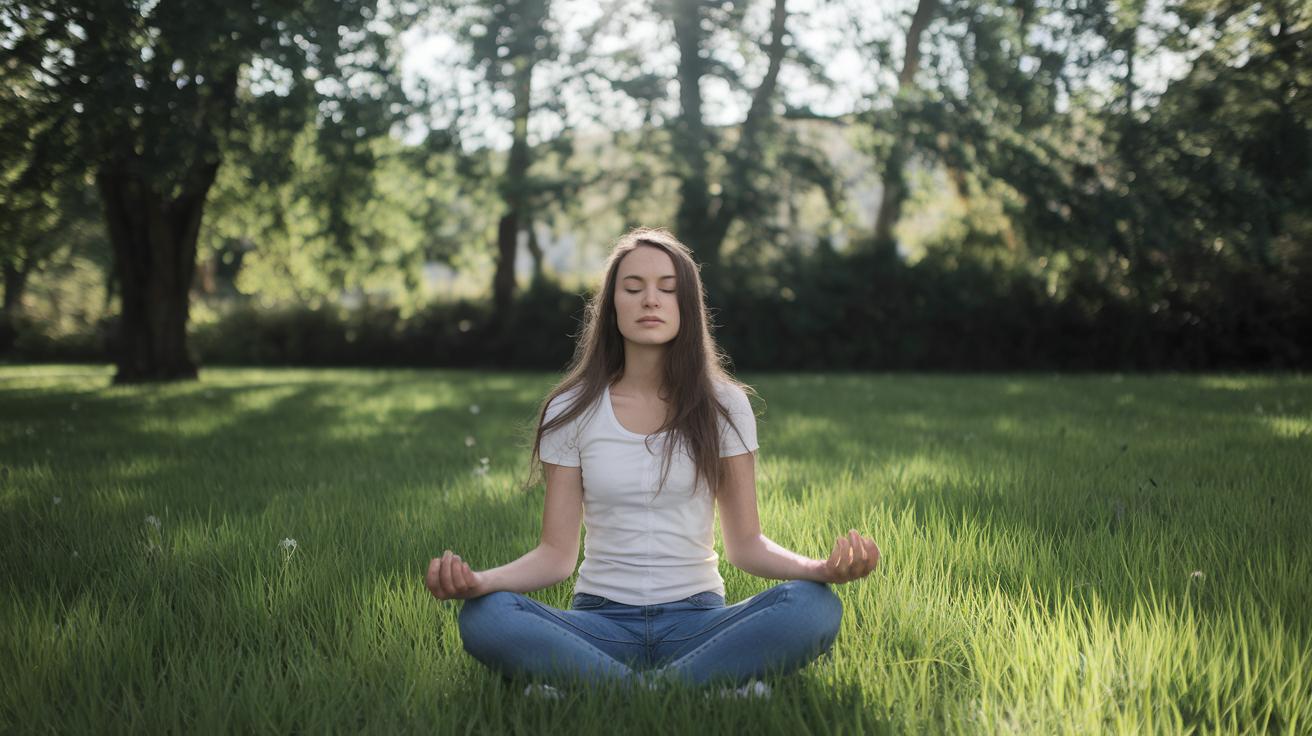
Studies show that setting aside time for meditation can quickly help lower stress and boost your calm. Research means that by practicing meditation regularly, you can ease feelings of anxiety and depression while learning to stay present (being fully aware of the moment). Many people share that sticking to a meditation routine makes it easier for them to handle their emotions and keep a balanced outlook. In simple terms, meditation offers a straightforward way to welcome inner peace.
For instance, research from the University of Waterloo found that even a 10-minute guided session can quiet those looping, negative thoughts. Many who add short, focused sessions into their day notice a better mood and reduced anxiety in just a few weeks, and the benefits grow over time. This shows that even brief, regular practice can be a trusted method for managing anxiety and finding lasting calm.
Step-by-Step Rituals for Anxiety Reduction through Meditation
Find a quiet spot where you can sit comfortably and take a few moments to simply be. Begin by noticing any gentle sensations in your body and the soft sounds around you. This simple act of tuning in can feel like a refreshing breeze on a calm day.
Then, shift your focus to your thoughts. Instead of labeling them as good or bad, just watch them drift by, like soft clouds in a blue sky. Let your feelings come and go with ease, reminding you that it's okay to simply experience each one.
Next, pay close attention to your breathing. Notice each inhale and exhale, letting that steady beat ground you in the moment. It’s like feeling a familiar rhythm that brings a sense of peace and balance to your day.
Start with just five minutes to let the routine settle in, and gradually work up to about thirty minutes. This slow pace helps your mind and body adjust comfortably, making meditation feel like a natural part of your daily routine.
By sticking with these simple steps, you'll build a strong habit that gently eases tension and quiets those nagging worries. Over time, you'll find more moments of calm and balance, letting the stresses of the day fade away with every mindful breath.
Meditation for Anxiety Brings Inner Peace
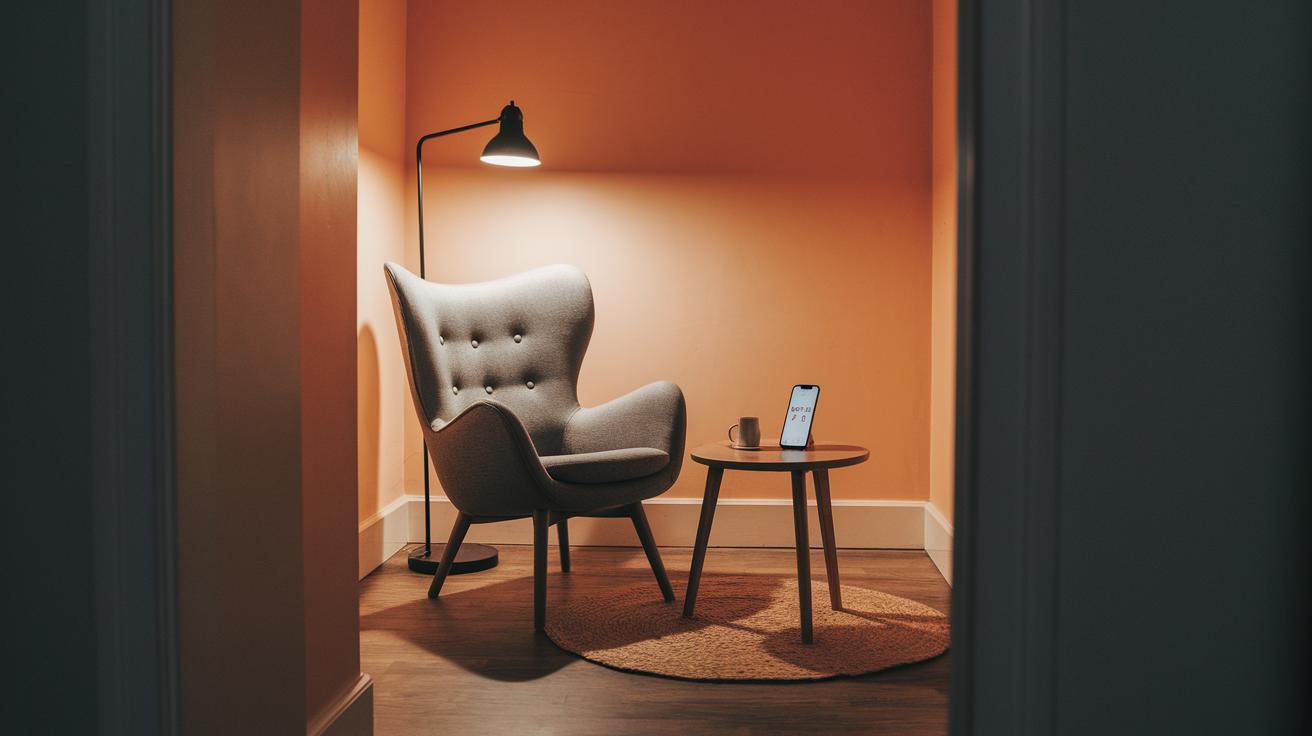
Imagine sinking into your favorite chair and pressing play on a gentle guided meditation that washes your mind with calm. This scene blends the comfort of a quiet space with clear, step-by-step guidance to soothe your worries.
- 30-minute session designed to stop overthinking (it helps break persistent anxious loops)
- 17-minute meditation that creates a little space between you and your worries (offering a bit of relief from stress)
- 20-minute working-with-anxiety practice that helps you recognize and soften anxious feelings
- 10-minute guided body scan and breath awareness session that pairs simple check-ins with calming deep breaths
- 5-minute quick reset meditation for a brief, refreshing break
Pick the session that fits your mood. Whether you're looking for a long, immersive experience or just a quick break, these practices offer easy ways to ease your anxiety.
Targeted Meditation Paths for Panic and Overthinking
When panic hits, try a quick five-minute breathing break to help you feel calmer. Close your eyes and slowly count your breaths. Imagine saying to yourself, “Breathe in slowly, breathe out gently.” You can also press your thumb gently against your index finger to feel more grounded during those tough moments.
If your mind is always buzzing with thoughts, longer meditation sessions might be the trick. A 17-minute mindful inquiry can help you see your thoughts pass by like clouds, while a 6-minute acceptance meditation reminds you it’s okay to have these feelings. Picture yourself sitting quietly, watching each thought come and go, much like a small stream flowing peacefully.
Before you start either exercise, pick a safe and cozy spot where you feel relaxed. It might be a quiet corner in your home or any spot that makes you feel secure. This simple step can really help you manage sudden panic as well as ongoing overthinking.
Building a Daily Meditation Routine to Manage Anxiety
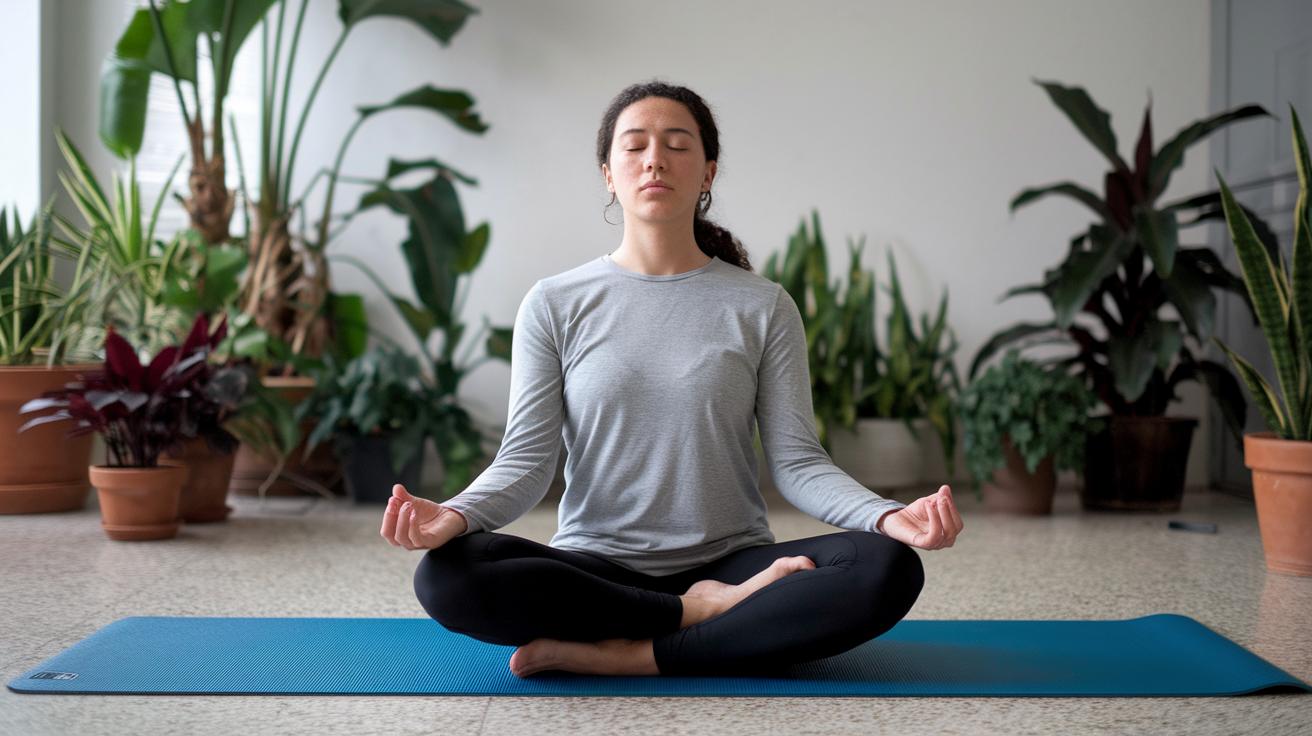
Many structured programs like MBSR (Mindfulness-Based Stress Reduction) and MBCT (Mindfulness-Based Cognitive Therapy) use an eight-week approach to show how a steady meditation session can ease anxiety over time. Even a short five-minute practice each day can help calm those looping anxious thoughts. That small commitment lays the foundation for a routine that gradually leads to daily inner peace.
Start by choosing a quiet moment each day, even if it's just for five minutes. As you grow more comfortable, slowly add a few more minutes to your session. Just think about it: five minutes could be all you need to slow down your racing thoughts on a hectic morning. Keeping a simple journal of your progress might show you just how much calmer you're becoming. And if you’re looking for more ideas, check out some tips on how to practice mindfulness so you can easily blend it into your daily schedule.
Final Words
In the action, we explored practical meditation practices to ease worry. We covered step-by-step routines, guided audio sessions, and techniques for managing panic and overthinking. Each section introduced clear methods backed by science and offered tips for integrating calming practices into daily life.
These simple techniques inspire a steady path toward inner calm. Embrace these meditation for anxiety tips and feel the uplifting change as you pursue a balanced, peaceful state.
FAQ
What free meditation apps can I use?
The free meditation apps offer guided sessions that help you learn quick, calming techniques anytime. They provide easy access to supportive tools for reducing anxiety.
How can I use meditation to calm an anxiety attack quickly or in just five minutes?
The quick meditation techniques help you pause an anxiety attack by focusing on slow, deep breaths and simple grounding exercises that guide you back to a calmer state in about five minutes.
What meditation is best for reducing both anxiety and fear?
The best meditation for anxiety and fear centers around mindfulness practices that gently draw your attention inward, easing worry and promoting a sense of calm and balance.
How does a 30-minute meditation session help with anxiety?
The 30-minute meditation session offers ample time to slow down racing thoughts, focus on your breath, and ease tension, resulting in deeper relaxation and mental clarity.
What benefits does a 10-minute morning meditation provide for anxiety?
The 10-minute morning meditation kick-starts your day by clearing your mind and setting a calm tone, making it easier to manage anxious feelings throughout the day.
What is the 3 3 3 rule for anxiety?
The 3 3 3 rule for anxiety involves noticing three things in your environment, listening for three different sounds, and taking three deep breaths to quickly refocus and reduce stress.
What type of meditation is good for anxiety?
The meditation type that works well for anxiety is mindful meditation, which emphasizes breath awareness and gentle body scanning to calm the mind and ease tension.
What is the best natural remedy for anxiety?
The best natural remedy for anxiety often includes regular meditation combined with a balanced lifestyle, helping you reduce stress and support emotional well-being without relying on medication.

