
Have you ever wondered how you manage to stay steady on uneven ground? Science tells us that our muscles, nerves, and brain work together like a team to keep us balanced. Even a simple exercise like standing on one leg can give your body the challenge it needs to boost both balance and coordination. When you work on these skills, everyday movements become smoother and you feel more secure. In this post, we'll share some easy, science-backed exercises that can help you feel confident with every step.
Foundational Exercise Science Principles for Balance and Coordination
Balance isn’t just about standing still, it's a skill that calls on your brain, nerves, and muscles to work as a team to keep you steady. When you’re walking on bumpy ground or uneven pavement, your inner ear (which helps sense movement), your eyes, and tiny sensors in your muscles (called proprioceptors, which tell your brain where your body parts are) all send signals to help adjust your stance almost like magic. Have you ever noticed how your body reacts without you even thinking about it? It’s nature working at its best.
In your body’s control center, the inner ear and a part of your brain called the cerebellum team up to process all these signals and make quick corrections. Imagine balancing a stack of books; every book (or body part) needs to be perfectly placed for the stack to stay upright. Scientists studying biomechanics (the study of body movement) tell us that keeping your body aligned over your base, what we call our foundation, is key to preventing falls and staying active.
Exercises like standing on one leg or doing moves that challenge your stability can help train your brain and body to work together even better. These activities boost your kinesthetic awareness (your natural sense of where your body is in space) while also strengthening the essential systems behind smooth, coordinated movement. So next time you're out for a stroll or trying a new exercise, remember that every step is a chance to tune in to the incredible balance of your body.
Neuroscience Insights in Balance and Coordination Training
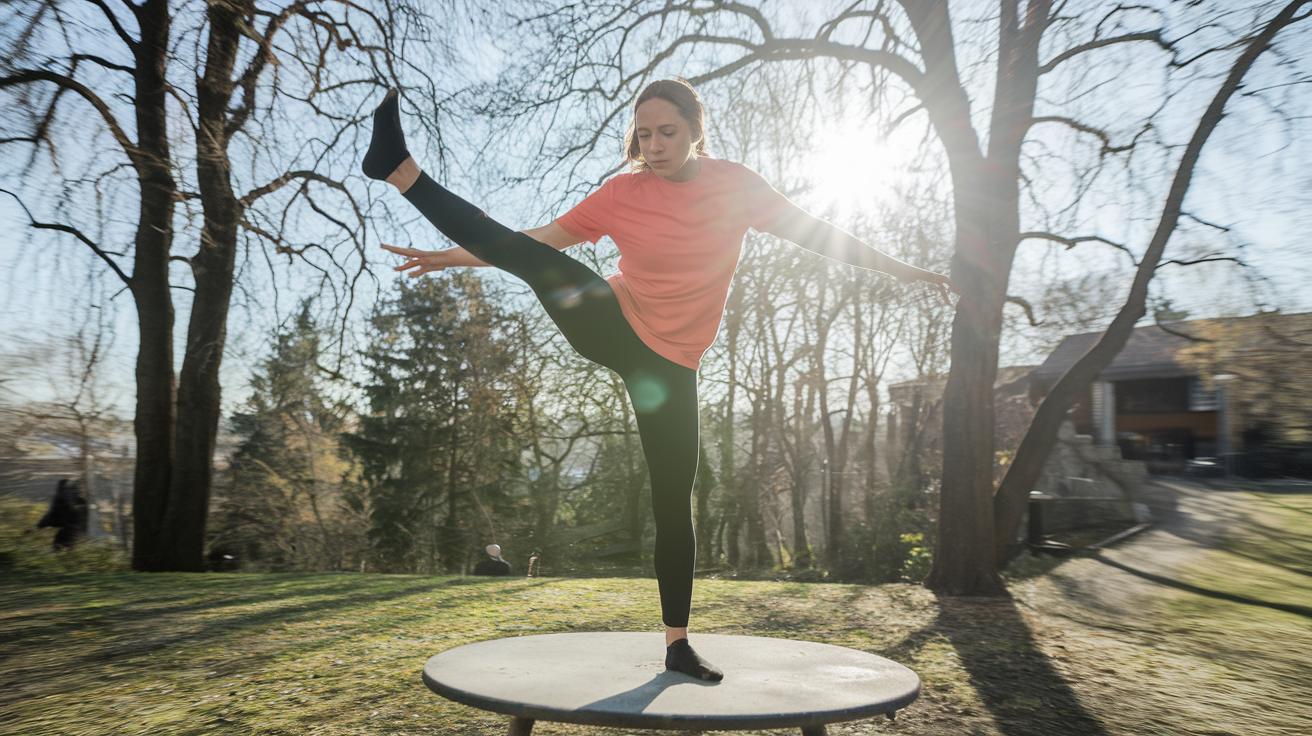
Have you ever paused to think about how your body keeps its balance? Your brain is always busy gathering hints from your eyes, inner ear (which senses head movements), and muscle sensors (that tell you where your limbs are). It mixes all these signals together so your muscles can work just right. Remember that quick reaction when you lose your footing? That's your amazing sensorimotor integration in action.
Try standing on one leg or practicing on a soft, wobbly surface. These simple exercises make your brain work a little harder. Think of a dancer practicing complex moves until they feel effortless. With every session, your brain builds fresh pathways, a process known as neuroplasticity (which means the brain can rewire itself). It’s pretty cool how your efforts lead to smoother, more confident movements.
Each new challenge refines your balance even further. By consistently engaging in varied balance tasks, your nervous system gets better at controlling your movements, creating lasting improvements in coordination and steadiness.
Biomechanics and Proprioception in Balance Coordination
Recent studies show that even tiny shifts in muscle positioning can really alter how forces work through our joints. Researchers using electromyography (a method that checks muscle activity through electrical signals) have spotted quick, subtle muscle activations that help fine-tune our balance during tricky moves.
Now, training often includes exercises like lateral hops and multidirectional lunges. These moves push your brain to handle a mix of signals at once. Try this: do some lateral hops with smooth, controlled landings and feel your muscles spring into action, almost like a quick reset for your balance.
Experts also point out that small changes in how you hold your limbs can seriously affect load distribution. By adding dynamic, multi-axis exercises to your routine, you're not just sticking to basic balance drills. Instead, you're getting your body ready for everyday surprises and unexpected twists.
Evidence-Based Balance Improvement Exercises and Coordination Drills
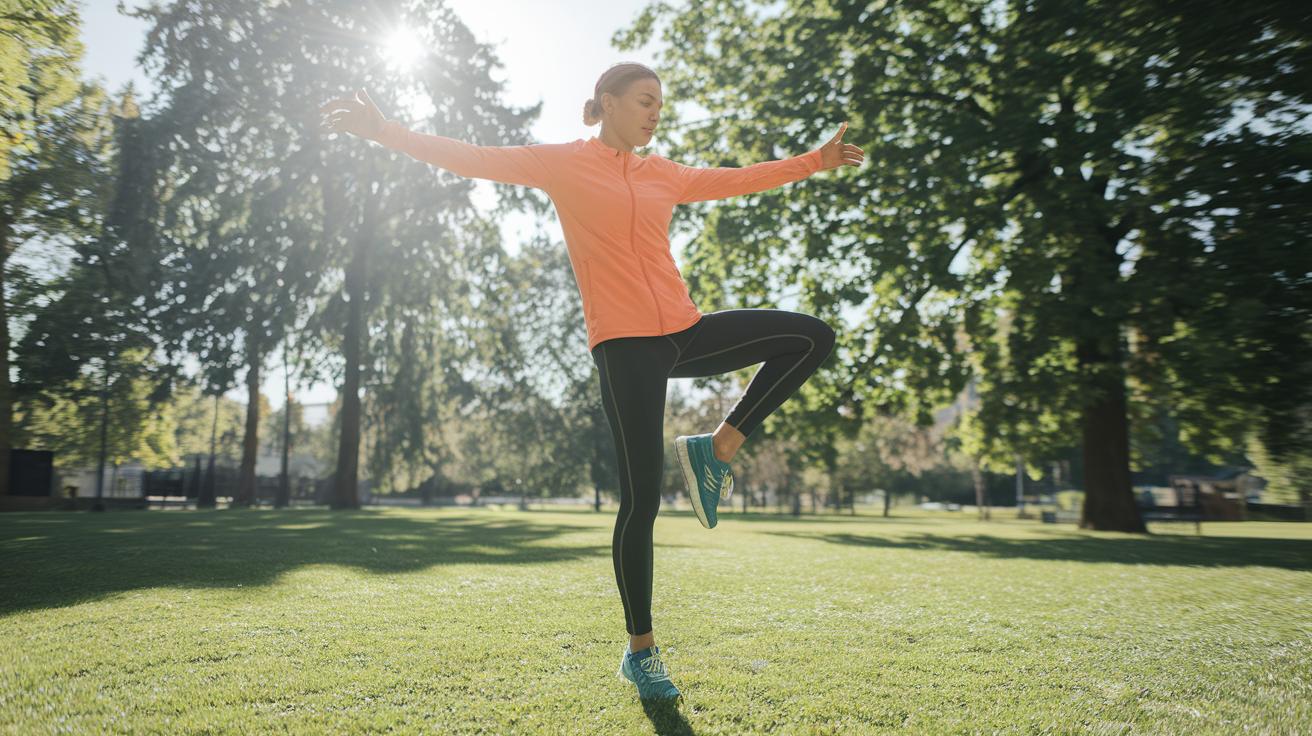
Static drills are like the building blocks for keeping steady. Try standing on one leg for 30–60 seconds, walking heel-to-toe, or doing a Romberg hold with your eyes closed (a move that tests balance without visual clues). These simple exercises help train your body and brain to work together, using hints from your inner ear and muscle sensors to keep you steady on both solid and wobbly ground.
Dynamic drills mix movement into the routine. Consider balance-board squats, quick steps with an agility ladder, or plyometric hops (fast, springy jumps). These exercises connect your body’s signals faster, which can help boost your agility and coordination. Imagine doing a balance-board squat while turning your head or adding a small thinking task, it adds a fun challenge that makes every move count.
Resistance drills work to strengthen the muscles that protect your joints. Exercises like lateral band walks (sideways steps with a resistance band), standing cable-chop holds (twisting with some resistance), and single-leg deadlifts force your muscles to work against extra weight. This kind of training not only builds strength but also improves coordination by teaching your body how to move correctly over and over.
Core activation moves are key, too. Try bird-dogs (lifting opposite arm and leg), front planks with a limb lift, or dead-bug progressions (a friendly twist on crunches). These exercises strengthen your center and improve your posture. Start on a firm surface, then slowly move to softer or bumpier ones as you get better. Each small step helps improve balance and coordination while keeping injuries at bay during everyday activities and sports.
Progressive Training Protocols and Recovery for Balance and Coordination
Start with easy exercises on firm, steady surfaces using only your body weight. Try simple moves like standing on one leg or taking slow, careful heel-to-toe steps. When you feel more stable, you can move on to more challenging tasks by adding soft uneven surfaces or a little bit of light resistance. A common routine might include doing 3 to 4 sets of 6 to 10 repetitions for each move, with about two days of rest in between so your body can adjust.
Changing up the number of sets, reps, and rest times helps mix up the difficulty. For example, you can start your week with basic balance stances. Once you’re comfortable, why not try a balance board to give yourself a fun, fresh challenge?
Taking time for active recovery is really important too. Think about easing into a cooldown with gentle moves like rolling a foam roller over your ankles or taking a slow, mindful balance walk. Giving yourself a break of about 2 to 3 days helps your nerves adjust and stops you from overdoing it. This steady approach, paired with thoughtful recovery, builds strength in your muscles and helps keep injuries at bay.
Applying Exercise Science to Aging and Athletic Balance Coordination
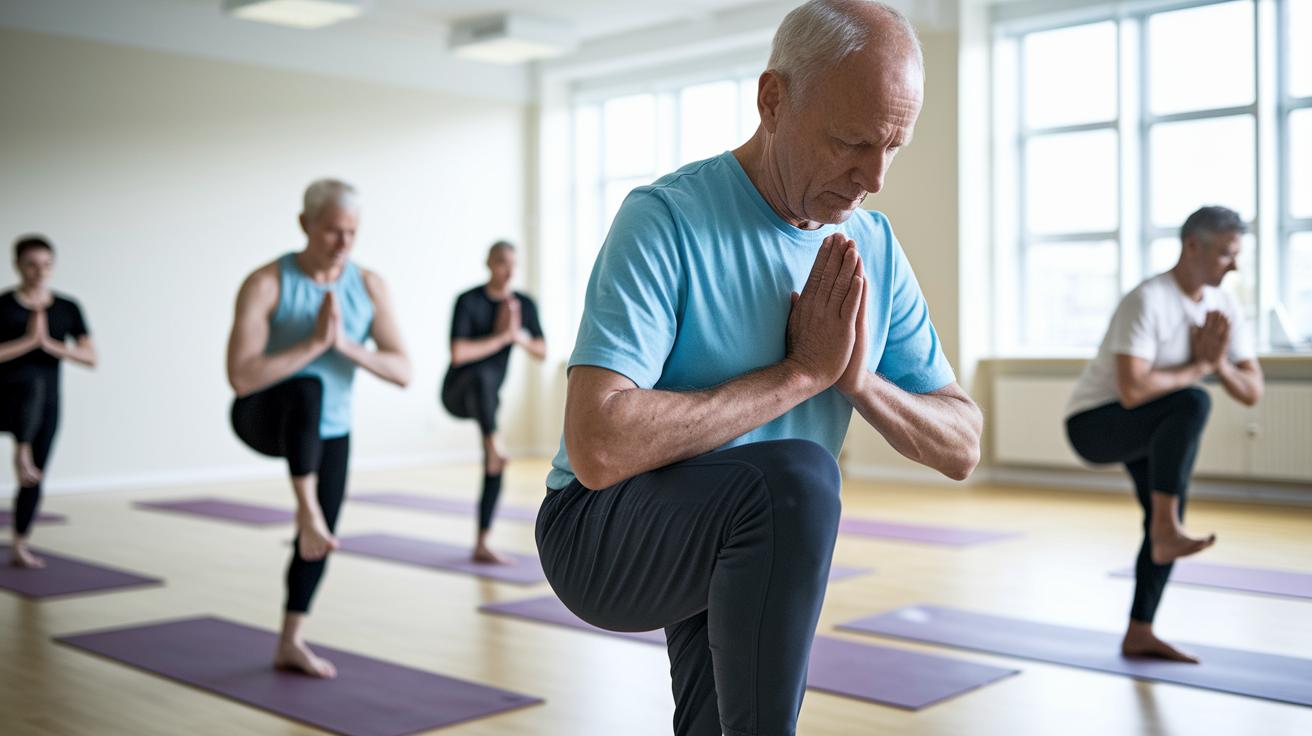
Between the ages of 40 and 80, balance can drop by about 30 to 40 percent. This drop may increase the risk of falls by up to 60 percent in older adults. Simple stability exercises have been shown to reduce falls by half, giving seniors more independence and a higher quality of life. Imagine a senior practicing gentle step-down movements that not only boost balance but also make daily tasks safer.
Even athletes can gain from these techniques. When they work on sport-specific drills like reaction-time ladders or reactive catching (exercises to improve quick adjustments), they often see around a 15 percent boost in agility. Drills like these help athletes quickly adjust to sudden changes during games. And moves like lunges with a reach bring these gains from the practice area right onto the playing field.
Active recovery is also key. After a tough workout, spending a bit of time on activities like gentle stretches or leisurely balance walks can help muscles recover and adapt. This relaxed period supports the nervous system in locking in the benefits of the training.
Consider adding these simple practices to your routine, whether you're aiming to lower your fall risk as you get older or enhance your sports performance. It’s all about mixing exercise science with everyday movements to live a healthier, more balanced life.
Final Words
In the action, we've broken down the key science behind balance and coordination, from brain signals guiding muscle control to the mechanics of joint stabilization. We explored hands-on drills, sensory feedback, and the power of gradual training adjustments that keep our bodies steady. Each section shared insights, tips, and clear steps that put theory into real-life action with exercise science for improving balance and coordination. This understanding fuels positive change and supports every step toward a stronger, more balanced lifestyle.
FAQ
What are some effective exercises to improve balance and stability?
Effective exercises that improve balance and stability include static drills like single-leg stands, dynamic drills such as balance-board squats, and core activation moves like bird-dogs. These work multiple muscle groups to keep your body steady.
What are 5 versatile exercises for balance?
Five versatile exercises for balance include single-leg stands, tandem walking, balance-board squats, lateral band walks, and bird-dogs. These activities mix static holds and dynamic moves to boost stability and strength equally.
How can I enhance balance and coordination through home workouts?
Enhancing balance and coordination at home can be achieved by practicing moves like tandem walking, single-leg stands, and eyes-closed Romberg holds. These drills sharpen sensory feedback and strengthen muscle control.
What coordination exercises can help improve overall body control?
Coordination exercises such as agility-ladder drills, reaction-time tasks, and single-leg deadlifts improve body control by stimulating quick muscle responses and reinforcing joint stability for smoother movement.
Which exercises best improve balance for athletes?
For athletes, combining static and dynamic balance exercises—like lateral band walks, plyometric hops, and sport-specific drills—improves performance by boosting strength, coordination, and quick reaction rates.
What type of training is most effective for improving balance?
Training that mixes stability moves with sensorimotor activities and progressive resistance builds stronger control. This method enhances balance by reinforcing neuromuscular coordination and supporting overall movement efficiency.

