
Have you ever felt like you might be missing a trick after your workout? When your muscles are tired, they need some extra care to heal tiny tears (small rips in the muscle fibers) and clear away any buildup.
Think of it like your favorite bike getting a quick tune-up. A little fuel, a bit of water, and some rest can work wonders together.
In this post, I'll share science-backed tips to boost your recovery and help you look forward to even better workouts next time.
How Science-Based Techniques Speed Up Post-Workout Recovery
When your muscles ache after a workout, it's because tiny tears in your muscle fibers, a build-up of waste, and less blood flow have started your body’s natural fix-up routine. Think of it like a gentle reset inside you, where every little part works to bring you back to balance. Kind of like how a worker clears out old parts in a busy factory before new ones are added.
Research shows that taking care of your body after exercise is all about a few key habits. First, good nutrition matters. Quick-digesting carbohydrates and quality protein (the building blocks of your muscles) team up to help rebuild your muscle and refill your energy. Next, staying hydrated is crucial. Drinking enough water not only replaces what you lost in sweat but also helps remove the waste from your cells.
Rest is another biggie. Whether it’s a quiet nap or a good night’s sleep, these moments let your cells do their repair work. And then there’s movement done gently, like an easy cooldown or even a nice massage from a pro, which can boost your blood flow and ease inflammation. Lastly, keep an eye on your recovery by noticing things like your resting heart rate, it can tell you how well your body is bouncing back.
All these science-backed tips help set you up for better workouts and a lower chance of getting hurt again. Enjoy the gradual progress, each step forward builds a healthier, happier you.
Nutrition and Hydration Strategies for Post-Workout Recovery
Right after your workout, within that 15 to 60 minute window, your body is ready to start repairing itself. Imagine the feeling of a refreshing breeze after a run, that’s similar to your muscles getting the right fuel at just the right moment. Delaying your carbs by even a couple of hours can seriously slow down how quickly your muscles replenish their energy stores.
In this special time, try to enjoy a snack that offers between 45 and 90 grams of quick-acting carbohydrates along with 20 to 40 grams of high-quality protein (protein is the building block for muscle repair). This balance, around a 3:1 or 4:1 ratio of carbs to protein, works like magic on those tiny muscle tears, helping them heal faster. Think of it like giving your muscles that extra boost they crave right when you need it most.
Don’t forget to hydrate, too. Drinking a bit more water than what you lose in sweat helps restore your electrolytes (minerals that keep your body working well) and supports smooth nutrient delivery. It’s like setting up a natural water slide that gives vital nutrients a boost as they flow through your body. Just be careful not to overdo the protein, as too much can create extra waste for your system to handle, a hurdle you definitely want to avoid during recovery.
With the right mix of nutrients and fluids, you’re not only refueling your energy but also setting your body up to perform even better in your next workout. Enjoy that post-workout moment and let your body thank you for it!
Active Recovery, Stretching, and Self-Myofascial Release for Post-Workout Recovery
After finishing a workout, trying some light activity like a brisk walk or a gentle bike ride can really help. This kind of movement clears out stuff like lactate and hydrogen (byproducts that build up when you exercise) and gets fresh blood flowing into your tired muscles. In fact, research tells us that low-intensity exercise sends signals to your body that help kickstart healing and deliver nutrients where they're needed. It’s like giving your muscles a soft, encouraging tap to begin the repair without overworking them.
Then there’s dynamic stretching, which is a fantastic way to help your body cool down gradually. Picture doing controlled, gentle movements such as arm circles, leg swings, or torso rotations, which help relax your muscles and boost their flexibility. These motions make sure blood reaches the areas that could use a bit more oxygen and nourishment.
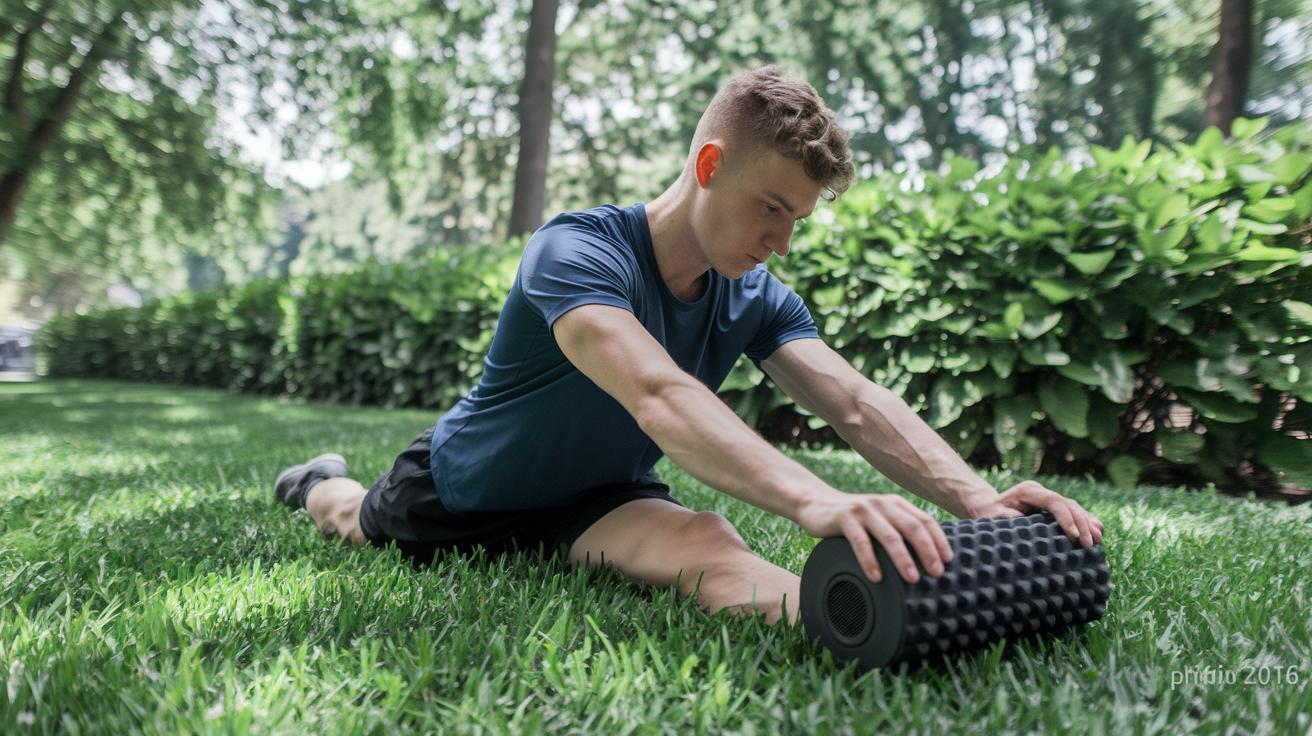
And if you sometimes feel a bit too tight, self-myofascial release might be your friend. This generally means using tools like foam rollers or massage guns to ease away knots and tension. Just remember to keep the pressure light and your movements controlled; using these tools without proper care might reduce the benefits and even cause extra strain. Enjoy these simple, science-backed tips, and let your body recover naturally and safely.
Science of Manual and Vibration Massage for Post-Workout Recovery
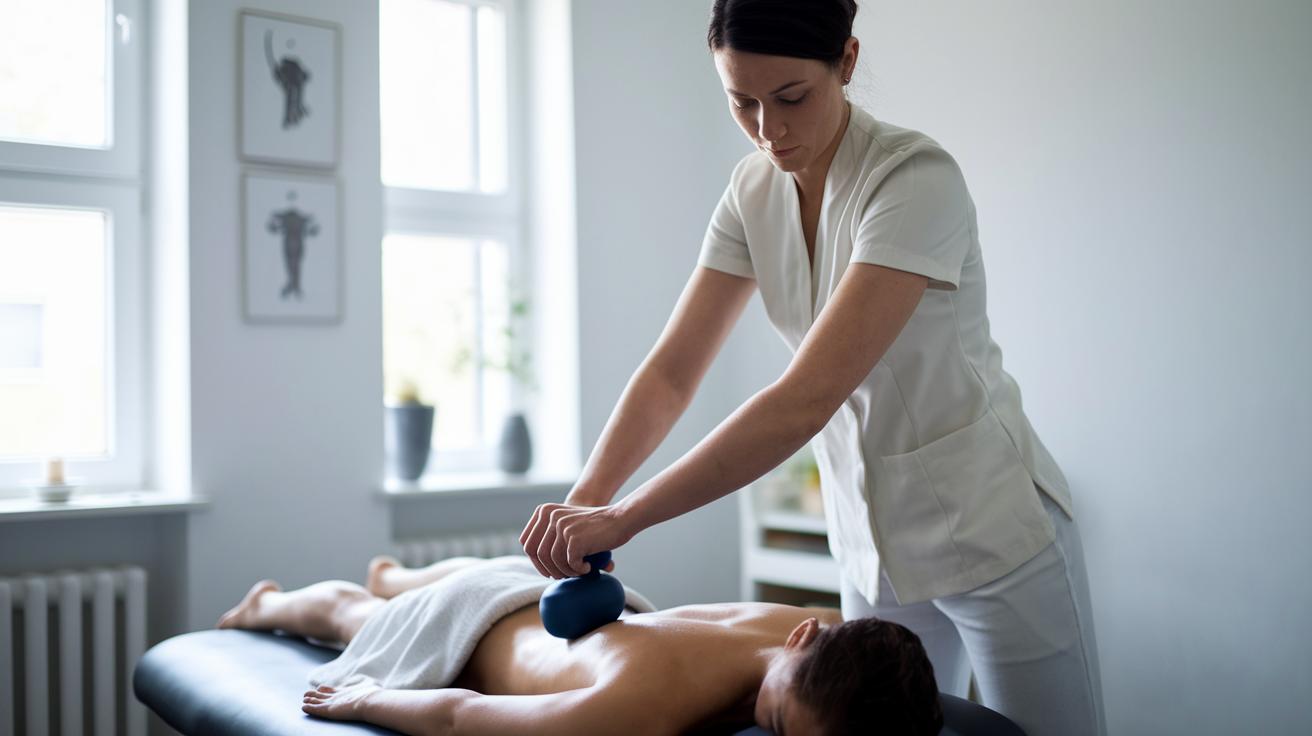
Clinical studies have shown that hands-on massage and vibration massage provided by a trained professional really help your muscles bounce back after a tough workout. These therapies boost blood flow (which helps carry oxygen and nutrients to tired muscles), clear away the natural waste produced during exercise, and lessen that sore muscle feeling you sometimes get a day or two after training.
Imagine finishing an intense workout and then treating yourself to a professional vibration massage that jumpstarts your muscle repair, almost like giving your body a fresh start. Devices set up with the right protocols work much better than the average over-the-counter massage tools. Often, sticking to a regular massage schedule with an expert can speed up your recovery and improve your muscle function overall.
Unlike common methods such as foam rollers, which might offer only a little relief if not used correctly, a professional massage is all about using the right pressure in just the right way. It’s like swapping a one-size-fits-all tool for something that’s perfectly tuned to what your body needs. Try to include regular sessions of professional-grade recovery massage in your routine, and you might find that your recovery feels noticeably faster and more effective.
Clinically Supported Supplements for Post-Workout Recovery
After a tough workout, taking care of your muscles can feel like a breath of fresh air. Creatine, for example (a substance that helps your muscles produce energy), is a favorite because it boosts muscle protein synthesis (the process by which your muscles repair themselves) and helps ease soreness. Many experts suggest using about 3 to 5 grams right after exercising to support muscle strength and repair.
Tart cherry juice is another great option. Its antioxidants (natural compounds that help fight inflammation) work quietly to lower swelling and reduce pain. A small glass after your workout might be just what you need to help calm and refresh tired muscles.
Glutamine also deserves a mention. This supplement may help speed up your recovery by supporting your body’s repair process during the critical hours after exercise, when your muscles are working to mend themselves in the background. And then there are omega-3 fatty acids from sources like fish oil. These healthy fats are known for their anti-inflammatory effects (they help reduce muscle stiffness and discomfort) and can be a helpful addition to your daily nutrition plan.
Turmeric, which contains curcumin, is another supplement that stands out for its ability to reduce inflammation. It can be a great helper when your muscles feel especially sore. Plus, emerging choices like spirulina and goji berries are drawing attention for their potent antioxidant benefits. They might be just the extra boost you need for a speedy recovery, if you’re curious, consider checking out more about their benefits for a balanced recovery approach.
Cryotherapy, Hydrotherapy, and Contrast Baths in Post-Workout Recovery
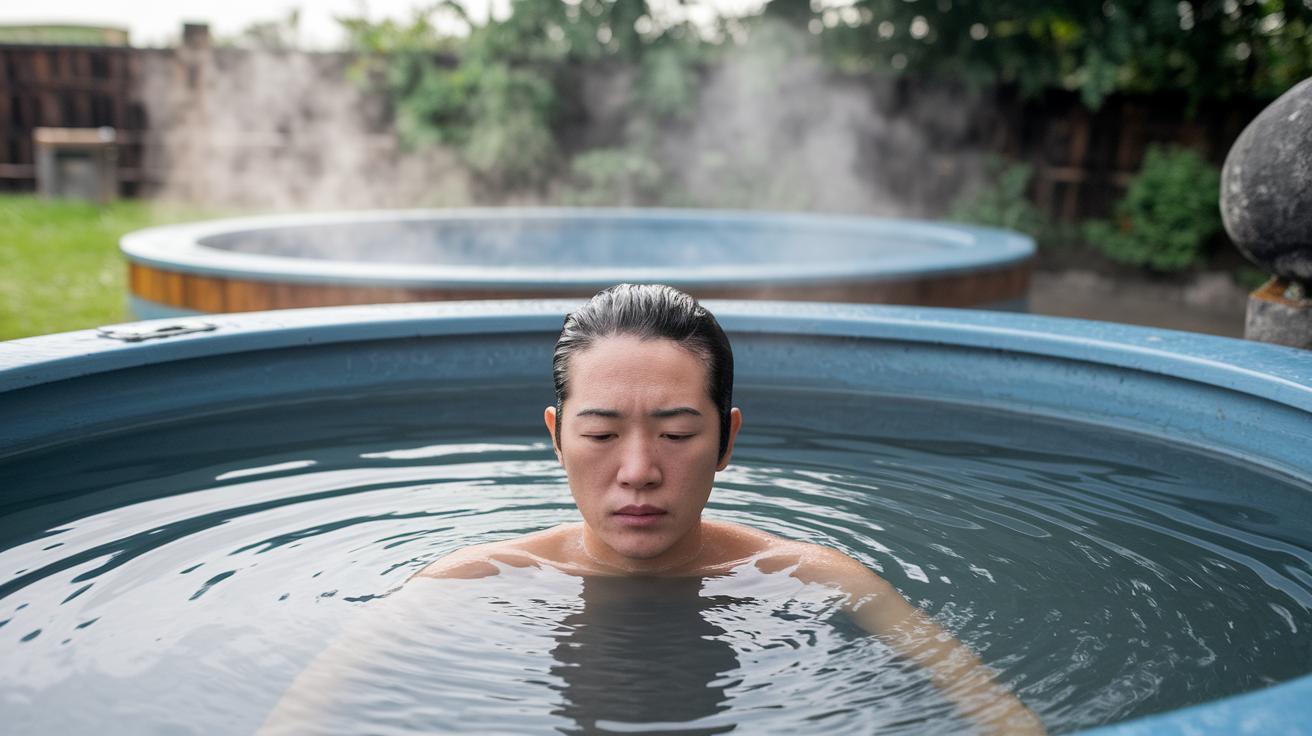
Cold water immersion is a popular way to cool down sore muscles after a hard workout. A short dip in icy water can help ease pain and reduce swelling (inflammation), giving you that refreshing kick. However, if you stick around too long, it may actually slow down your body’s natural healing by softening the helpful kind of inflammation. I’ve heard athletes say, "After a quick cold plunge, there's an immediate burst of cool relief that fades if you overdo it."
Contrast baths mix quick dips in cold water with a switch to warmer water, nudging your body back into balance. When you move from a brisk, cool bath to a gentle, warm soak, you might notice your heart rate settling and your blood flowing more freely. Picture stepping into a crisp, cool bath that wakes up your senses, then easing into a warm water soak that relaxes your muscles, it’s like a mini adventure for your body that can help manage tiredness and support your immune system during recovery.
Hydrotherapy uses the natural comfort of water to soothe tight muscles and boost circulation. Think of it as a slow, gentle massage provided by warm water, easing both tension and pain. While compression garments (tight clothing that helps move away lactic acid and aids fluid drainage) provide a bit of help, these water-based techniques are changing the way we recover from a tough workout by lowering pain and encouraging a natural healing flow.
Rest, Sleep, and Recovery Monitoring for Post-Workout Recovery
Good sleep isn’t just about feeling rested; it’s a key part of rebuilding your muscles, refilling your energy, and keeping your mind clear. When you get enough sleep, your muscles repair themselves, your glycogen (stored energy) levels are restored, and your brain wakes up sharper. But when sleep is missing, you might find yourself feeling sluggish and off your game.
One simple way to check if your body is bouncing back well is to measure your resting heart rate in the morning. Try taking a quick pulse count for five days right after you wake up. If you notice your heart beating a bit faster than usual, that’s a clue your body might still be recovering.
It’s also a good idea to listen to what your body tells you. Notice if your breathing feels different or if you wake up without that usual boost of energy. Sometimes, even small changes mean you might need a little extra rest or a change in your routine. And hey, if you’re into tech, there are new gadgets that can measure things like heart rate variability (how your heart reacts to everyday stress) or even use patches to track cortisol levels (a stress hormone). These tools can help you fine-tune your recovery, so you’re set for your next workout.
By pairing solid sleep habits with these simple checks, you can build a clear picture of your recovery and stay on track with your overall well-being.
Final Words
In the action, you’ve seen how proper nutrition, hydration, active cooldowns, massage techniques, supplements, temperature therapies, and quality sleep support muscle repair and reduce soreness. Each section highlighted how research and simple tactics can power your recovery after exercise. Moving from targeted food choices to mindful rest, every step matters for feeling strong and balanced. Keep these science-based strategies for post-workout recovery in your routine to enjoy smoother, faster healing and a positive boost to your overall well-being.
FAQ
Frequently Asked Questions
What do muscle recovery supplements provide?
The muscle recovery supplements provide essential nutrients like creatine, tart cherry juice, and omega-3 fatty acids to help repair muscle fibers and reduce post-exercise inflammation for improved recovery.
How can you speed up muscle and sore muscle recovery?
The techniques for faster muscle recovery focus on proper nutrition, hydration, and active cool-down exercises. These practices increase blood flow and help clear waste, easing soreness and promoting quick repair.
How does age affect muscle recovery and exercise recovery after 40?
The impact of age on muscle recovery shows that younger bodies often bounce back faster, while those over 40 might need extra rest, focused nutrition, and gentle active recovery to aid muscle repair.
What does a muscle recovery time chart indicate?
The muscle recovery time chart indicates typical rest periods based on exercise intensity and age, guiding you on how long to rest between sessions for optimal healing and improved performance.
What is muscle recovery and how do muscles recover scientifically?
The muscle recovery process involves repairing microscopic damage, clearing metabolic waste, and restoring nutrients. This scientific approach ensures reduced soreness and improved strength by rebuilding muscle fibers following exercise.
Why might your body not recover from exercise?
The body may struggle to recover due to insufficient sleep, poor nutrition, dehydration, or overtraining. Adjusting these factors with evidence-based recovery practices can help restore balance and reduce soreness.
What are the 4 R’s of recovery?
The 4 R’s of recovery refer to Rest, Refuel, Rehydrate, and Rebuild, outlining key steps to support muscle repair, replenish energy stores, and maintain overall performance after a workout.
What is best for post-workout recovery?
The best post-workout recovery plan combines balanced nutrition, proper hydration, adequate sleep, and gentle active recovery techniques. This mix ensures efficient muscle repair, less soreness, and readiness for the next workout.

