
Have you ever noticed how a few simple stretches can brighten your day? Studies show that these moves, backed by science (proven by research), can help relax tight muscles and make your body feel smoother. Imagine reaching up for that top shelf or enjoying a brisk walk without any nagging aches. These gentle techniques can ease joint soreness and boost your balance, helping you feel more confident in both sports and everyday activities. Ready to see how a little stretching can lead to big wins for your body?
Evidence-Based Benefits of Science-Backed Stretching Techniques
Regular stretching keeps your body flexible as you grow older. You might notice muscles and joints feeling a bit stiff, making everyday tasks like walking, grabbing something from a high shelf, or keeping your balance a little tougher. Using proven stretching moves (simple exercises that experts trust) can help your joints feel looser and make daily activities feel much easier. Imagine reaching up easily after just a few simple stretches, it's that kind of little win that builds a solid foundation for better mobility.
Studies have shown that sticking to a regular stretching routine can ease aches from conditions like arthritis (inflammation of the joints), back pain, and knee discomfort. In fact, a Special Health Report from Harvard Medical School lists 35 exercises that help reduce joint stiffness and pain. This proves that a consistent stretch routine not only keeps you flexible but also helps ease everyday discomfort by relieving tension in tired muscles.
Keeping up with these stretching habits does more than just boost flexibility, it also improves your balance and even helps with sports performance. Clinical studies say that as your flexibility improves, so does your stability, which is crucial for preventing falls. Plus, by warming up your muscles through stretching, you set yourself up for better coordination and faster reactions during physical activities. Have you ever felt that little surge of energy after a good stretch?
In truth, these science-backed stretches offer a well-rounded approach to support both everyday movements and more intense physical activities. They truly pave the way for a healthier, more balanced lifestyle.
Comparative Analysis of Static and Dynamic Stretching Techniques

When it comes to stretching, there are two main types: static holds and dynamic moves. Static stretches, like a standing calf stretch or a hip flexor stretch on the floor, involve holding a position anywhere from 15 to 60 seconds. Dynamic stretches, such as the cat-cow or double knee torso rotation, gently move your joints through their full range of motion. Research shows that choosing the right kind of stretch at the right time really makes a difference.
| Technique Type | Example Stretch | Key Effect |
|---|---|---|
| Static | Standing Calf Stretch | Improves ankle mobility |
| Static | Floor Hip Flexor Stretch | Enhances hip flexibility |
| Dynamic | Cat-Cow | Warms up and increases joint temperature |
| Dynamic | Double Knee Torso Rotation | Boosts movement control |
Experts suggest starting with a dynamic warm-up that slowly raises your body temperature and gets your joints ready before jumping into more intense activities. Then, once you've finished your workout, switch to static cooldown stretches to help relax your muscles, ease stiffness, and bounce back faster. Timing these stretches the right way sets a great foundation for better flexibility and improved overall performance.
Application of PNF Flexibility Drills in Science-Backed Stretching
PNF stretching mixes gentle stretches with brief periods of muscle tension (a type of muscle work without movement) to help your joints move more freely, by about 20–30%. It works with your body’s natural signals, so after a little muscle contraction, your muscles relax more completely. Imagine pushing your muscles just enough and then easing into a smooth, extended stretch; it's like slowly unwinding a spring.
A typical hold-relax cycle starts with a 10-second steady muscle squeeze at about 20–25% of your maximum effort. Then, you follow up with a 20-second stretch where you let the muscle gently lengthen without forcing it. Doing this cycle 3 to 4 times helps your muscles gradually open up and feel looser. Studies have shown that this method gives a noticeable boost in areas like your hamstrings, hip flexors, and shoulders, making everyday movements and sports feel easier and more comfortable.
Structuring Dynamic Warm-Up and Post-Exercise Stretching Cool-Down Routines
Kick off your workout with a lively 5-minute dynamic warm-up that gently raises your heart rate and prepares your muscles. Start with double knee torso rotations for about a minute so your middle body loosens up and gets ready to move. Then, switch to the cat-cow stretch for another minute. This exercise moves your back slowly as you breathe, warming up your spine while giving it a gentle stretch. For the rest of the warm-up, keep flowing with light movements that wake up all your muscle groups. It’s like a quick, moving ritual that gets you ready, much like feeling that cool morning breeze on a brisk walk.
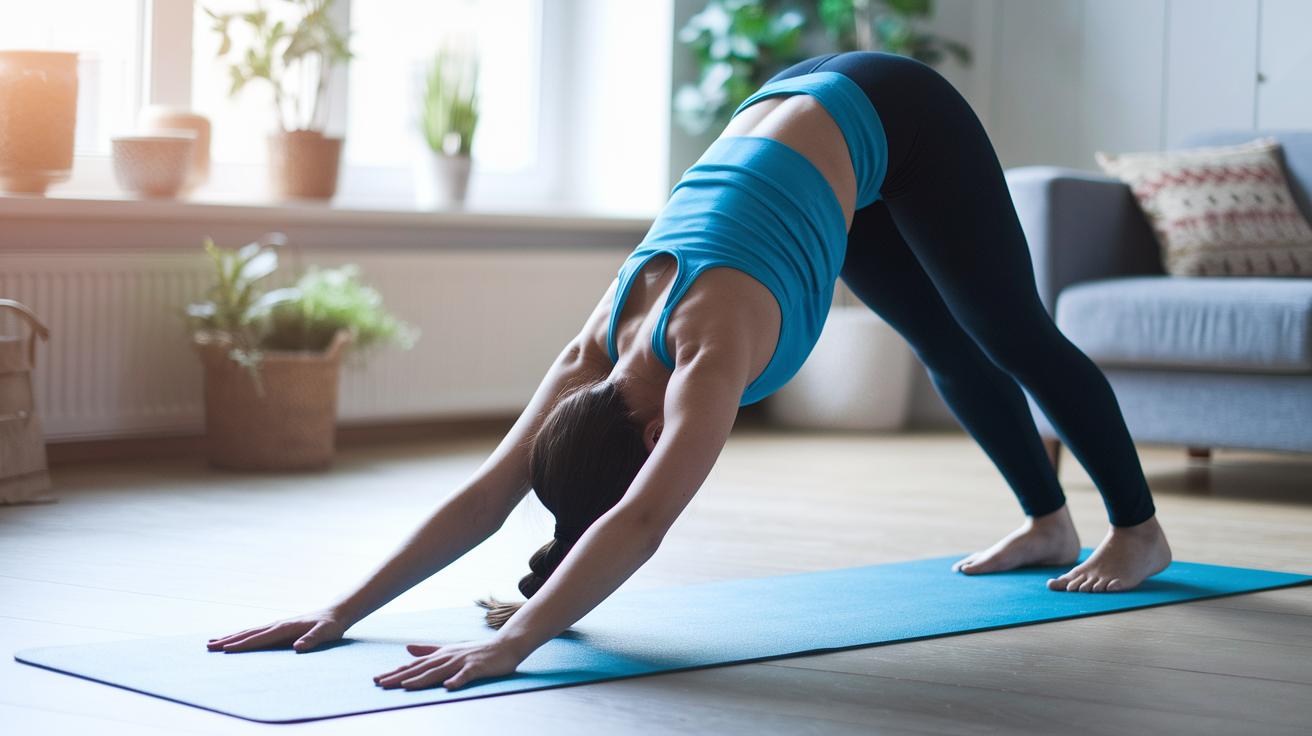
After your workout, take 5 to 10 minutes to slow things down with a static cool-down. Begin with a child's pose for 45 seconds to a minute to let your back muscles relax and calm your mind. Next, move into the downward dog pose for 30 to 60 seconds, which stretches your shoulders, hamstrings, and calves. This calm cool-down helps your body recover, eases muscle tightness, and sets you up for your next healthy session.
Step-by-Step Implementation of Research-Driven Stretching Routines
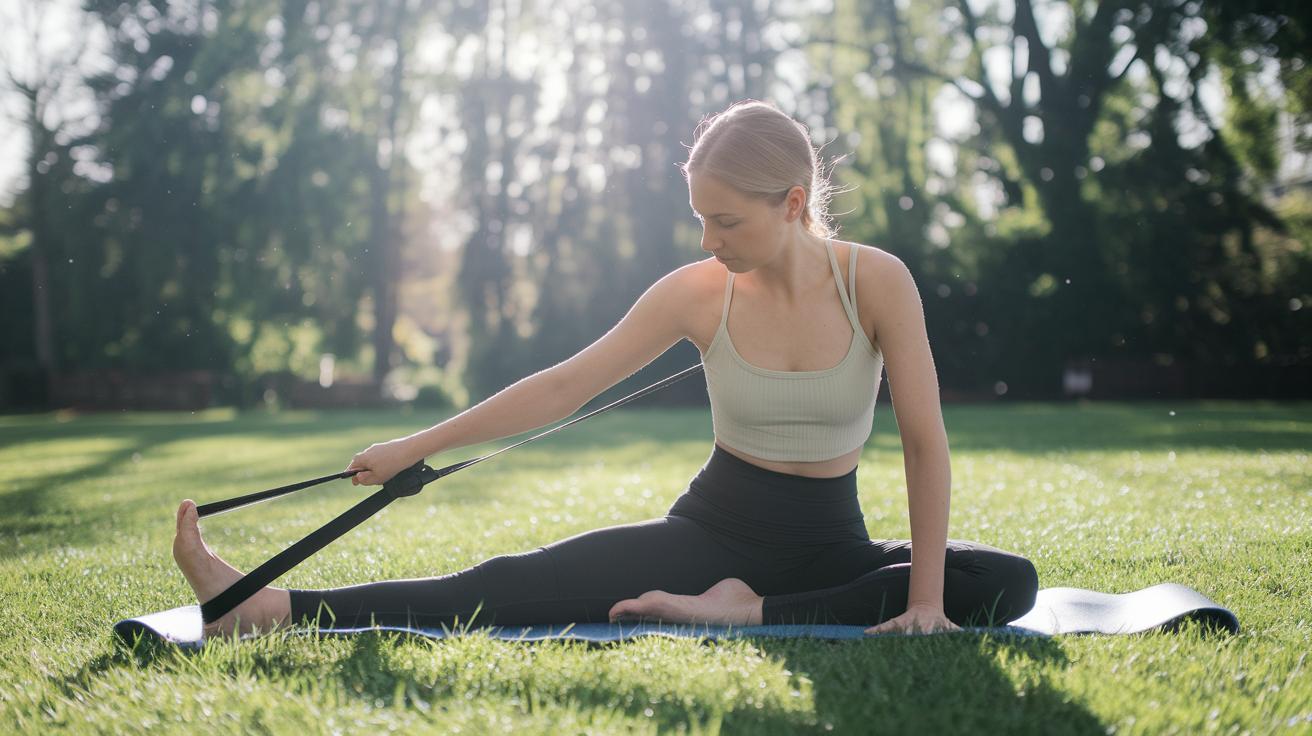
Let’s start with the lower body stretches. When you work on your legs, focus on slowly shifting your stance over time. For example, during a standing calf stretch, lean a bit further each session, as if you're reaching closer to a finish line with each try. While doing the floor hip flexor and hamstring strap stretches, keep your back straight and your breaths even. Hold each side for 30 seconds and try adding a few extra seconds as your flexibility grows.
Next, let’s move on to improving spine mobility. Here, you can make small changes to boost your results. Rather than repeating the full cat-cow and double knee torso rotations every time, pay more attention to your breathing and the smooth flow between moves. Think of your breath like a slow tide: it flows in as you arch your back, and it naturally recedes as you round it. This gentle rhythm helps your body gradually expand its range of movement.
Now, for full body stretches, focus on simple posture shifts that blend active stretch with a calm cool down. Start by aligning your body properly, then ease into moves like child’s pose and downward dog. While in downward dog, keep a soft bend in your elbows to help avoid strain and boost your hamstring stretch. Imagine yourself standing tall, reaching up high, and then gently folding into a nurturing child’s pose, it’s like sinking into a warm, supportive cushion.
Safe Practice Guidelines for Injury Prevention in Stretching Protocols
Start your stretching routine by gradually increasing how deep you go. Ease in slowly, just like when you start a calm morning walk. Begin with light warm-up moves to let your muscles wake up. Think of it as gently turning up the heat with your body. One helpful tip from a Stretching Health Report is to watch for joint or muscle discomfort and keep your muscle warmth just right so that you don’t cross into a painful zone. This way, you stay in the safe zone and respect what your body can handle.
When you hold a stretch, try not to go past 60 seconds and skip the bouncing, no sudden jerks allowed. Instead, use a strap to help keep your movement steady and safe, similar to pushing a swing gently to keep it in control. Keep an eye on how your body reacts and don’t be afraid to slow down or ask for advice if something feels off. This mindful approach helps you build a stretching routine that’s both effective and kind to your body.
Final Words
In the action, we explored key benefits of regular stretching to keep the body flexible and strong, addressing pain reduction and balance improvements. We broke down techniques like static cooldown stretches, dynamic warm-up routines, and PNF drills, sharing clear tips for boosting endurance and lowering risks of discomfort.
Every section provided simple steps and mindful cues for safe practice, so you feel confident using science-backed stretching techniques. Small changes today create healthier habits tomorrow. Keep moving and stay positive.
FAQ
Q: What does “science backed stretching techniques PDF” refer to?
A: The science backed stretching techniques PDF refers to a document outlining research-supported exercises that improve flexibility, reduce pain, and promote recovery through clearly explained steps and safe routines.
Q: What are science backed stretching techniques for beginners and at home?
A: Science backed stretching techniques for beginners and at home include simple dynamic warm-ups and static cooldowns designed for ease, safety, and verified results in flexibility and pain reduction.
Q: How can I access science backed stretching techniques on YouTube?
A: Science backed stretching techniques on YouTube are available through video tutorials that show step-by-step routines, helping viewers learn evidence-based stretches to enhance flexibility and support recovery.
Q: What are stretching exercises and a full body stretching routine PDF?
A: Stretching exercises and full body stretching routine PDFs offer guided routines based on research, targeting major muscle groups to improve mobility, alleviate discomfort, and promote overall balance.
Q: What are the benefits of stretching?
A: The 10 benefits of stretching include improved flexibility, better balance, reduced muscle and joint discomfort, injury prevention, and enhanced performance during physical activities.
Q: How long should you hold a stretch to increase flexibility?
A: Holding a stretch for 15 to 60 seconds is generally recommended to gradually increase flexibility while allowing muscles enough time to relax and lengthen without strain.
Q: Is there any scientific evidence for stretching?
A: Scientific evidence supports stretching routines by showing that regular, research-based practices help maintain flexibility, reduce joint pain, and improve overall function, as documented in clinical studies.
Q: What is the most effective stretching method according to science?
A: The most effective stretching method involves combining dynamic warm-ups, static cooldowns, and proprioceptive neuromuscular facilitation techniques, all of which research confirms help boost flexibility and muscle recovery.

