
Have you ever stopped to think about what happens in your body with each move you make? Exercise science (the study of how our body works during activity) shows that even simple actions can help build muscle strength and keep your heart healthy.
Imagine a gentle morning walk that wakes up your muscles or a playful stretch that makes you feel light. These tiny acts create big changes, helping you enjoy fuller workouts and a healthier life.
In this post, we explore easy-to-understand ideas from biology, physiology (how your body functions), and nutrition. Together, we’ll see how everyday movements can have a strong, positive impact on your well-being. Join us as we dive into the fascinating world behind the science of every little move you make.
Defining Exercise Science
Exercise science is a part of health science that shows us what happens inside our bodies when we move. It uses ideas from biology (the study of life), physiology (how our bodies work), biomechanics (how our bodies move), and nutrition (the study of food) to build routines that strengthen bones, build muscle, and support our hearts. Imagine this: before you lift a weight, you know that exercise science explains how your muscles tighten and grow to help you get fitter.
At its core, exercise science gives clear insights into how simple, everyday movements can transform your health. It is different from kinesiology, which explores many types of movement, and from sports science, which looks only at athletic performance. Instead, it focuses on everyday motion and well-being, blending science and movement to support long-term health.
By understanding how every part of your body reacts during exercise, experts can create safe and effective routines. These personalized plans not only boost your strength and stamina, but also help you enjoy a healthier life every day.
Core Disciplines within Exercise Science

This section dives into the subjects that power the world of exercise science. At its very foundation, you learn about human anatomy (which is simply the study of the body's structure), exercise physiology (or how your body reacts when you're active), along with biology, chemistry, and physics. Think of it like getting to know the parts of a finely tuned machine, each piece has its own role in making movement possible. It’s a bit like understanding the wires inside your favorite gadget, while chemistry and physics show you how energy flows through your muscles during a workout.
Next, the journey continues into more specialized areas that really bring everything together. Courses cover biomechanics (that's the study of movement), strength and conditioning (simple methods to improve your power), exercise psychology (exploring how your mind is linked to your physical activity), and nutrition (learning how food fuels your body). These topics help you see how advanced physical activity analysis can boost overall health. In many classes, you'll also get hands-on experience with research and ethics training, practical methods like data analysis and experimental design (which is just a thoughtful way of planning tests) become part of the mix. Imagine experimental design like following your favorite recipe, ensuring every ingredient is added with care and precision.
Exercise Science Physiology and Biomechanics
When we exercise, two essential fields help us understand what’s happening. One focuses on the inner workings of our cells and organs during movement, while the other looks at the mechanics behind every step, jump, or lift. Both areas explain that amazing feeling you get after a good workout and offer guidance to create safe, effective routines.
Exercise Physiology
Exercise physiology dives into how your body changes while you're active. It examines how muscles take in oxygen (that’s oxygen uptake, a process where your muscles grab oxygen from your blood), the way your body produces energy for muscle work, and the overall shifts that occur with regular exercise. Think about a brisk morning run: your heart starts pumping faster, pushing more oxygen to your muscles. Over time, repeated exercise makes your muscles stronger and boosts your endurance, almost like a small orchestra where every instrument plays just right.
Biomechanics
Biomechanics looks at how your body moves by applying simple mechanical principles. It uses tools like motion-capture analysis (tech that tracks your movements) and force plate analysis (equipment that measures pressure on your feet) to understand your motion patterns. These insights help identify the forces at work during your exercise routines, which is key to preventing injuries. For example, a strength test might check your squat form to make sure every move is safe and efficient. This scientific approach helps you fine-tune your performance, making every workout more effective while keeping injuries at bay.
Exercise Science Academic Programs and Degrees
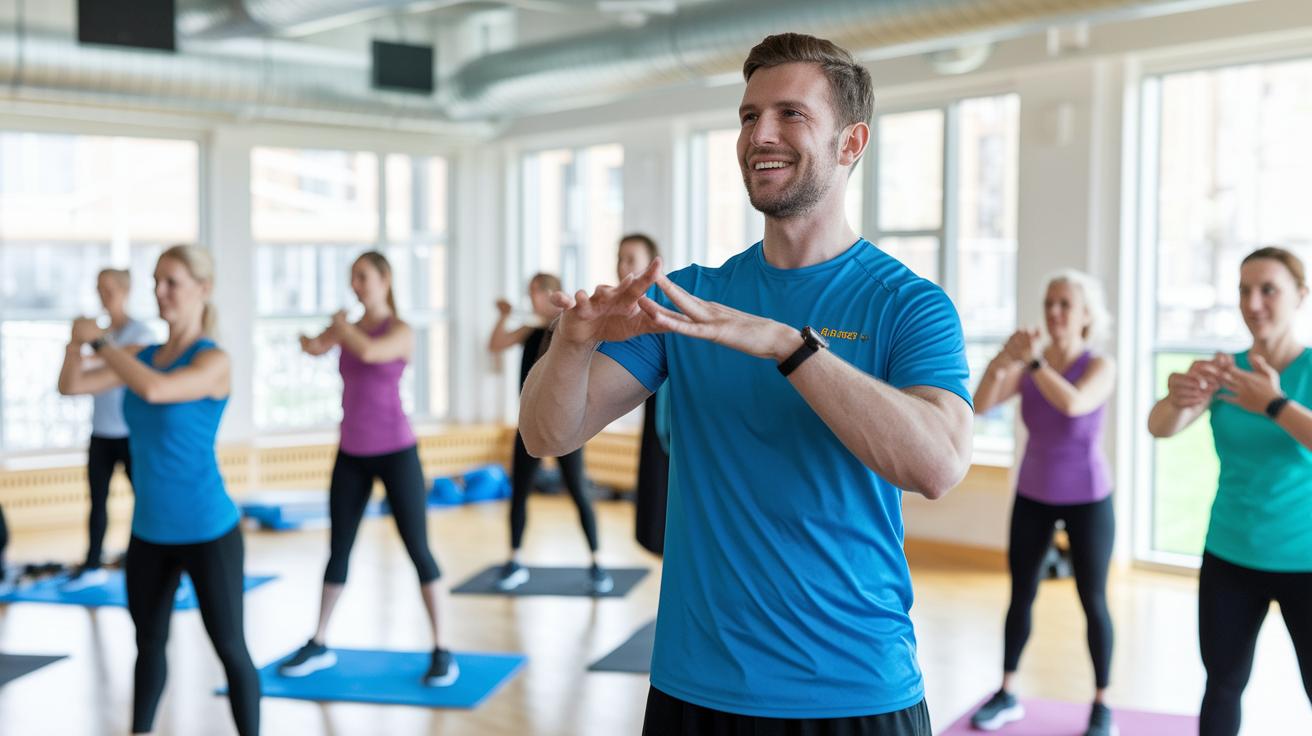
Exercise science programs blend practical experience with easy-to-understand science to help you build a career in fitness and health. They guide you step by step, growing your skills as you move from one degree to the next while inspiring a balanced and active lifestyle.
Associate Degree in Exercise Science
Imagine a two-year course where you explore human anatomy (the study of body structures), physiology (how our bodies work), nutrition (how the food we eat fuels our health), and fitness theory (the basics of exercise). This introductory program gives you a strong foundation on how exercise affects the body. Many graduates start as fitness instructors or personal trainers, bringing energy and practical know-how to their communities. It’s a hands-on path that sets the groundwork for a healthy lifestyle.
Bachelor’s Degree in Exercise Science
Over four years, you dig deeper into topics that include kinesiology (the study of body movement), sports nutrition, cellular biology (how cells function), and biomechanics (the science of movement). This program lets you specialize in areas like athletic training or gym management and often blends classroom learning with lab work and internships. It’s an engaging journey that mixes science with everyday practice, showing you how detailed training techniques connect to overall well-being.
Master’s Degree in Exercise Science
For those looking to reach expert levels, a master’s degree offers a one-to-two-year adventure into advanced exercise physiology, health promotion, and biomechanics research. You’ll often work on your own lab projects and even write a thesis (a focused research paper) to try out new ideas about fitness. This advanced program prepares you for roles in research or leadership, empowering you to guide high-level fitness and wellness initiatives.
Each of these programs builds on the last, giving you the tools to explore a fulfilling career dedicated to health, movement, and balance.
Exercise Science Career Paths and Job Market Trends
Exercise science is a field full of exciting opportunities for those who love movement and care about staying healthy. Graduates can work in many different places, like hospitals, fitness centers, sports teams, corporate wellness programs, and research labs. Imagine a friendly hospital where professionals help patients regain strength and ease their mobility with gentle, safe exercises. At a local fitness center, experts design fun sessions that keep everyone active and feeling strong. And on sports teams, science-based techniques are used to help athletes perform their best safely.
You might also find a great fit in corporate wellness programs, where specialists create plans that help reduce stress and boost productivity. For those with a research passion, labs offer the chance to study how exercise benefits our bodies. With options ranging from clinics and gyms to sports arenas and research centers, a degree in exercise science really opens the door to many promising careers.
The job market for exercise science is steadily growing, making it an exciting time to enter the field. In the United States, there’s a forecasted 13% increase in overall employment from 2016 to 2026. Positions for exercise physiologists (experts in body movement and health) are expected to grow by 9% between 2021 and 2031. Overseas, Australia’s share of opportunities is expected to grow by 3.5% from 2021 to 2026, while the United Kingdom is projected to see a 2.3% increase from 2022 to 2027.
| Region | Projected Growth Rate | Timeline |
|---|---|---|
| United States | 13% | 2016–2026 |
| Exercise Physiologists | 9% | 2021–2031 |
| Australia | 3.5% | 2021–2026 |
| United Kingdom | 2.3% | 2022–2027 |
Final Words
In the action, we've explored what is exercise science and how it shapes our understanding of movement and well-being. The post explained the basics, from the study of body responses to physical activity to key courses that build strength and endurance. We also touched on various academic paths and job options that fuel both healthy bodies and minds. Each element connects to a balanced lifestyle, making it easier to see how exercise science supports a vibrant life. Keep moving forward with confidence and energy.
FAQ
What is exercise science major?
The exercise science major is a field that studies how our bodies react during activity through courses in physiology, biomechanics, anatomy, and nutrition.
What is exercise science jobs?
The exercise science jobs typically include roles in health clubs, hospitals, sports teams, and research labs where professionals use science to improve health and performance.
What is exercise science salary?
The exercise science salary varies with role and experience, offering competitive wages in settings like clinics and fitness centers for those proficient in body science.
What is exercise science course?
The exercise science course covers subjects like physiology, biomechanics, and nutrition, providing practical knowledge about how our bodies respond to physical activity.
What is exercise science pdf?
The exercise science PDF commonly refers to a digital document detailing course content, research findings, and fundamental concepts about body adaptations through exercise.
What is exercise science and kinesiology?
The exercise science and kinesiology combine studies on how exercise impacts our health with a broader look at movement mechanics, blending science with physical activity.
Exercise science vs kinesiology?
The exercise science vs kinesiology comparison highlights that exercise science emphasizes training effects on the body, while kinesiology covers overall movement and body mechanics.
What is exercise physiology?
The exercise physiology describes how heart rate, muscles, and energy systems adapt during exercise, ensuring we understand body functions during physical activities.
What is a career in exercise science?
The career in exercise science involves working in environments such as gyms, clinics, and labs, applying scientific insights to improve physical health and wellbeing.
What is the meaning of exercise science?
The meaning of exercise science centers on understanding how physical activity affects our body through integrated studies in biology, physiology, and nutrition.
Is exercise science a good major?
The exercise science major is great for those who love fitness and science, offering diverse career paths in health, sports, and research settings.
What do exercise scientists do?
The exercise scientists study body responses to physical challenges, using research and testing to boost performance, prevent injuries, and encourage healthier lifestyles.

