
Ever wondered if a few deep breaths can turn your day around in the classroom? Simple practices like mindful breathing and jotting down thoughts are bringing a sense of calm into even the busiest rooms. Kids are learning to take a quick pause to ease worries and sharpen their focus when things get hectic. This article shares some bright, little ideas that help boost concentration, lower stress, and let both students and teachers really thrive.
Benefits of Mindfulness in the Classroom for Focus and Well-Being
Mindfulness in the classroom creates a calm space where kids can learn better and feel happier. When teachers include simple practices like deep breathing or writing in a journal, students learn to ease their worries and focus more during lessons. It turns everyday chaos into moments for finding calm and building focus.
These practices bring lots of benefits:
- Self-regulation: Kids learn to manage their feelings during class.
- Improved attention: They stay more engaged with their schoolwork.
- Stress reduction: Simple techniques help lower anxiety and create a relaxed space.
- Behavioral improvements: With fewer disruptions, the classroom runs smoother.
- Enhanced well-being: Overall mood and academic performance get a positive boost.
For instance, programs like the one from Mindful Schools in Oakland, CA show clear improvements in focus among young students. In special education classes in Lancaster, PA, regular quieting exercises have led to fewer behavioral issues. The research shows that even small mindfulness activities can make a big difference, helping both students and teachers thrive.
mindfulness in the classroom: Bright Ideas Spark Engagement

Teachers can bring a burst of energy to their lessons by adding easy mindfulness activities that fit right into the day. These exercises help kids slow down, boost their focus, and explore the world around them in a fun, hands-on way.
Guided Meditation
Try leading a short meditation where students sit quietly and listen to calming words. Ask them to close their eyes and listen to their own breathing. This simple pause can clear their minds and reduce little distractions. For instance, you might say, "Imagine you're in a peaceful garden where every sound helps you feel calm."
Breath Awareness
Encourage students to notice their breathing with a deep breathing exercise. Have them place one hand on their belly and the other on their chest, then count to three as they breathe in and out. You could use a fun visual tool, like a pop-up toy that expands and contracts, to show what smooth breathing looks like.
Sensory Mindfulness
Invite the kids to explore their senses by listening to soft music or going on a short walk outside to notice natural sounds. You can also use jars with scents like cinnamon or cheese and let them touch items like cotton balls or sponges. This mix of smells, sounds, and textures helps sharpen their awareness and focus.
Guided Imagery Activities
Take your class on a mini-adventure by guiding them through a mental journey. Whether it’s a safari in a wild jungle or a trip under the sea, have them picture the scene in their minds. Afterward, let them draw or talk about what they saw, turning dreams into real ideas.
Movement-Based Practices
Mix learning with movement by adding simple yoga poses to the lesson. You might try a playful twist on Downward-Facing Dog by imagining it as a sheepdog, or transform Cat Pose into a mighty lion. Even a version of Extended Child’s Pose can feel fun when you think of it as a slow-marching turtle. These moves help combine creativity with exercise.
Reflective Journaling and Gratitude
Finish off with a moment of quiet reflection. Encourage students to jot down one thing they’re thankful for or to note how a brief pause helped them during the day. This little habit can make a big difference in their focus and mood.
With these easy mindfulness exercises woven into everyday routines, students can enjoy a calm, engaged classroom where learning feels relaxed and fun.
Designing a Mindful Classroom Routine and Lesson Plan
Bringing mindfulness into your classroom can create a steady, calm space that feels natural and supports the daily flow of your lessons. When mindfulness is woven into everyday activities, it helps both you and your students feel more focused and balanced.
• Morning breathing break – "Let's take a one-minute deep breath together to set our focus for the day."
• Mid-lesson sensory pause – "Take a moment to notice the gentle hum of our classroom as we reconnect."
• Guided imagery session – "Imagine a peaceful scene for a minute to clear your mind before moving on."
• Journaling or gratitude circle – "Spend a moment writing down or sharing one thing you're thankful for today."
• Closing meditation or movement break – "Finish the day with a brief quiet moment or a light stretch to settle your thoughts."
Mixing these ideas into your weekly schedule helps them become a natural part of your class time. Instead of treating each mindfulness exercise as a separate activity, blend them into your lesson plans so that being mindful feels like a regular habit. This approach reminds everyone about the benefits of calm focus and supports both learning and well-being.
Also, it’s important to keep things flexible. You can adjust how long each exercise lasts or change the style to work for different grade levels. For example, little ones might enjoy a playful sensory pause with fun props, while older students may like a short guided imagery session that encourages quiet reflection. This way, every mindfulness practice fits smoothly into your routine and helps create a balanced, inviting learning space.
Case Studies of Classroom Mindfulness Programs
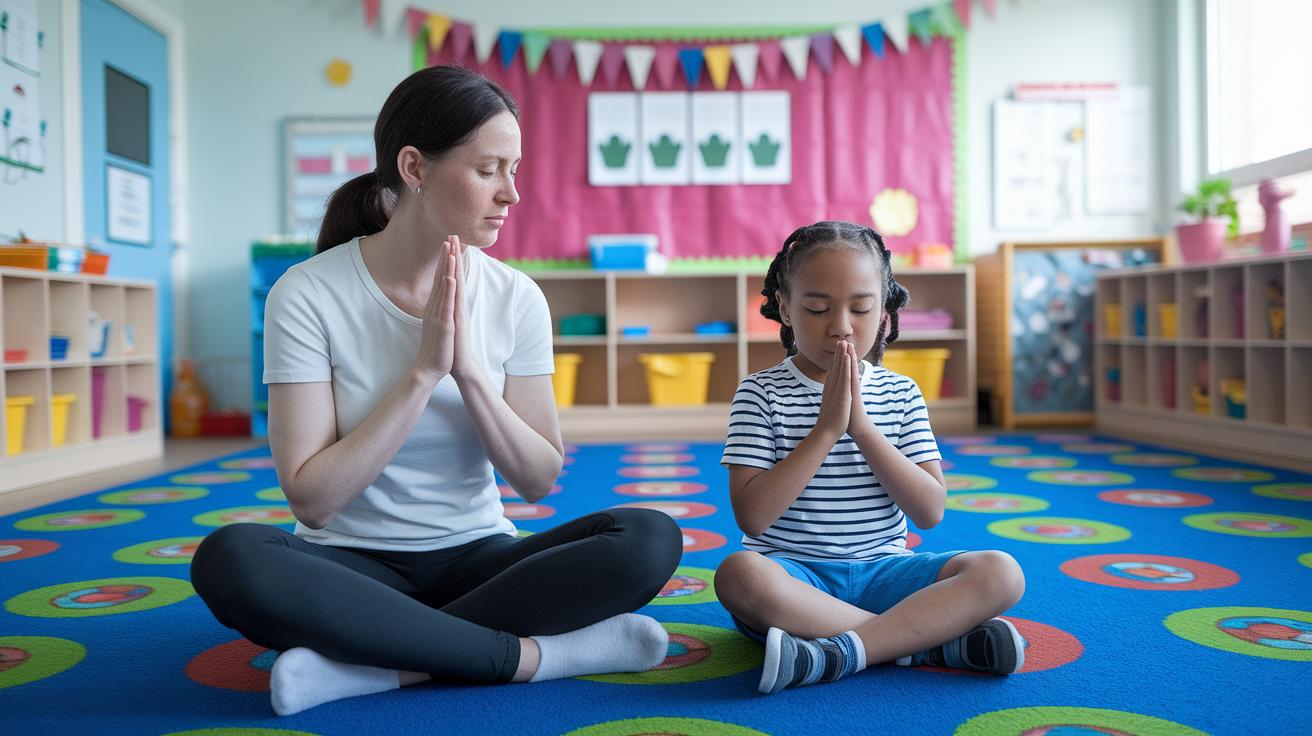
In Oakland, CA, the Mindful Schools program did more than just calm busy minds, it sparked renewed energy in the classroom. Teachers noticed that kids not only focused better but also started working together more. One teacher even said, "After our quick mindfulness breaks, students began helping each other out during transitions." It’s clear that regular mindfulness practices can change the classroom into a lively, shared space for learning.
In Lancaster, PA, special education classes added daily quiet moments into their routine. These simple, calming exercises helped kids manage disruptive behaviors by giving them a chance to reset. Educators found that these mindful breaks let students recognize and adjust their emotions when stress crept in. One teacher shared that the sessions not only cut down on interruptions but also helped tailor support to each student’s needs.
Both programs share a few secret ingredients. They all used clear, easy-to-follow routines that made daily mindfulness a natural part of the day. This approach boosted focus and helped kids keep their feelings in check. Teachers discovered that even small mindful moments can turn everyday challenges into teachable lessons, like when someone gently reminds a friend to "take a deep breath and clear their mind."
Overcoming Implementation Challenges in Classroom Mindfulness
Teachers often wrestle with a few hurdles when trying to add a mindful moment to their day. They might feel squeezed by a busy schedule, unsure about how to lead the activity without much training, or stressed about unexpected disruptions mid-lesson. Sometimes, words like "yoga" or "meditation" can feel a bit heavy due to worries from above.
One smart idea is to call these sessions quick focus breaks, something that blends right into the regular lesson. Just imagine having a short, simple training, like a mini-session, that gives you the basics for leading a few deep breaths or a sensory pause without needing a lot of prep time. When you explain these ideas in kid-friendly words, everything feels more natural.
And guess what? When teachers share ideas and support each other during staff meetings, these challenges start to seem much smaller. Working together makes it easier to tweak plans and turn potential pitfalls into little wins. With a bit of micro-training and new names for these activities, your classroom can stay focused and feel calm all at once.
Enjoy turning these moments into little everyday breaks that make a big difference.
Measuring the Impact of Mindfulness in Educational Settings

Collecting data on mindfulness in schools can be both simple and effective. Teachers and school leaders often use friendly surveys where kids rate how calm they feel before and after a session. They also keep logs of classroom behavior and run quick attention tests to get a clear picture.
It’s not all about numbers, though. Attention tests and classroom checks give us solid facts, while comments from students, teachers, and parents add a warm, personal touch. When a student mentions feeling more at ease after a short breathing break, or a teacher notices smoother transitions during lessons, it really shows how mindfulness is making a difference.
Using these insights helps educators fine-tune their activities to what truly works. This data-driven approach creates a classroom where mindfulness boosts both focus and overall well-being every day.
Final Words
In the action of everyday classroom mindfulness practices, our post outlined simple ways to boost focus and calm. We reviewed benefits like better self-control, improved attention, and lower stress levels with real-world case studies. Simple tools such as mindful breathing, guided imagery, and reflective journaling can easily fit into daily routines. Overcoming obstacles through brief training and staff collaboration makes these strategies even more accessible. Embrace each mindful moment, and enjoy watching well-being and academic focus grow.
FAQ
What is available in the classroom mindfulness pdf?
The mindfulness in the classroom pdf offers a downloadable guide that outlines simple techniques for focus, self-regulation, and stress reduction, supported by research and practical strategies.
What mindfulness in the classroom activities are available?
The classroom mindfulness activities include deep breathing, guided meditation, sensory exercises, and reflective journaling that boost focus and calm for students and educators alike.
What are some mindfulness in the classroom examples?
Classroom examples include simple guided meditation sessions, engaging sensory tasks, and journaling exercises that help students improve concentration, manage emotions, and reduce stress.
What information do mindfulness in the classroom scholarly articles offer?
Scholarly articles reveal research on mindfulness benefits, showing improvements in attention, self-regulation, and stress reduction while highlighting practical classroom strategies.
What insights does the Mindfulness in the Classroom book provide?
The book offers clear methods, case examples, and research-based strategies that guide educators in creating a calm and focused classroom through mindfulness practices.
Why is mindfulness important in the classroom?
Mindfulness is important because it boosts focus, teaches emotional regulation, and reduces stress, leading to improved learning outcomes and a supportive classroom atmosphere.
What content does mindfulness in the classroom YouTube provide?
YouTube content offers easy-to-follow mindfulness exercises, teacher testimonials, and clear demonstrations that help integrate practical mindfulness techniques into daily classroom routines.
How is mindfulness integrated in schools?
Mindfulness in schools is woven into daily routines with activities such as brief breathing exercises, guided imagery, and reflective sessions that cultivate a calm, supportive learning space.
How do you do mindfulness in the classroom?
Doing mindfulness in the classroom means setting aside short periods for deep breathing or guided meditation, which help students focus, relax, and manage classroom stress effectively.
What are the 3 C’s of mindfulness?
The 3 C’s of mindfulness are clarity, calmness, and concentration, which together support better attentiveness, emotional balance, and a steady learning mindset.

